The Work Beneath the Surface
⚖️ The Week of Lists
A week in the magistrates’ court does something to the mind.
Not dramatic, not even especially memorable, but cumulative. Lists of cases, each one clipped to the next, each one requiring a kind of immediate clarity. Names, dates, charges, pleas. The language becomes functional, almost hydraulic. You learn to move things through: facts into structure, structure into submission, submission into outcome.
There is a discipline to it, even a satisfaction. It rewards precision, punishes hesitation. The work is to reduce. To identify what matters, to discard what does not, to keep the system moving. It is a clarity that depends on speed, on continuity, on the assumption that what is being carried forward will hold.
By Friday afternoon, something begins to thicken.
It is not confusion. On the contrary, everything is too clear. Each case is distilled into something manageable, something that can be decided. But the clarity is local. It belongs to each case in isolation. What is lost is any sense of how these fragments belong together, or what holds them in place. Responsibility, intention, harm. They move cleanly through the system.
Too cleanly.
Nothing breaks, and that is precisely the problem.
🌊 The River That Is Not Empty
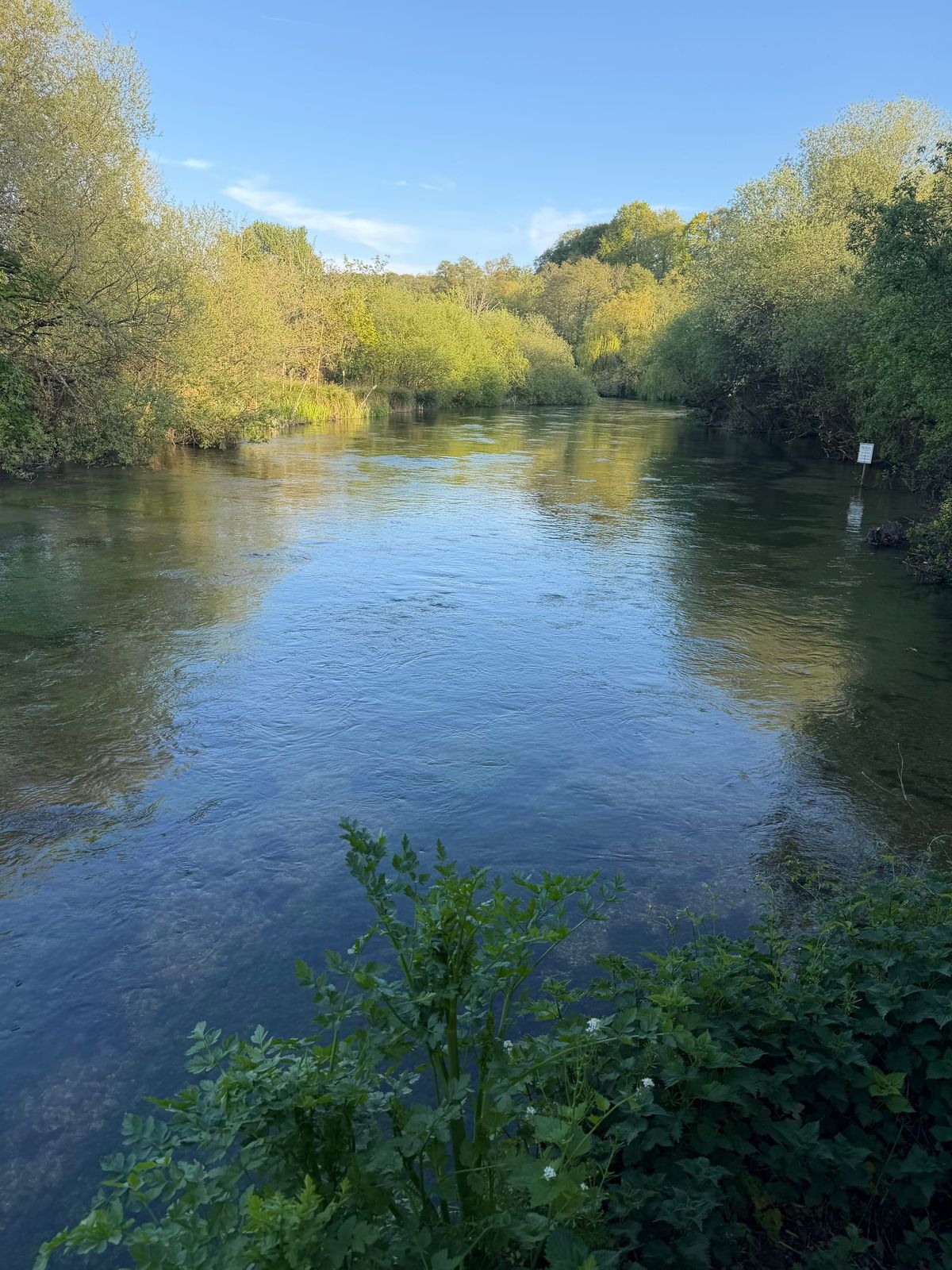
The River Itchen does not present itself as an answer. It offers no argument, no resolution. It simply moves.
Water sliding over gravel, light resting on the surface, weed bending and releasing in the current. At first glance, it feels like a place of withdrawal, somewhere the mind might empty itself after the week’s demands.
But the clarity of the Itchen is not emptiness.
This is the first illusion. The water appears transparent because it appears absent, as though nothing were in it at all. But what you are seeing is not a lack. It is the result of something that has already happened.
The river has passed through chalk.
Chalk is patient. It does not purify as fire purifies, by burning away what is impure. It receives. It filters. It slows. It holds back what is coarse and allows what is fine to pass through. The water that emerges is not stripped, but composed.
Clarity, here, is the result of pressure and time.
Even standing at the bank, you can see it working. The current does not rush. It holds its shape. The light does not scatter wildly, but settles, reaches downward, touches the gravel and returns. Nothing announces itself, and yet everything has been altered.
🐟 Conditions for Life
Beneath the surface, the work becomes more exacting.
The gravel bed holds its form. The weeds move but do not tear. The current is neither stagnant nor forceful. It is held within limits so precise they are almost invisible. This is not an absence of structure, but its achievement.
This is why the trout are here.
They do not live in purity understood as emptiness. They require something far more demanding: temperature held within a narrow range, oxygen carried steadily, a current that neither overwhelms nor recedes. The water must be worked upon before it can sustain them.
The chalk does not create life.
It creates the conditions in which life no longer needs to fight to exist.
Watching them, suspended in the current, barely moving, one has the sense not of effort, but of alignment. They are not resisting the river. They are held within it.
🔥 Water That Burns Without Heat
At the surface, the river begins to shift again.
Light fractures and gathers, flickers and returns. There is something briefly incendiary about it, as though the water were catching fire. But the flame is cool. It does not consume. It reveals.
The grasses beneath appear sharper, the gravel more distinct, the slow drift of shadow more deliberate. Everything becomes visible, not because it has been simplified, but because the medium has been made capable of carrying light without distortion.
Water, here, behaves like an inverted fire.
And it is at this point that the river begins to resemble thought.
🔧 Philosophy Below the Floorboards
Mary Midgley once suggested that philosophy is less like constructing theories and more like maintaining pipes.
Our concepts, she argued, run beneath our lives, largely unnoticed, structuring what can flow and what cannot. Responsibility, intention, justice, value. They are not abstractions we occasionally consider. They are the channels through which we think at all.
We do not attend to them when they are working.
We notice them only when something begins to back up.
It is a deliberately undignified image, but a precise one. Midgley developed it against a picture of philosophy as something elevated, solitary, detached from ordinary life. The solitary thinker, refining arguments in isolation, had come to obscure something more basic.
Philosophy, if it is anything, is closer to maintenance than to discovery.
Like the chalk beneath the river, it does its work out of sight, shaping what passes through it long before anything becomes visible.
⚖️ When the System Still Runs
A week of prosecuting lists does not produce a crisis. Nothing breaks. The system functions with an almost mechanical reliability. Cases are called, facts are presented, submissions made, decisions reached.
The flow continues.
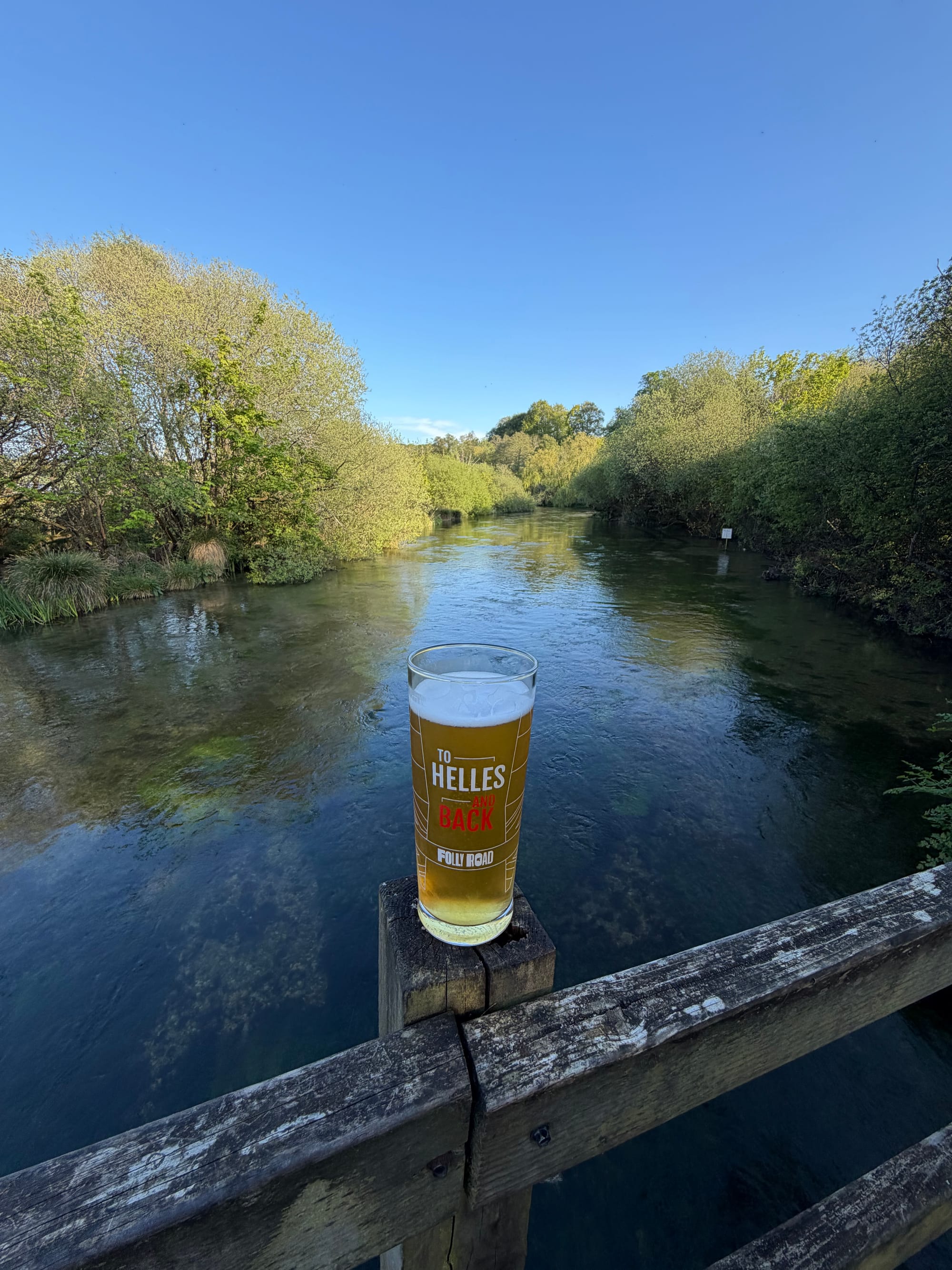
And yet, standing by the river, watching the current move over the pale gravel, one begins to notice something that the week has concealed.
The clarity required by the work is narrow, immediate, procedural. It depends on the repeated use of concepts whose meanings are treated as settled. Responsibility is identified, intention inferred, harm categorised. Each term does its work quickly, efficiently, without resistance.
But repetition exposes variation.
Responsibility, in one case, attaches cleanly to an act, as though it were a property of it. In another, it stretches across circumstances, diffused but not absent. In a third, it feels imposed, a necessary attribution rather than a convincing description of what has occurred.
The word remains stable.
What it carries does not.
The same is true of intention. It is treated as something that can be isolated, examined, and presented. But in practice, it is partial, obscured, entangled with habit, pressure, fear. It resists the clarity that is required of it.
And yet, it must be made to appear clear.
The system works because it refuses to notice what does not fit.
🧠 Maintenance, Not Escape
It is tempting, at this point, to imagine that the solution lies elsewhere, that clarity might be found by stepping outside the system altogether. But the river suggests otherwise.
The problem is not the existence of structure, but the invisibility of it.
Midgley’s insistence begins to press more sharply here. Philosophy is not a retreat from the world of cases and judgments. It is a return to what underlies them. It is the work of examining the channels through which thought moves, of asking whether they are still capable of carrying what we ask of them.
This is not work that announces itself.
It is slow, often uncomfortable, and at odds with the demands of efficiency. It requires pausing where the system insists on movement, questioning where the language appears settled.
Like lifting floorboards, it disrupts what appears to be functioning.
But without that disruption, the flow cannot be trusted.
🌊 The Work Beneath the Surface
The Itchen continues, indifferent to all of this.
The current moves over the gravel, steady, unhurried. Light enters the water, bends, returns. Beneath it all, the chalk receives what passes through it, altering it gradually, imperceptibly, without force.
The water does not become clear by being forced into simplicity.
It becomes clear by passing through something that alters it.
Watching the river, one begins to see that nothing here is immediate. Everything has been shaped by time, by pressure, by a medium that holds and moderates what moves through it.
The chalk does not eliminate complexity.
It makes it inhabitable.
⚠️ The Danger of Easy Clarity
This is what makes the clarity of the courtroom feel, at times, insufficient.
Not because it is wrong, but because it is achieved too quickly.
A system can function efficiently while quietly altering what passes through it. Concepts can remain stable in language while shifting in application. The flow can continue, uninterrupted, even as the structure beneath it becomes strained.
In that sense, clarity becomes a kind of concealment.
Clarity is sometimes just speed with authority.
It allows things to move without requiring them to be fully understood. It produces outcomes without demanding that the conditions which made them possible be examined.
The river offers a quiet resistance to this.
Nothing here is hurried. Nothing is forced into resolution. The clarity is earned, not imposed.
🌿 What the River Allows
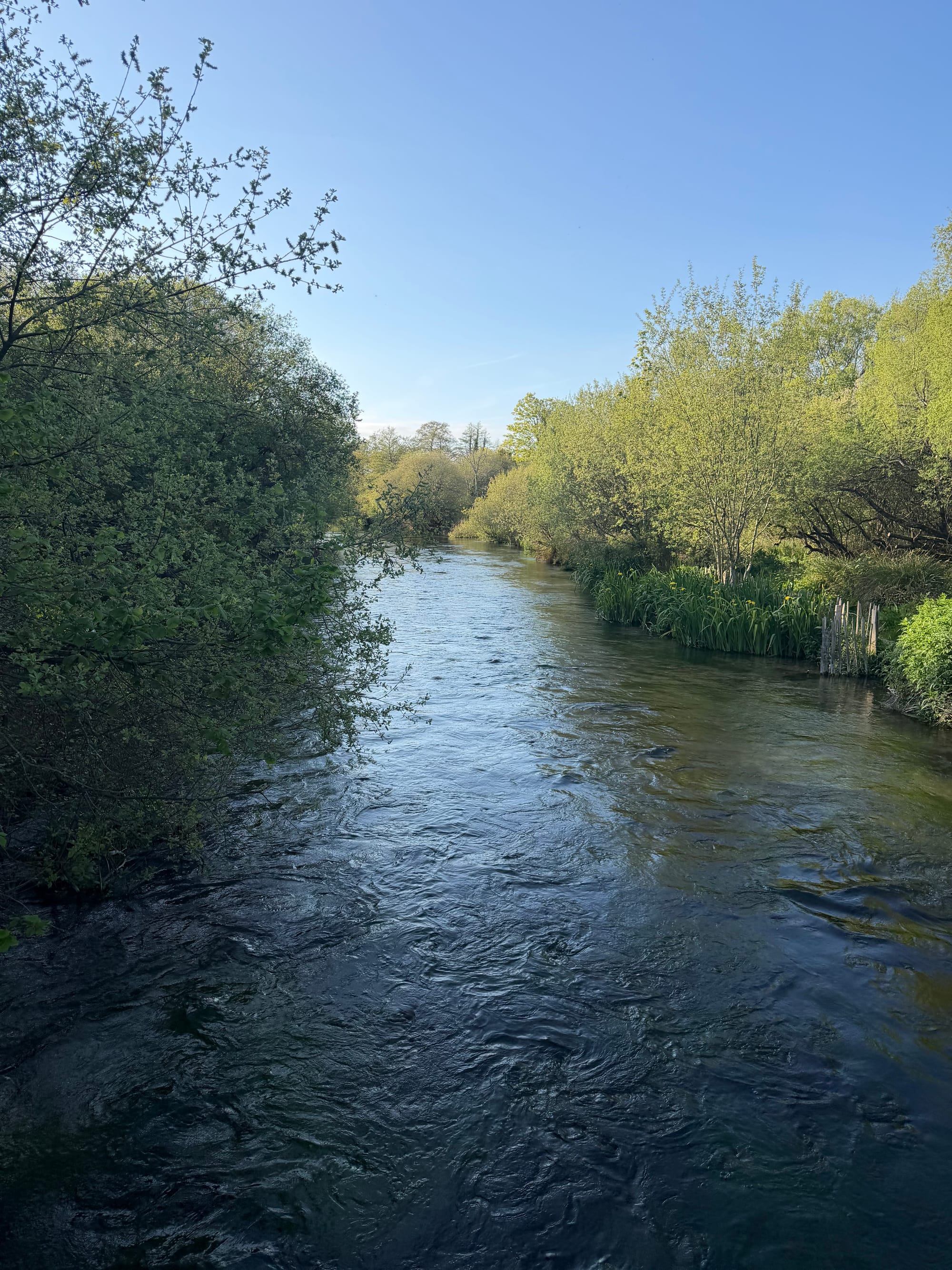
Standing by the Itchen, one becomes aware of a different kind of order.
The current does not conclude. It continues. The light does not fix itself in place. It shifts, refracts, returns. The trout hold themselves in the stream, not through effort, but through alignment with what moves around them.
Nothing here is reduced.
Nothing here is decided.
And yet, everything holds.
The river does not resolve thought. It slows it. It allows it to pass through something deeper, something that does not simplify, but steadies.
🪶 A Slower Thought
And so the problem begins to shift.
It is no longer simply that our thinking becomes unclear, or that our concepts require occasional repair. It is that we have become accustomed to a form of clarity that arrives too quickly, that moves too easily through structures we have not examined.
We trust what flows because it flows.
We assume that what carries meaning is capable of doing so.
The river suggests something more demanding.
That clarity, if it is to be trusted, must be slowed. Must be passed through something that can hold it, test it, alter it.
Beneath the surface, the chalk continues its quiet labour, unseen, uninterrupted.
The water moves on.
Whether it has been made capable of carrying what we ask of it is another question.