The Freedom of Solitude: A Dorset Reflection
“A man can be himself only so long as he is alone.”
— Arthur Schopenhauer
The day began not with cliffs or castles, but with adolescence and consequence.
In Weymouth Youth Court, I spent the morning listening to the small catastrophes of ordinary lives. Youth courts possess a peculiar sadness. Nothing there feels fully formed. Neither the defendants nor their futures. One senses not evil so much as confusion, impulsivity, immaturity, and the terrible fragility of becoming.
When the hearing finished, I drove east into the Dorset countryside.
Within an hour, legal argument gave way to open fields, ruined castles, chalk cliffs, and sea air. The landscape did not feel like an escape from reality so much as an extension of it. Dorset seemed filled with remnants of things that had endured collapse without disappearing entirely.
The roads narrowed as I drove inland. Hedgerows thickened against the lanes. Villages appeared briefly between folds of green hills before vanishing again behind trees and stone walls. Dorset possesses a peculiar silence, less empty than attentive. The landscape does not overwhelm you. It waits for you to notice it.
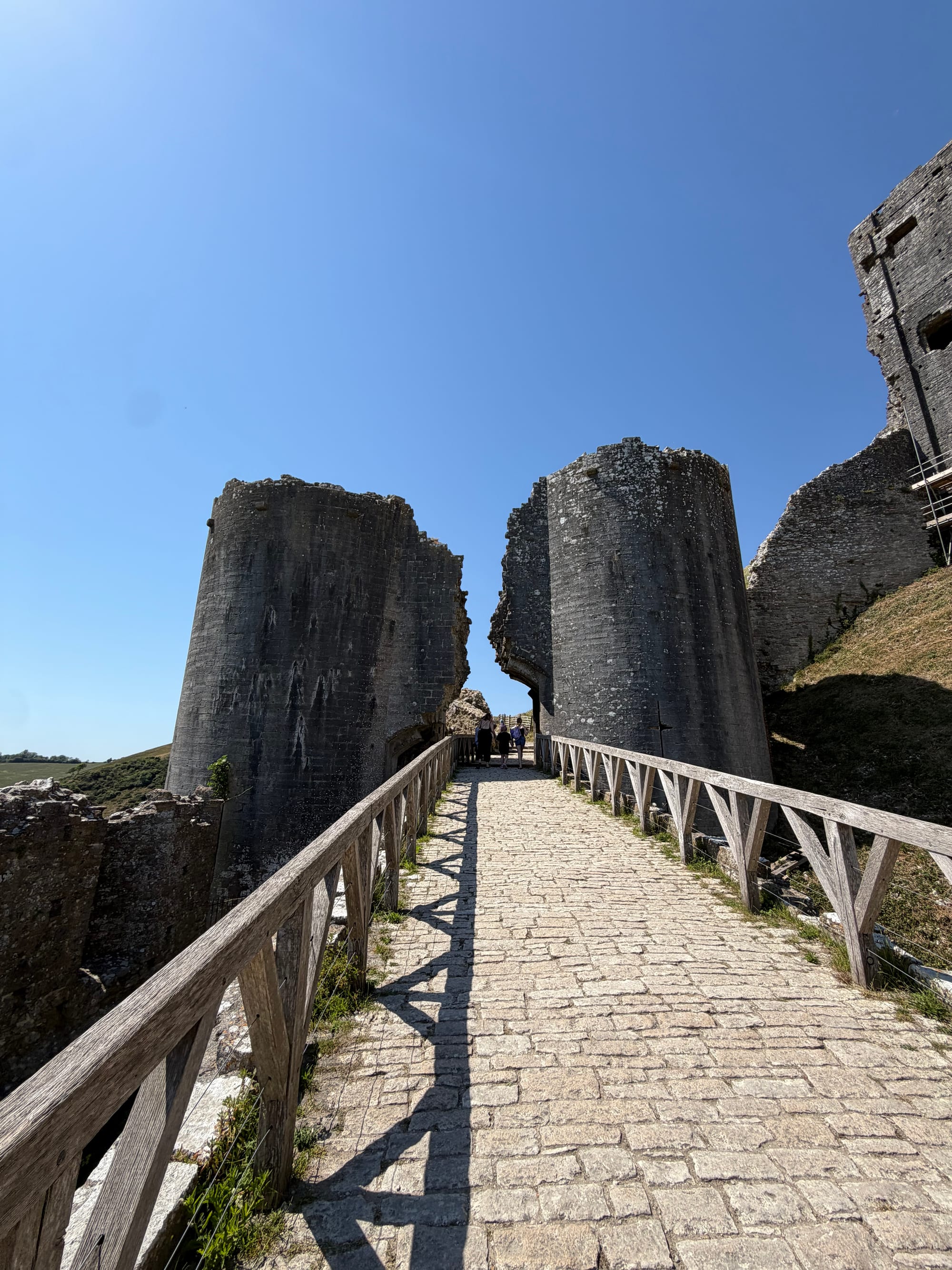
🏰 Corfe Castle and the Dignity of Ruin
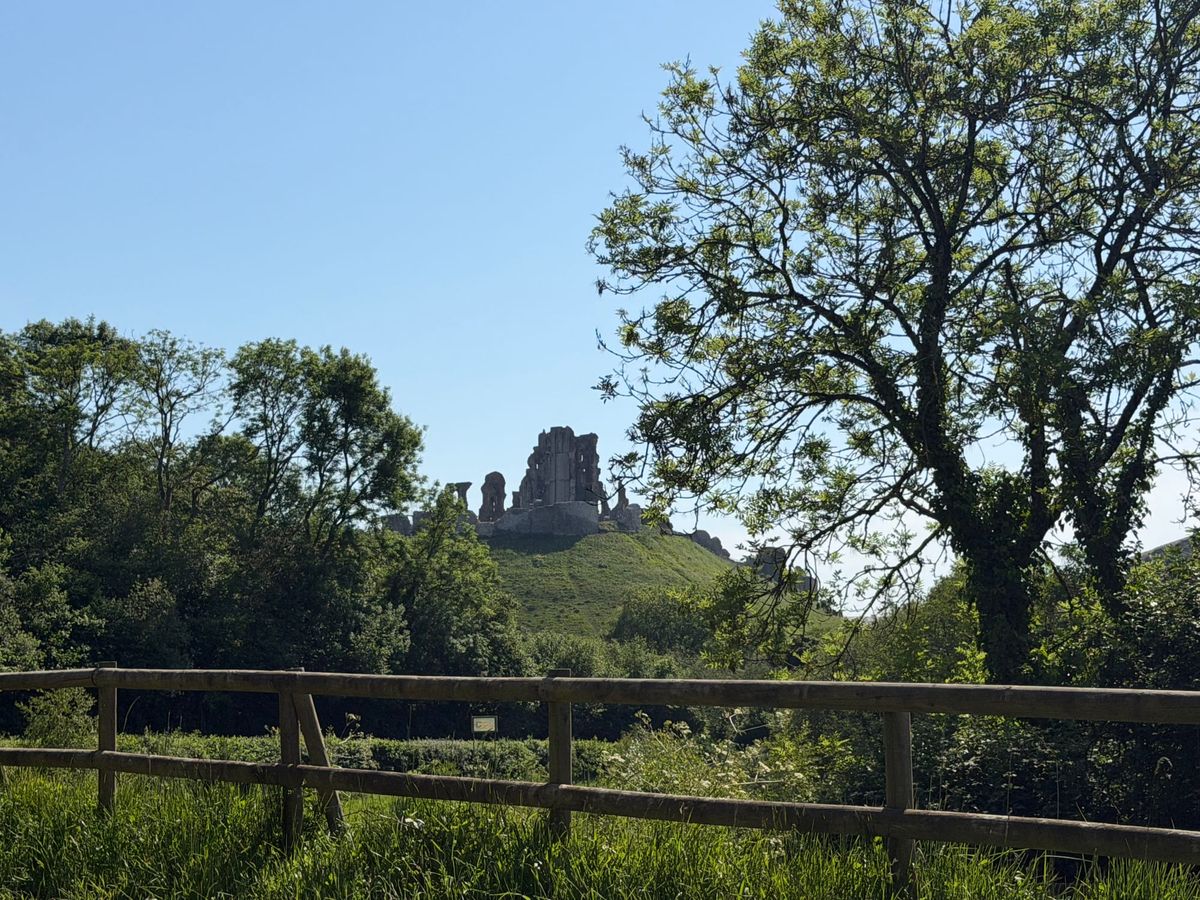
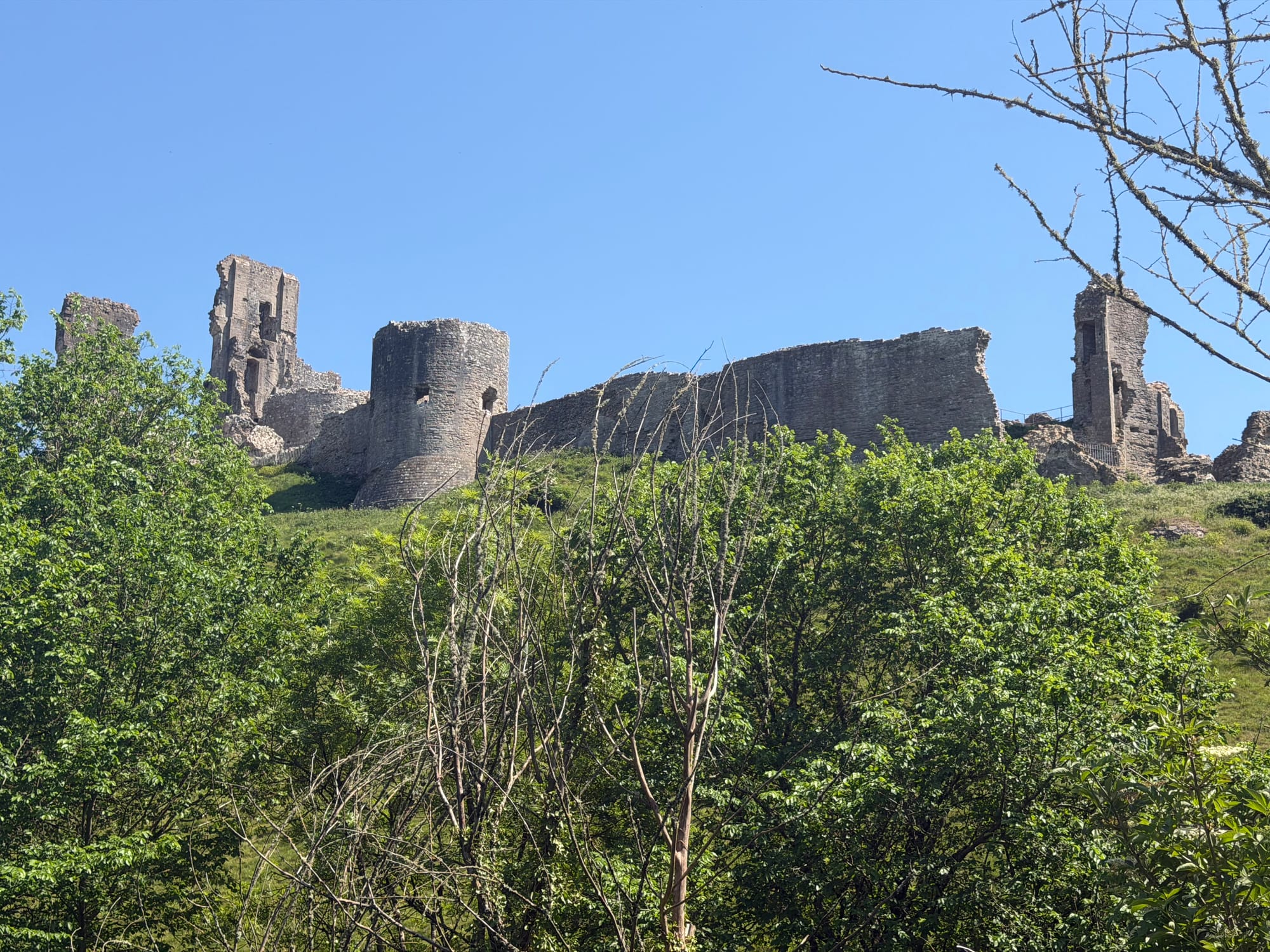
Corfe Castle rises above the Purbeck hills like the remains of a broken crown.
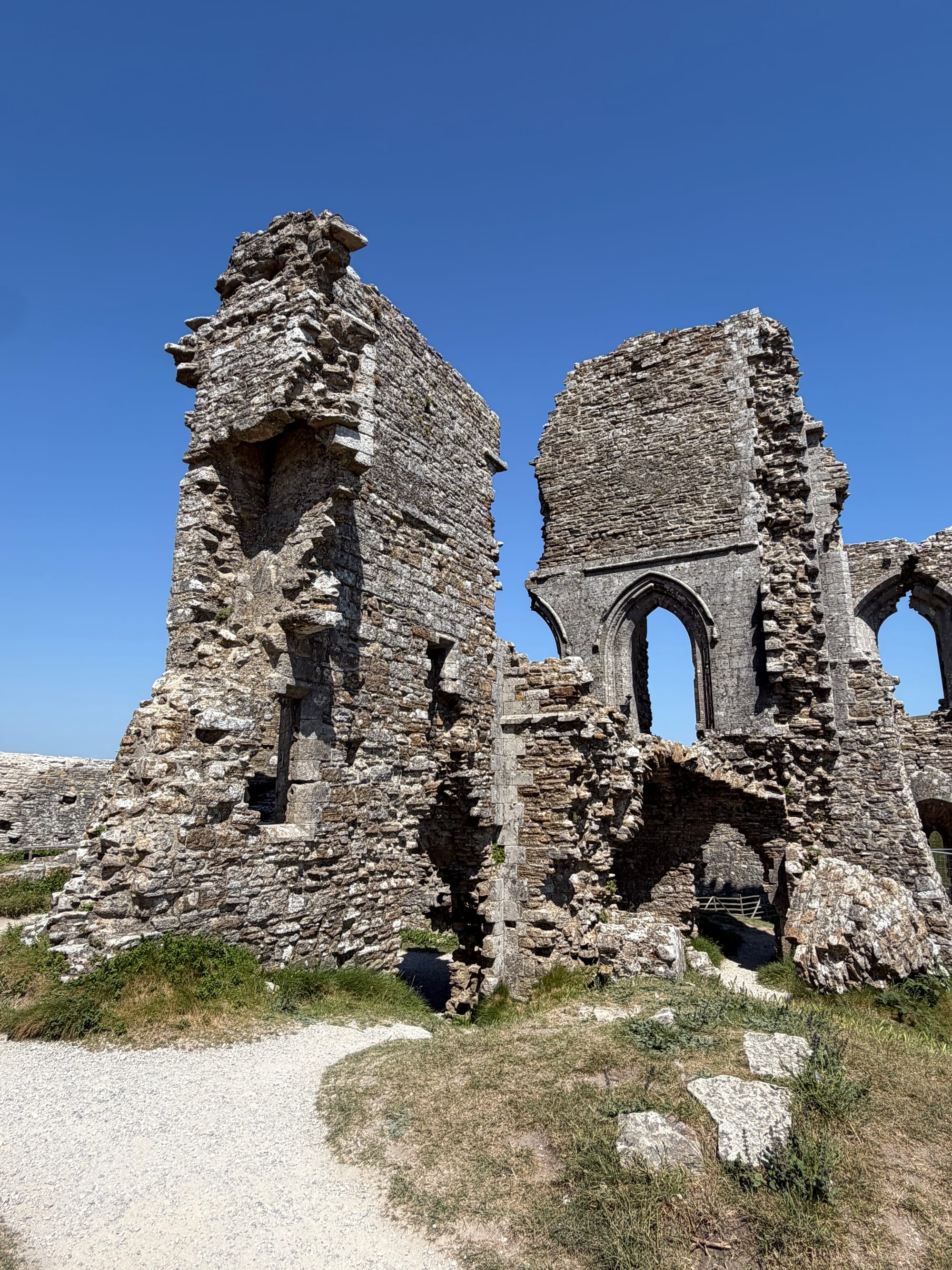
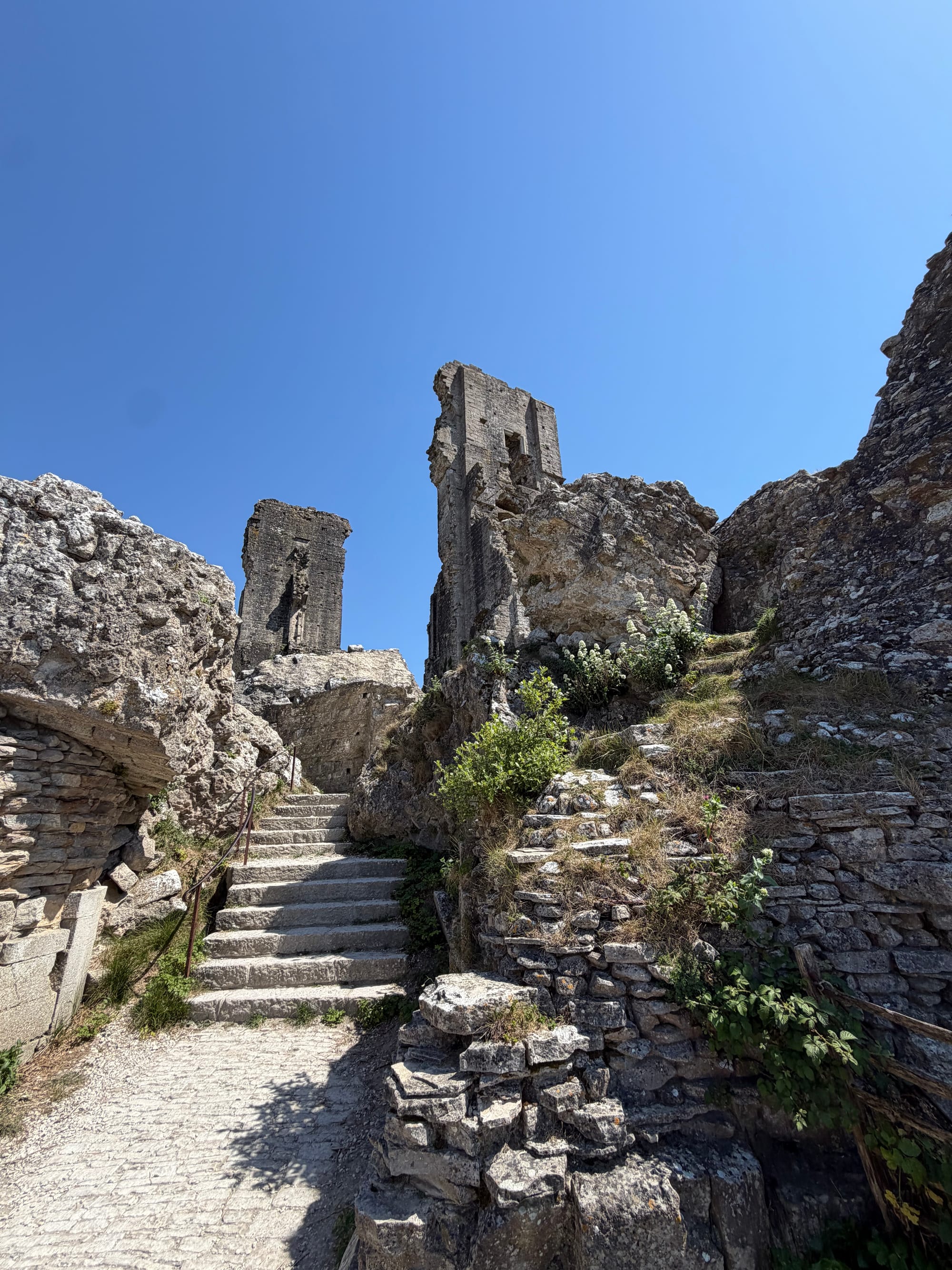
The ruined Norman walls lean against the skyline at impossible angles, fractured by civil war and centuries of weather. Sheep move quietly beneath the stone while trees gather around the hill as though nature itself had begun reclaiming history.
Standing within the ruins, looking through a narrow opening toward the countryside beyond, I found myself thinking not about kings or battles, but about fragility. Youth courts reveal how quickly lives can be damaged through immaturity, impulse, or circumstance. Yet Corfe suggested something hopeful alongside destruction: broken things may still endure.
England preserves ruins not despite their incompleteness, but because of it.
A restored castle speaks of power.
A ruined castle speaks of time.
Sunlight moved slowly across the stone while the wind carried distant sounds from the village below. Everything seemed shaped by patience rather than urgency.
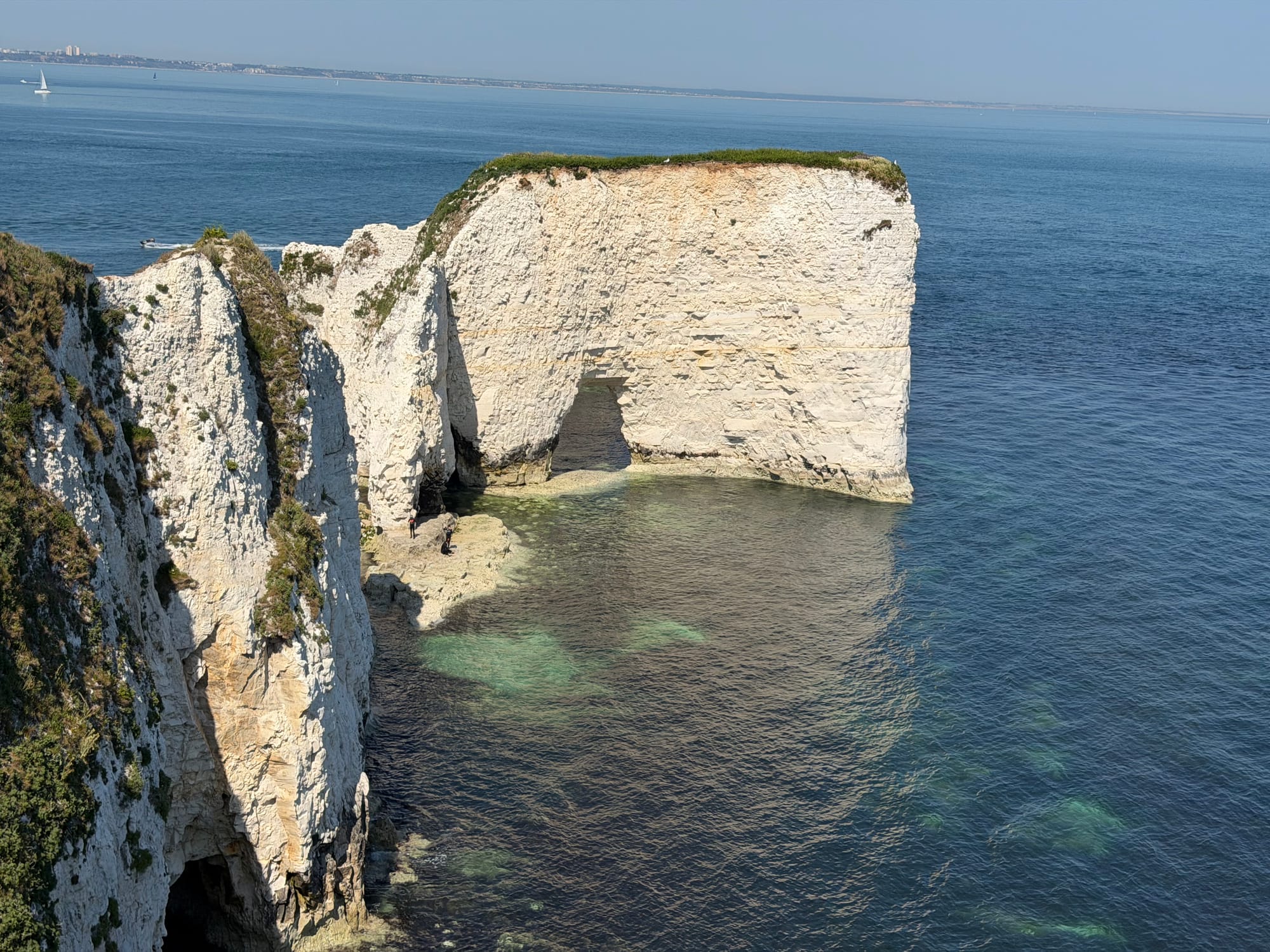
🌊 Old Harry Rocks and the Patience of Erosion
From Corfe I drove toward the coast.
At Old Harry Rocks, chalk stacks rose pale from translucent water while the horizon dissolved into the sky. The beauty of the coastline lay partly in the knowledge that the cliffs themselves are disappearing. The sea removes them slowly, grain by grain. The cliffs appear eternal precisely as they erode.
Walking the coast path alone, I thought again of Schopenhauer:
“For the more a man has in himself, the less he will want from other people.”
Certain places reward solitude because they restore attention. Walking beside the cliffs, hearing only wind and sea, I became aware of how rarely silence is allowed to remain silence. The path felt almost liturgical in its simplicity: footsteps following generations of footsteps beside water older than memory.
Perhaps solitude frightens people because it removes distraction. Alone, one is left with oneself. Yet Dorset never made solitude feel oppressive. The landscape seemed to enlarge inwardness rather than diminish it.
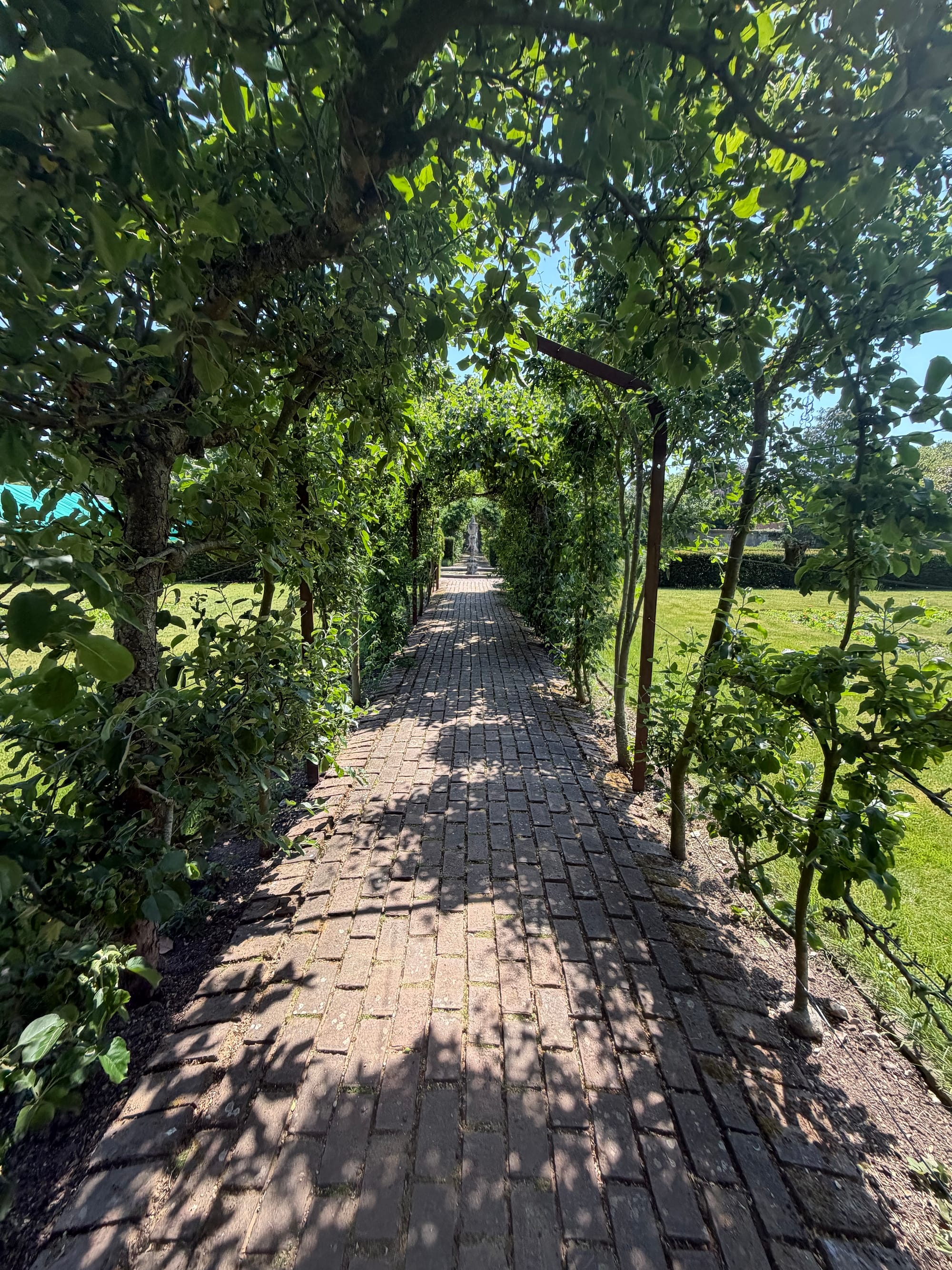
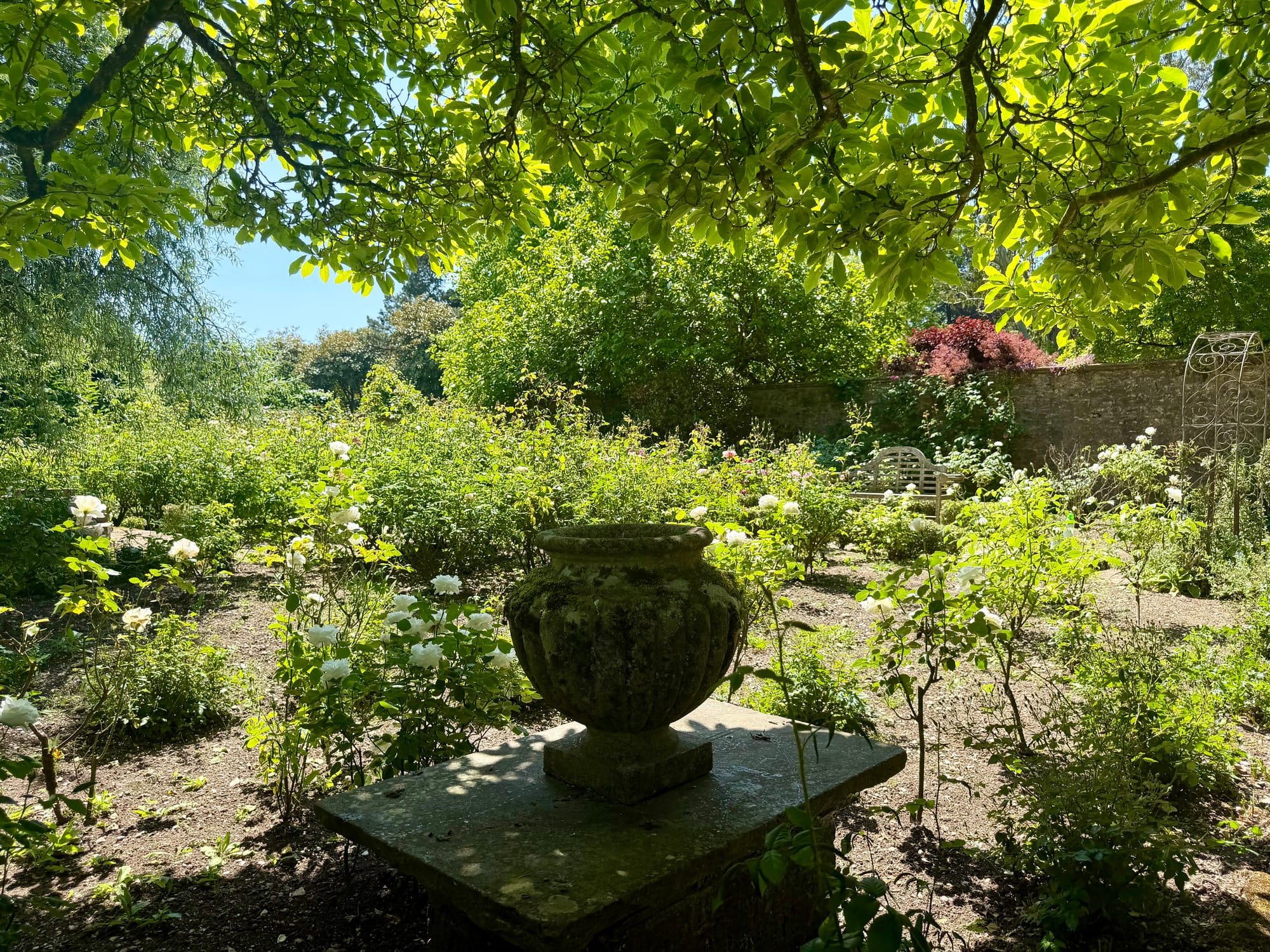
🌳 Athelhampton and the Discipline of Beauty
By late afternoon I arrived at Athelhampton.
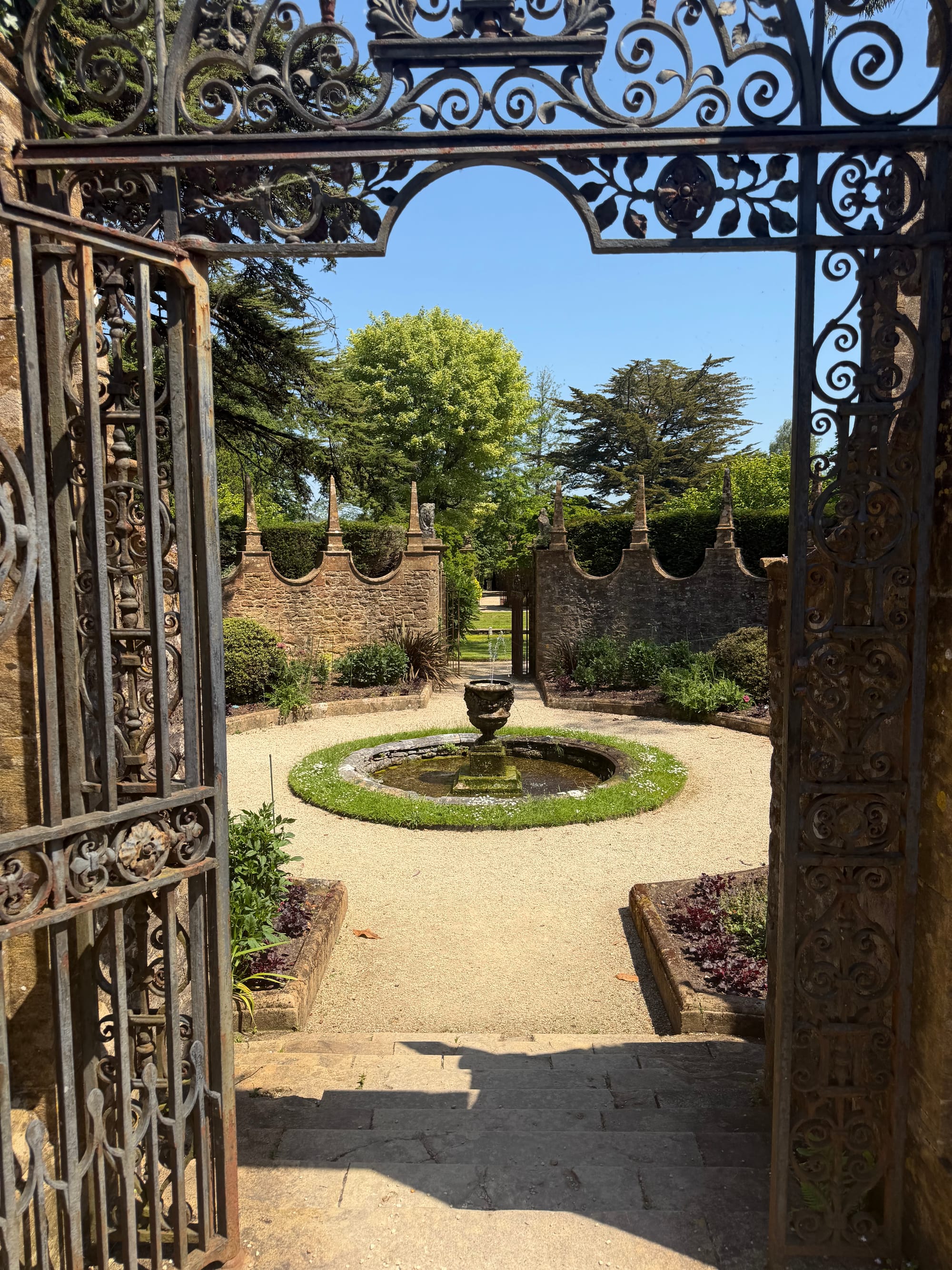
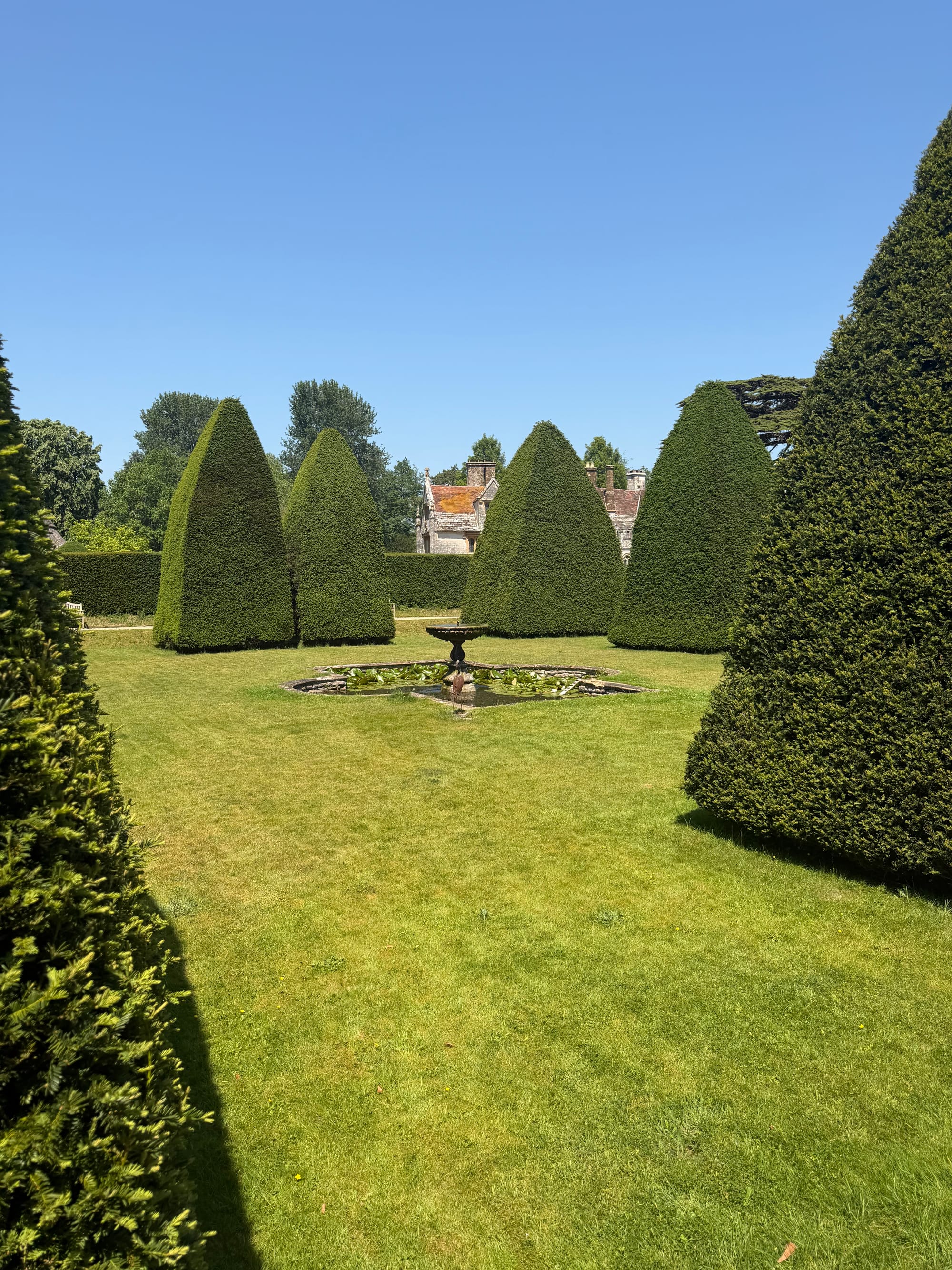
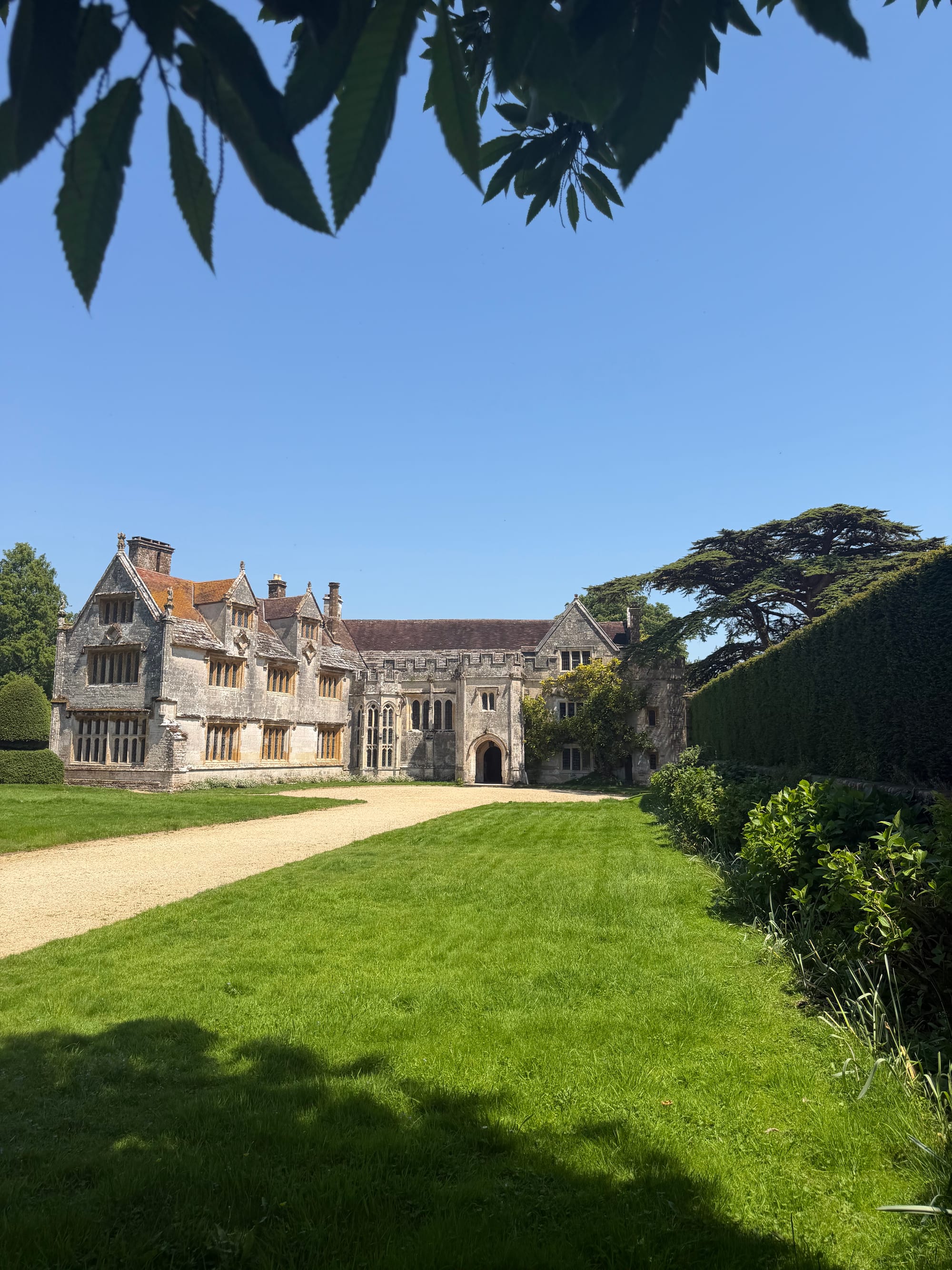
The manor house sat in profound stillness behind carefully ordered gardens and dark green topiary shaped into impossible forms. Everything there spoke of discipline: clipped hedges, symmetrical lawns, the geometric shaping of living things.
Gardens are negotiations with wilderness, attempts to impose form upon growth and transience. After the emotional unpredictability of the courtroom that morning, the ordered stillness of Athelhampton felt unexpectedly moving. Beauty itself can become a form of restraint.
Yet even there, time remained visible. Stone darkened with age. Shadows moved across the walls. Ivy pressed quietly against the edges of the house.
Nothing escapes erosion completely. But perhaps civilisation at its best consists in the continual effort to create beauty despite impermanence.
🍃 Cerne Abbas and the Things We Cannot Erase
My final stop was Cerne Abbas.
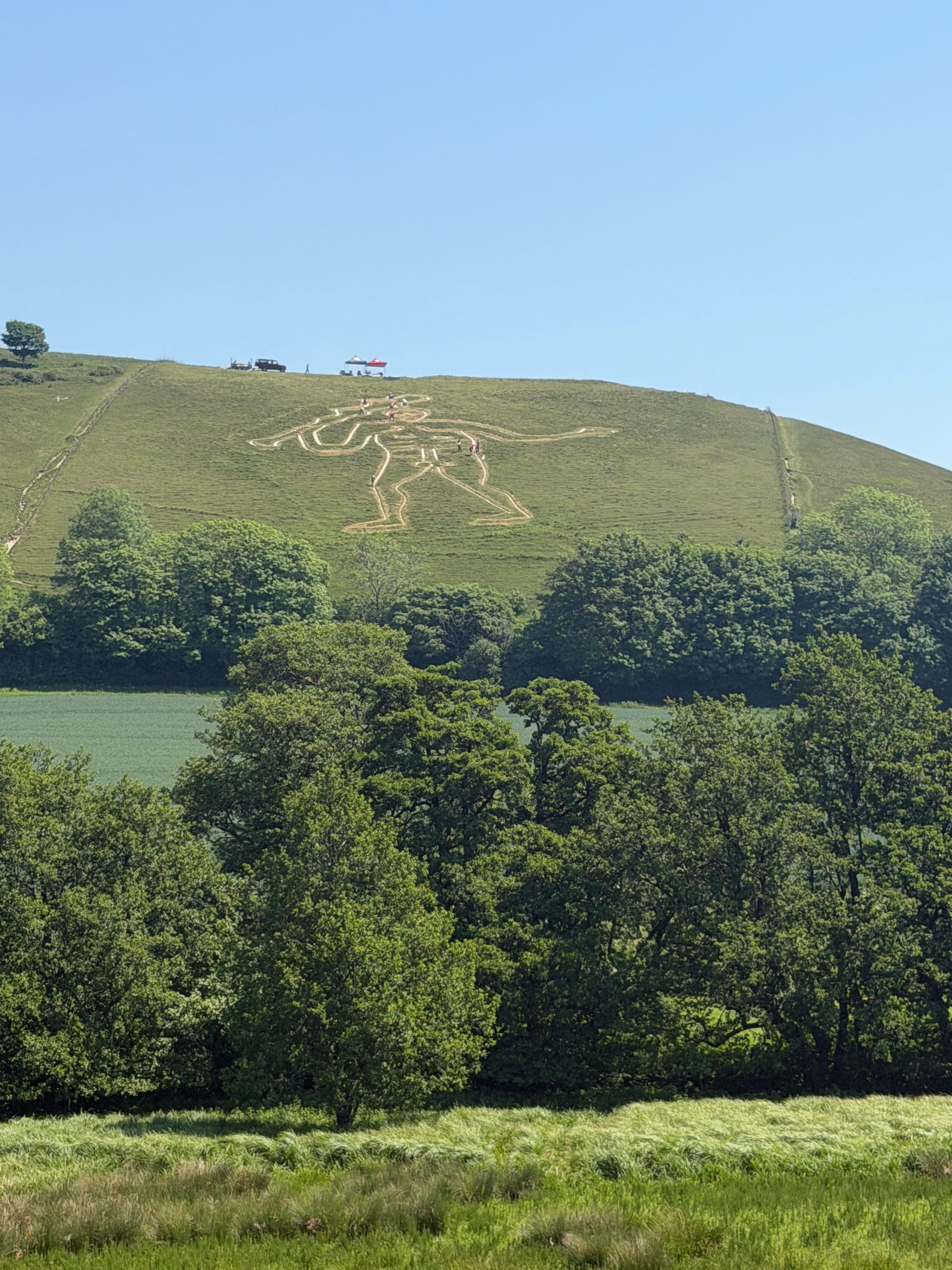
Across the hillside the chalk Giant appeared suddenly, absurd and ancient all at once. What fascinated me most was not the mystery of its origins, but the fact that it survived at all.
Civilisations rarely erase themselves completely. Beneath official histories remain older instincts, symbols, and inheritances that continue shaping culture long after their meanings become uncertain.
Looking across the valley toward the Giant, I thought of Kant’s words:
“Enlightenment is man’s emergence from his self-imposed immaturity.”
The line felt relevant not only to the morning in court, but to the entire landscape I had crossed throughout the day.
Ruins attempting permanence.
Gardens attempting order.
Cliffs surrendering slowly to time.
Ancient symbols surviving beneath modernity.
Different layers of civilisation existing simultaneously within the same landscape.
🌿 The Quiet Necessary for Thought
Driving back toward Winchester in the evening light, Dorset no longer felt merely beautiful. It felt clarifying.
The day had begun among young lives struggling with freedom and consequence. It ended among ruins, cliffs, gardens, and chalk figures asking the same questions in different forms: What survives erosion? What remains when illusion disappears?
Schopenhauer was right that solitude is tied to freedom. Only in silence does one begin hearing the shape of one’s own thoughts clearly.
Perhaps that is why certain landscapes remain with us long after we leave them. Not because of what we saw there, but because of the version of ourselves briefly recovered within them.
Dorset did not offer escape.
It offered perspective.