Kumano and the River That Remains
🌊 The People We Used to Be
「ゆく河の流れは絶えずして、しかももとの水にあらず」
The river flows without ceasing, and yet its water is never the same.— Kamo no Chōmei, Hōjōki (1212)
🌊 Returning to the River
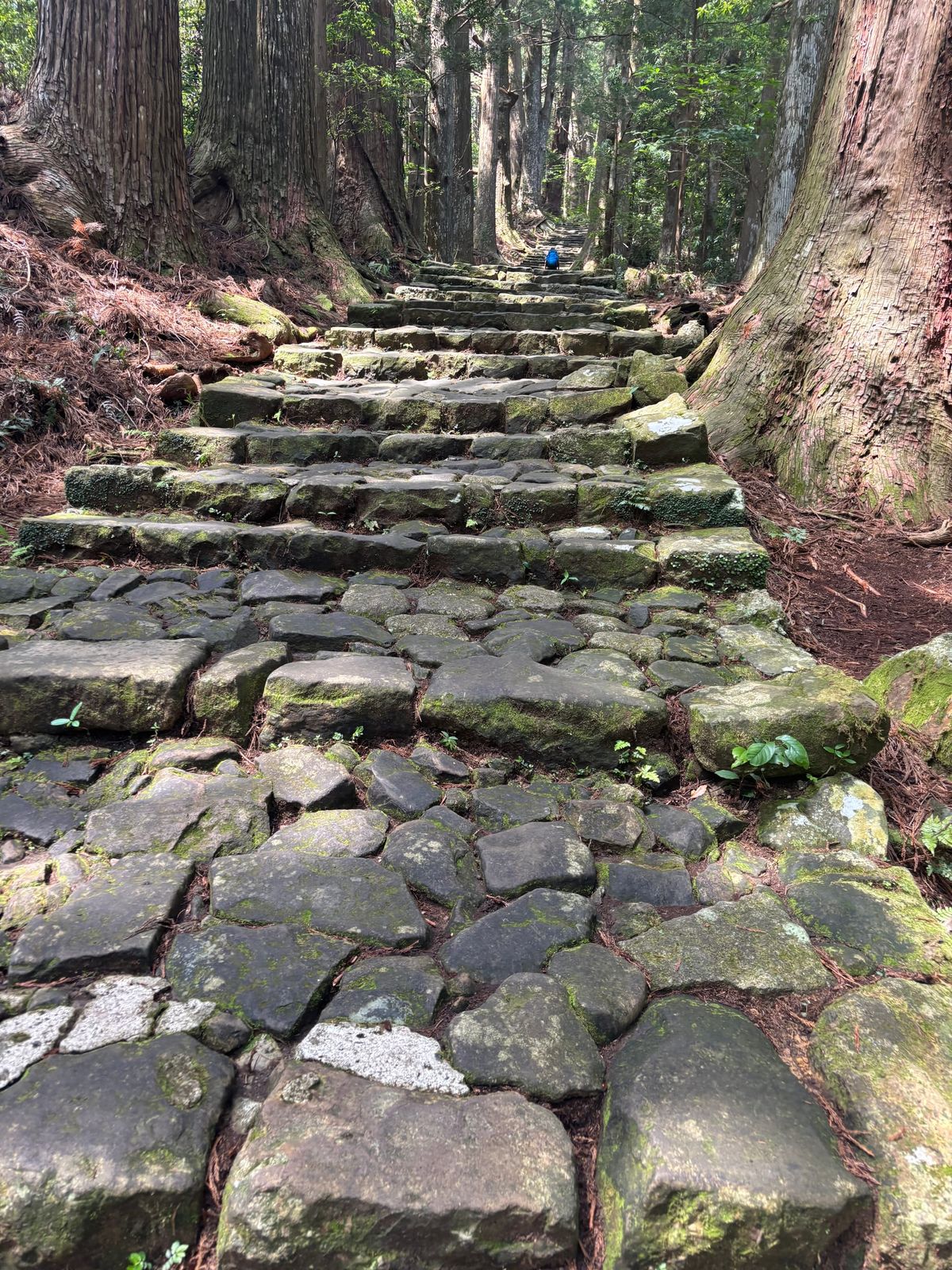
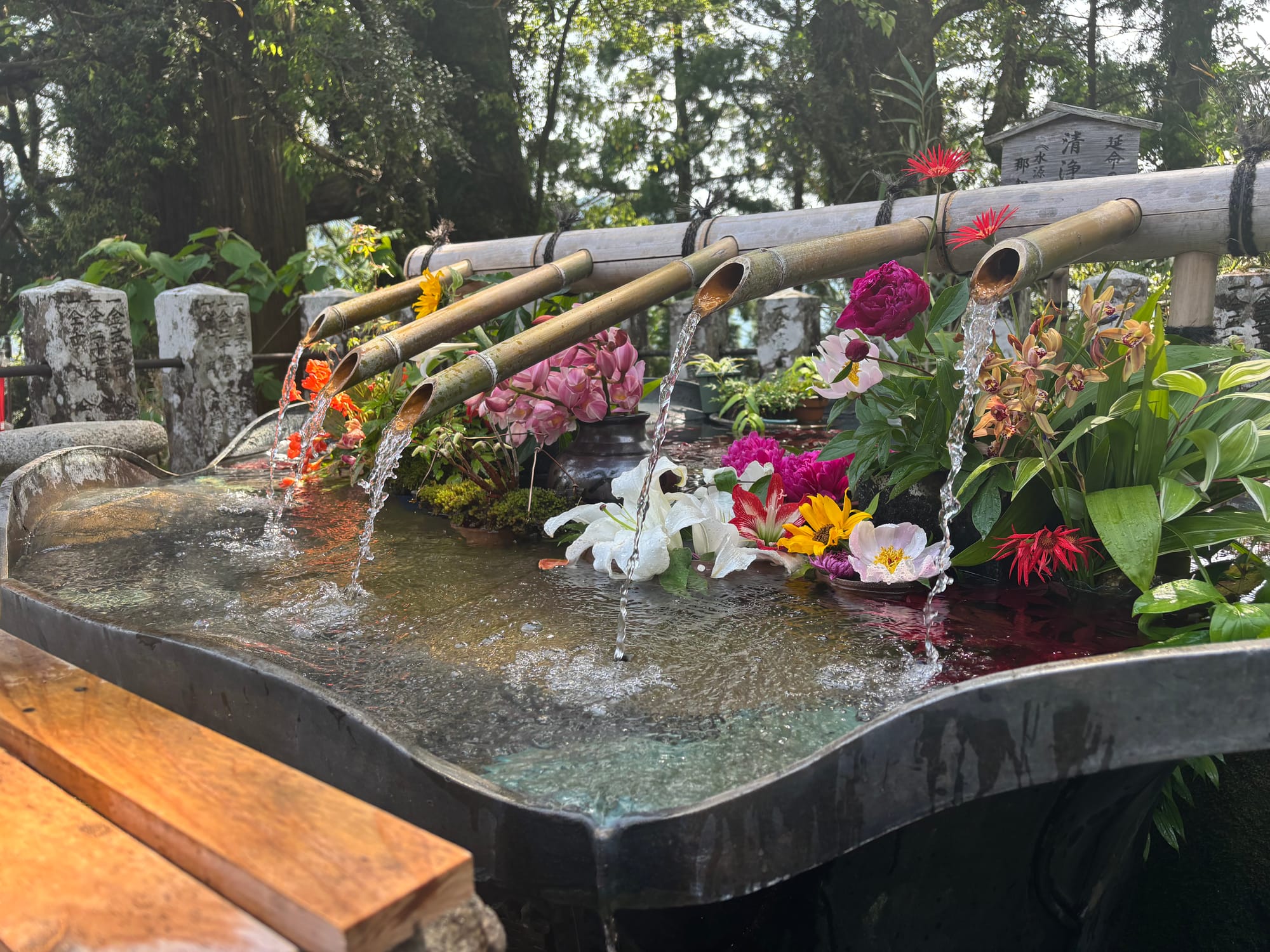
Over a year ago, after walking the Kumano Kodo, I wrote about Chōmei’s river. I took its ceaseless flow to mean that everything passes: places, friendships, the selves we thought we would always be. On the trail, beneath the cedars and beside the shrine waters, the thought seemed almost peaceful. Walking gave each day a direction and asked very little of me beyond attention.
I have returned to that piece after a year. What unsettles me now is how untidily things pass. Someone can leave your life yet appear on your phone tomorrow. Another person, whom you have not seen in years, may still remember you more vividly than you remember yourself at that age. We change and move on, but the lives we have lived do not vanish at the same pace.
The river keeps going. Its waters do not all arrive at the sea together.
🪞 The Selves We Leave Behind
Someone who knew you at sixteen remembers a way you laughed before you became conscious of it. A friend recalls an insecurity you have learnt to conceal. Someone you once loved may remember you as you were during a difficult year, when even you could not have explained why you behaved as you did.
You might wish to correct them. You might want to say that you are more patient now, or less afraid; that what they saw was real, but it was not all there was to see. Usually, no such conversation takes place. They go on carrying the person they knew, while you go on living beyond the point at which their knowledge ends.
There is a tenderness in this that I would not want to lose. An old friend can remind you of a hope you had forgotten, or a small kindness you gave without knowing it mattered. They might remember you before an experience that changed you, and greet that earlier person with an affection you can no longer quite feel for them yourself.
Yet you have no control over where these former selves endure. You are the confident colleague in one person’s memory and the frightened child in another’s. You are someone’s first love; to somebody else, you are the person who disappointed them. Even if you have worked hard to change, a version of you remains in the lives of people who were not there to witness the work.
Perhaps that is why meeting someone after many years can be so strange. They say your name in an old way, and for a moment you feel the person they expect you to be returning. You find yourself making a familiar joke or speaking with an assurance you no longer possess. Then the moment passes. You have a whole life to tell them about, if there is time and if either of you knows where to begin.
📱 When Absence Became a Choice
Once, there were more partings after which news became rare. A friend moved away. A relationship ended. You might hear from them, or about them, but you could not casually watch their ordinary days unfold. Their absence could be painful. It could also give you stretches of time in which to grow accustomed to the life you now had.
You stopped expecting them at the places you went together. You noticed something they would have liked and, later, noticed that you had gone a whole day without thinking of telling them. Slowly, without any decision to forget, their life ceased to accompany yours so closely.
Now an old lover appears on your phone at a birthday dinner. A childhood friend lives abroad, but you see their house, their holidays, their children growing older. They are still there, only a few movements of your thumb away.
It can feel reassuring to know that they are well. It can also make a separation strangely hard to believe. You see someone smiling in a room you have never entered and realise that you have no place in the life surrounding the photograph. You know what they did on Saturday, but you no longer know what they worry about, which friend they call when something goes wrong, or whether they would welcome a call from you.
We have not eliminated absence. We have made one kind of absence harder to receive. You can still stop looking, of course. But that asks something of you precisely when you may be lonely or curious. Distance once left room for a relationship to settle into the past. Now we often have to make that room ourselves.
Meanwhile, the other person may be watching your life from afar. You can both see that the other has changed without knowing what brought the change about. Each remains partly caught in the other’s memory, even as new photographs offer glimpses of a stranger.
⛩ A Path Without an Audience
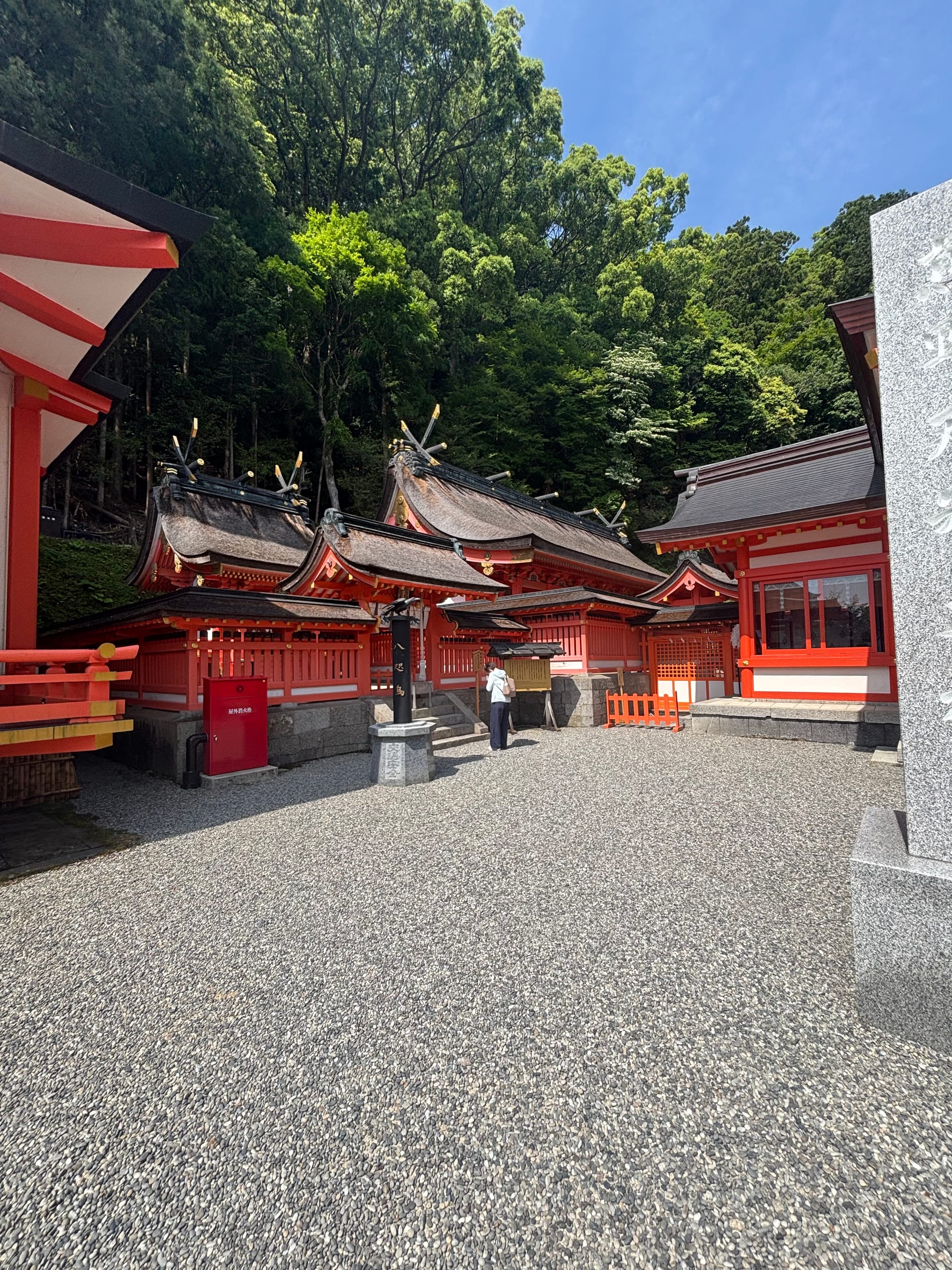
I remember the relief of walking at Kumano and letting the day take its shape from the path. There was the next climb, the shade of the trees, water at a shrine. For a while, the people elsewhere could simply be elsewhere. I did not have to find out where they were or decide whether it was better not to know.
When I first wrote about the walk, I imagined that something of my old self had dissolved there. I think I was asking rather a lot of a path. The people who knew me before would still recognise the person they had known. What the walk gave me was more modest: time in which I could attend to my own life without constantly looking into everyone else’s.
That kind of absence matters. It lets us miss someone, rather than repeatedly encounter a fragment of them. It gives a new life some space to form before we are asked to explain it to people from the old one.
But I would not want a world in which every former self could be discarded. I am glad there are people who remember things about me that I have forgotten. I suspect we each need such witnesses, even when their recollections embarrass us. No one else sees the whole of a life, but neither can we see it all from within.
🕯 The Last Time a Story Is Told
Their memories will not last forever.
Somewhere, a story about you may still be told whenever two old friends meet. Perhaps it concerns a meal that went wrong, something foolish you said on a train, or the night you all got lost. It is too slight for anyone to have written down. Its details survive because the friends enjoy telling it to one another, disagreeing over a word or arriving together at the part that makes them laugh.
One day they will tell it for the last time. There will be no sign that anything has ended. They may finish laughing and begin another story. Years later, an old photograph might still show the three of you together, though nobody looking at it will know what happened that night.
This is the strange thing about all we can now preserve. Photographs remain. Messages sit in old conversations. A person’s face can still appear on a screen long after you have ceased to know them. Yet the small, unwritten stories that made a friendship particular can be lost while everyone in them is still alive. A joke is told less often. Someone forgets the detail that made it funny. Eventually nobody thinks to tell it.
I once read Chōmei’s river as a warning that everything would be swept away. Returning to it, I think of how long a person can remain in sight after the life you shared has gone. And then I think of a story, told somewhere for the last time, by people who have no reason to know it will not be told again.
The photograph remains. The river moves on.