The Past Before Us
🌿 The Past Arranged, Broken, and Lived
There are days that do not yet belong to what follows them.
Days that sit just before something begins, without announcing it, without preparing you for it. They pass almost unnoticed, and only later take on the weight of a threshold.
This was one of them.
The next day, I would be on my feet in Exeter. But this came before that. Before speech, before responsibility had quite settled into the body. It was, though I did not know it then, a journey that belonged to what precedes.
And so I walked.
Stourhead.
Wardour.
Sherborne.
Not as a plan, but as a movement I only understood afterwards.
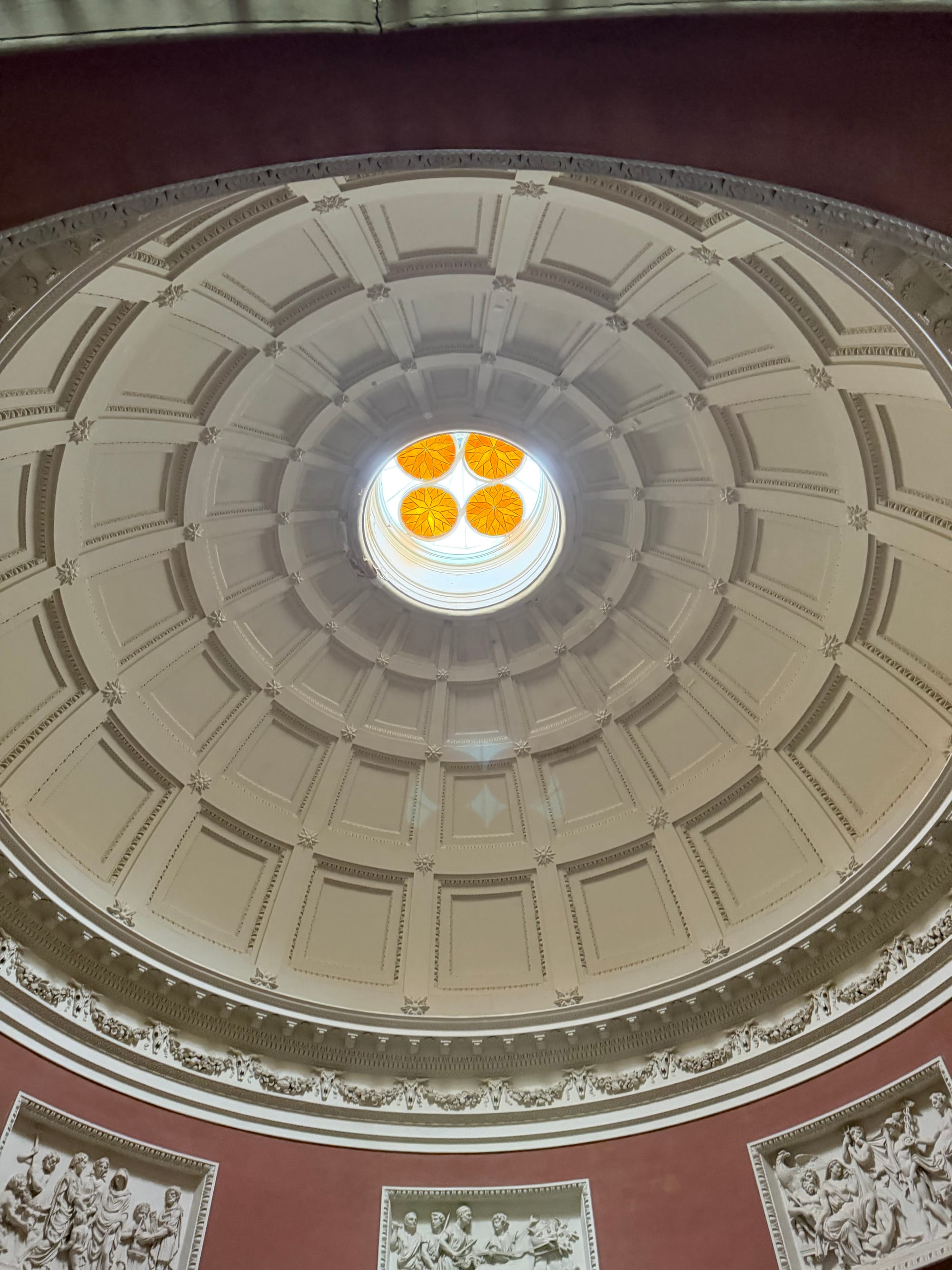
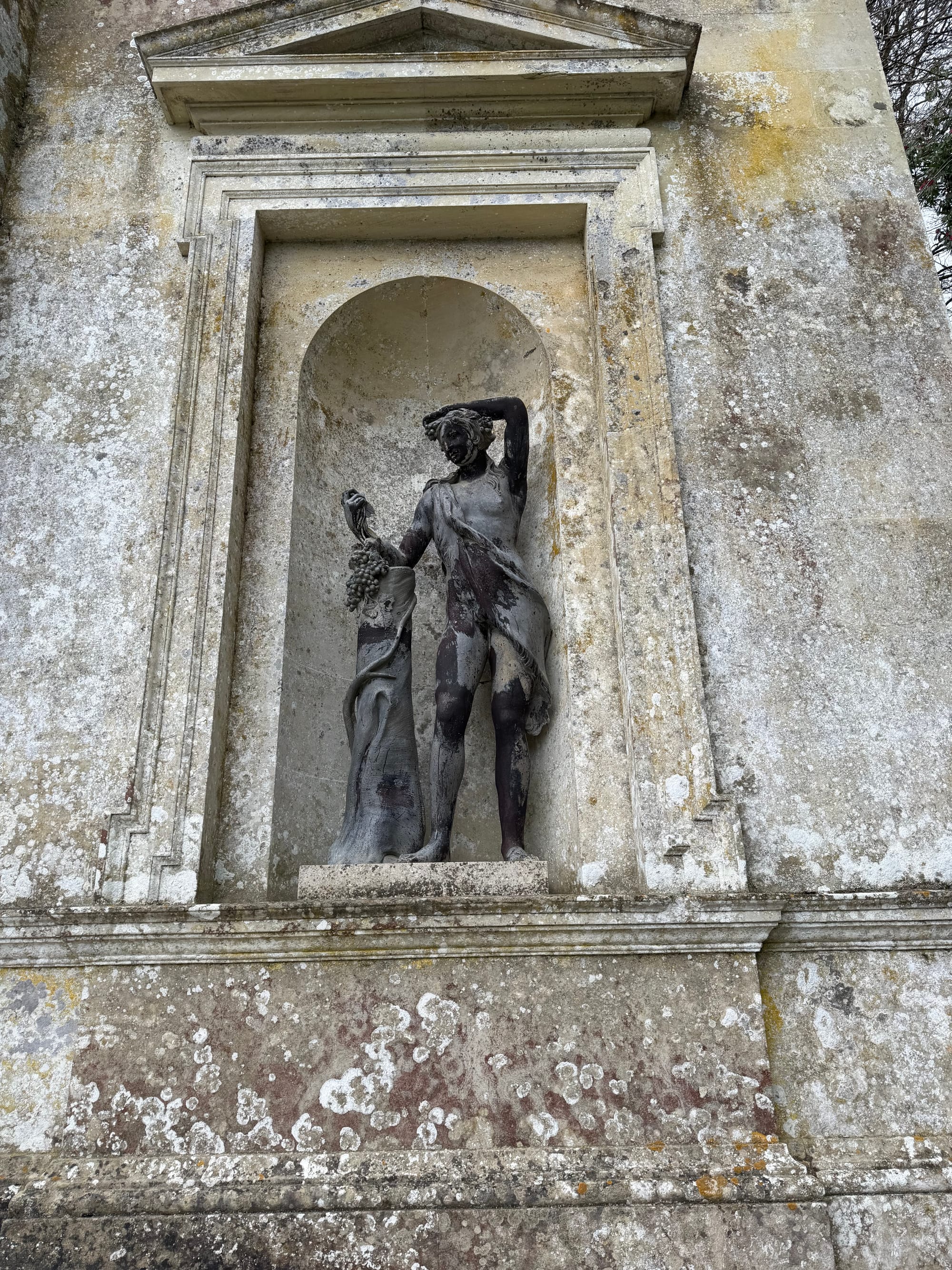
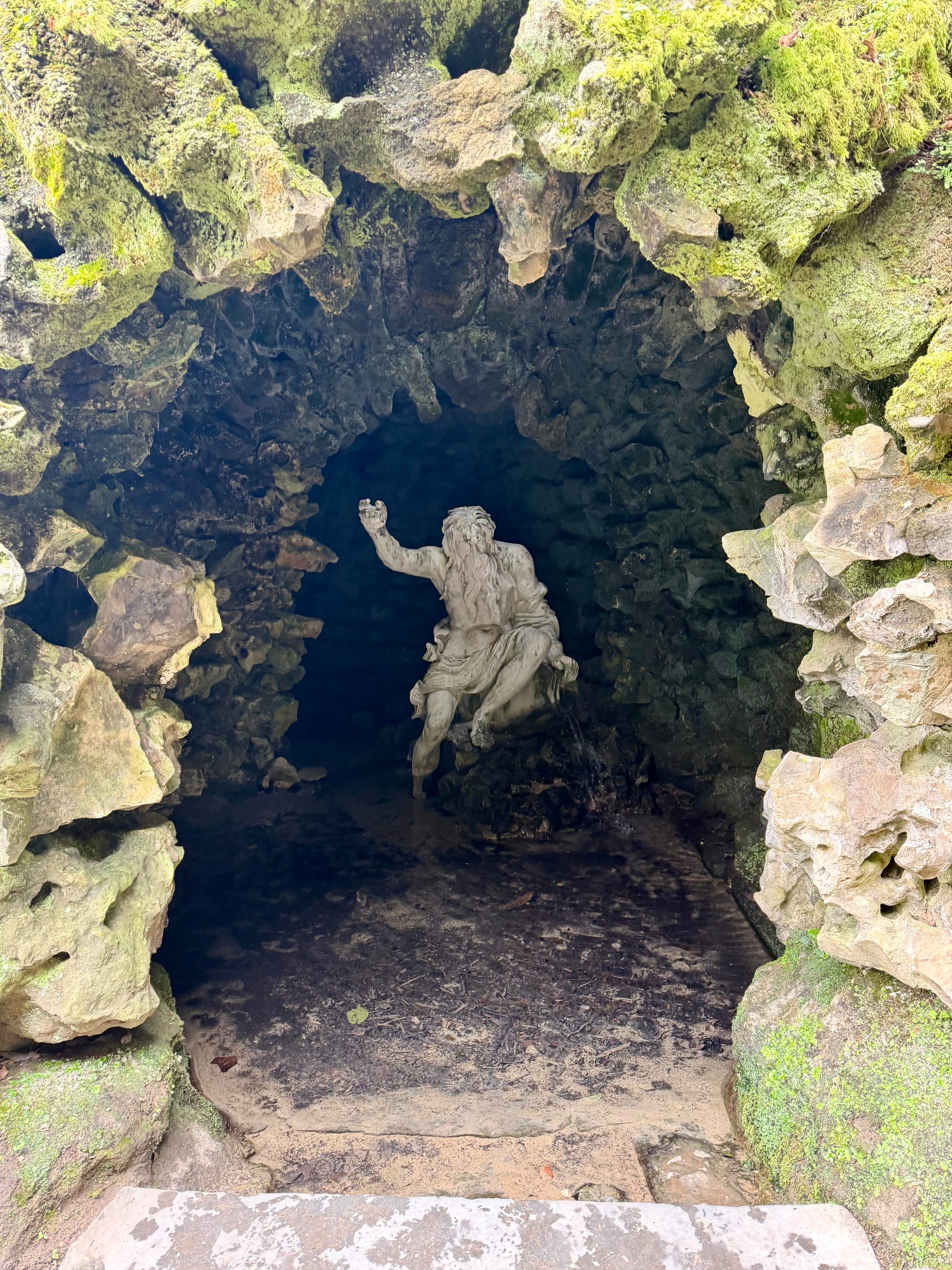
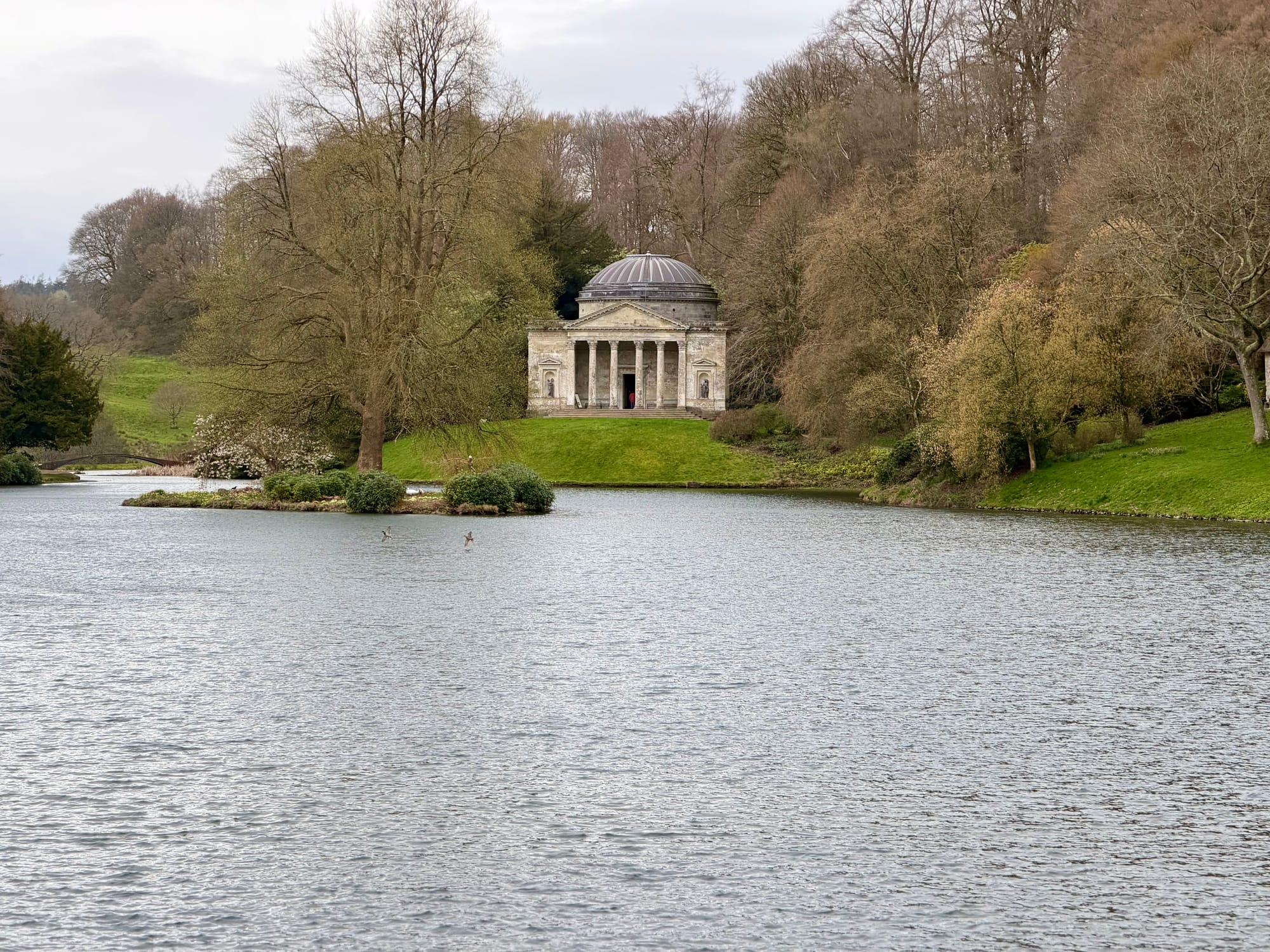
🌿 Stourhead — the past arranged before us
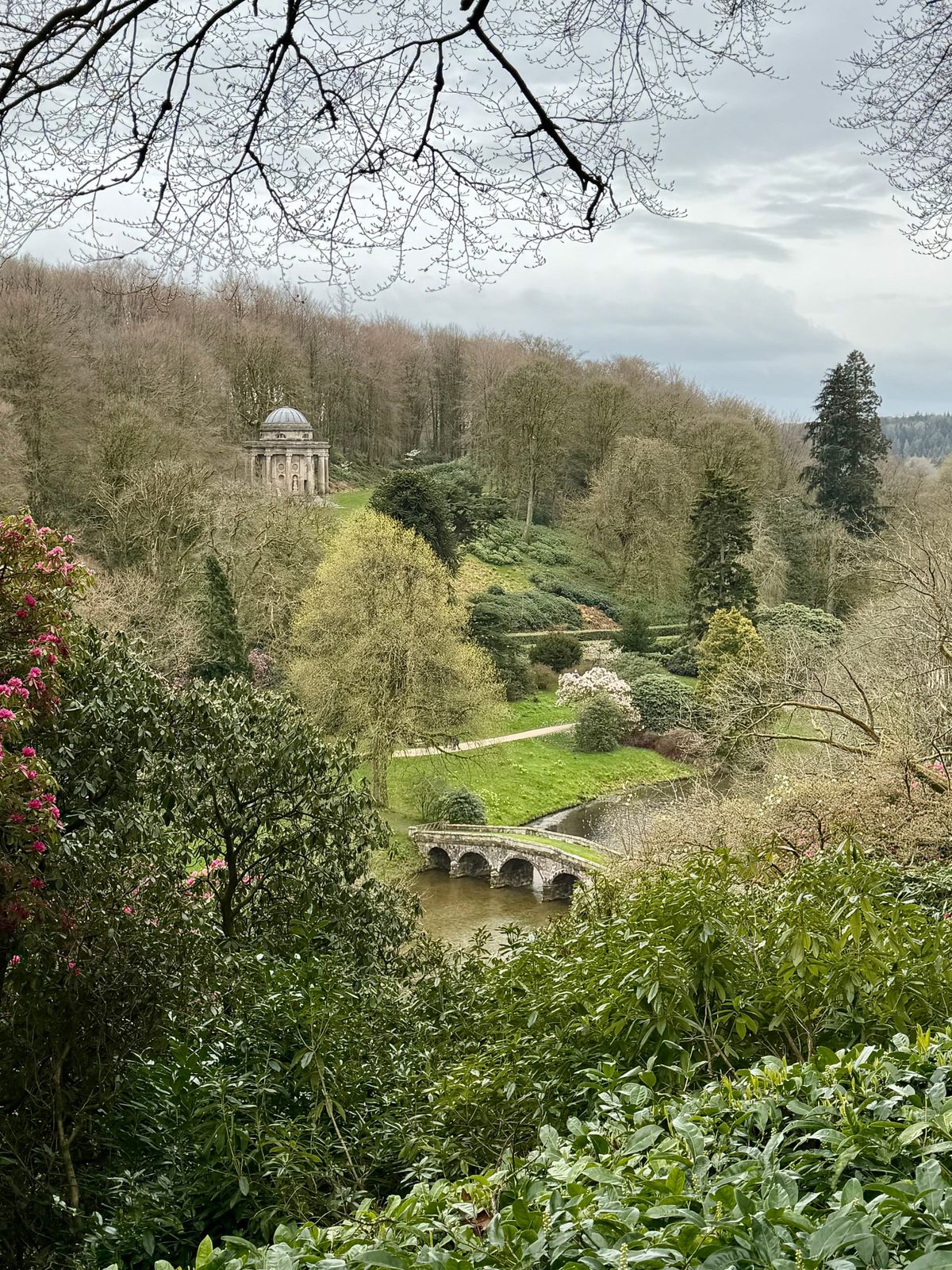
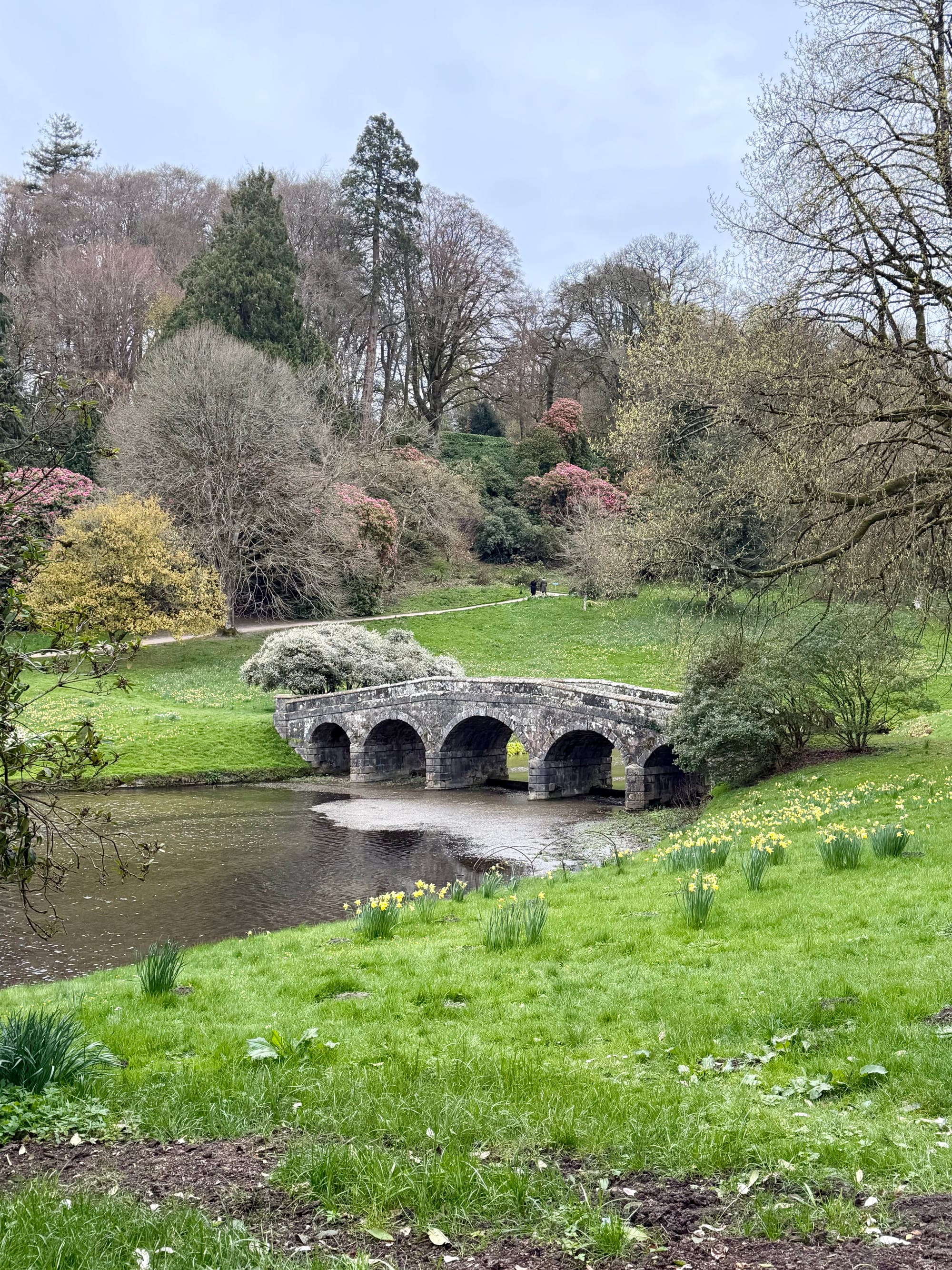
At Stourhead, the past stands before you.
Not as it was, but as it has been prepared to appear.
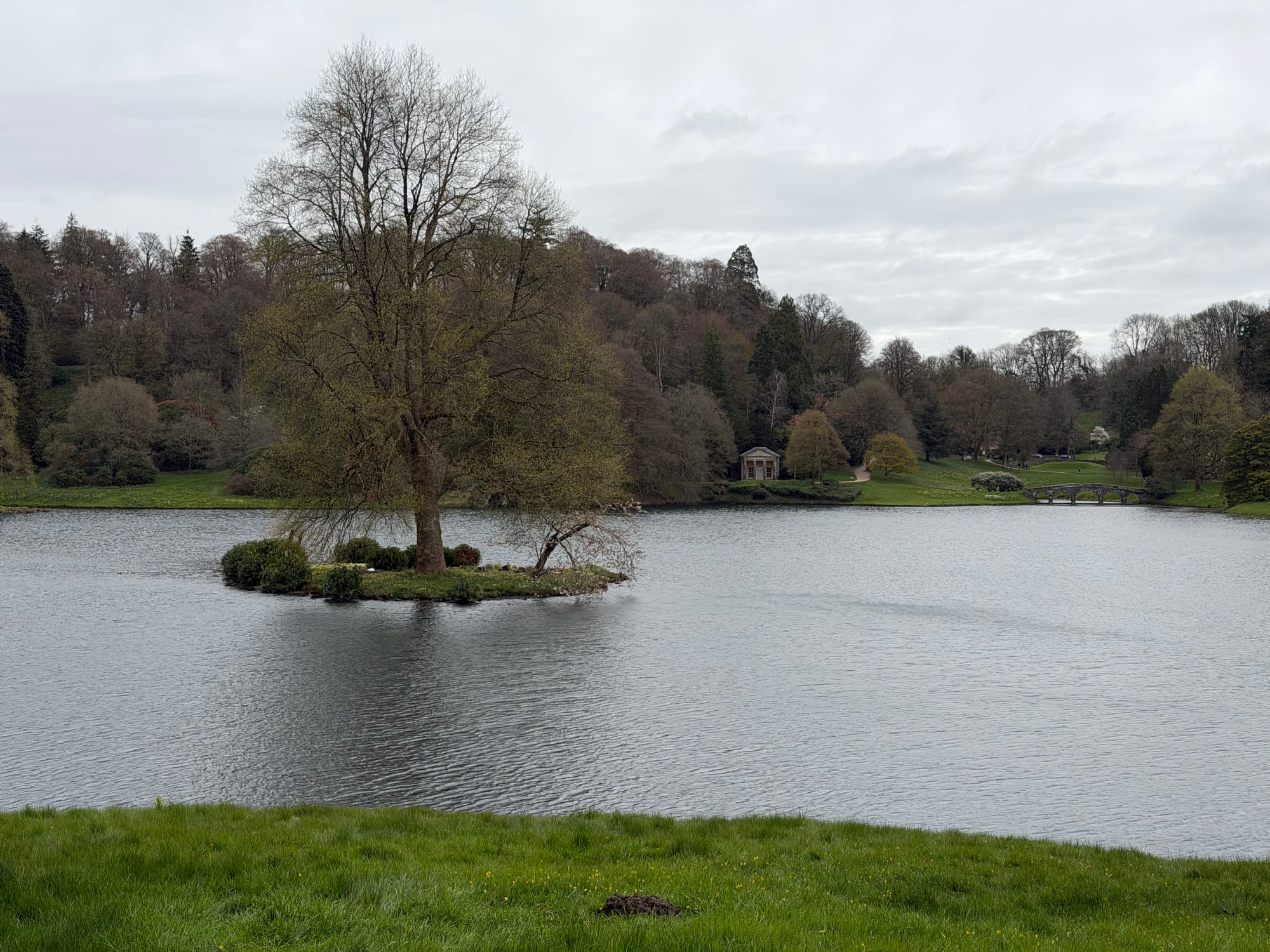
The lake curves with a kind of inevitability. The temples wait where they are meant to be seen. Even the shadows seem composed. Nothing interrupts. Nothing exceeds what has been arranged.
There is an older sense of time, present already in Homer, in which the past is not something left behind but something that stands before us, visible, approached rather than recalled. You do not turn to look at it. You walk toward it.
Stourhead understands this instinct perfectly.
And yet I found myself unmoved.
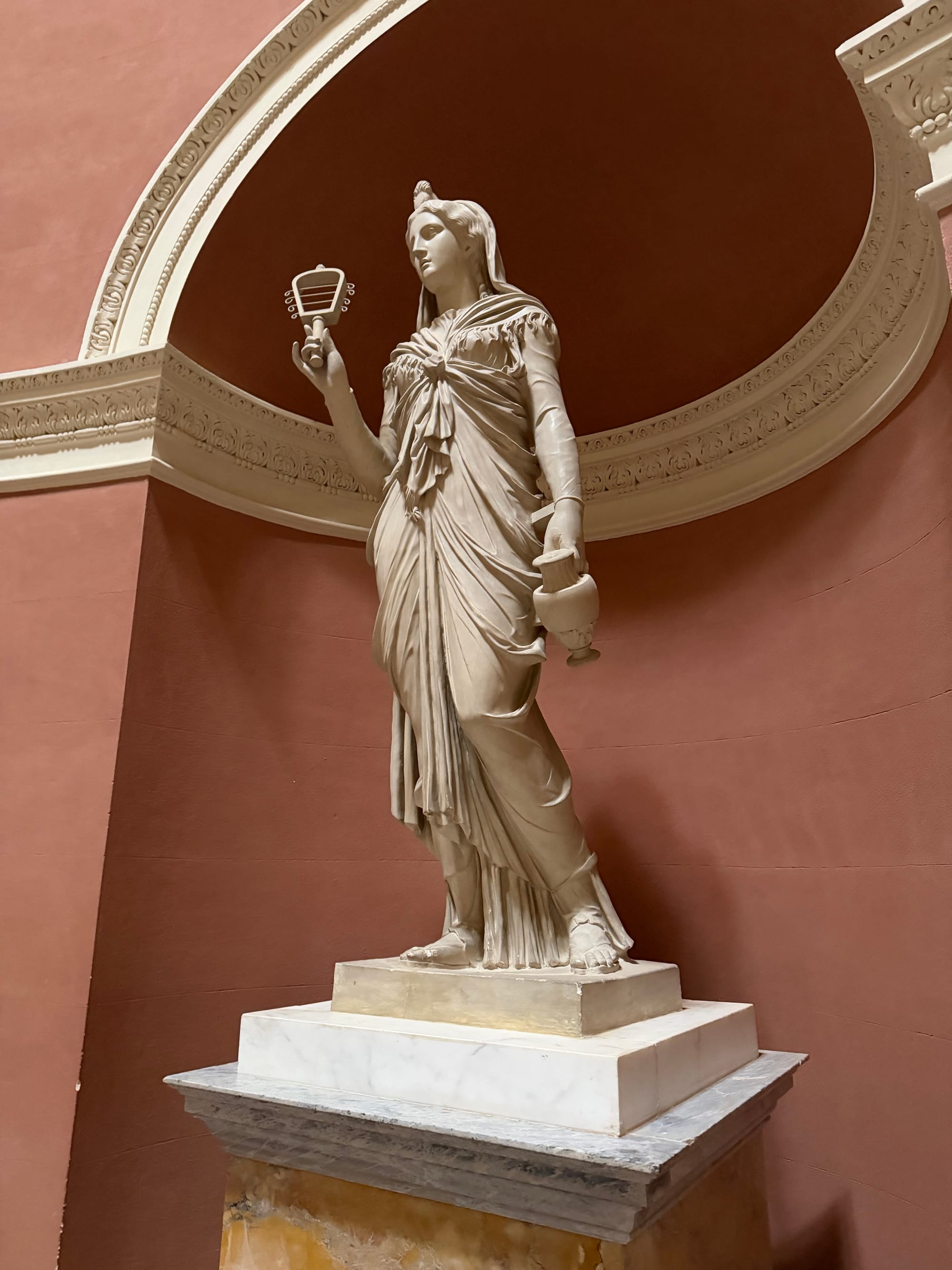
The statues, in particular, felt strangely without force. They did not offend. They simply failed to compel. I moved past them with a kind of impatience I could not entirely justify. As though they were asking for a response I was unwilling to give.
It left me aware of myself in an uncomfortable way. Not refined enough, perhaps. Or no longer willing to accept what had been arranged to persuade.
You descend into the grotto. The air cools, the light withdraws, and then returns, as expected. A figure waits in the darkness. It should feel like discovery.
Instead, it feels remembered in advance.
It is difficult not to think, briefly, of Aeneas, moving through landscapes already shaped for his passage, where each descent and emergence has been prepared before he arrives.
Here, ruin has been purified.
Time has been made agreeable.
The past stands before you, but only after it has been corrected.
🏰 Wardour — the past that resists
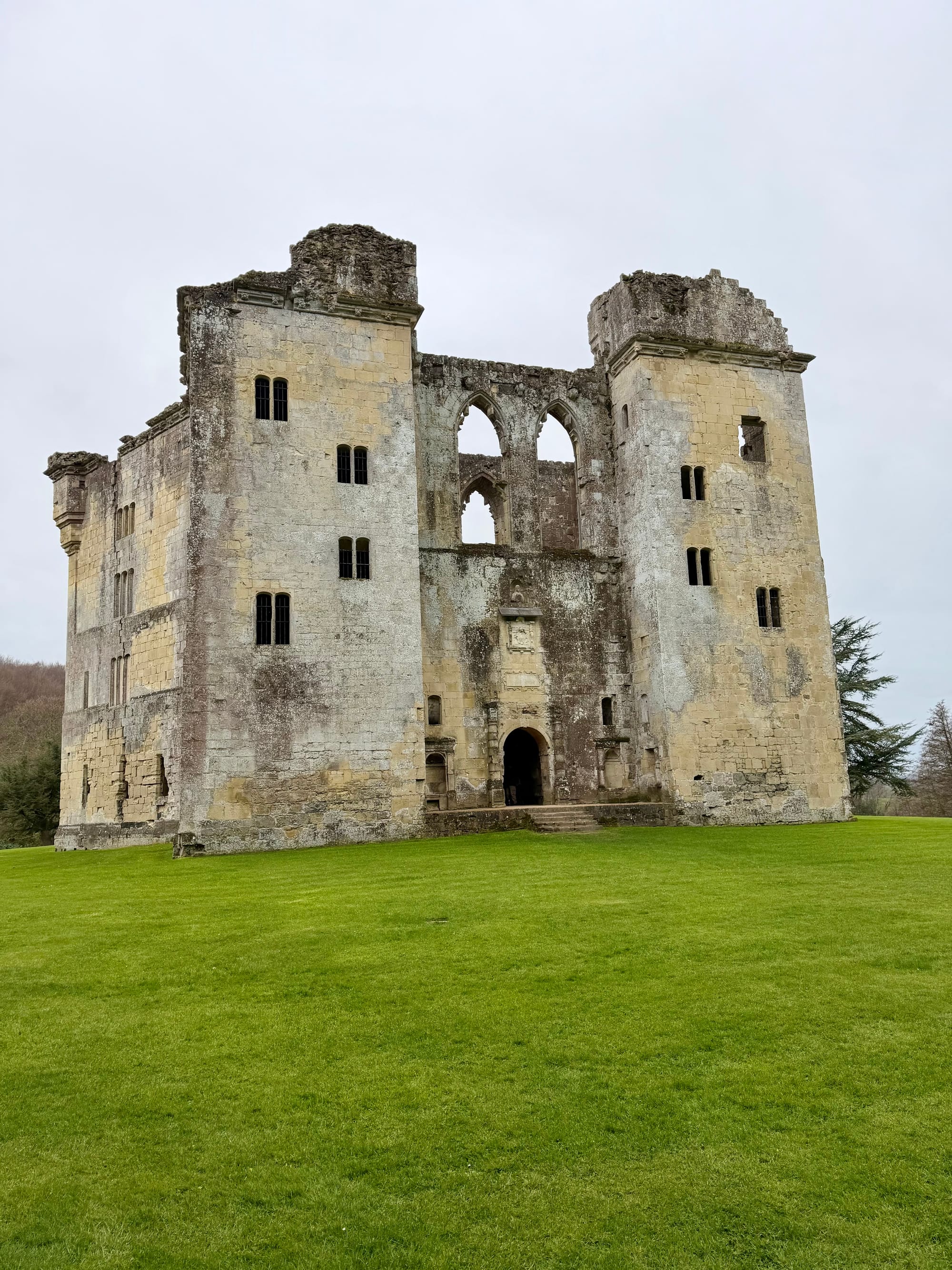
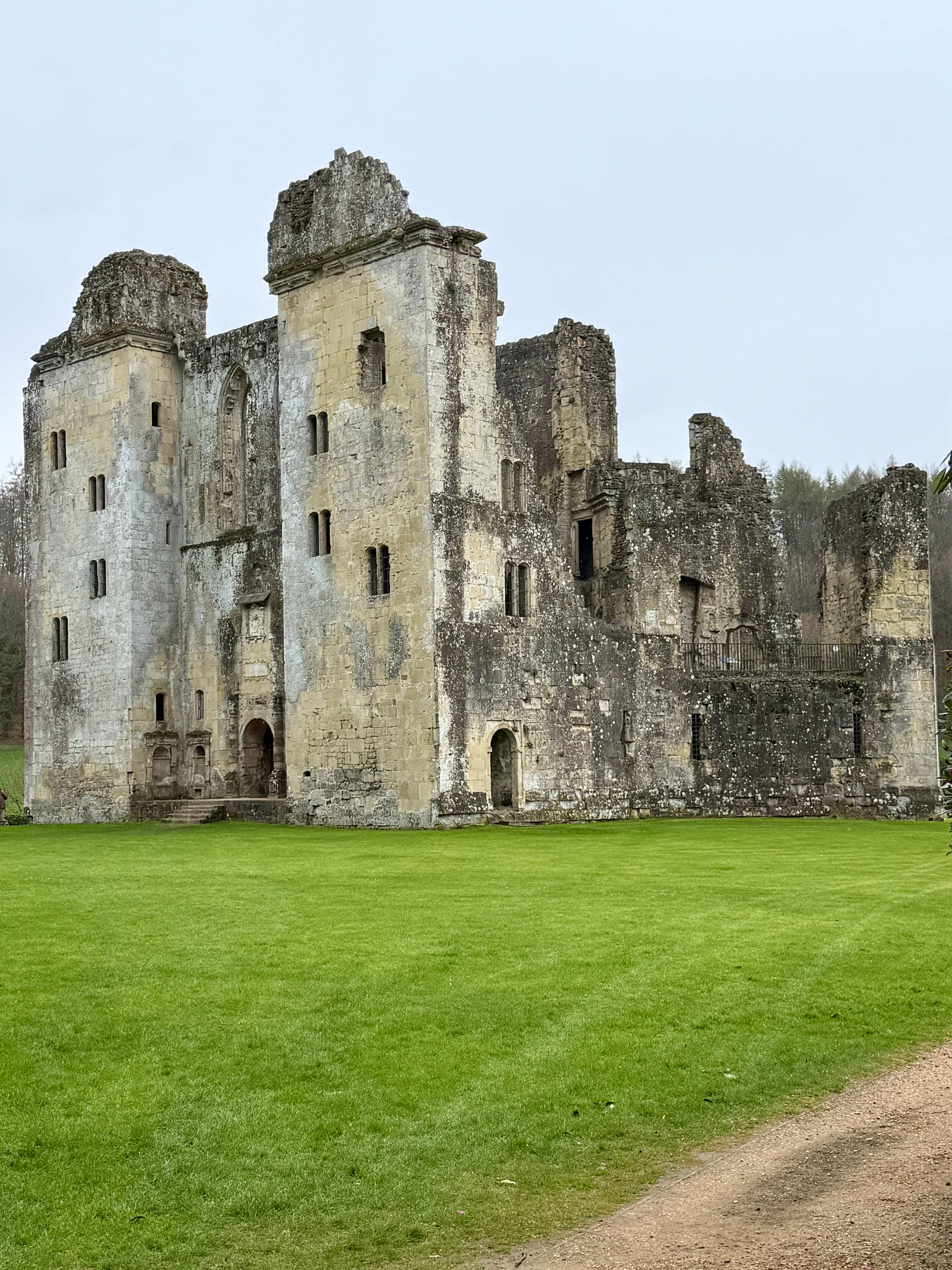
Wardour interrupts that ease.
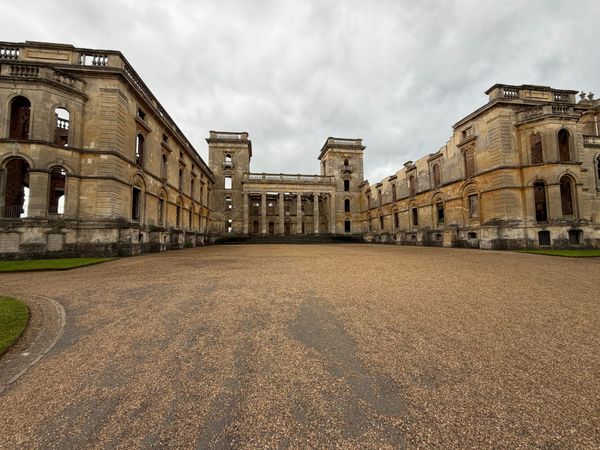
You arrive and there is no composition waiting for you. No path that tells you how to feel. The castle remains, but without offering itself.
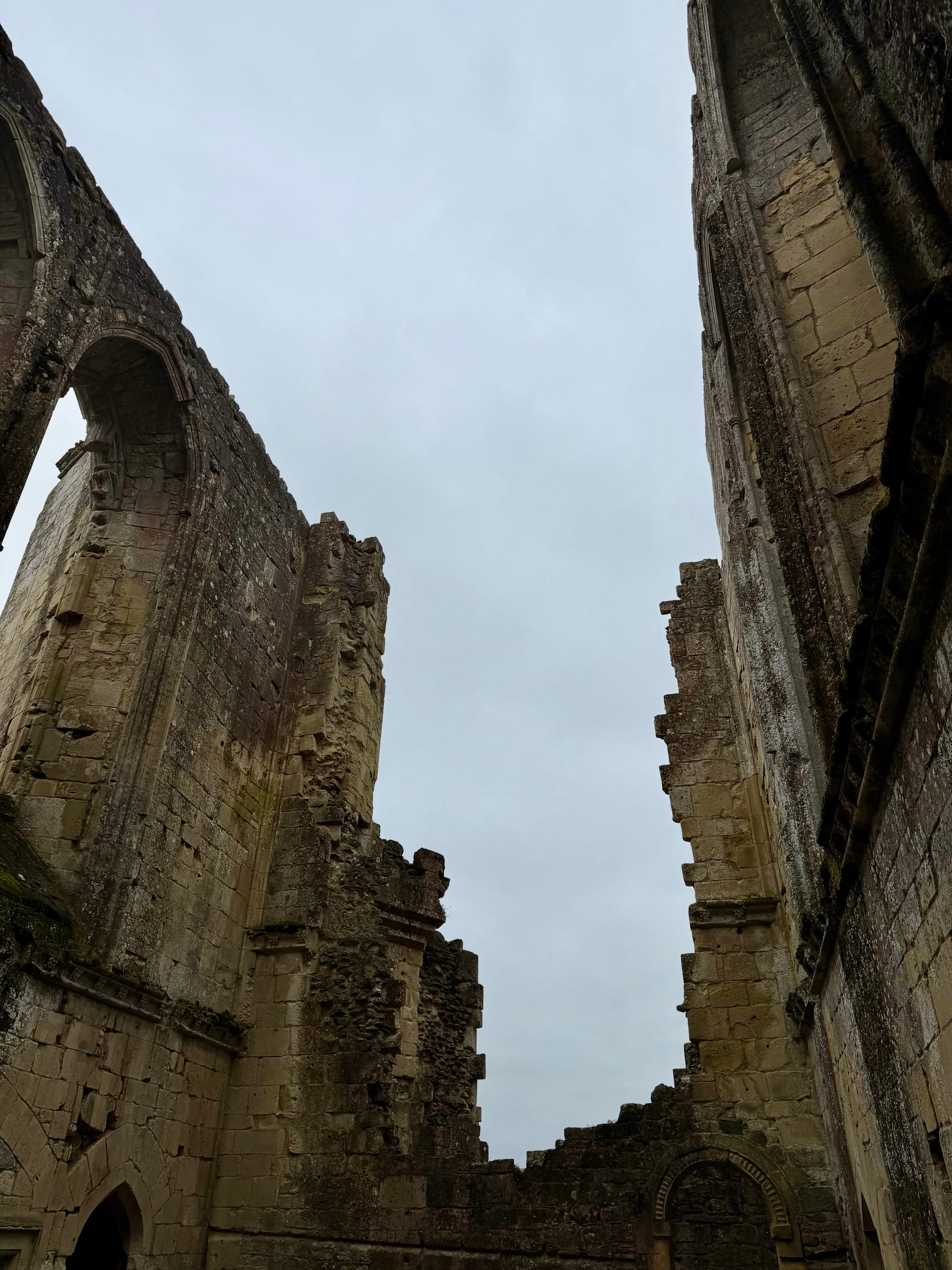
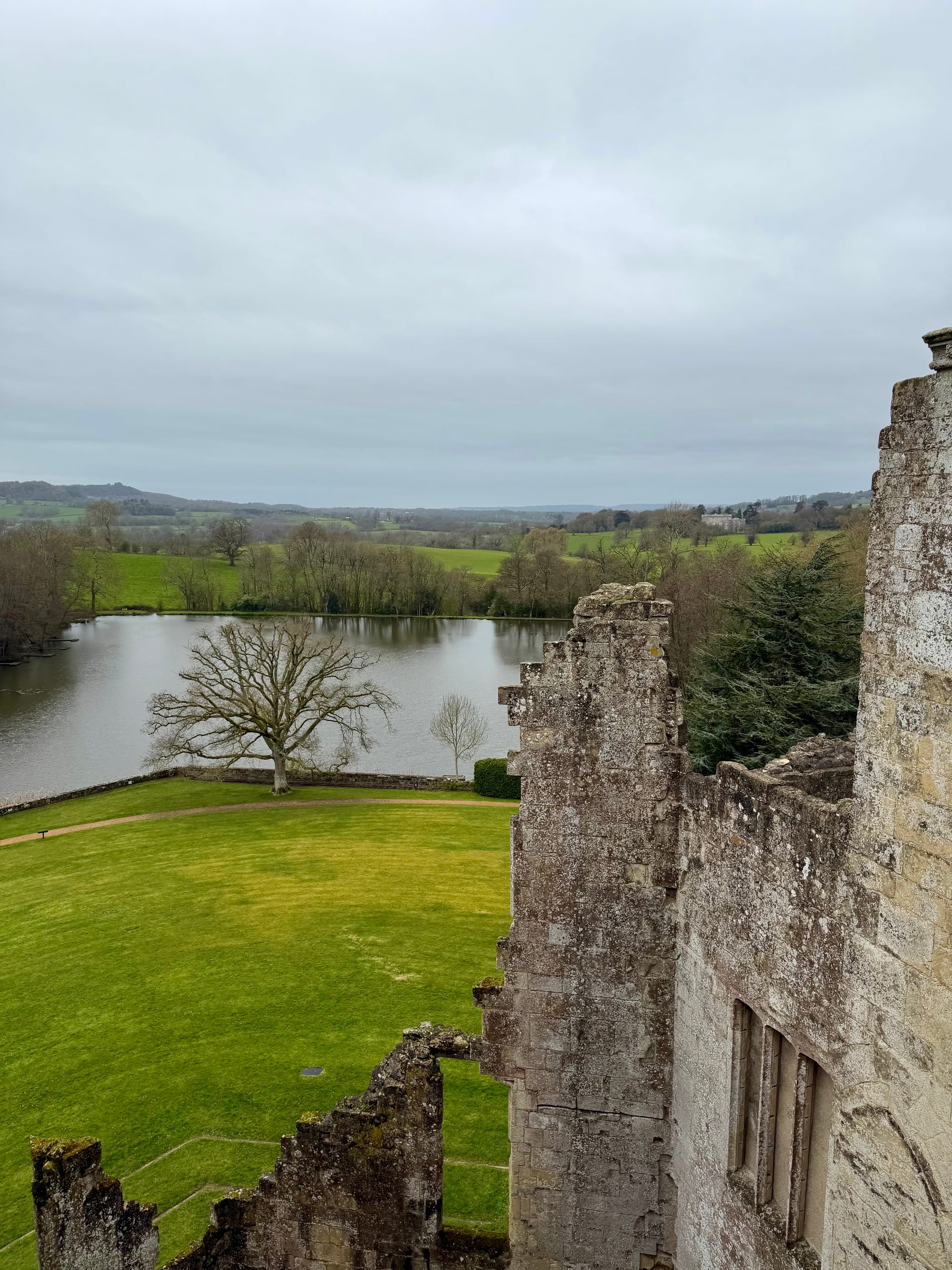
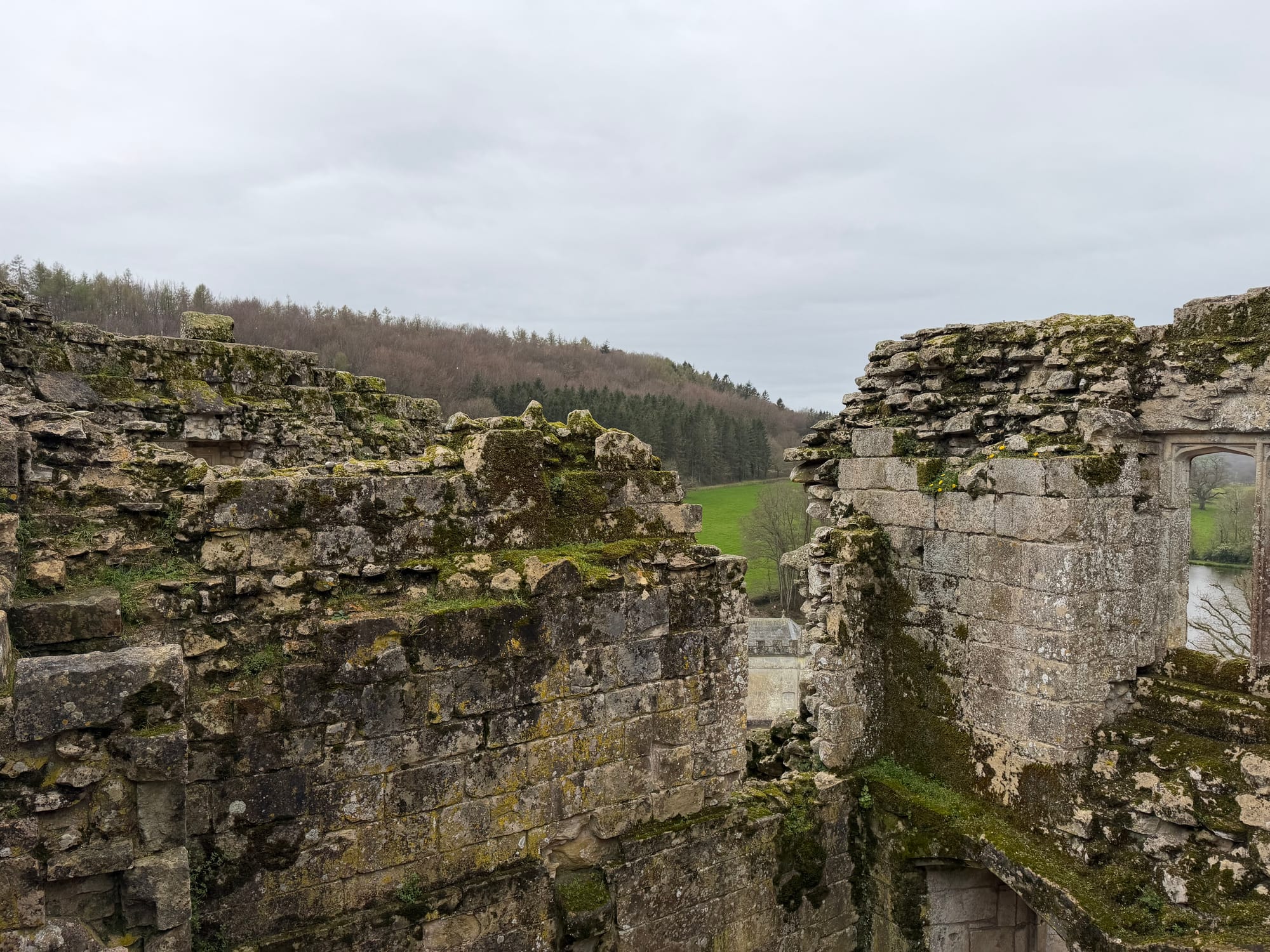
Its damage, marked in the English Civil War, has not been softened into beauty. The walls are open because they were broken. The arches frame nothing because there is nothing left to frame.
At Stourhead, the past was arranged before you.
At Wardour, it remains before you, but without permission.
The building no longer directs movement. It interrupts it. You walk and are stopped. You turn and find no continuation. The space refuses to carry you.
There is a temptation to call it romantic, to find beauty in the ruin. But that requires distance. And the longer you stay, the less distance there is.
Nothing has been arranged.
Nothing has been improved.
The past remains in front of you, but not as something chosen.
And because of that, it becomes harder to look at.
⛪ Sherborne — the past that continues
And then Sherborne.
Here, something changes again.
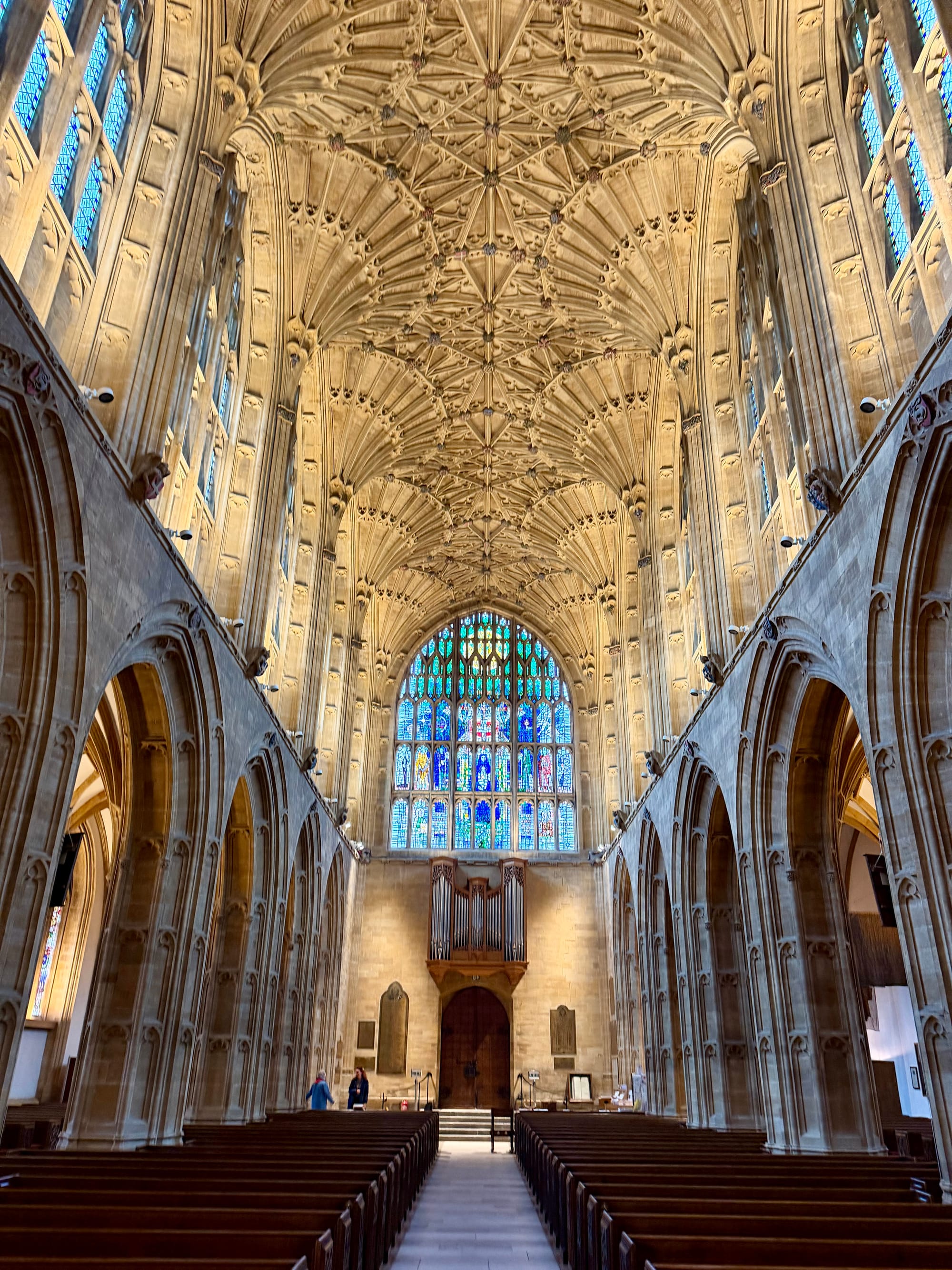
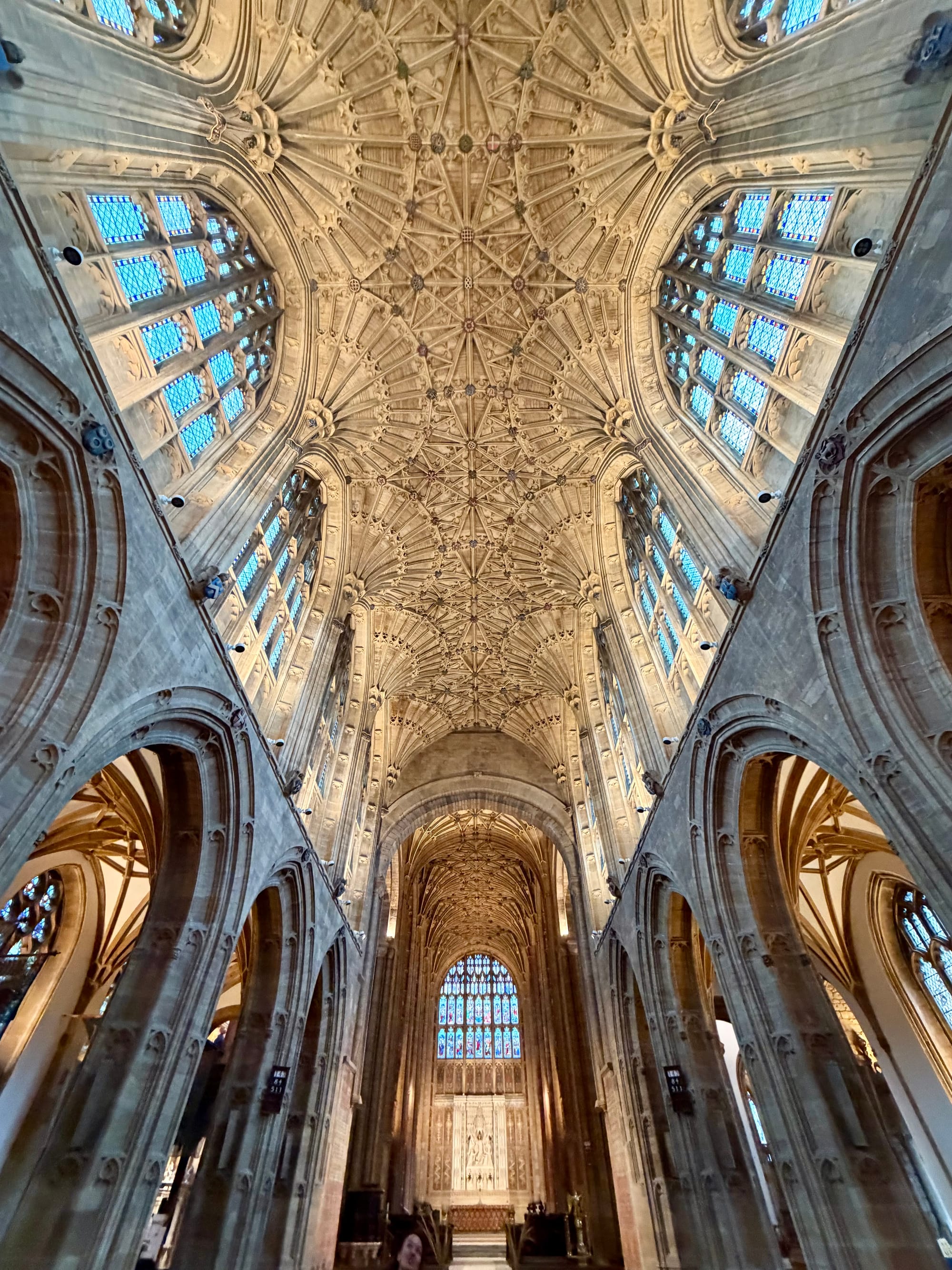
The past does not stand before you as an image. It surrounds you. The vaulting draws the eye upward, but not to display itself. It gathers the space into coherence. Stone becomes pattern, pattern becomes structure, and structure becomes something that feels less like design and more like necessity.
Unlike Stourhead, nothing has been curated.
Unlike Wardour, nothing has been left unresolved.
It continues.
The light rests where it falls. The space does not guide you through a sequence. It does not ask to be interpreted. It simply receives you.
It is difficult, standing there, not to think of Augustine and his insistence that the past is not gone but present in another mode. Not behind us, not even merely before us, but somehow active, carried.
Sherborne does not present the past.
It bears it.
🌿 Before speech
Only afterwards did the movement become clear.
At Stourhead, the past is arranged before us, so that we can admire it.
At Wardour, the past remains before us, whether we wish to see it or not.
At Sherborne, the past is no longer before us at all, but around us, within us, lived rather than observed.
The Greeks placed the past in front of the traveller. Something visible, something approached.
But this day belonged to something earlier still.
Not to memory.
Not to interpretation.
But to what comes before both.
The next day, I would stand and speak. Words would move outward, and not return unchanged.
But this came before that.
A movement through places where time had been arranged, broken, and carried, before I had to carry anything myself.
And perhaps that is why it remains.
Not as something behind me.
But as something still, quietly, in front.