Where the Earth Remembers: Viñales and Ha Long
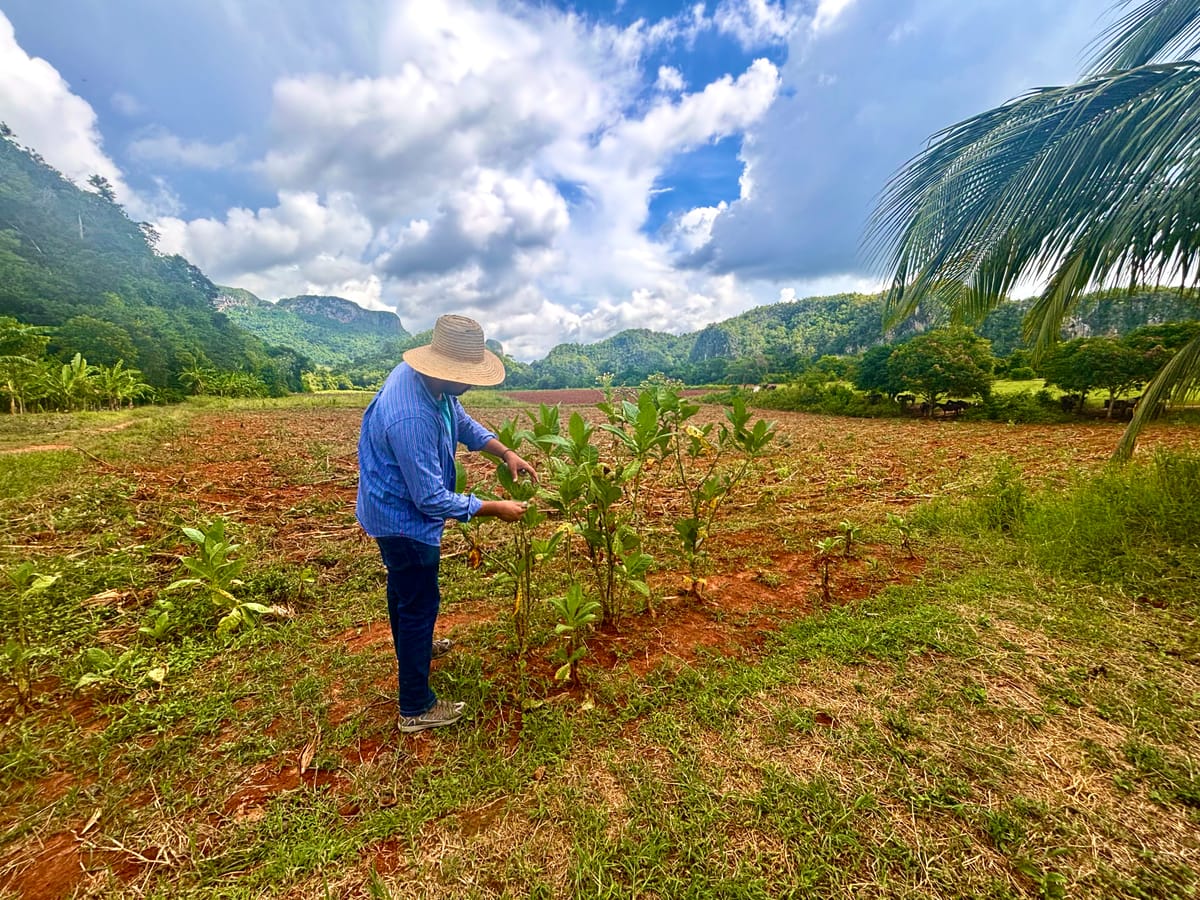
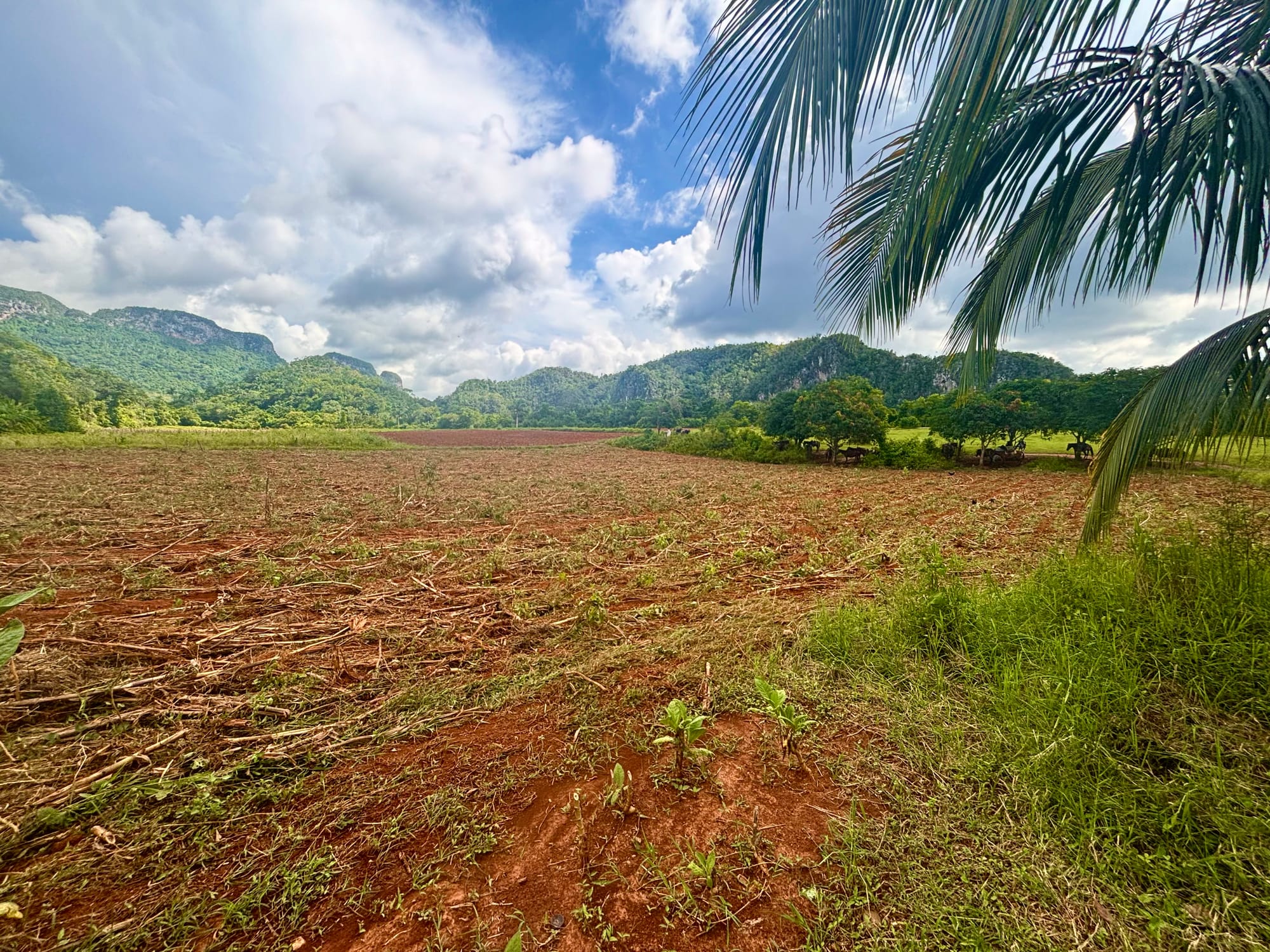
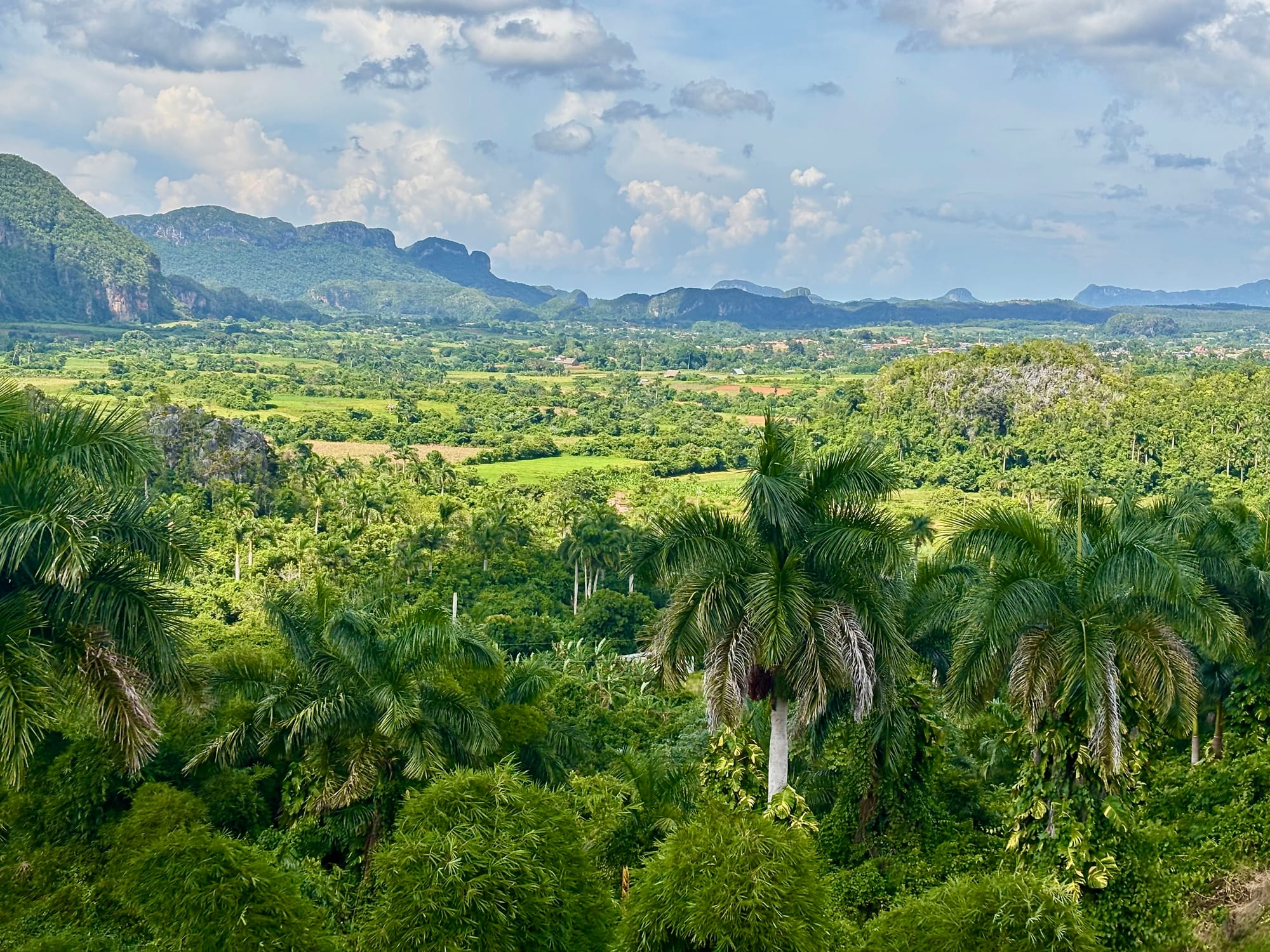
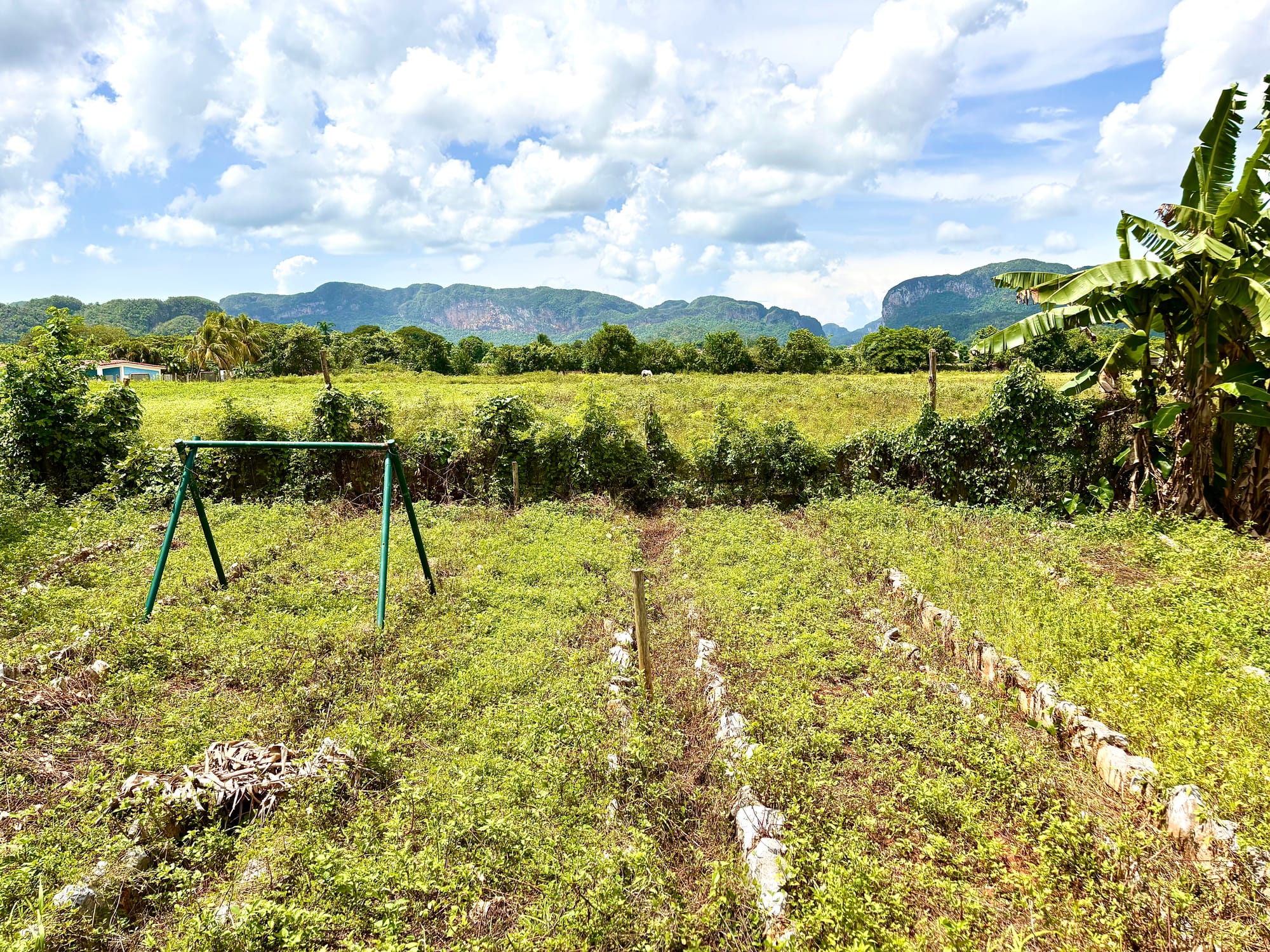
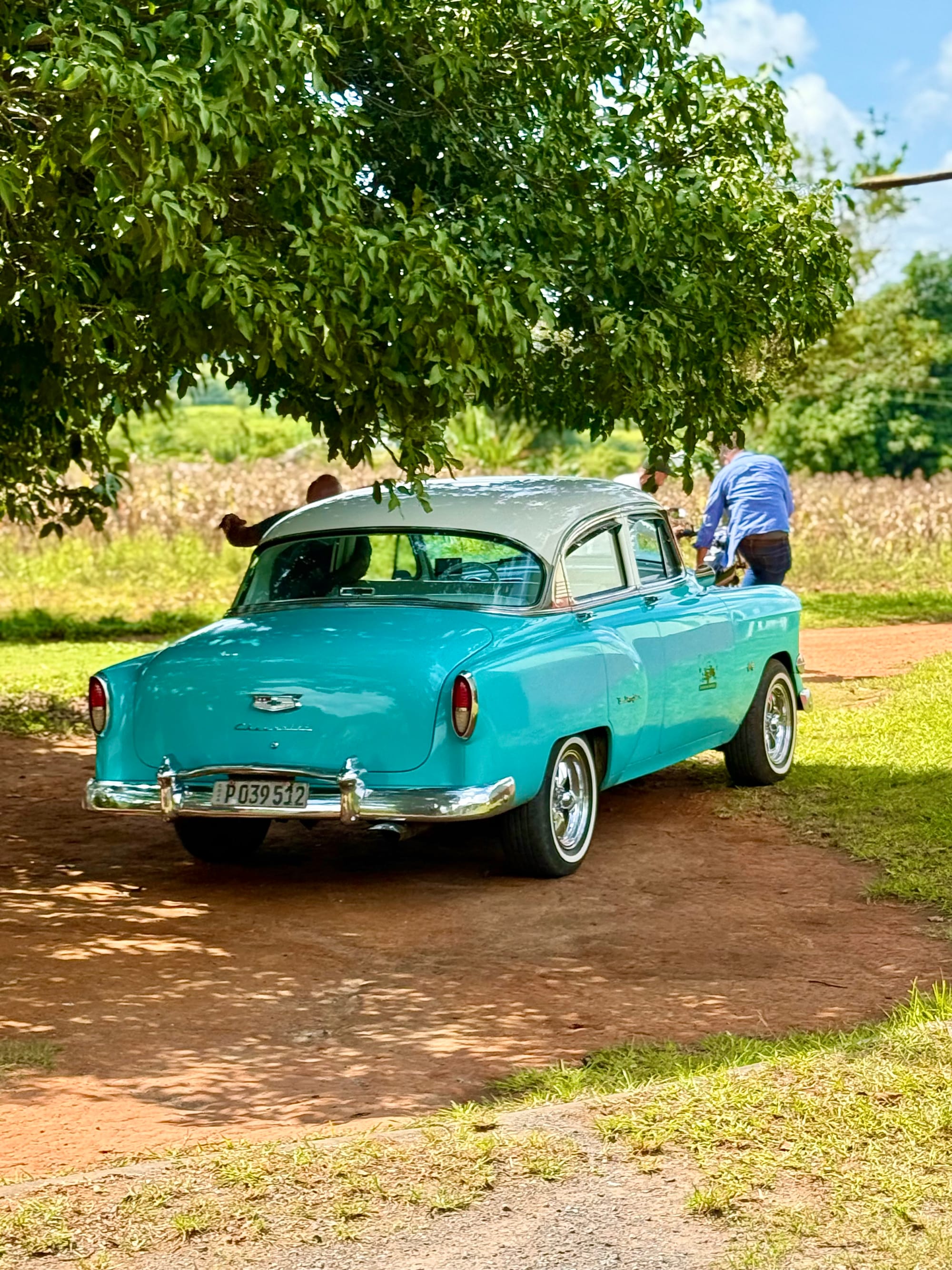
The first thing Viñales gives you is colour: a soil so red it stains your shoes, your hands, even the air itself. It is not the soft loam of Europe, gentle and forgiving, nor the volcanic black of Japan, sharp and fertile. It is a harsher red, iron-rich, insistent: a soil that does not merely host life but demands endurance. The mogotes rise abruptly from the valley floor, their limestone flanks softened by palms and tobacco fields. They look immovable, but their presence is never silent. The stone holds memory. The dust insists.
“Tradition does not merely persist; it is carried forward in the communicative practice of everyday life.”
— Jürgen Habermas, The Theory of Communicative Action
🌱 Soil and Labour
Here the hoja santa, the sacred tobacco leaf, is not a commodity but a covenant. It is harvested and cured in wooden barns, each leaf hung with the patience of repetition. The farmer does not explain; he gestures. A thumb pressed into the leaf, a hand sweeping away red dust: these are not demonstrations but transmissions. Knowledge here does not argue. It insists through labour.
The soil itself becomes part of that inheritance. Unlike Europe’s loam, which nurtures gently, or Japan’s volcanic soil, which surprises with fertility, Viñales’ red earth imprints itself on the body. It stains clothes, seeps into skin, and clings long after you have left. Its grammar is not subtle but declarative: to belong here is to bear its colour.
🐎 Myth and Presence
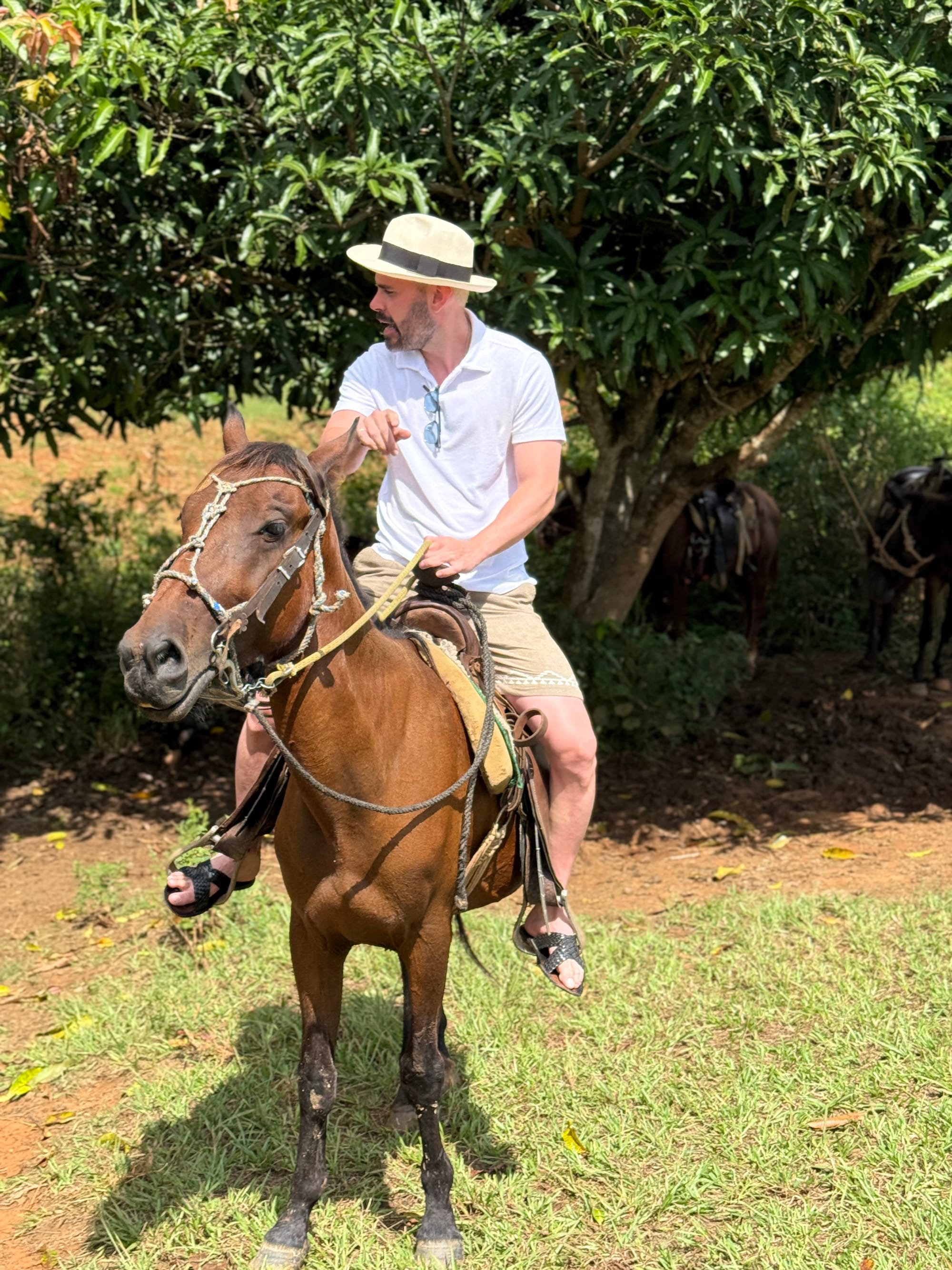
Riding a horse through the valley collapses time into ritual. The path is narrow, the saddle worn smooth, the air close with humidity. The horse breathes, the farmer hums, and the mountains draw close in their watchful silence. Red dust clings to your clothes, a baptism into the covenant of soil and soul.
This is Carpentier’s lo real maravilloso: the marvellous real, where nothing extraordinary happens because everything already is extraordinary. The myth here is not invented. It is lived into being by repetition, by the inseparability of necessity and wonder.
⛰ Two Karst Worlds
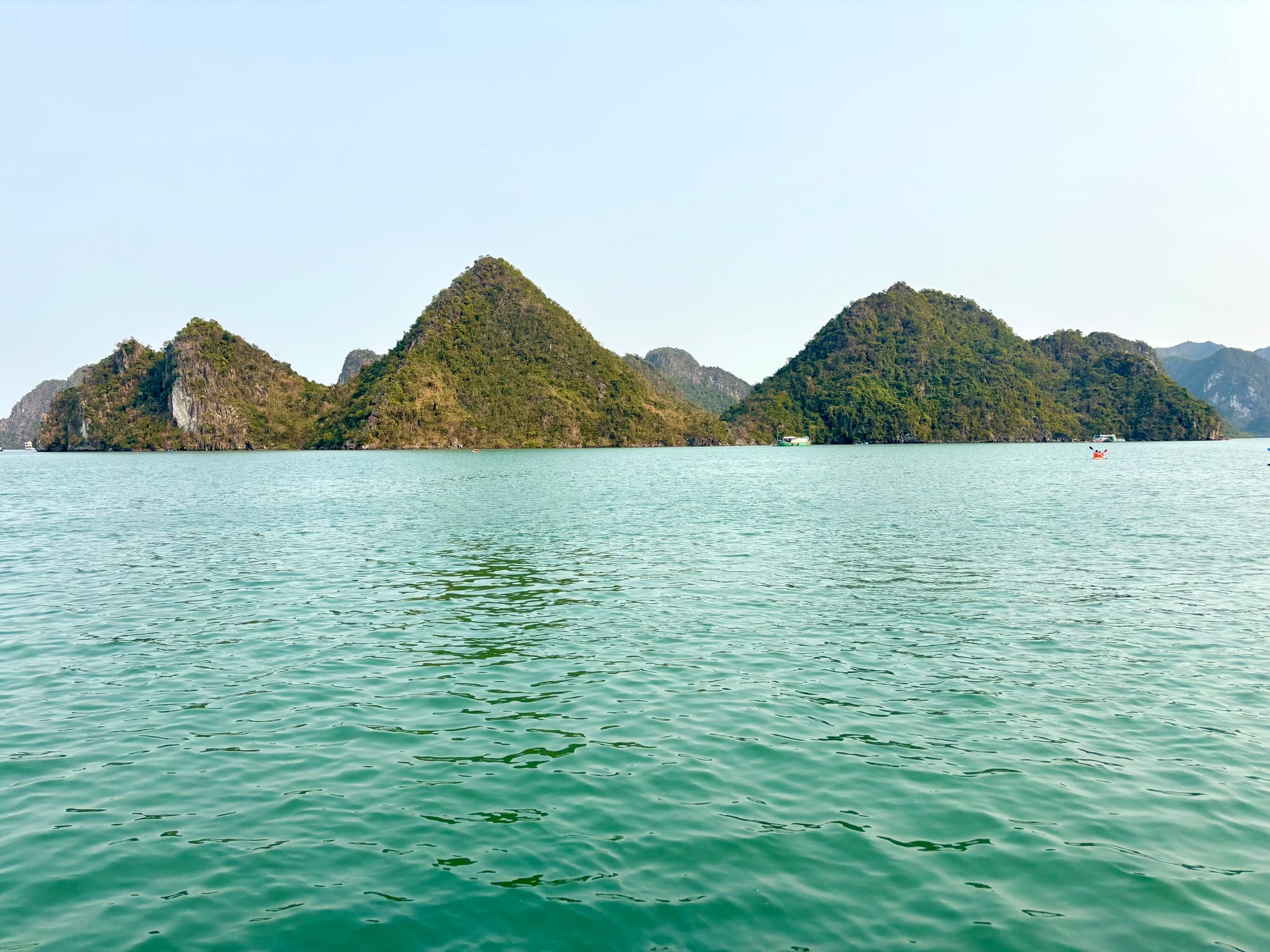
Viñales is not alone. Its mogotes belong to the same geological family as Ha Long Bay in Vietnam, where limestone towers rise not from soil but from the sea. I have seen both, and their kinship is undeniable. Yet their difference reveals two distinct human worlds.
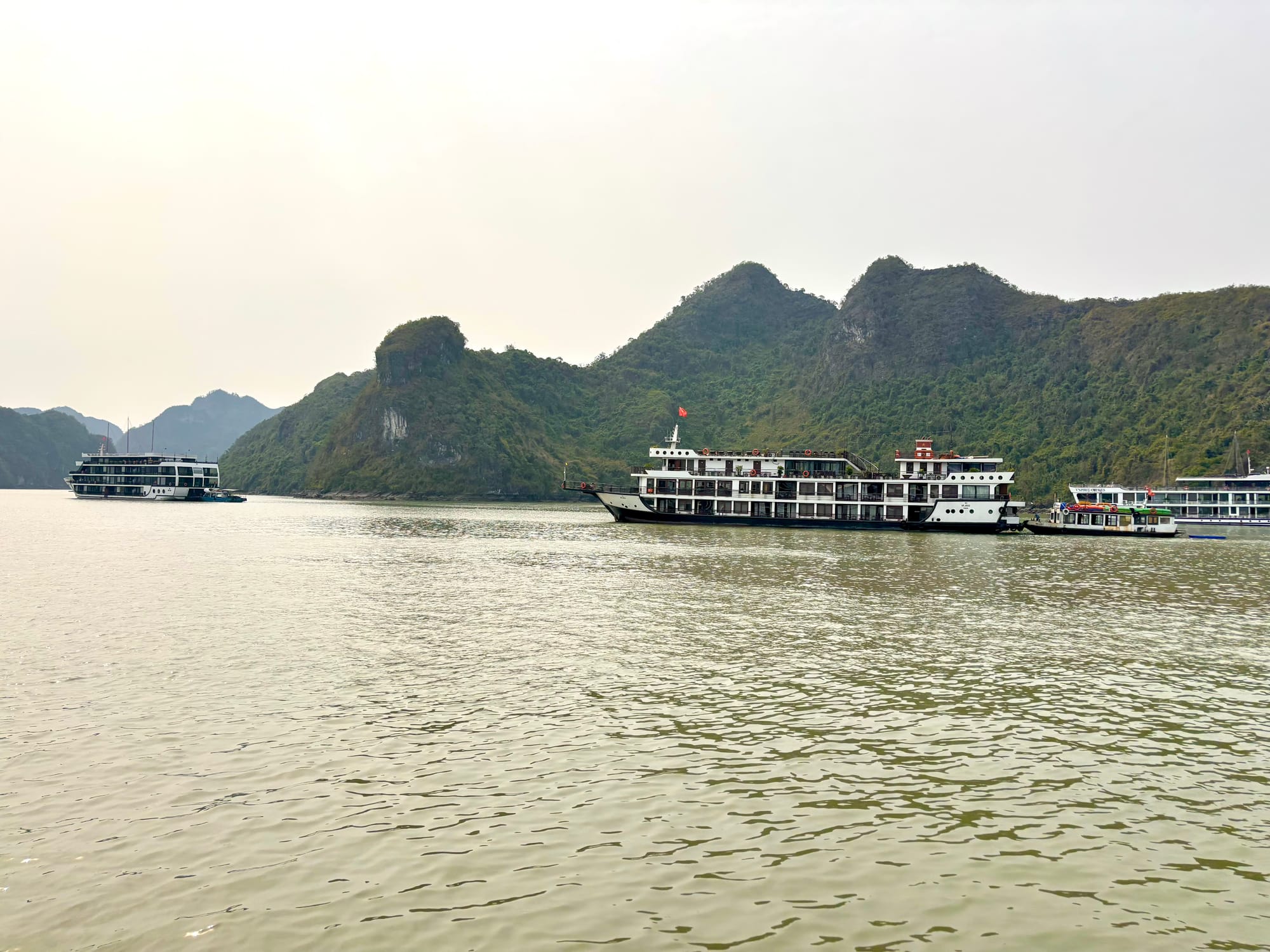
Ha Long floats in mist. Its towers emerge like dragon spines, their bases washed by tides, their peaks softened by cloud. It is contemplative, even spectral. The traveller glides between them in silence, the air salted, the stone half-veiled. Ha Long belongs to the gaze.
Viñales, by contrast, is worked. Its mogotes are rooted in cultivation, their shadows falling across fields of tobacco and maize. The land is not for looking at but for living with. Where Ha Long is legend, Viñales is labour. Where one has been drawn into the itinerary of cruise ships, the other still carries the lifeworld of the farmer.
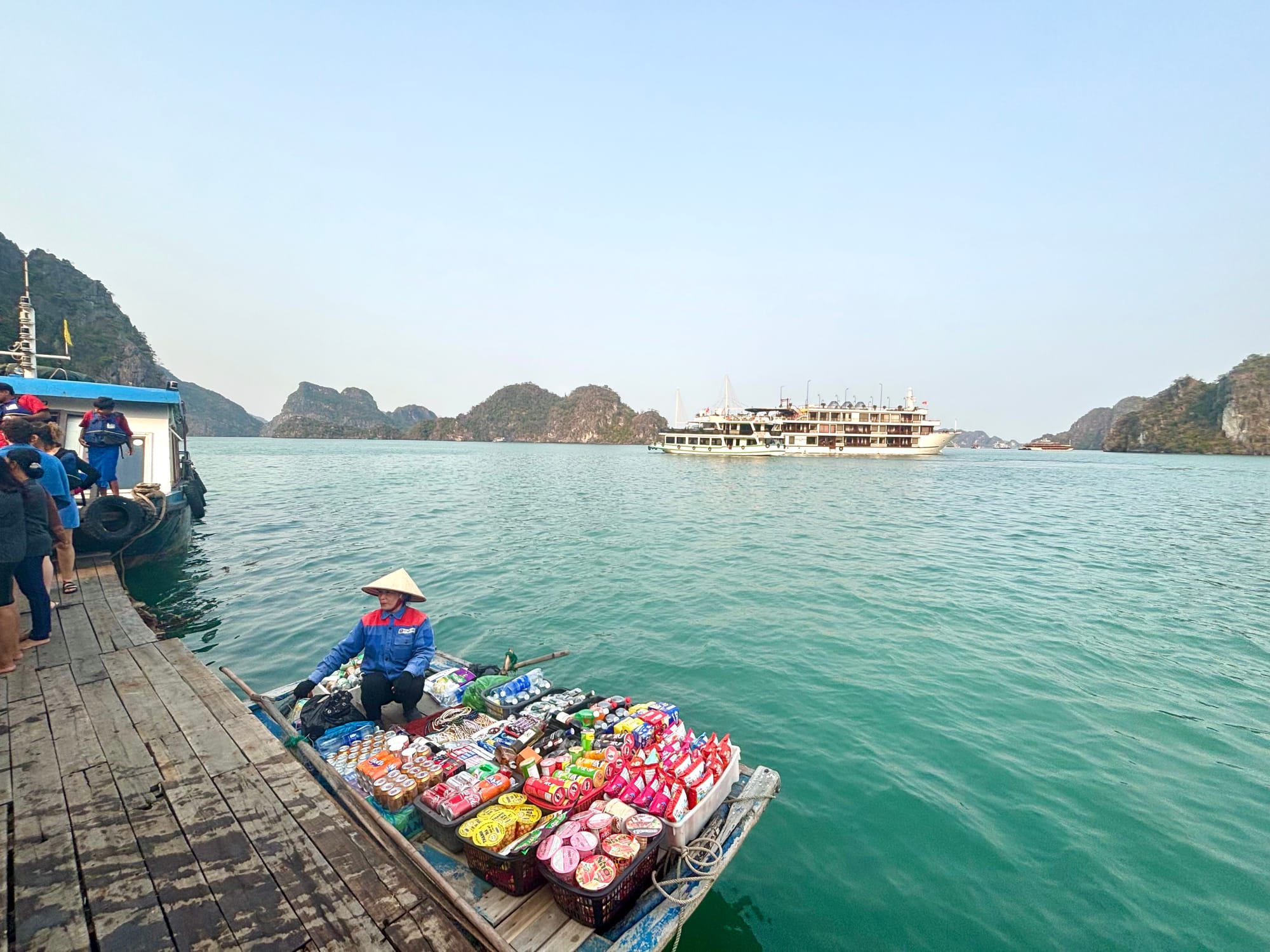
Both carry the same geological memory: ancient seas compressed into limestone, sculpted by water and time. Yet their human histories diverge. Ha Long increasingly belongs to the system, commodified into cruise routes and ticketed vistas. Viñales still speaks in the idiom of the lifeworld, in gestures of planting, curing, and riding.
🚬 Habermas and the Lifeworld
Habermas reminds us that tradition is not static but communicative: a lifeworld reproduced through practice. Viñales embodies this. The curing barns, the gestures of the hand, the rhythm of harvest: these are not performances for visitors but continuations of a world sustained in common.
Ha Long, by contrast, risks colonisation by the system. Its karst remains magnificent, but its meaning is increasingly staged for tourism, detached from the cosmologies that once anchored it. The danger Habermas described is clear: when lifeworld becomes spectacle, inheritance thins into image.
Viñales resists this fate, though perhaps only for now. Its red dust still clings, refusing to be reduced to brochure gloss.
🌌 Final Thoughts: Soil, Stone, Memory
Both valleys remind us that landscapes are never neutral. They are either inhabited as lifeworlds or consumed as systems. They shape not only what we see but how we live.
Carpentier was right: the marvellous is not invented but inherited. In Ha Long, it is inherited through water and mist. In Viñales, through red soil and the tobacco leaf. Both are archives of memory, but they offer different lessons.
The red dust of Viñales lingers on your skin long after you leave, as if the earth itself insists that you remember. The salt of Ha Long lingers in the air, as if the sea insists on its own version of memory. And perhaps the contrast sharpens when set against Europe’s soft loam and Japan’s volcanic black; soils that nurture differently, each teaching its own grammar of endurance.
“The system threatens to colonise the lifeworld, draining it of meaning until only function remains.”
— Jürgen Habermas, The Theory of Communicative Action
Stone remembers longer than we do. The question is whether we will still know how to listen.