Tokyo / Kyoto: The Mirror of Desire
"We desire what others desire because we imitate their desires.”
— René Girard, Deceit, Desire and the Novel
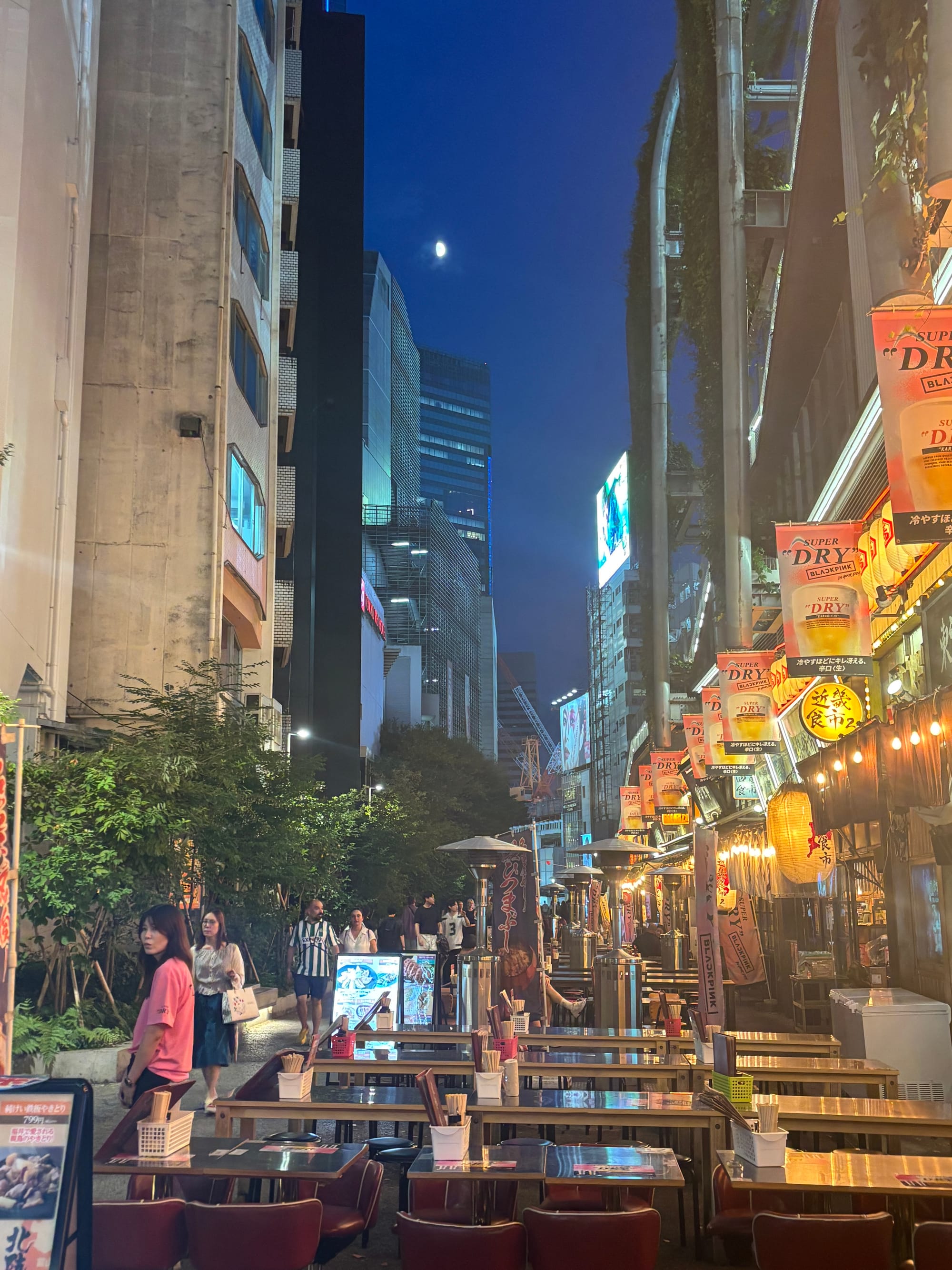
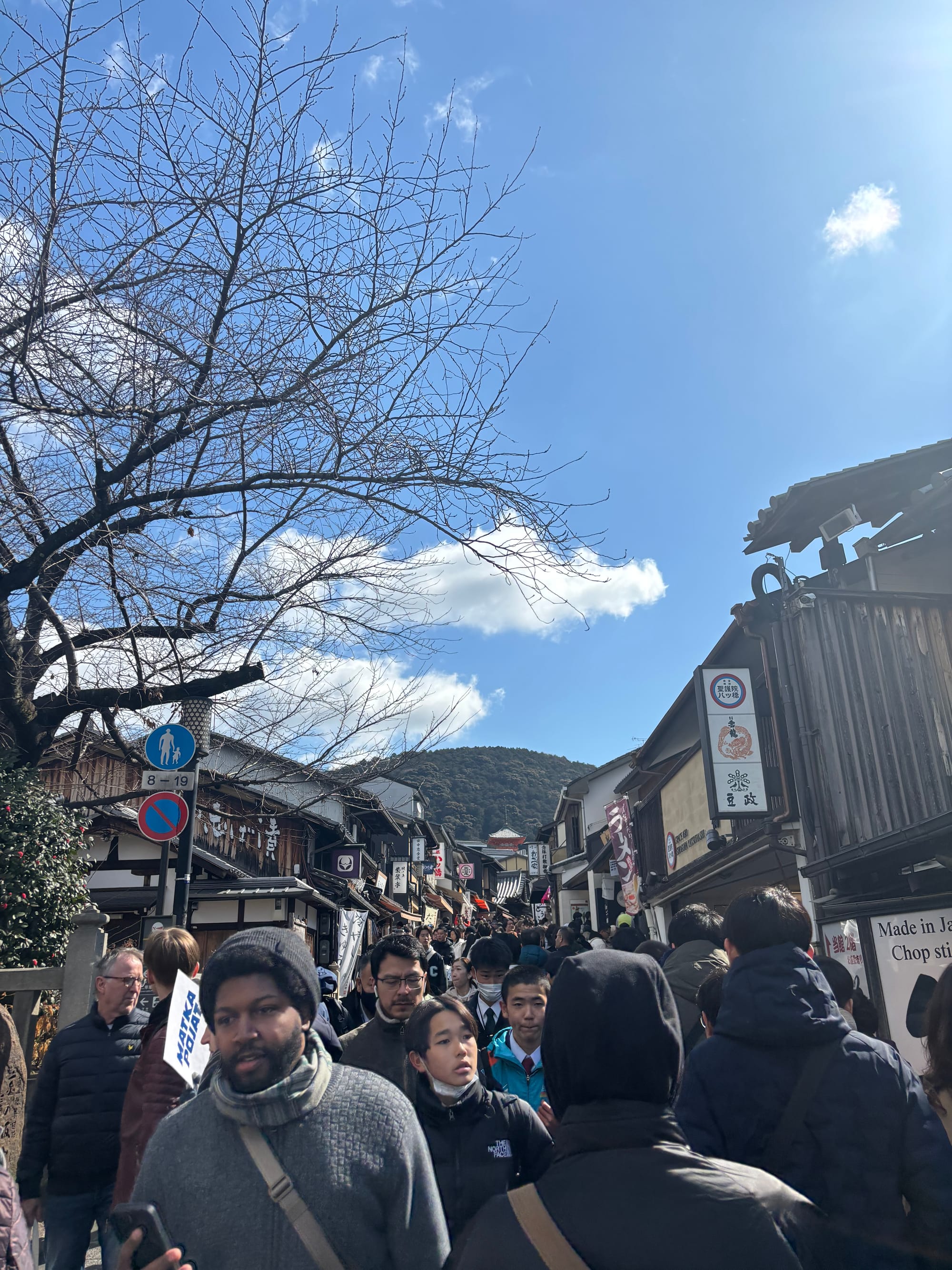
🪞 The Reversal of Names
The names themselves seem to be mirrors when put into the Roman alphabet, Tokyo and Kyoto. But 東京 and 京都 is just a same kanji reversed, one facing east, the other west. Eastern Capital. Capital City. Language already gestures toward reflection, as if each city’s identity depends on the other’s gaze.
Girard taught that desire is never solitary. We want not what we choose, but what another has taught us to value. All human longing is triangular: subject, object, mediator. Tokyo and Kyoto stand within that geometry, each desiring through the other, each caught in the shimmering echo of its twin.
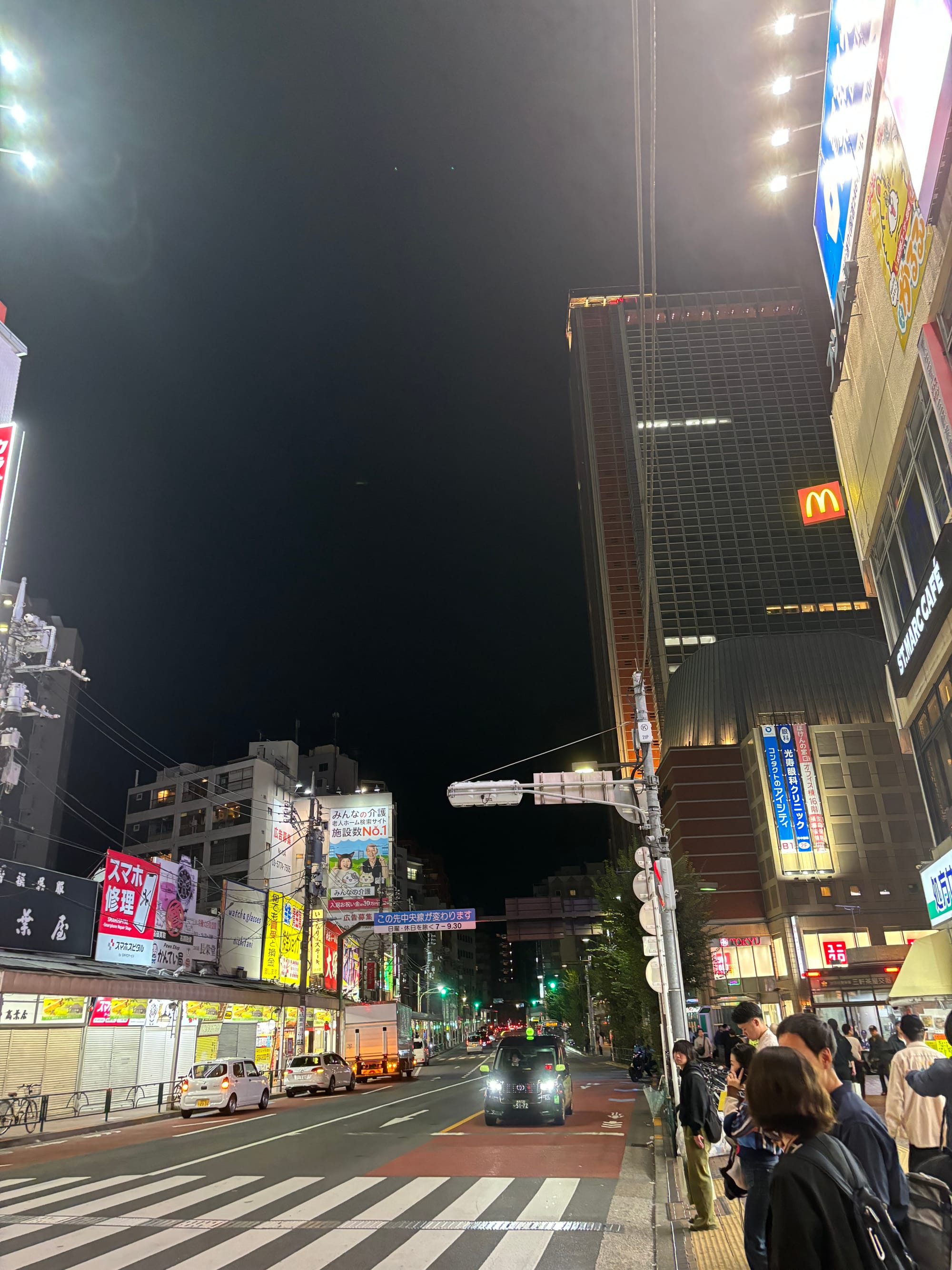
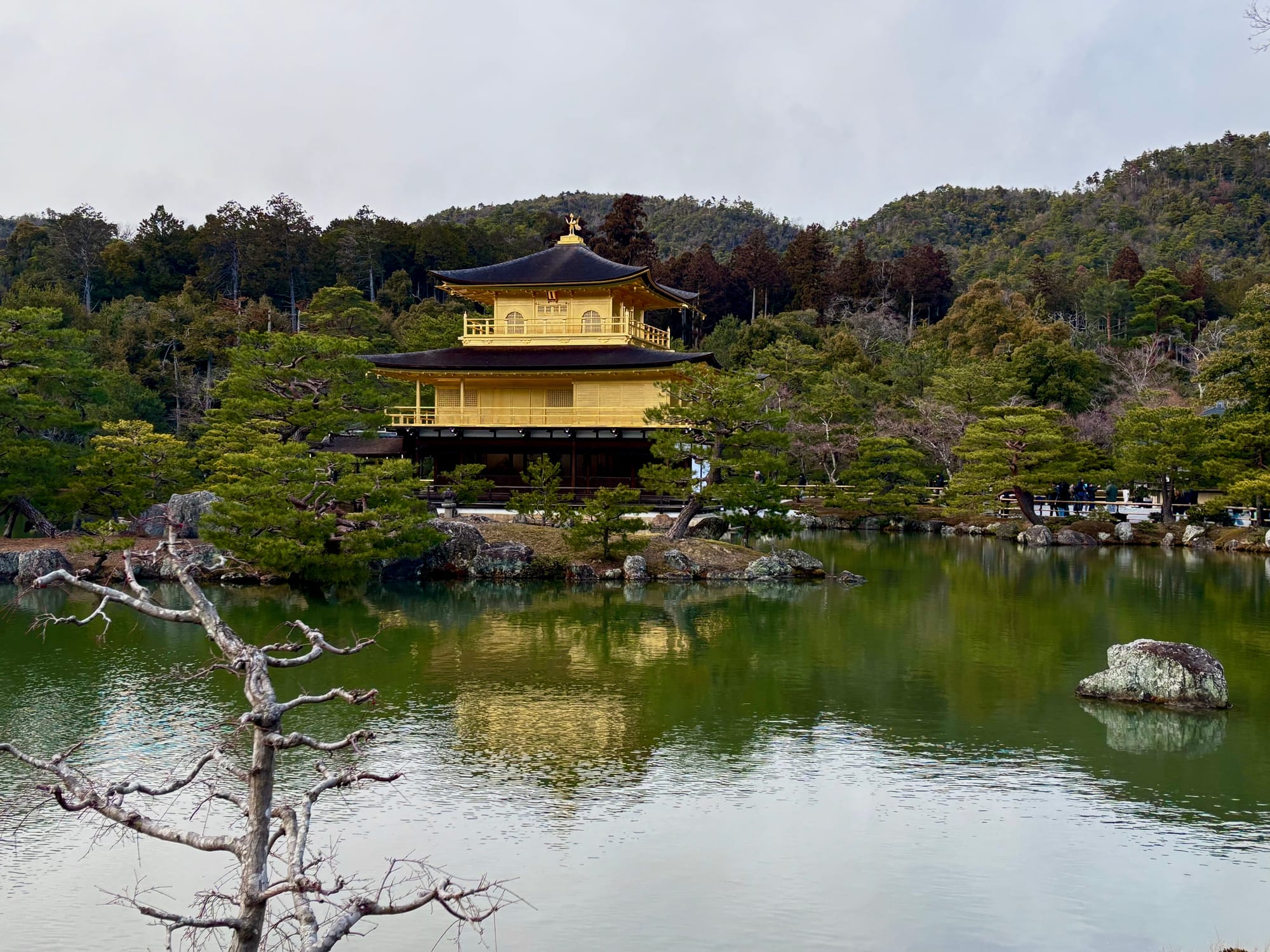
Kyoto is the city of concentration: wooden stillness, moss-dark courtyards, the breath of incense at dusk. Tokyo disperses: glass, noise, hunger, invention. Yet the two are bound like pulse and silence, neither intelligible without the other. Kyoto’s calm is sharpened by Tokyo’s fever; Tokyo’s brilliance haunted by Kyoto’s restraint.
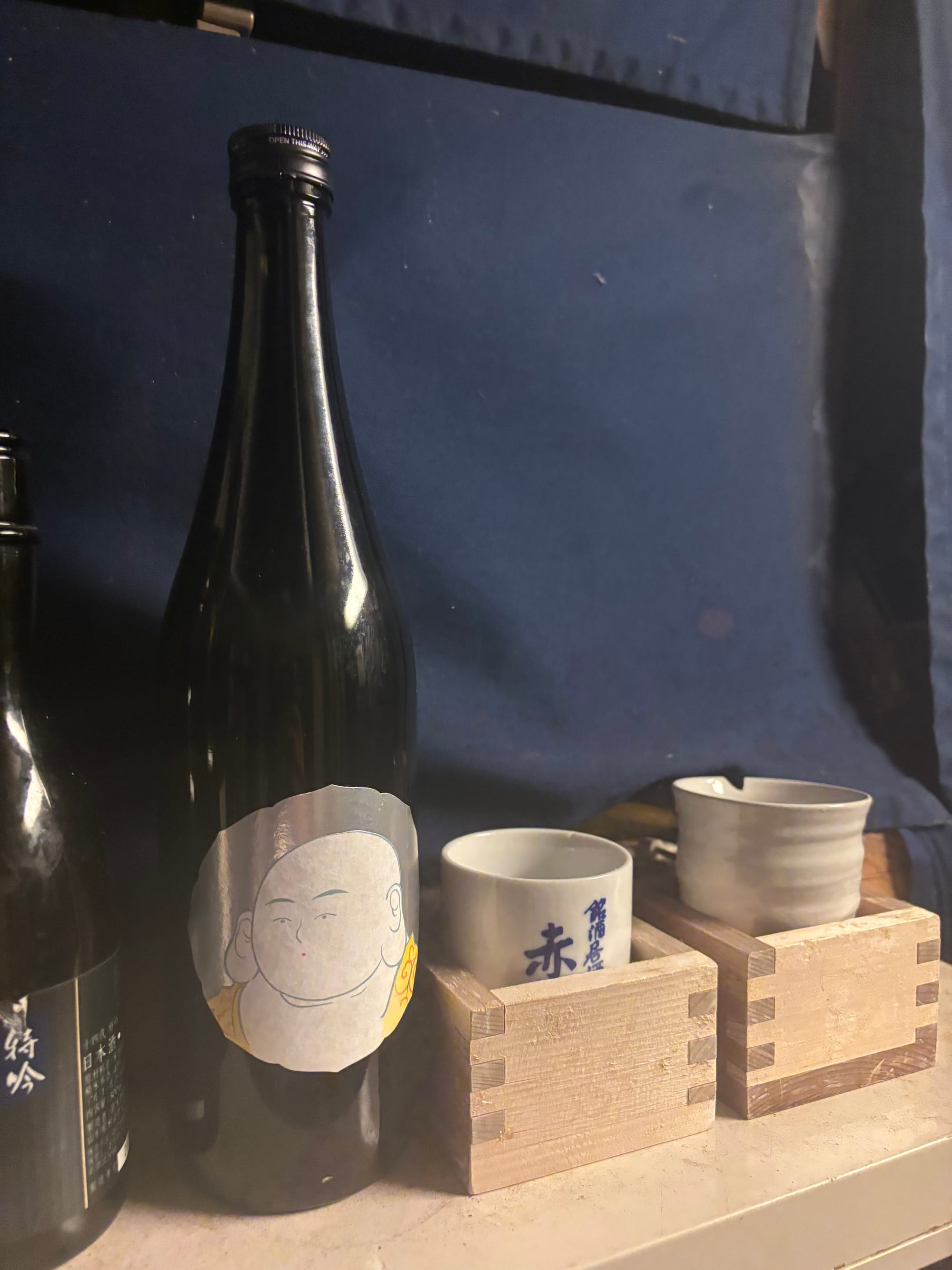
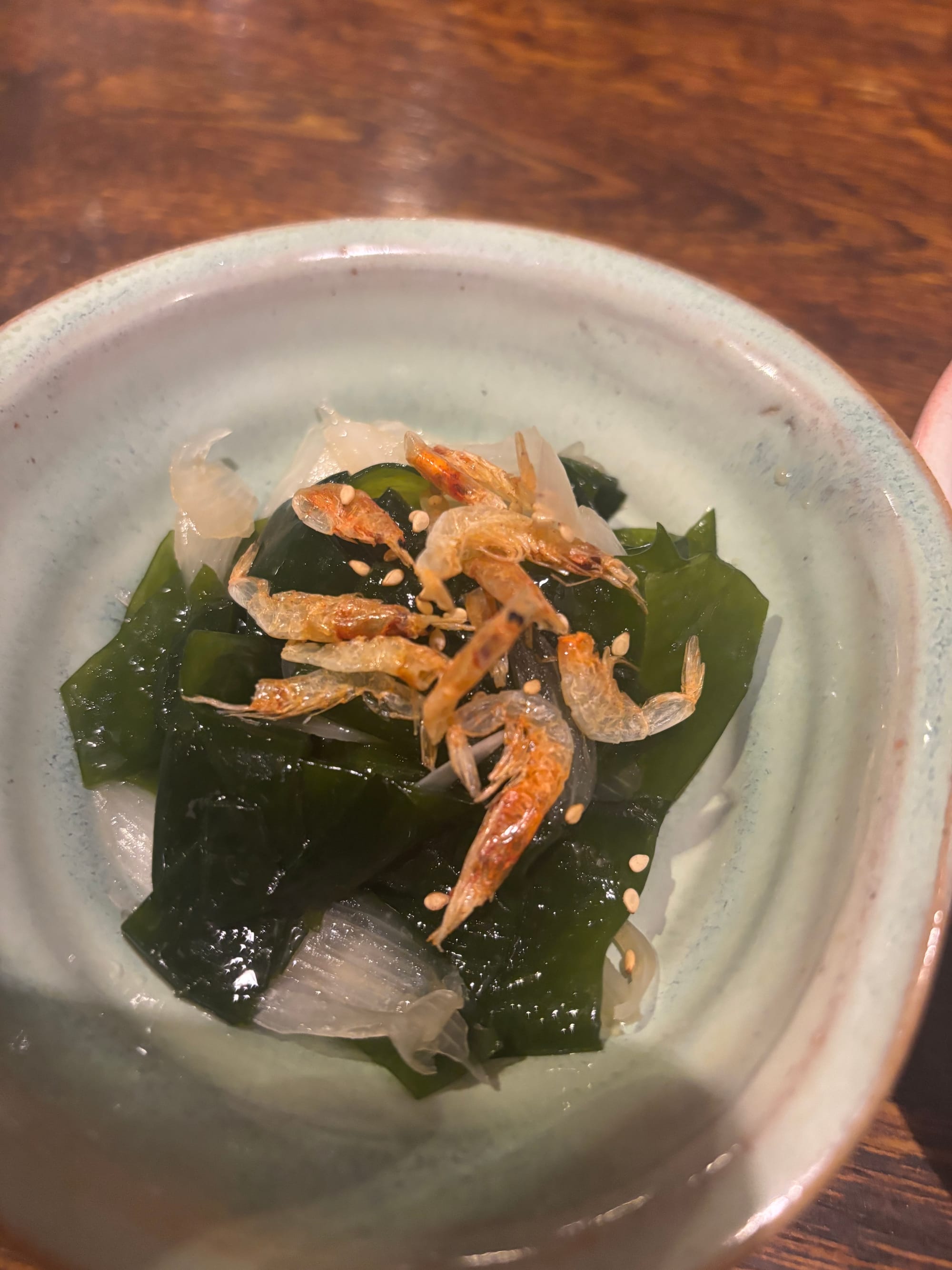
🍱 The Taste of Restraint
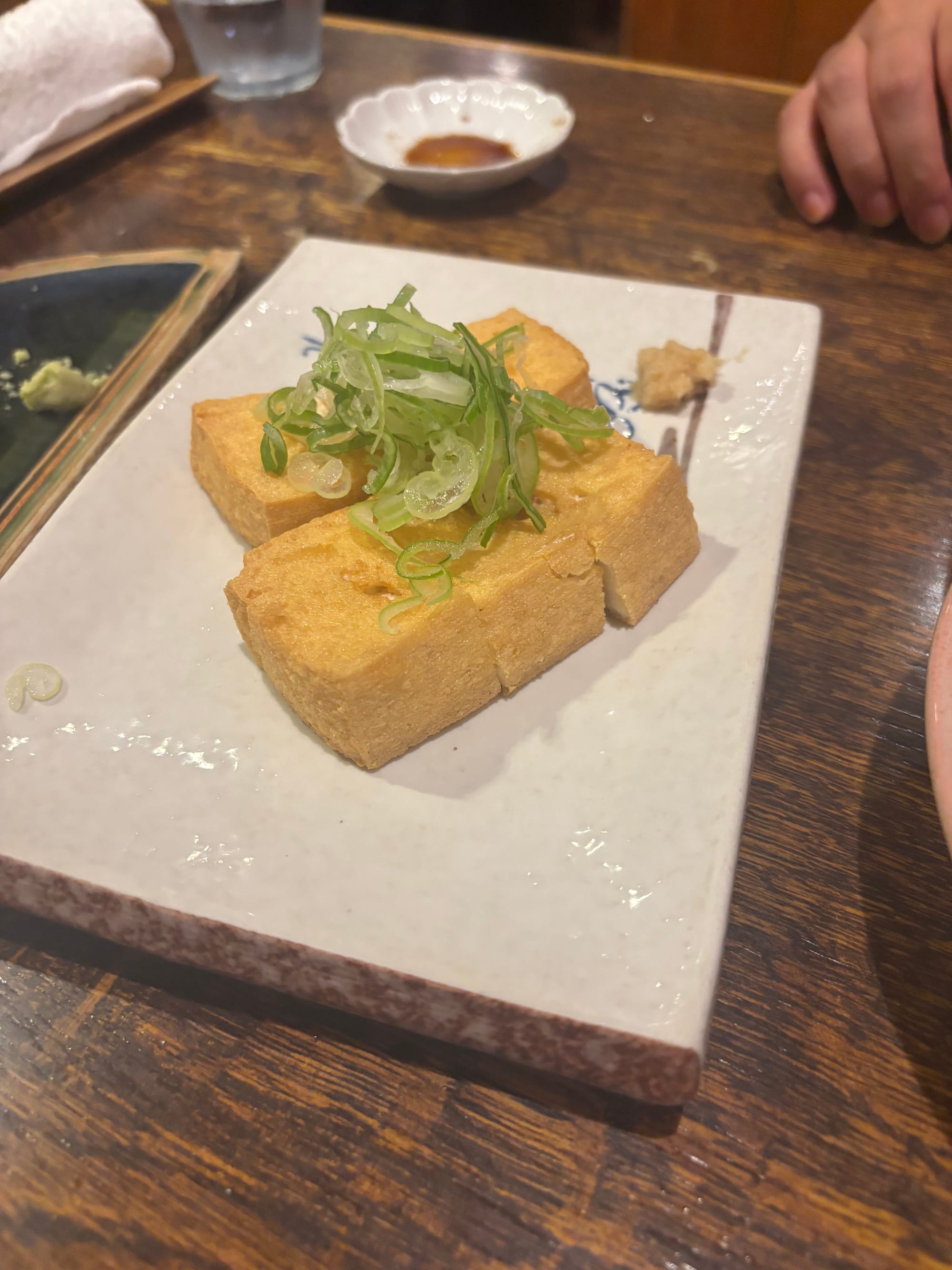
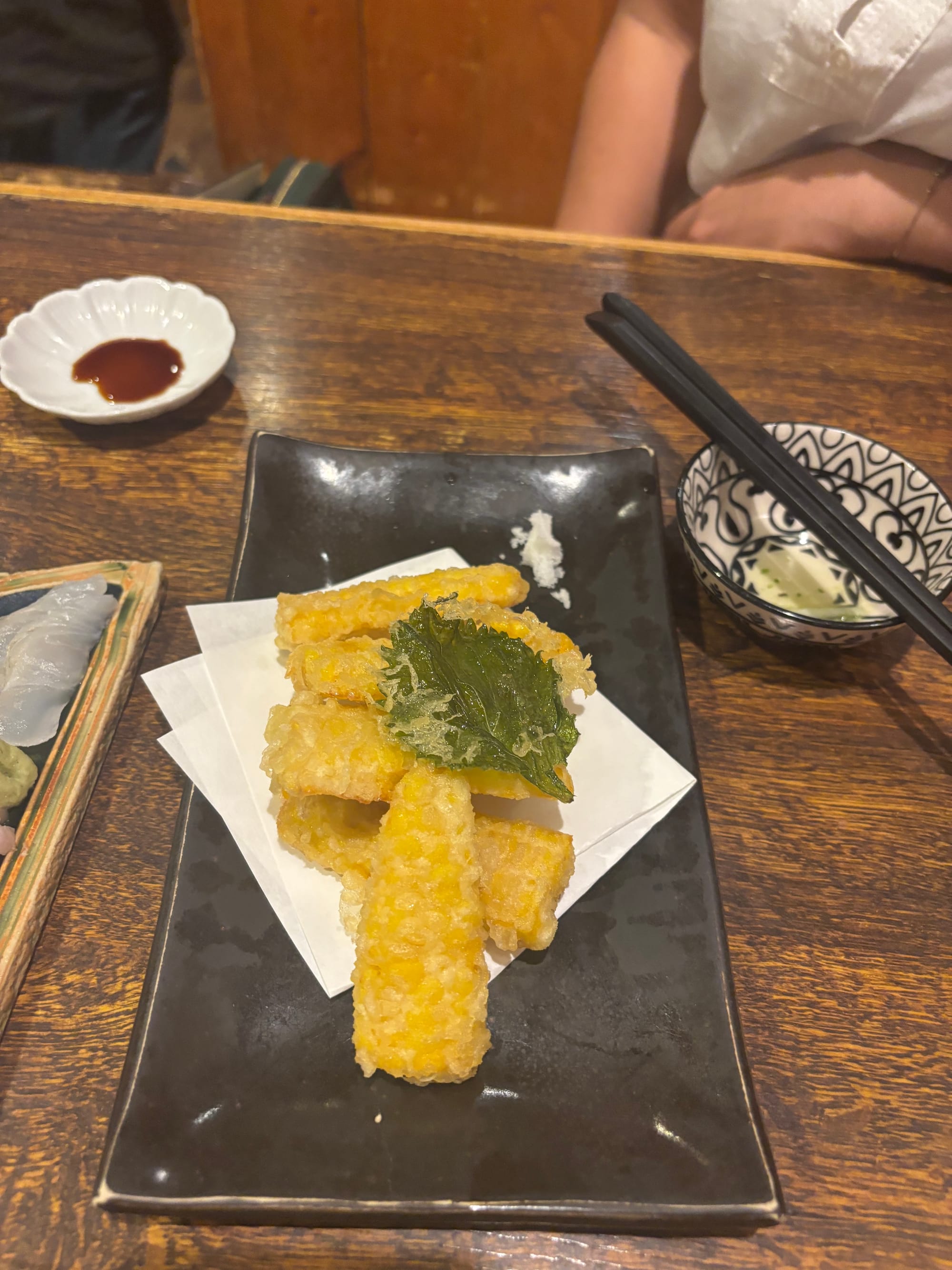
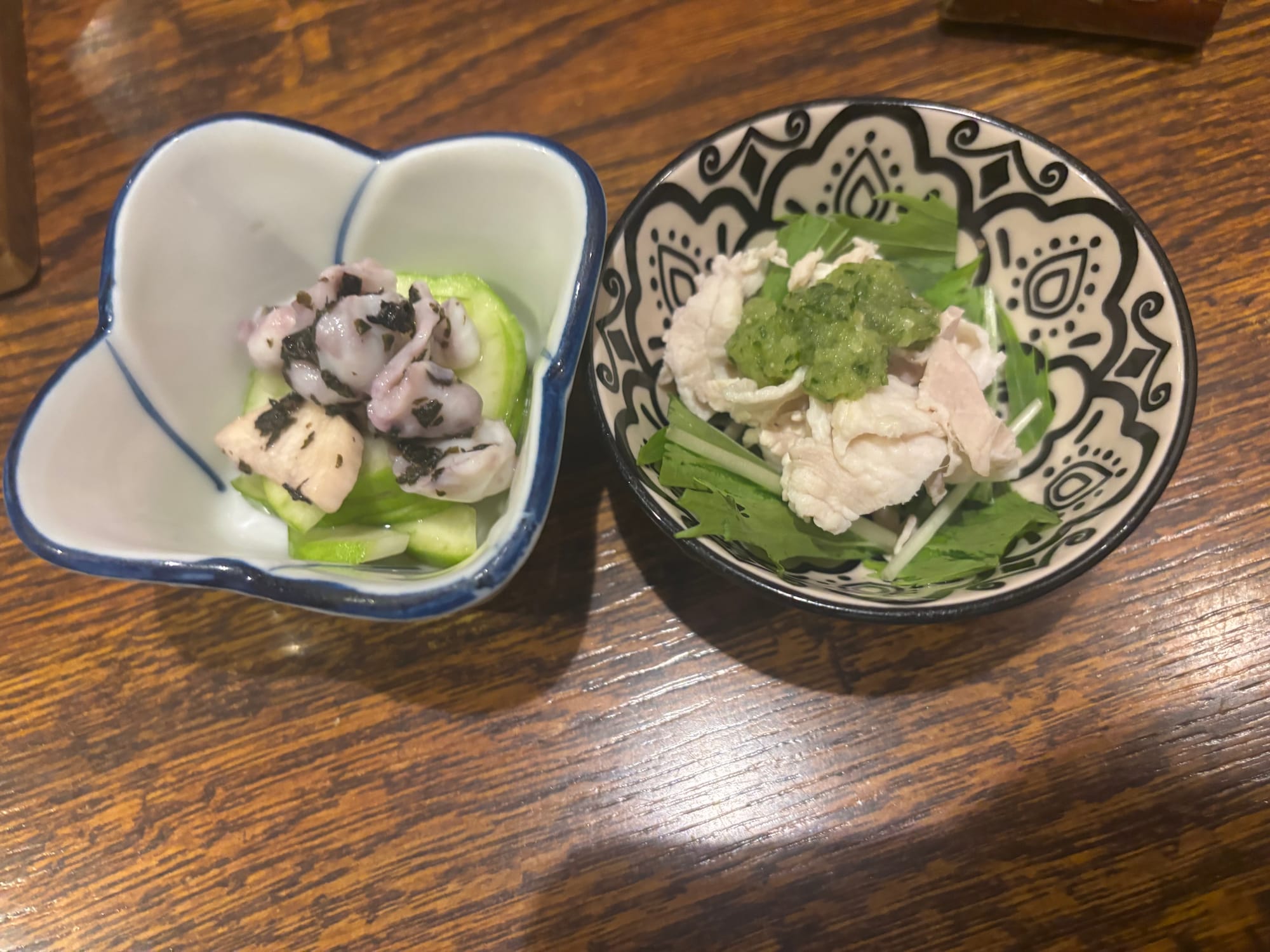
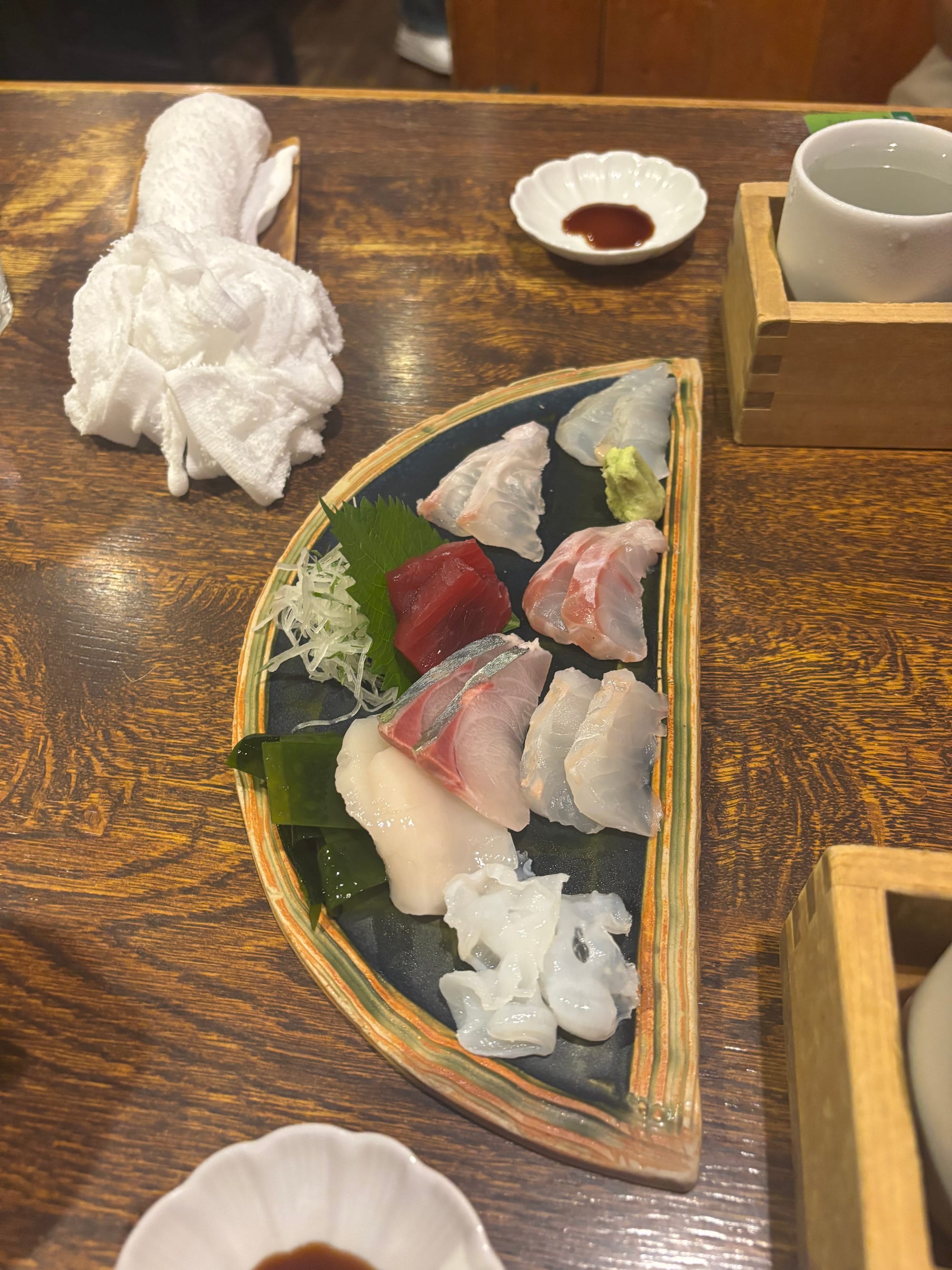
In kaiseki, the ideal is subtraction. What is bitter is soaked, what is harsh is cut away. Food becomes honest through the removal of its shadows. Once, in Sangenjaya where I lived, I often ate at a narrow counter that served tamagoyaki, sweet, unadorned, folded with care. The chef called it “the truth of the egg.” There was nothing to disguise, nothing to improve.
He explained that Japanese cooking seeks not to bring out flavour, but to take away whatever distorts it. Purity by negation. In Europe, the impulse is opposite: to deepen, to heighten, to bring forth. The former perfects by restraint; the latter by revelation.
Tokyo, characteristically, consumes both. It copies Kyoto’s austerity and Europe’s exuberance, layering imitation upon imitation. Michelin omakase beside fluorescent ramen stalls, subtraction and excess in a single breath. Girard would recognise the pattern: desire that multiplies through imitation until it becomes the pulse of culture itself.
To eat is to imitate. To refine is to love by restraint. Each gesture of preparation becomes a small exorcism of envy, a way of turning appetite into grace.
🏯 Stones and Steel
Architecture, too, reveals the mirror. Kyoto hides itself behind gates, gardens, corridors of quiet. The approach to a temple is an act of purification: every step removes a distraction. The structure does not insist on being seen; it waits.
Tokyo demands visibility. Its towers declare themselves against the sky, light folding on glass in endless recursion. And yet, amid the velocity, there are moments of stillness. In Shibuya I once saw a shrine enclosed by skyscrapers. Its reflection multiplied across the façades, a thousand altars, each one slightly distorted. It looked like the architecture of desire itself: repetition without rest, reverence without silence.
Kyoto’s wooden stillness and Tokyo’s mirrored brilliance are not opposites but stages in the same drama. One withholds; the other exposes. One seeks eternity by hiding, the other by dazzling. Between them lies the rhythm of a civilisation learning how to balance visibility and disappearance.
🍵 The Mirror of Desire
Girard’s idea of mimesis is both tragic and redemptive. To imitate without awareness is to fall into rivalry; to imitate with understanding is to move toward peace. Kyoto has mastered that conversion. It renounces competition, finding beauty in repetition, the still pond that mirrors the sky without claiming it.
Tokyo remains caught in the fever of creation, yet even its frenzy is a kind of prayer. Every trend, every reinvention, is an attempt to reach what Kyoto already possesses: the serenity of being enough. The cities mirror not opposition but yearning, the longing of the new for the old, and of the old for renewal.
Desire is never vanquished; it changes direction. The task is not to escape imitation, but to refine it until it becomes affection rather than rivalry.
🍶 Communion in the Everyday
One morning, at a café near Ueno, an elderly man served me an omelette on thick white bread. Nothing ornate, only egg, milk, sugar, the gentlest heat. The gesture was familiar. It reminded me that love, too, is learned through small repetitions, through the daily act of offering without expectation.
Girard wrote that imitation finds peace only when it becomes reverence. Perhaps this is what the Japanese culinary spirit has always known: that through removing what is harsh, one draws closer to truth. Each act of care, whether in food or affection, becomes a quiet counter-movement against the rivalry that drives the world.
🌸 The Unfinished Reflection
On the shinkansen back east, fields blurred into steel and sky. I thought of how each city completes the other’s sentence, Kyoto whispering through absence, Tokyo answering in light.
The mirror between them will never close. To break it would be to lose the vision itself. Perhaps that is the lesson: that the world’s beauty lies in its divided reflection, in the desire that travels between two faces of the same light, forever reaching, never resolved.