🪞 To Recall Is Not to Compute
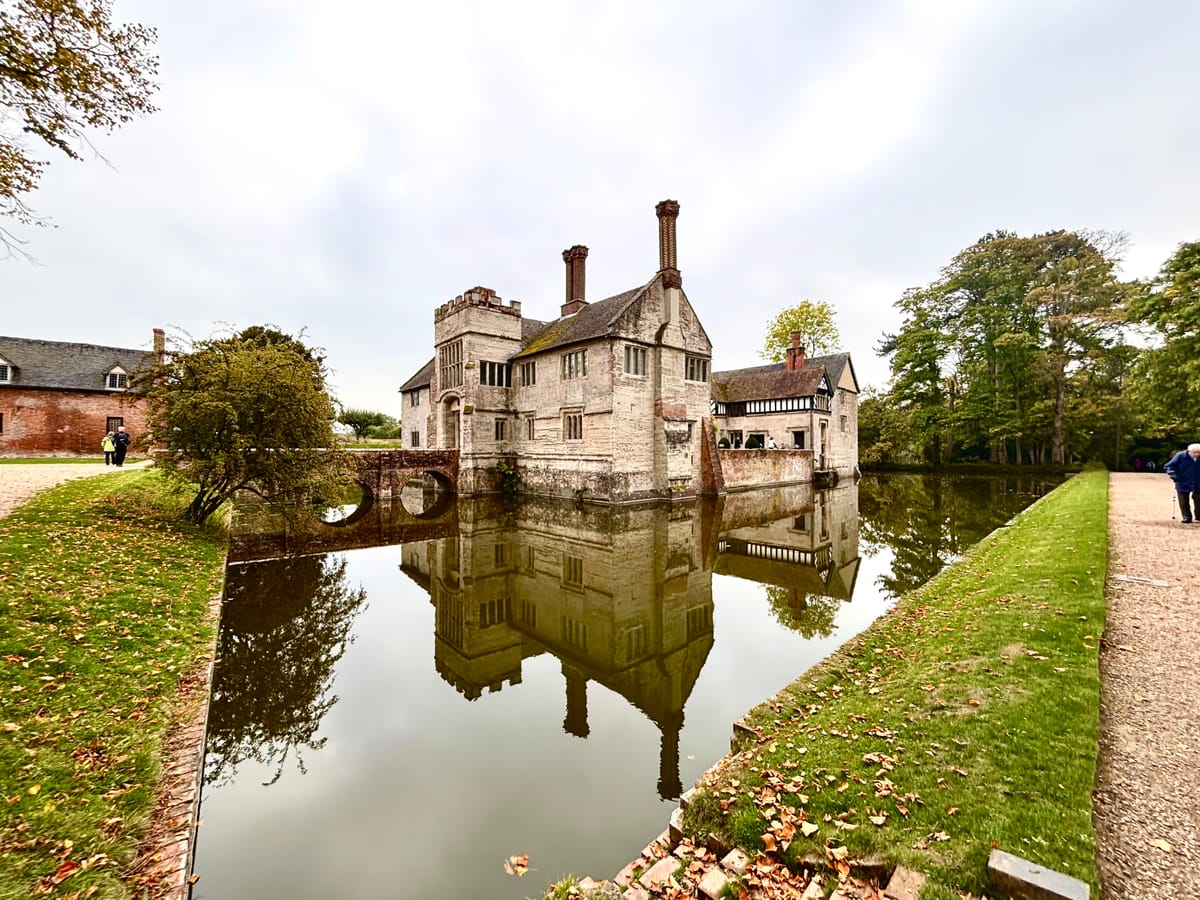
Baddesley Clinton, Bergson, and the Ghost of Mercy
“The pure present is an ungraspable advance of the past devouring the future.”
— Henri Bergson, Matter and Memory
“The sense of death is most in apprehension.”
— Measure for Measure, II.i
🕰️ Pure and Habit Memory
Henri Bergson wrote that memory divides in two. Habit memory belongs to the body; it repeats, perfects, and obeys. It is the memory of procedure, of rhythm learned by repetition: walking, reciting, striking a match. Pure memory, by contrast, belongs to the spirit. It preserves the past in its wholeness, not as record but as presence, every moment layered upon the next in a living continuity Bergson called durée, time as interpenetration rather than succession.
For Bergson, memory is not an archive but a mode of being. The past is never lost; it endures within consciousness as a vibration, a continual pressure upon the present. To remember is to bring that virtual past into actuality, to let the unseen depth of time rise again into view.
Artificial intelligence, however sophisticated, inhabits only the surface of this process. It recalls in order to act, it retrieves without transformation. A machine can reproduce the outcome of memory but not the movement of remembering, which always alters the one who remembers. Human recollection is creative, not repetitive. It is the reanimation of what has shaped us, the pulse of experience that survives its moment.
🌿 The House That Remembered
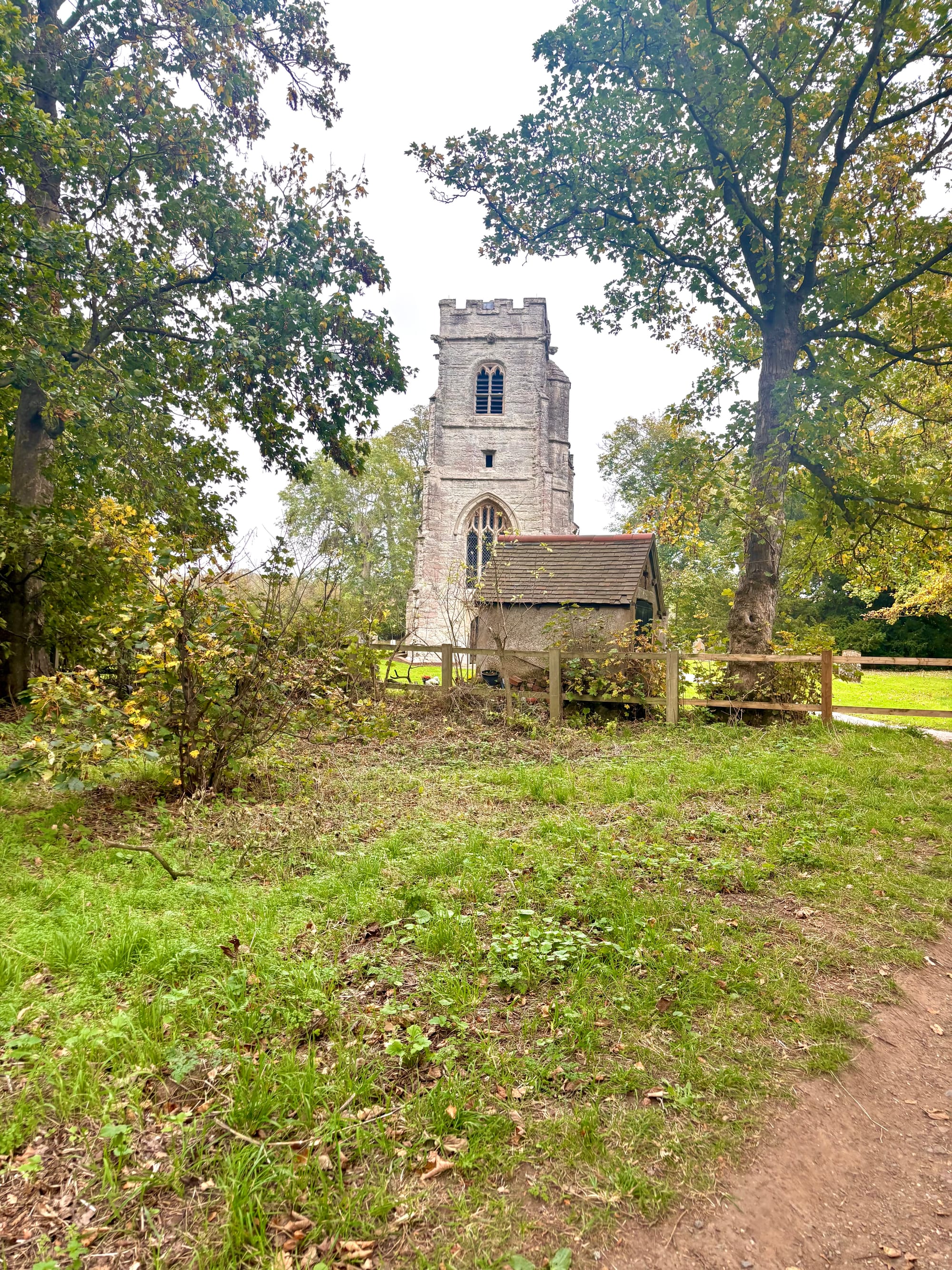
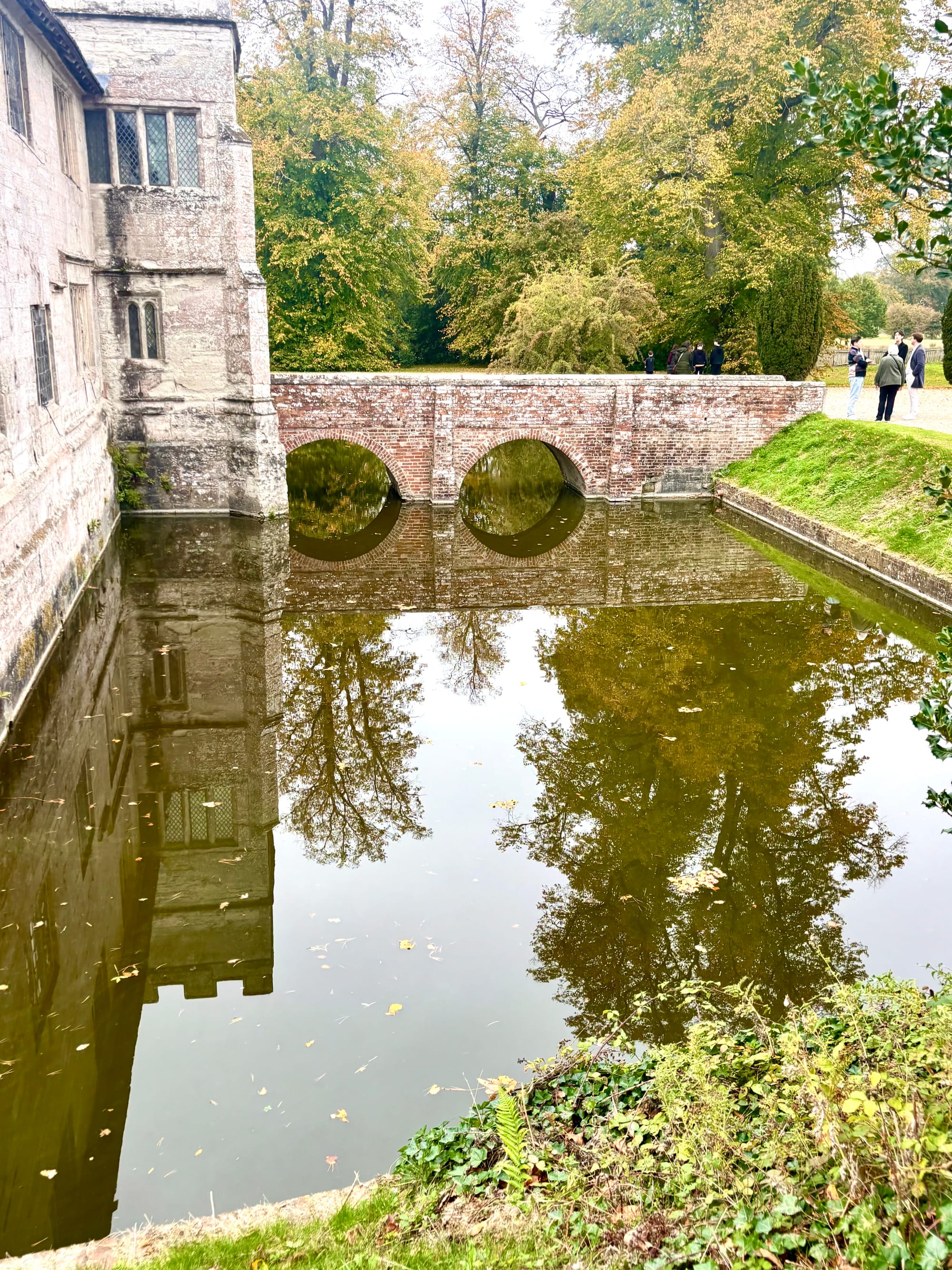
I arrived at Baddesley Clinton in the morning, when the light was still pale and clean. Mist hovered over the moat, softening the reflections of the house. The first visitors had not yet come. There was only birdsong, the slow drip of water from the bridge, and the faint scent of wax and oak that has clung to the house for centuries.
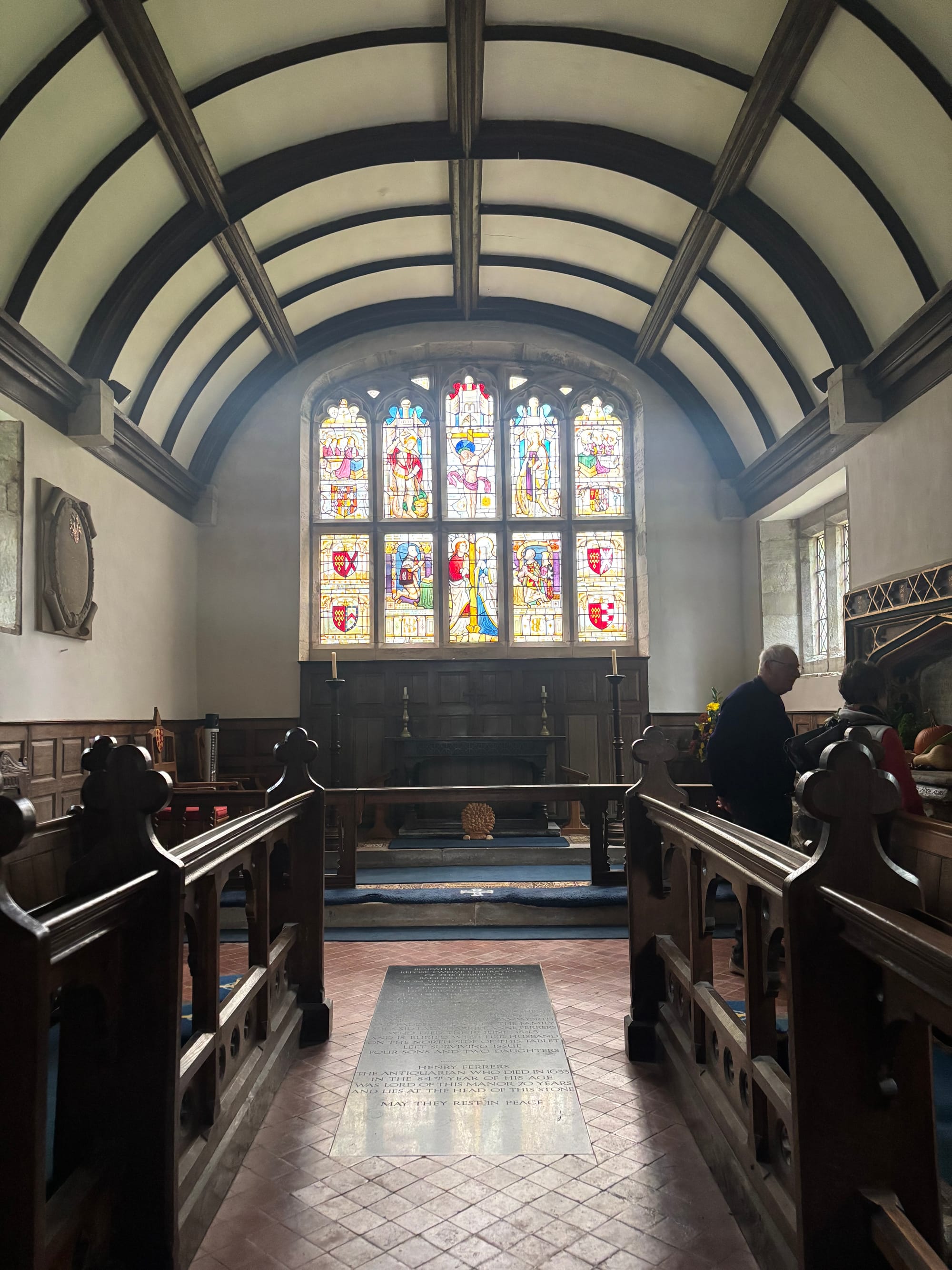
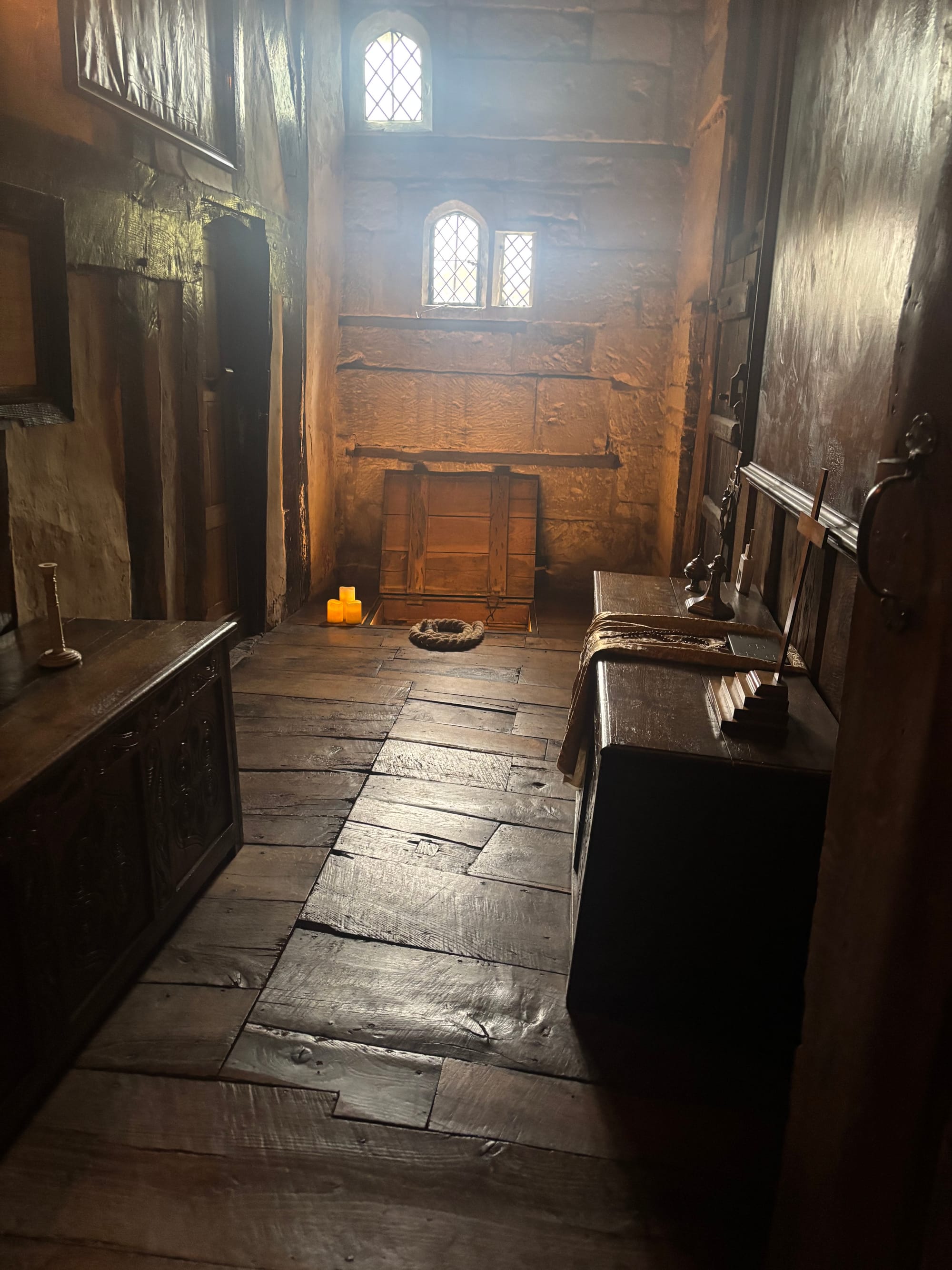
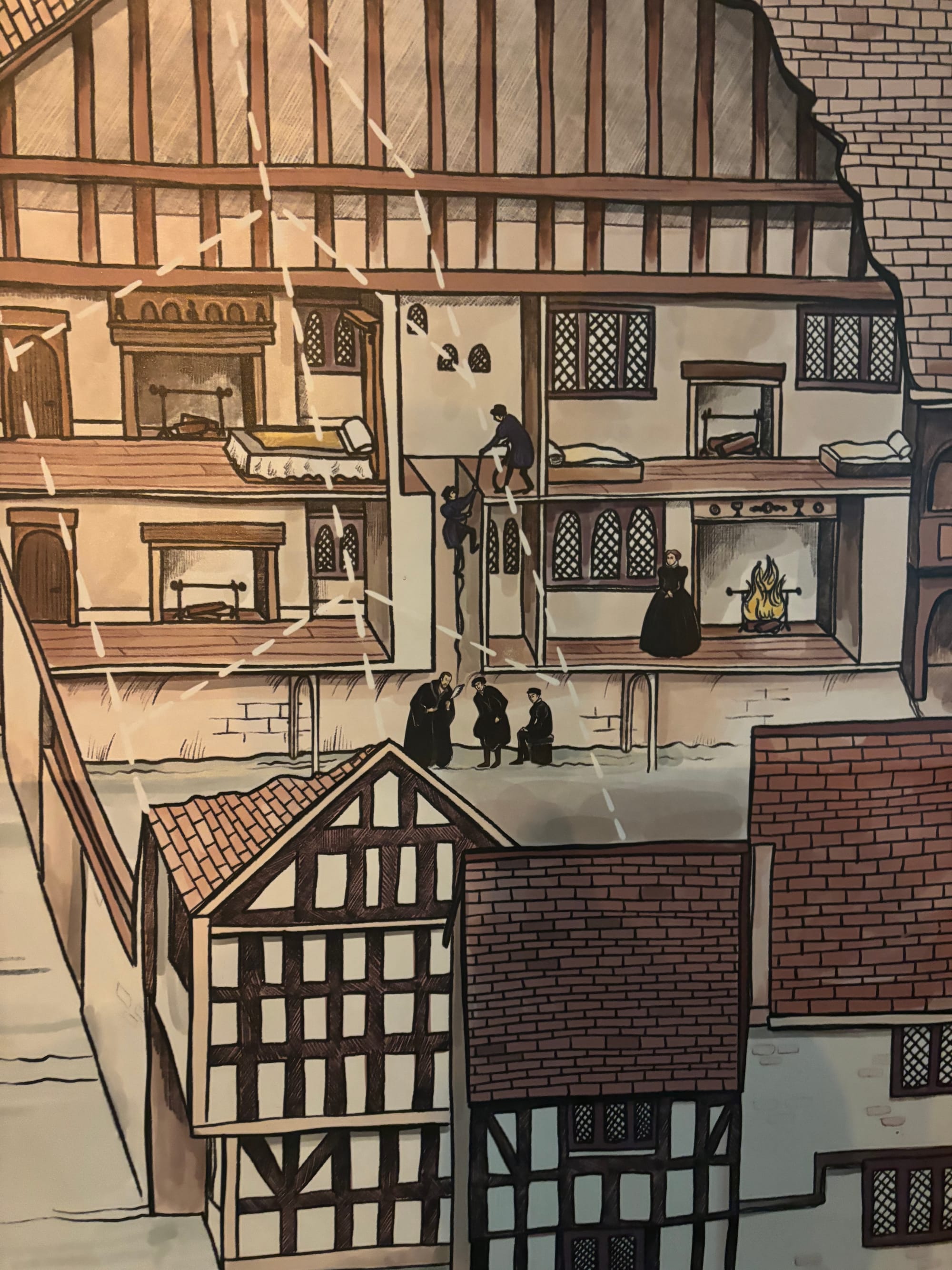
Beneath the chapel floor, the priest holes remain, narrow recesses of fear and faith built for men who once whispered Mass in the dark. The house does not record its history; it remembers it. The air itself feels watchful, as though the walls are still keeping secrets.
I rested my hand against the timber balustrade and felt the cool grain of the wood. The gesture was instinctive, almost devotional. For an instant, my former life as a priest returned: the quiet rituals of dawn, the rhythmic chant of psalms, the echo of words I once believed to be eternal. It was not recollection but pure memory, the past asserting itself through sensation. What I felt was not nostalgia but continuity, the living thread of a life that persists even when unacknowledged.
No machine could sense such persistence. AI can describe the texture of oak or calculate the weight of centuries, but it cannot feel how faith alters air, how fear sanctifies silence. It can process images but not presence. There is no algorithm for the moral residue of devotion.
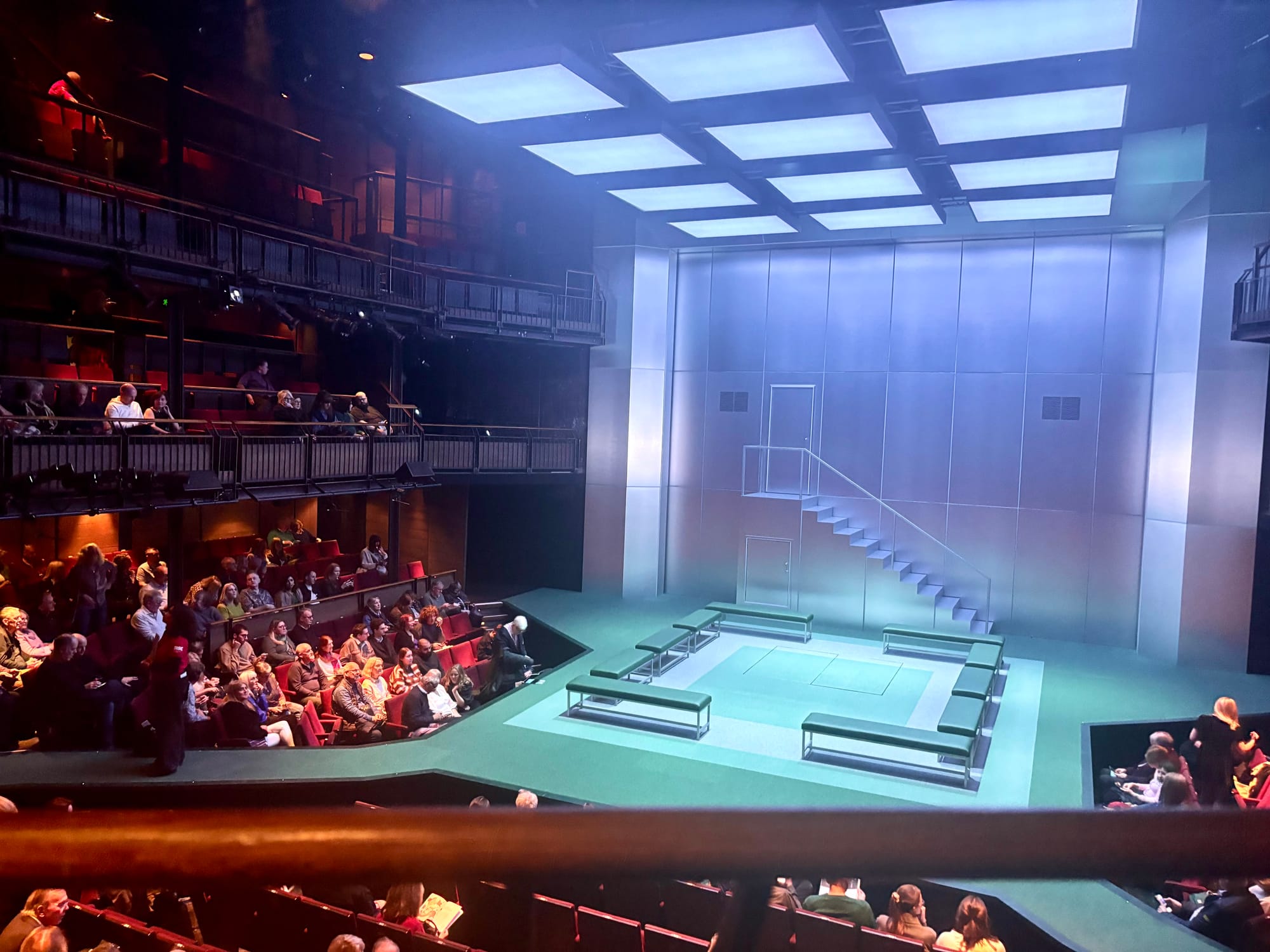
🎭 Measure for Measure
Later that afternoon, I travelled to Stratford-upon-Avon. The day had warmed, and the sunlight on the river felt like a change of mood. In the theatre, Measure for Measure unfolded with all its strange unease. The play still unsettles me more than any other; it speaks the language of both my lives.
Angelo, cold and judicial, is habit incarnate. He applies law with mechanical precision, forgetting that every statute once arose from human frailty. Isabella, pleading for her brother, appeals to another order of knowing. She remembers what Angelo refuses to recall, that justice and mercy are not opposites but reciprocities, that the law’s purpose is not purity but restoration.
“It is excellent
To have a giant’s strength; but it is tyrannous
To use it like a giant.”
Her speech awakens something deeper than intellect. It is a call to memory, to that inward recollection of weakness which allows one to forgive. Without this remembrance, justice turns algorithmic. Law becomes a habit stripped of humanity.
⚖️ The Mind and the Machine
Law and priesthood still meet uneasily within me, one seeking precision, the other transcendence. Yet both depend upon the same faculty: memory. Without it, neither conscience nor compassion could survive.
AI may parse a statute or predict a verdict, but it cannot remember why justice matters. It knows only correlation, not contrition. It lacks duration, that slow interior unfolding in which knowledge becomes wisdom. For Bergson, memory is not passive storage but the condition of freedom itself. We act freely only because the past endures within us as a horizon of meaning.
Conscience is the soul’s memory of itself. It fuses what we have done with what we might yet become. The one who forgets his past cannot act justly, for he no longer carries the measure of his own fallibility. To recall, in this sense, is to restore proportion between the human and the divine, between what is lawful and what is merciful.
To recall is to reinhabit; to compute is merely to reproduce. The one transforms action into meaning, the other leaves the world untouched.
🕯️ Coda: On Being Remembered
When I left Baddesley Clinton that morning, the house had already begun to fade behind the trees, yet it seemed to follow me, as if thought itself could linger in wood and water. By evening, in Stratford, I realised that the day had traced a kind of moral arc, from concealment to confession, from hidden faith to public justice.
As night fell, I thought again of Bergson, of his belief that time is not a straight line but a rhythm, and that all things endure by remembering themselves. The same truth holds for us. We are not archives but continuities, our lives layered like the rings of an old tree, each season still alive within the next.
To be human is to carry within us the strata of all that has been: vows, betrayals, affections, silences, and to find in them not repetition but redemption. In the courtroom, as in the cloister, what redeems judgement is not accuracy but remembrance, the capacity to see in each defendant, each sinner, the echo of ourselves.
Machines can calculate justice, but they cannot remember mercy.
And perhaps that is what saves us, that we are capable of being haunted by our own persistence in time.