🪶 The Weight of Names: The Jewish Cemetery of Prague
“All real living is meeting.”
Martin Buber, I and Thou
“Even in the darkest of times we have the right to expect some illumination.”
Hannah Arendt, Men in Dark Times
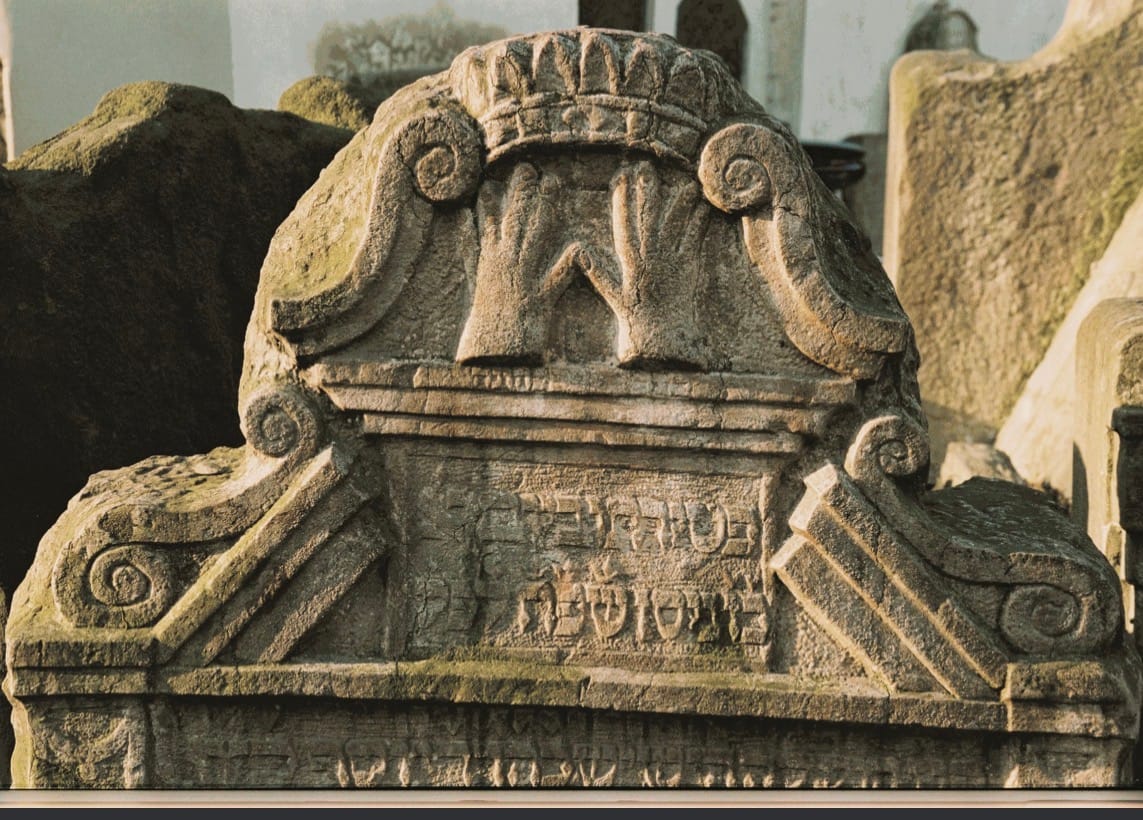
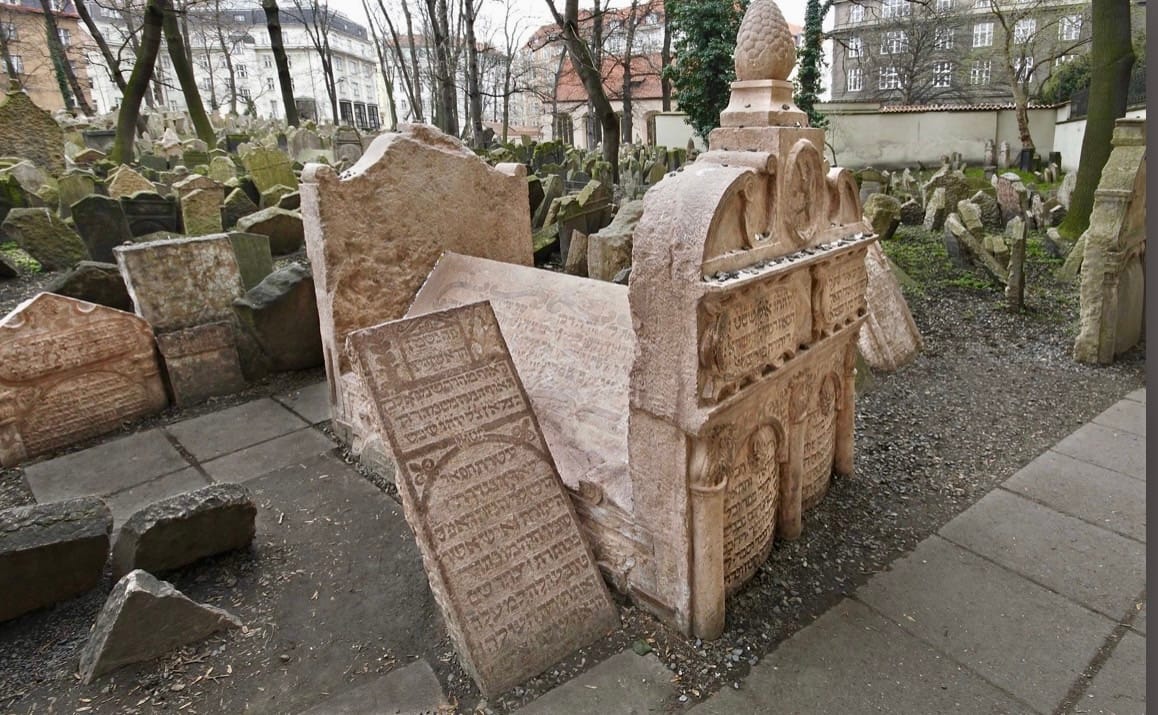
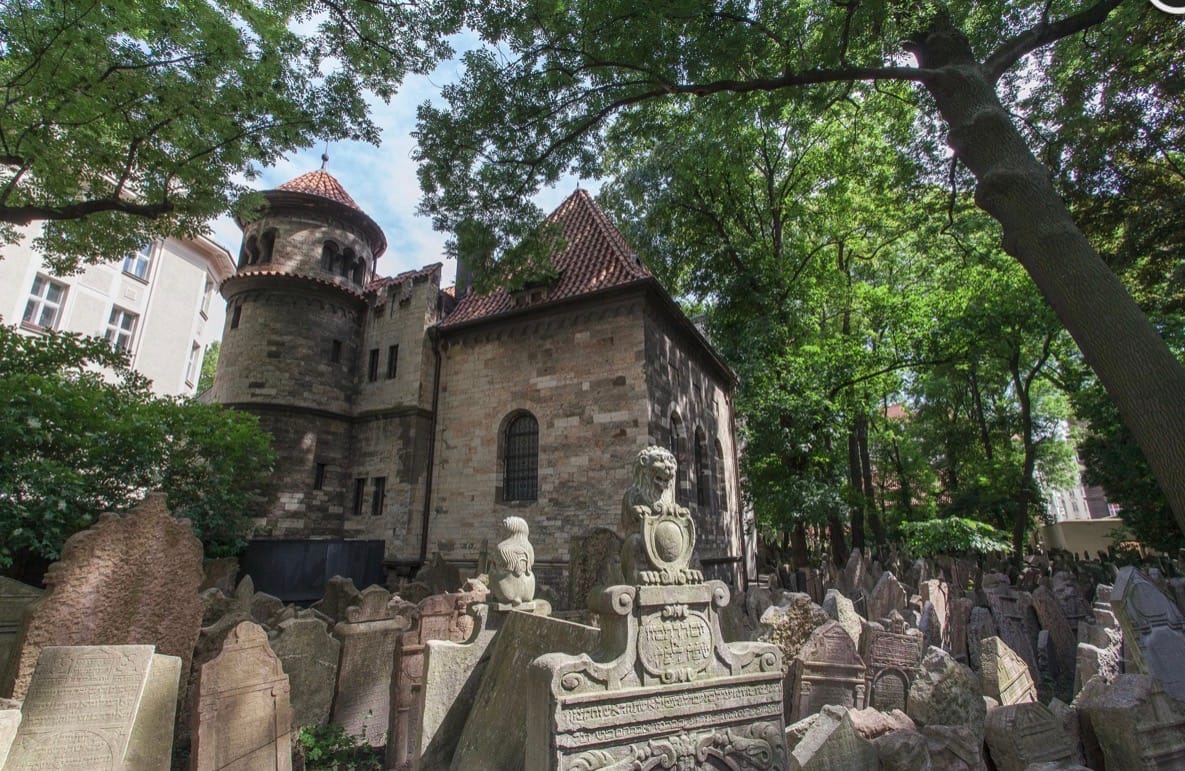
The Old Jewish Cemetery in Josefov feels less like a burial ground than a memory made visible. Graves rise and crowd upon one another, twelve layers deep. Because the Jews of Prague were denied new soil, they built their eternity upward, pressing history into itself. The ground swells with the weight of generations, each stone leaning toward its neighbour as though whispering an old secret.
It is said that more than a hundred thousand people rest here, although the word rest feels false. Nothing rests in this place. The air itself seems alive with continuity. You feel it in the moss, in the Hebrew letters still sharp in stone. I walked slowly, aware that each step pressed upon the bones of those denied elsewhere.
Prague, a city of saints and spires, keeps within its heart this enclave of otherness, a reminder that Europe’s moral imagination was built on borrowed stone.
Another cemetery shadows this one, although it exists only in literature. It is the cemetery Umberto Eco imagined in his novel The Prague Cemetery. His invented landscape of forgeries and conspiracies stands as a dark mirror to Josefov. Eco shows that the danger was not ignorance but invention. Europe imagined the Jew into monstrosity. It preferred the forged document to the real neighbour. The cemetery of stone is truthful. The cemetery of literature became lethal. One preserves memory. The other corrupted it.
🕍 The City and Its Shadows
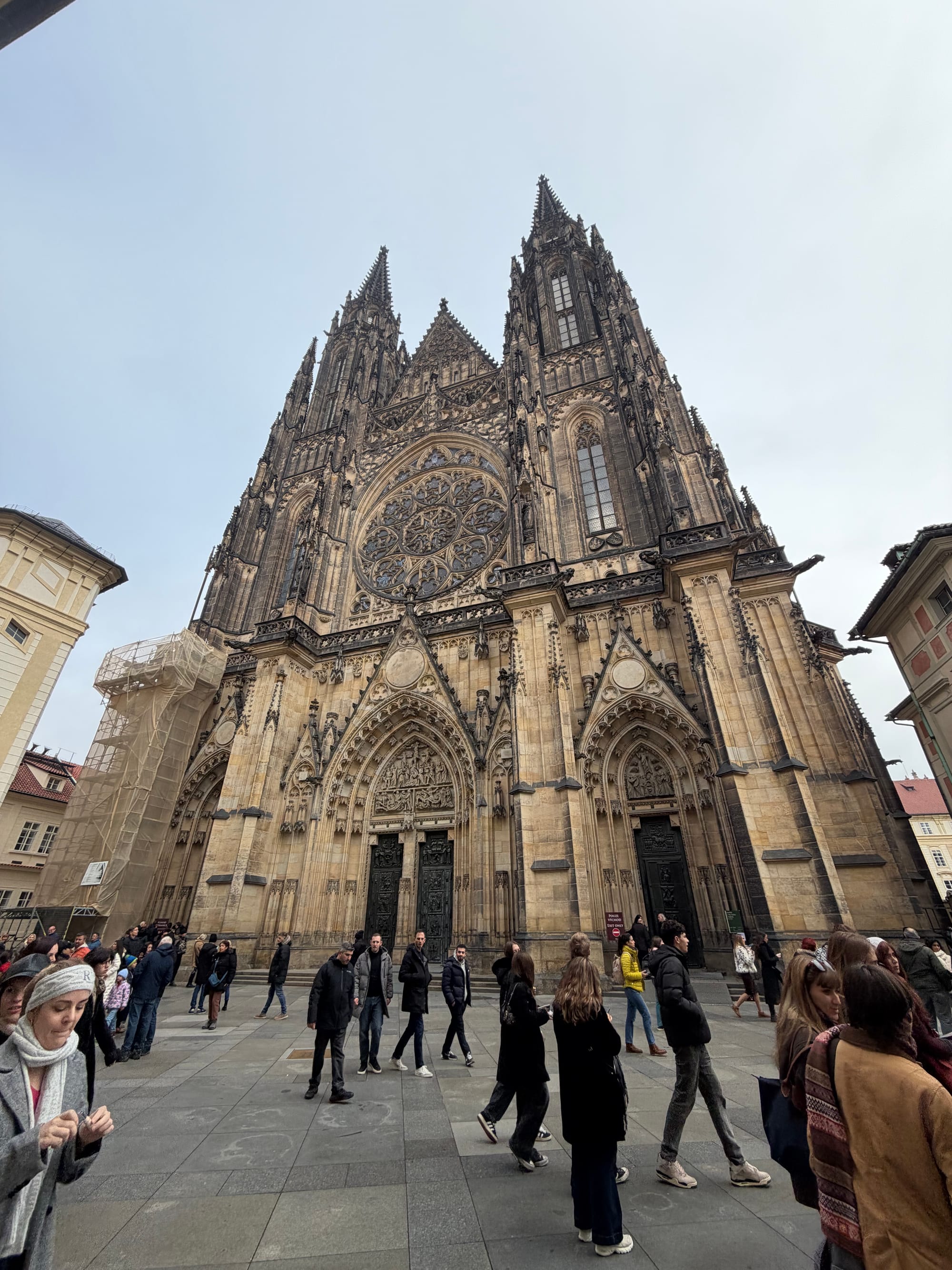
Few cities wear their religions so openly. The towers of St Vitus and the dome of the Spanish Synagogue share the same skyline, their silhouettes divided by the Vltava’s silver arc. Each quarter speaks a different liturgy: Latin, German, Hebrew, Czech.
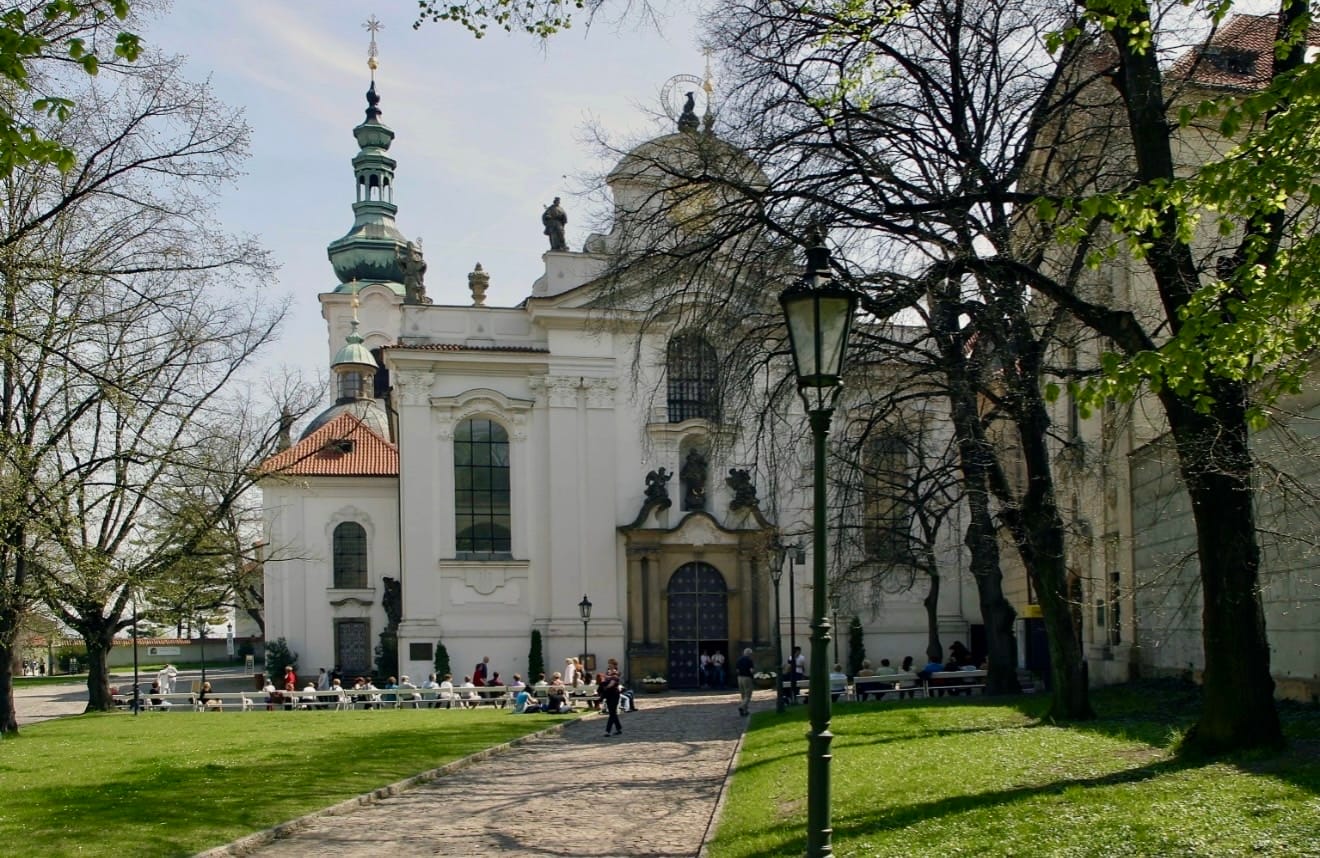
Walking the castle district, I passed Strahov Monastery. The white façade rises cleanly between early spring trees. The Premonstratensians have kept vigil on this hill since the twelfth century. Their life combines liturgy, scholarship, and service.
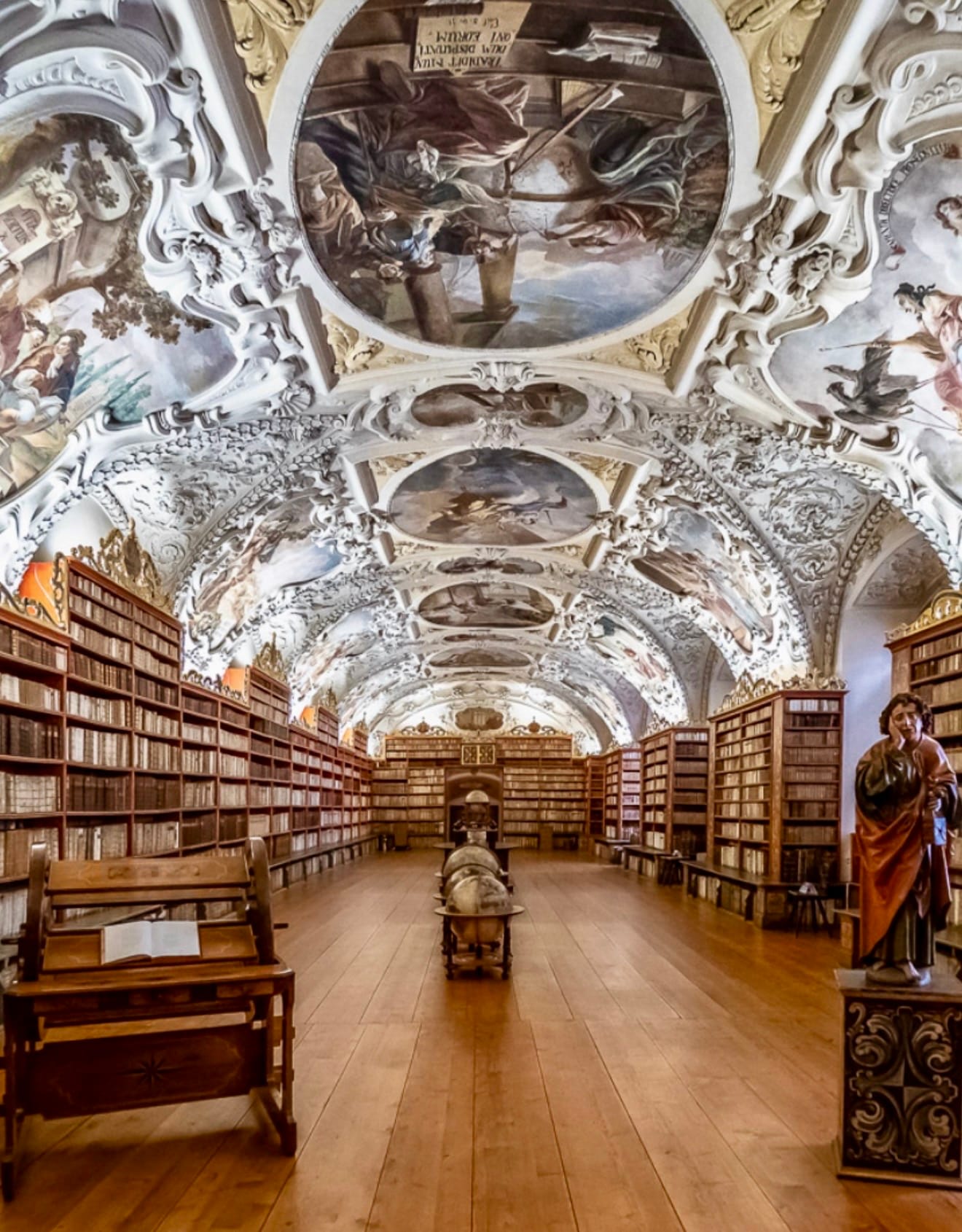
Gilded shelves rise in ordered ranks. The vault curls with stucco and fresco. The room looks like a vision Augustine himself might have carried in his mind when he spoke of Scripture as a vast library. He believed that the Bible was not a simple book but a universe of signs, a world in which every page draws the soul toward truth. Yet these same halls preserved the Hebrew Scriptures, even as the Church often forgot the people who wrote them.
📜 The First Word
The Old Testament is not a preface to something greater. It is the primal literature of conscience. Its grandeur lies in its refusal of simplicity. It does not console. It confronts. Its heroes are not types but wrestlers. Jacob’s struggle at the ford is humanity’s own. He holds onto God long enough to demand a blessing.
Yet the Hebrew Scriptures are also a love story. From Hosea’s aching fidelity to the sensual allegory of the Song of Songs, the narrative describes a God who falls in love with a people, is betrayed, forgives, and falls in love again. Covenant is not contract but intimacy. It is an affair of passion, jealousy, and mercy.
This divine love is never sentimental. It demands justice as proof of affection. Again and again, the prophets repeat the triad that defines biblical ethics: protect the widow, the orphan, and the stranger. God desires not ritual alone but righteousness. To defend the defenceless is to honour the God who defends the forgotten. In a world that measured virtue by strength, the Hebrew law sided with weakness.
That revolution endures. Every humanitarian instinct in the modern conscience, from asylum law to social welfare, echoes that ancient command. The moral foundation of the West was laid by those who remembered that holiness begins in hospitality.
We call our moral world Judaeo Christian, but it is Judaeo first. The Christian imagination is derivative of that original astonishment: the realisation that justice is not human invention but divine demand, and that to love God is to love the vulnerable. Without that covenant, grace would have no ground on which to fall.
⛪ The Quarrel Within
How the First Centuries of Christianity Forgot Its Parentage.
Every faith begins in argument, and Christianity began by arguing with itself. In its first century two instincts faced one another. The Ebionites, still observing the Law, saw in Jesus the fulfilment of Israel’s promises. The Marcionites, scandalised by the wrath and complexity of the Hebrew God, sought to abolish the Old Testament and to proclaim a new deity of pure love.
Between these extremes the Church sought identity. It tried to unite inheritance with universality. The debate was never resolved. Each generation replayed it in subtler forms. Fidelity contended with rupture. Gratitude contended with pride. From that first quarrel unfolded the entire drama of Christian theology, the struggle to claim the Hebrew Scriptures without honouring the Hebrew people.
I. 🕊 From Dialogue to Definition: Justin and the Birth of Apology
Justin Martyr’s Dialogue with Trypho stages a courteous argument between a philosopher who has newly converted to Christ and a Jew who remains loyal to the Law. Justin speaks gently, yet beneath the courtesy lies a claim of supersession. The Law was a tutor whose work is complete. Circumcision, once sacred, is now symbolic.
In defending Christianity before the empire, Justin defined Judaism as the faith of the past. The covenant was not denied, simply concluded. This gesture, seemingly benign, became the grammar of later exclusion. Praise was followed by replacement. Respect was followed by erasure.
II. 📜 Allegory and Displacement: Origen and the Spiritual Israel
A century later Origen transformed Scripture into allegory. For him, the literal sense concealed the spiritual, and the visible Israel prefigured the Church. His brilliance freed the text from history while exiling the people who gave it birth.
In his hands Abraham’s descendants became virtues of the soul. The Exodus became the ascent of the mind. Circumcision became purity of heart. The Jew as neighbour dissolved into metaphor. Allegory became a gentle solvent of empathy.
III. 🔥 Rhetoric and Fear: Chrysostom and the Turn to Hostility
By the late fourth century interpretation had become identity. John Chrysostom thundered against Christians who still attended synagogues. Pastoral anxiety rose into vitriol. The synagogue became a brothel in his rhetoric. The Jews became animals.
Chrysostom’s fury mattered because he preached to the imperial Church. His rhetoric helped transform theology into policy. Difference became danger.
IV. 🏛 Preservation through Humiliation: Augustine and the Witness Doctrine
Augustine attempted to soften the wound. Against the Donatists and the Manichees he argued that the Jews must not be destroyed. They must live as witnesses to prophecy. Their survival confirmed Scripture’s truth.
Yet his theory still demanded subordination. The Jew must live, but in humiliation. He must bear witness, yet never speak. Augustine’s attempt at mercy created a theology of tolerated inferiority.
V. ⚖ From Theology to Empire: Theodosius and the Codification of Exclusion
When Christianity merged with imperial power, interpretation hardened into law. Under Theodosius, synagogues could no longer be freely built. Jews were barred from public office. Conversion to Judaism was punished.Hermeneutic quarrel became civic architecture.
VI. 🌾 The Forgotten Kinship
Seen across these centuries, the pattern feels tragically inevitable. Each generation secured its identity by distancing itself from its source. Apology became allegory. Allegory became invective. Invective became statute.
Yet within the progression flickers a paradox. Every Father who denounced Israel relied on Israel’s text to do so. The Psalms, the prophets, the covenant story all remained the Church’s foundation. Hostility was haunted by dependence.
Christianity’s first wound was not a heresy but forgetfulness. It was the gradual erasure of the ancestry that made Christ intelligible.
VII. 🌫 The Echo in Stone
To stand among the graves of Josefov is to feel that genealogy beneath one’s feet. The angled stones seem to lean into one another like elders in conversation. The lion crests guard the resting places of scholars. The priestly hands carved in relief still bless the air. Every tomb bears the trace of a world that refused to lose its memory.
This is not a cemetery in the usual sense. It is a rising landscape of remembrance. It feels restless, insistent, unwilling to lie down flat.
⚖ The Christian Conscience
Antisemitism is not merely prejudice. It is metaphysical envy. It is the resentment of a people whose covenant gave the West its conscience. In the Middle Ages antisemitism confined the Jew. In modernity it denied him nationhood. Both attempted to erase the reminder that faith once meant obedience rather than comfort.
Other nations have committed genocide. History is not innocent. Yet only Europe directed genocide specifically at the Jews. This came from a civilisation-deep imagination in which theological forgetting hardened into racial annihilation. Genocide is universal. Antisemitic genocide is European.
This is why post Gaza antisemitism must be approached with vigilance. Criticism of Israel is legitimate and necessary, yet Europe has a history in which political outrage slides easily into revived civilisational hostility.
Arendt wrote that evil begins in thoughtlessness. It begins not in hatred but in abstraction. Modern detachment magnifies this danger. Media currents reward outrage rather than fidelity to truth. The tragedies of Palestinians are profound. So too are the tragedies of Syrians, Yemenis, and Nigerians. Yet attention is not justice. Compassion shaped by algorithms becomes performance. The danger is twofold: selective empathy and selective blame.
🕍 Hussite Memory and the Stones of Prague
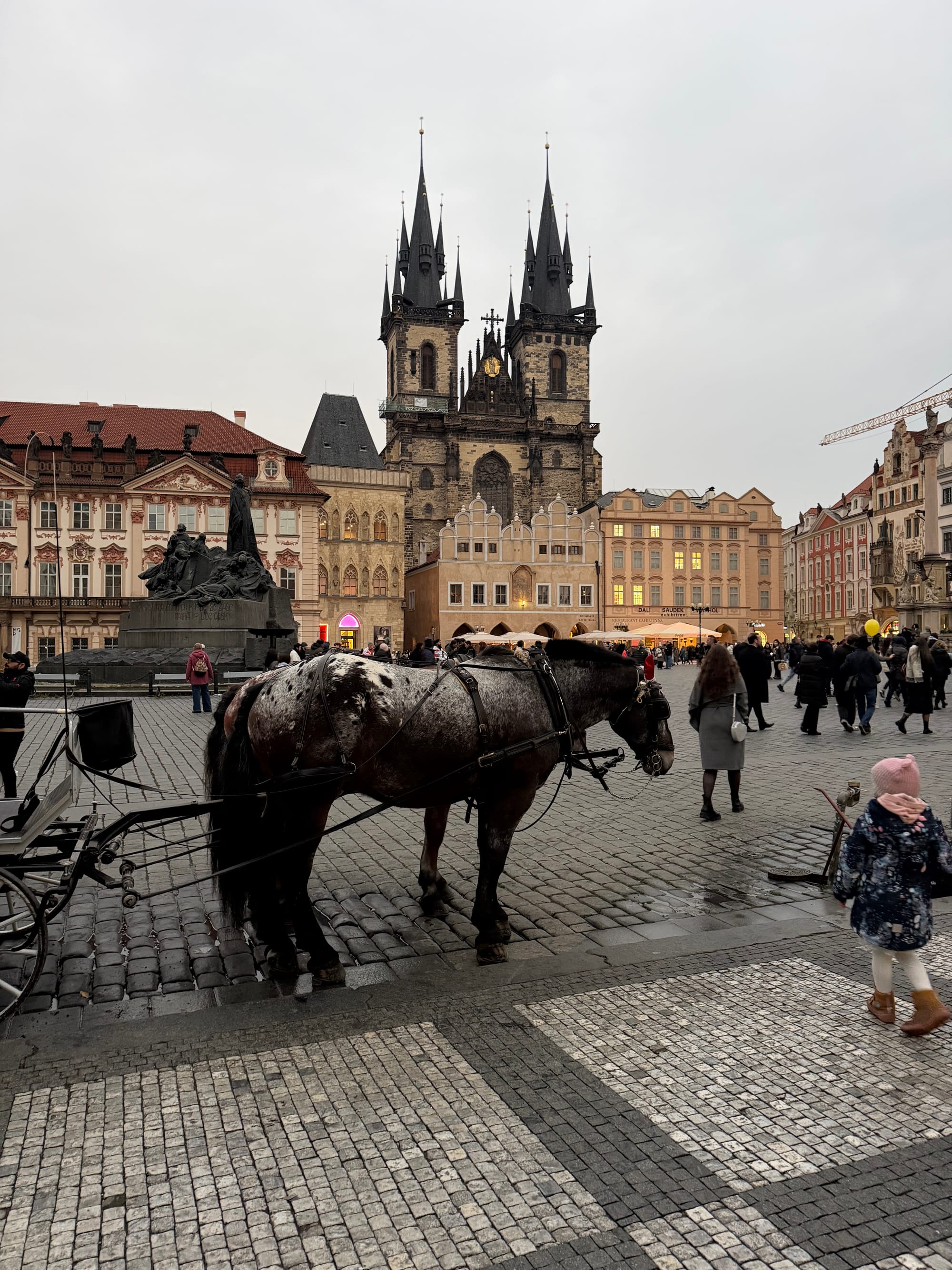
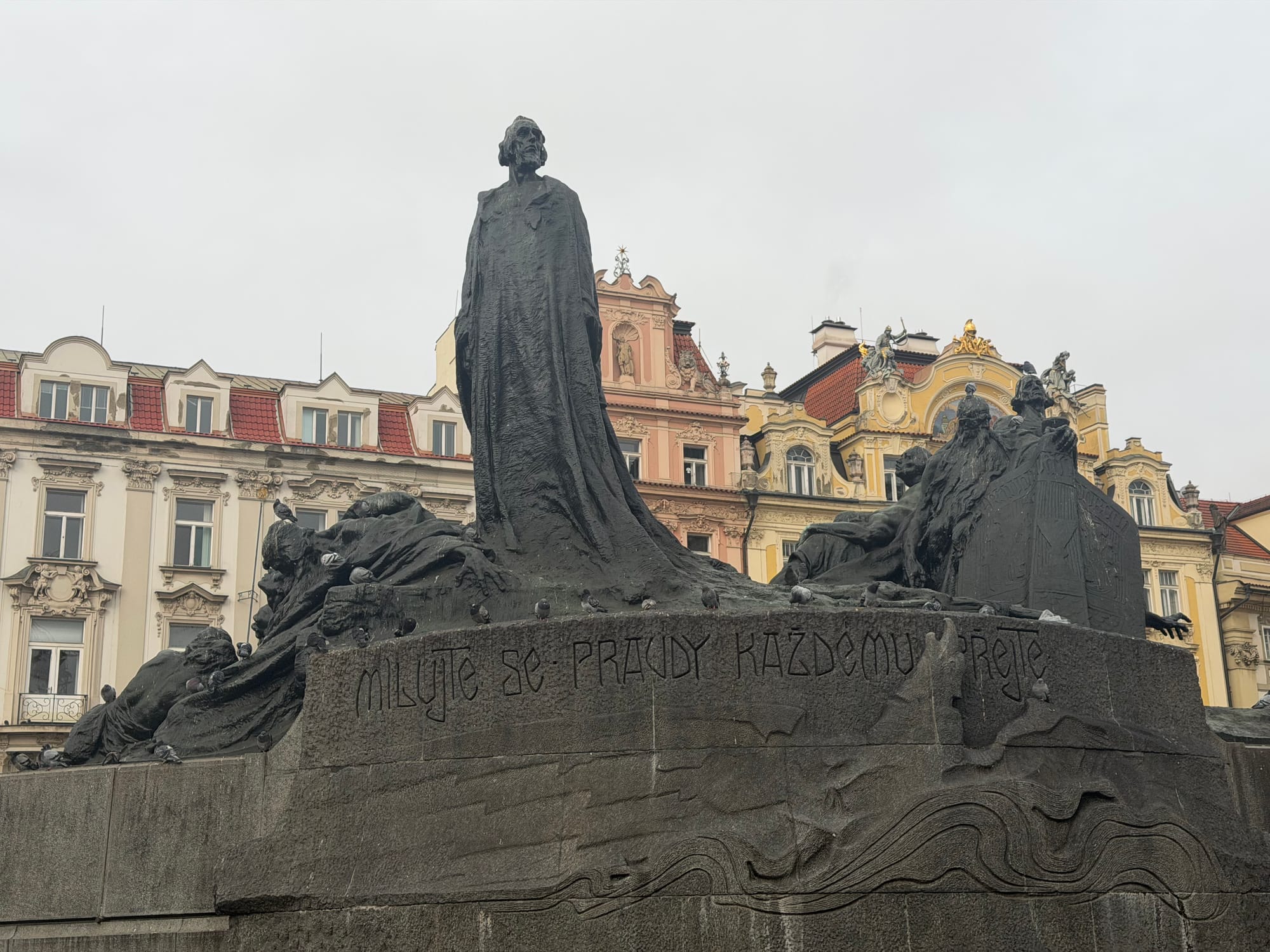
Hus was not a Jew, yet he suffered for conscience in ways that echo through the city’s stones. The monument stands stark and austere against Old Town Square. It shows that Prague has more than one wound. It also reminds us that reform and persecution often intertwine.
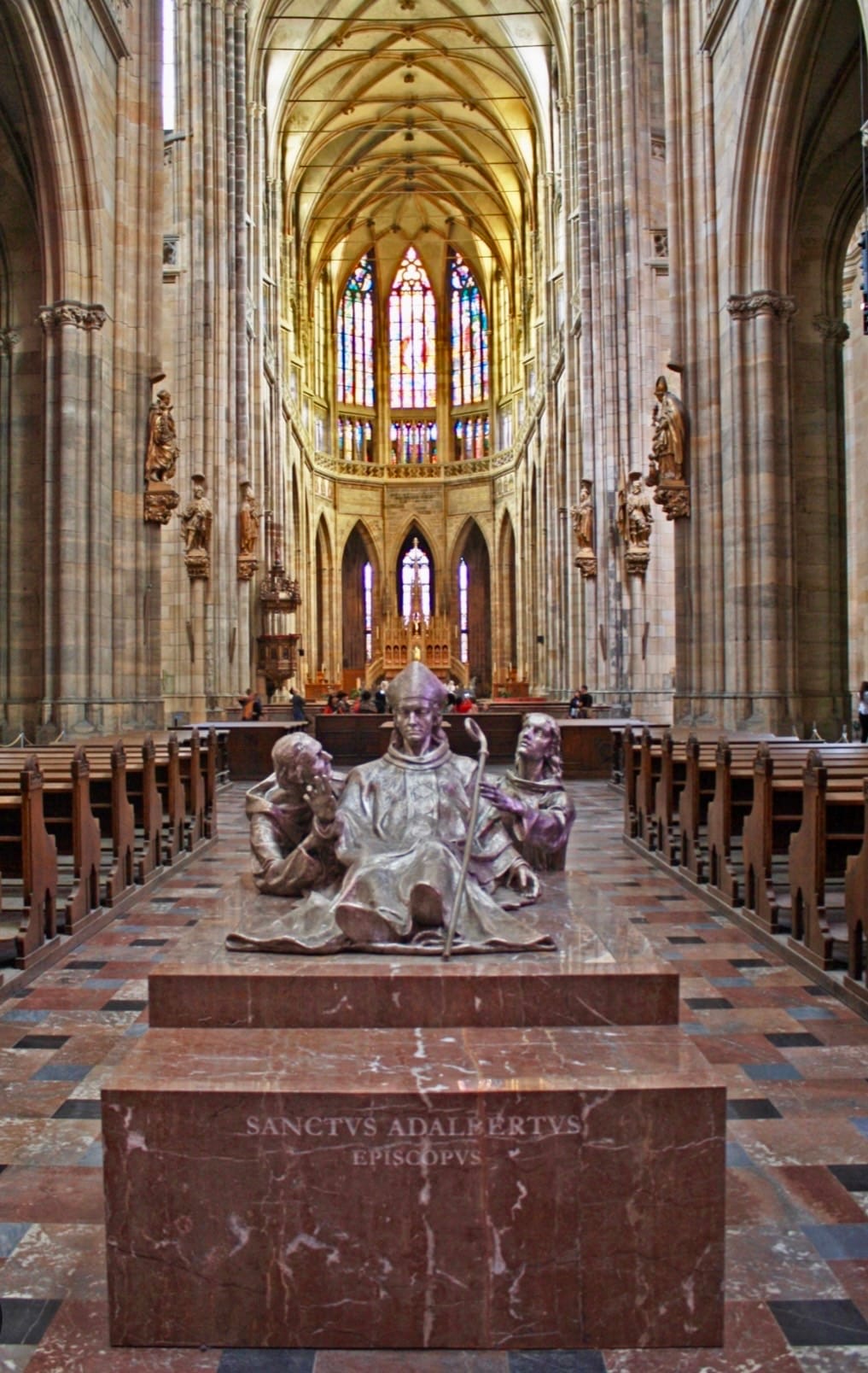
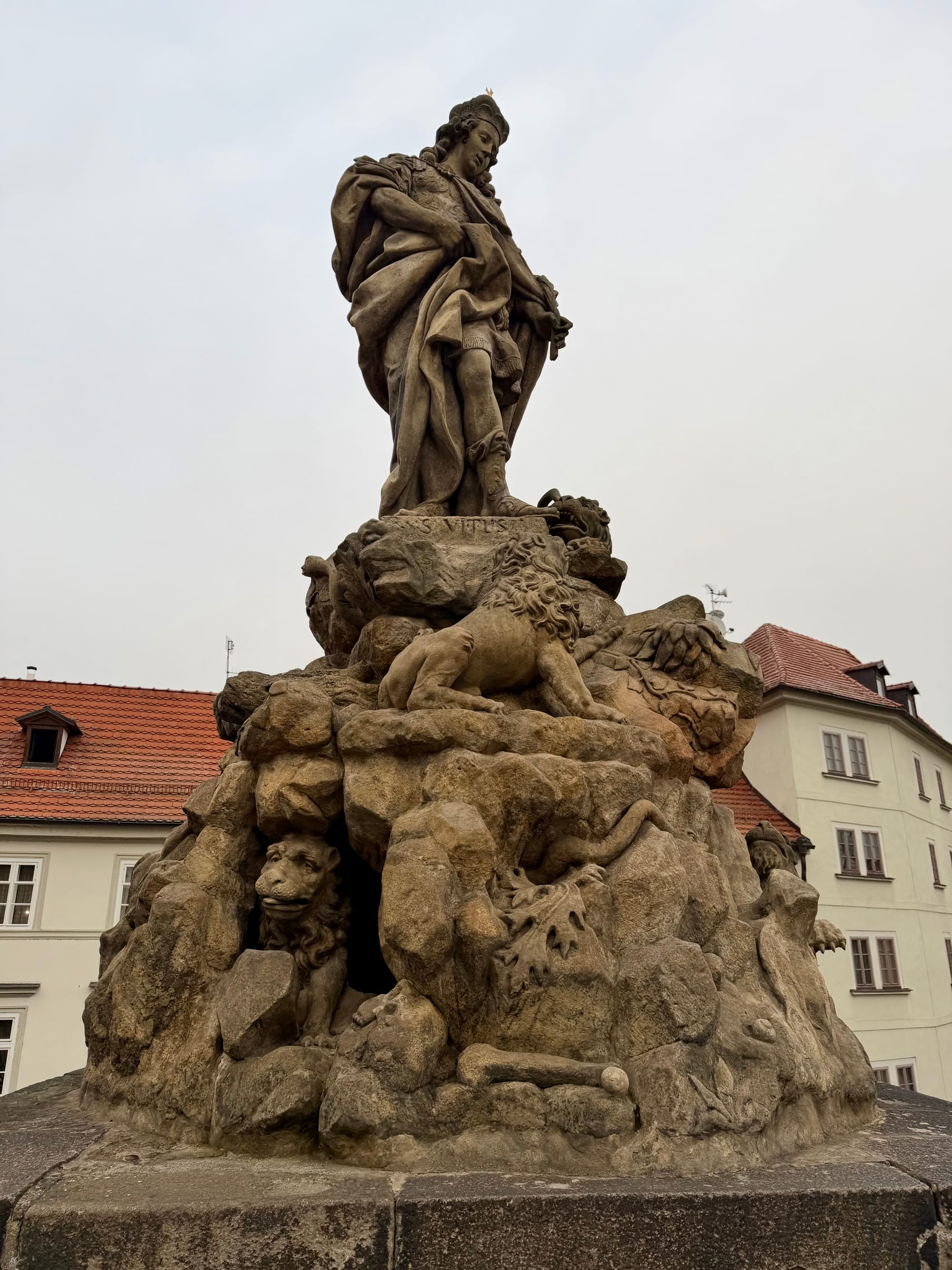
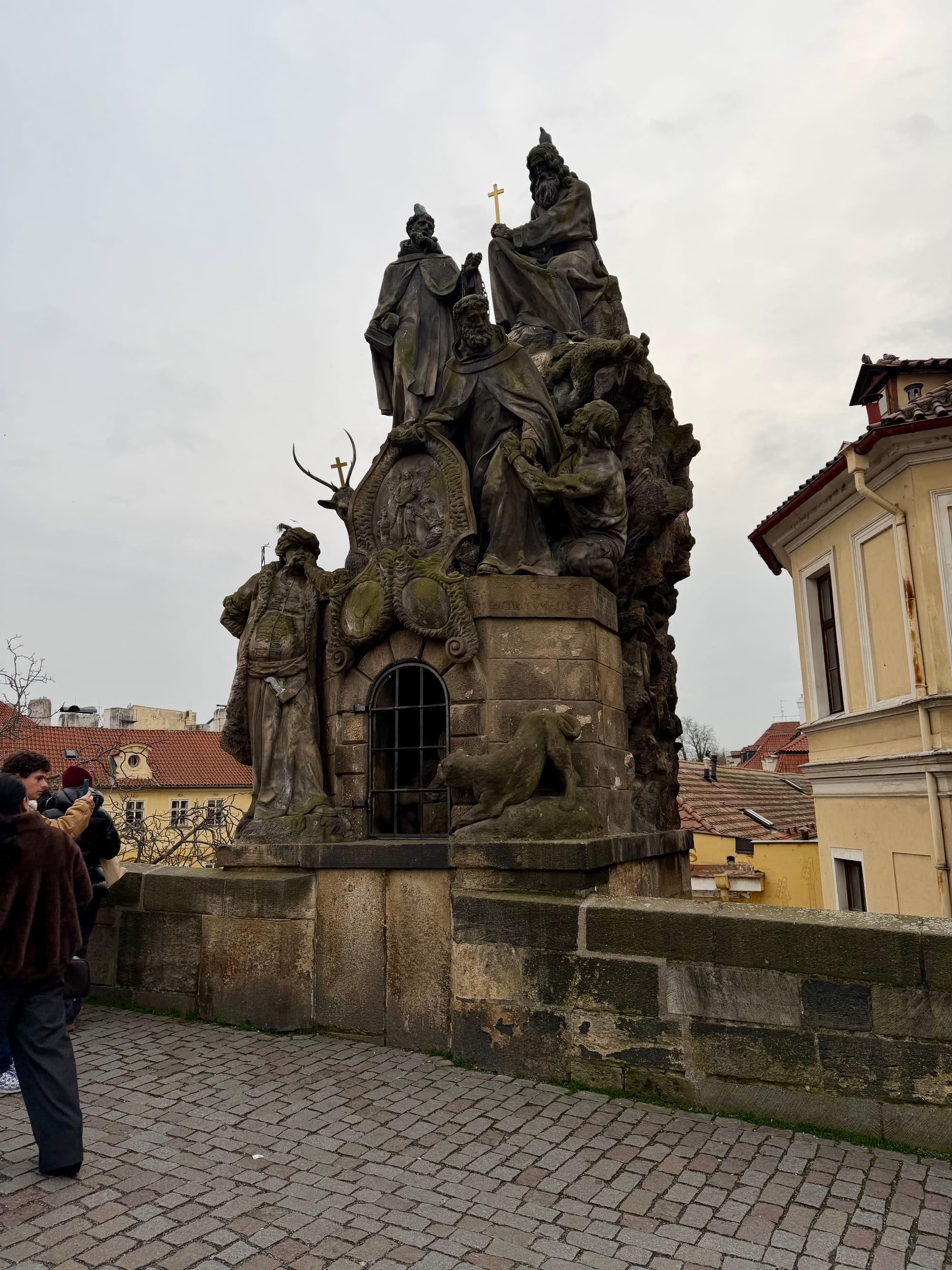
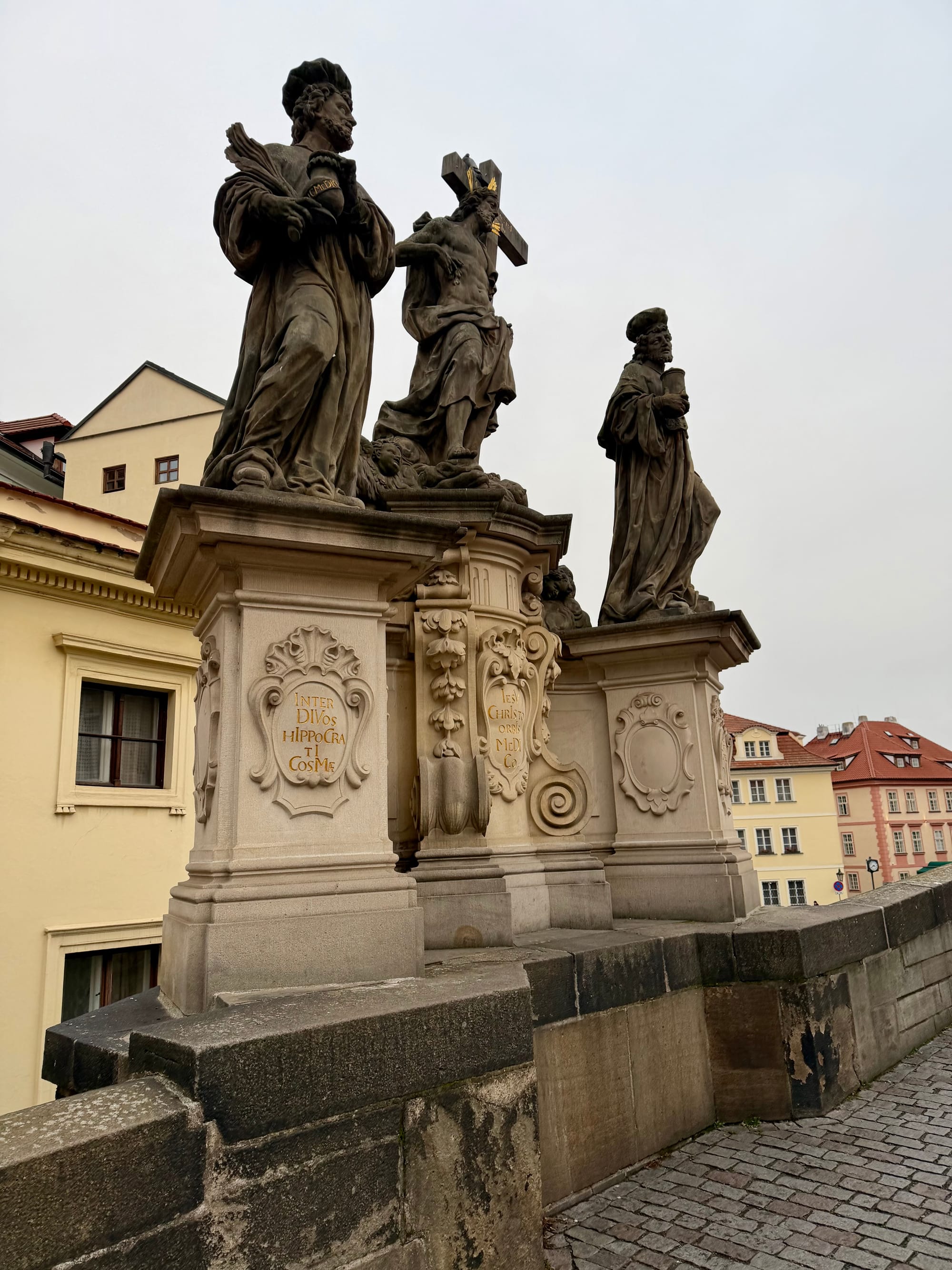
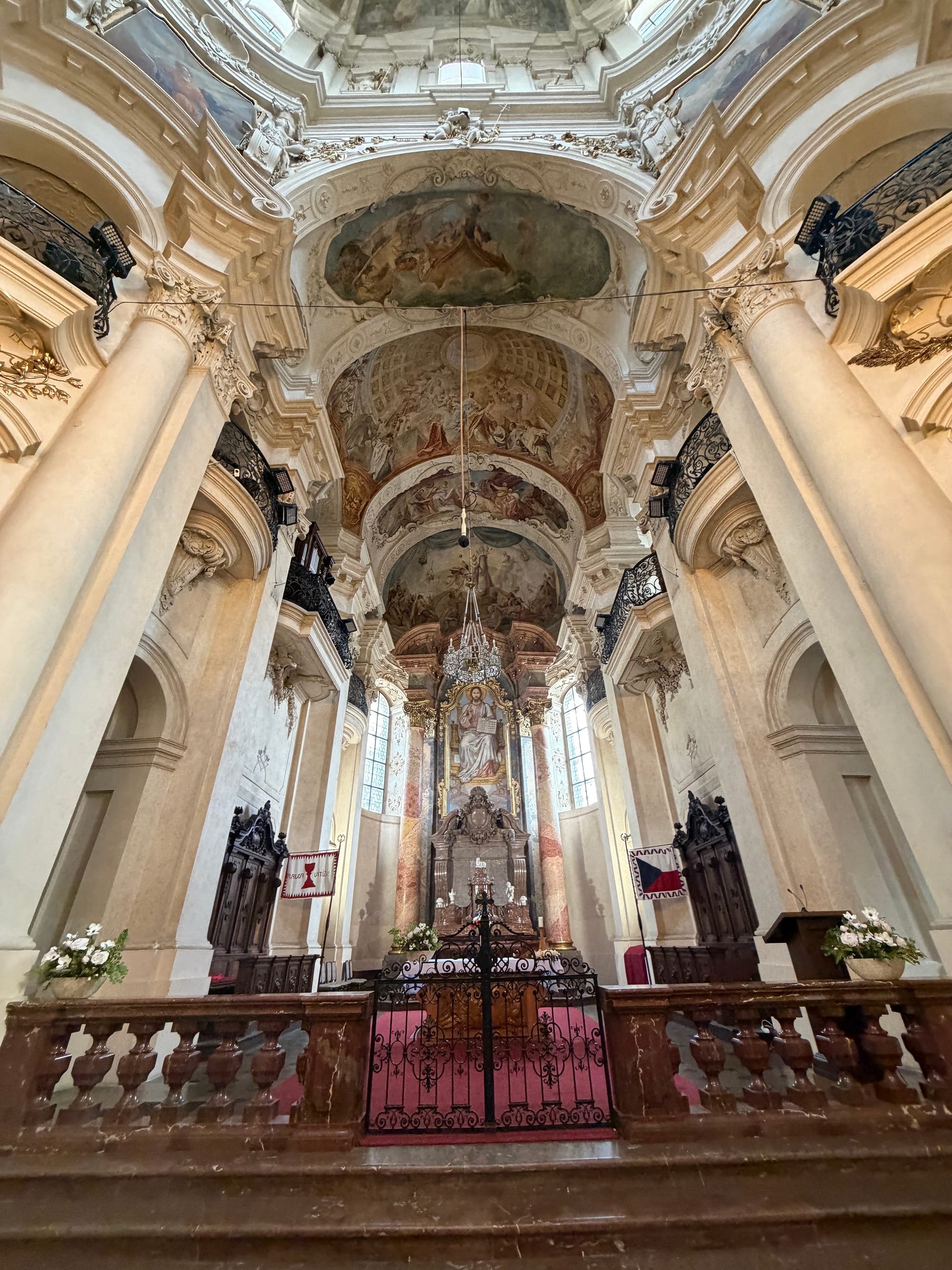
Christian art in Prague is beautiful, yet it often displays a confidence that sits uneasily beside the Jewish graves not far away. The Church claimed universality by shrinking the space for the people from whom it learned the name of God.
📖 The Double Standard
Antisemitism has changed its syntax but not its grammar. It no longer speaks of blood. It speaks instead of power. It no longer accuses of deicide. It accuses instead of influence. It uses the language of justice while renewing the posture of suspicion.
Arendt warned that sympathy can disguise arrogance. Equality requires identical judgment. Yet the Jew is still held to a different standard. Every Jewish act is read as collective. Every Jewish grief becomes political.
🪞 Thinking and Meeting
Arendt’s thinking and Buber’s meeting belong together. Arendt demands reflection before action. Buber demands encounter rather than abstraction. If Arendt guards conscience from indifference, Buber guards community from pride. In the cemetery’s silence their insights converge. Thought becomes encounter. To think rightly of the other is already to begin to meet them.
💬 The Face of the Other
Buber taught that all real living is meeting. God is found not in abstraction but in encounter. Humanity becomes fully human when it says Thou instead of It. Christianity at its best shares this vision. A God who speaks in parables calls each person by name. Yet Buber reminds us that this dialogue began in Judaism. Each human face carries the possibility of revelation.
The gravestones do not mourn. They address. They ask for attention rather than pity. They invite response.
🌫 Toward Reverence
As the sun lowers between the stones, the Hebrew letters gather light. The air smells of damp earth and paper. I thought of Psalm 121: The Lord shall preserve thy going out and thy coming in, from this time forth and for evermore.
To walk here as a Christian is to walk through the conscience of Europe. Each stone is a reminder that faith without humility becomes cruelty. Remembrance is the first act of love.
The graves of Josefov ask not for pity but for precision. They ask for faithfulness. They ask for the courage to tell the story again without triumph. The God who spoke from Sinai is still listening. He is still waiting to be answered.