The Stone and the Summit Climbing Fuji and the weight of unmet meaning
“Every fulfilled wish is the beginning of a new disillusionment.”
— Hermann Hesse, Steppenwolf
🥾 The Ascent of Desire
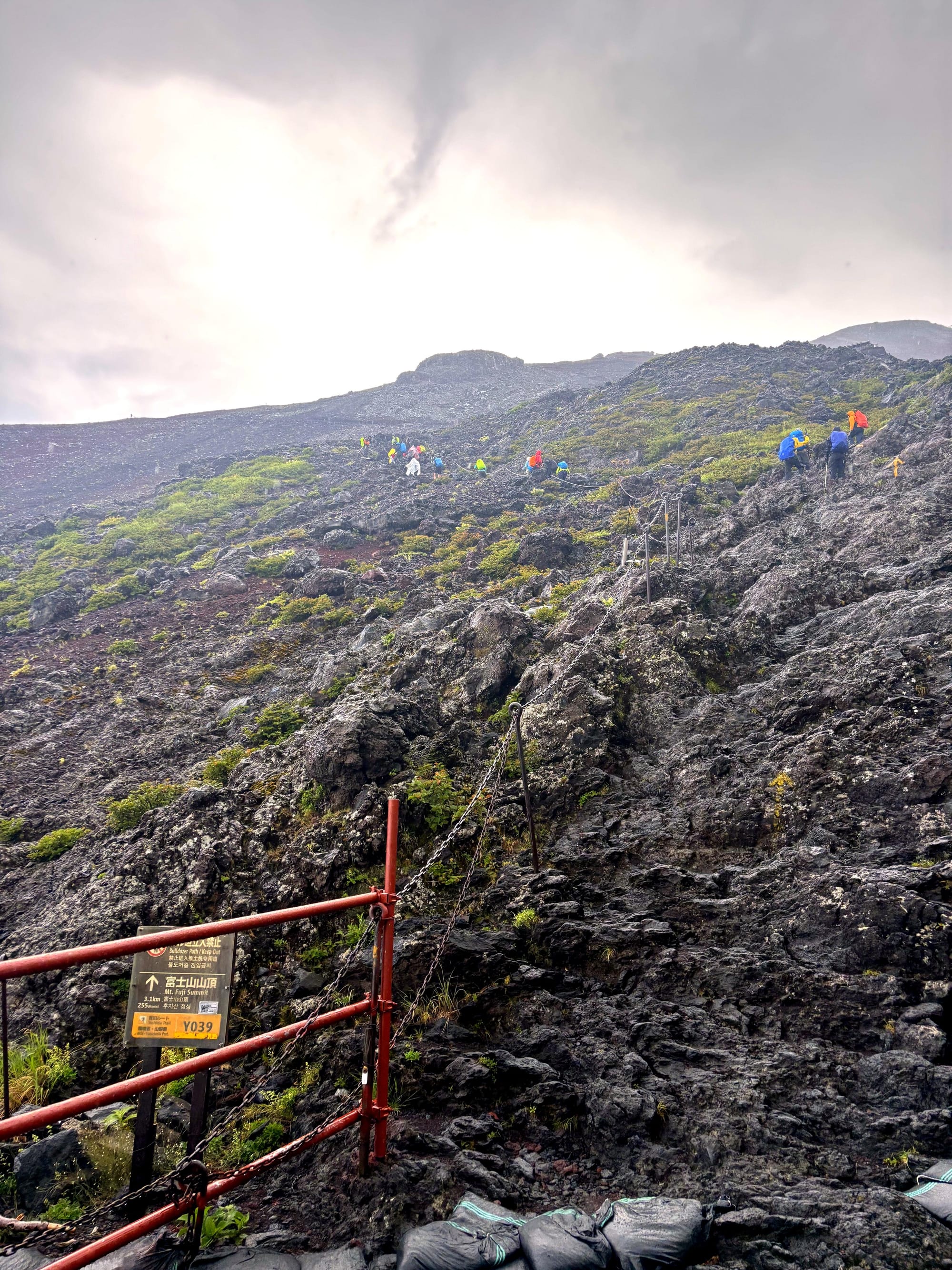
I climbed Fuji to conquer it.
Not to reflect. Not to find myself. Not to breathe the sacred air of Japan’s highest peak. I climbed it because I wanted it done: another summit, another story, another clean tick in the ever-hungry margins of a life measured by completions.
But ambition has a rhythm, and it rarely knows how to end a song. I reached the summit and waited for a crescendo that never came. My body had stopped climbing, but my mind hadn’t; it circled restlessly, looking for meaning in the grey light and thin air.
The climb itself was numbing. The forest gave out by the fifth station. Birdsong ceased. The sky faded to a single, static blue. Gravel gave way to ash, and ash to volcanic dust. Switchbacks stretched like punishment. I had expected exhaustion, even pain. But I hadn’t expected this: a flatness, both literal and internal. A climb without character. A summit without soul.
🏔️ The Delectable Mountain
Dante never reaches the mountain.
At the beginning of the Inferno, he glimpses it: il dilettoso monte, the delectable hill. It rises above the dark wood, radiant with promise: the symbol of salvation, of a life re-aligned. But the path is barred. A leopard, a lion, and a she-wolf drive him back. The mountain remains an idea, not a destination. Before he can rise, he must descend.
Dante’s mountain gleams because it is forever postponed.
Mine dulled the moment I arrived.
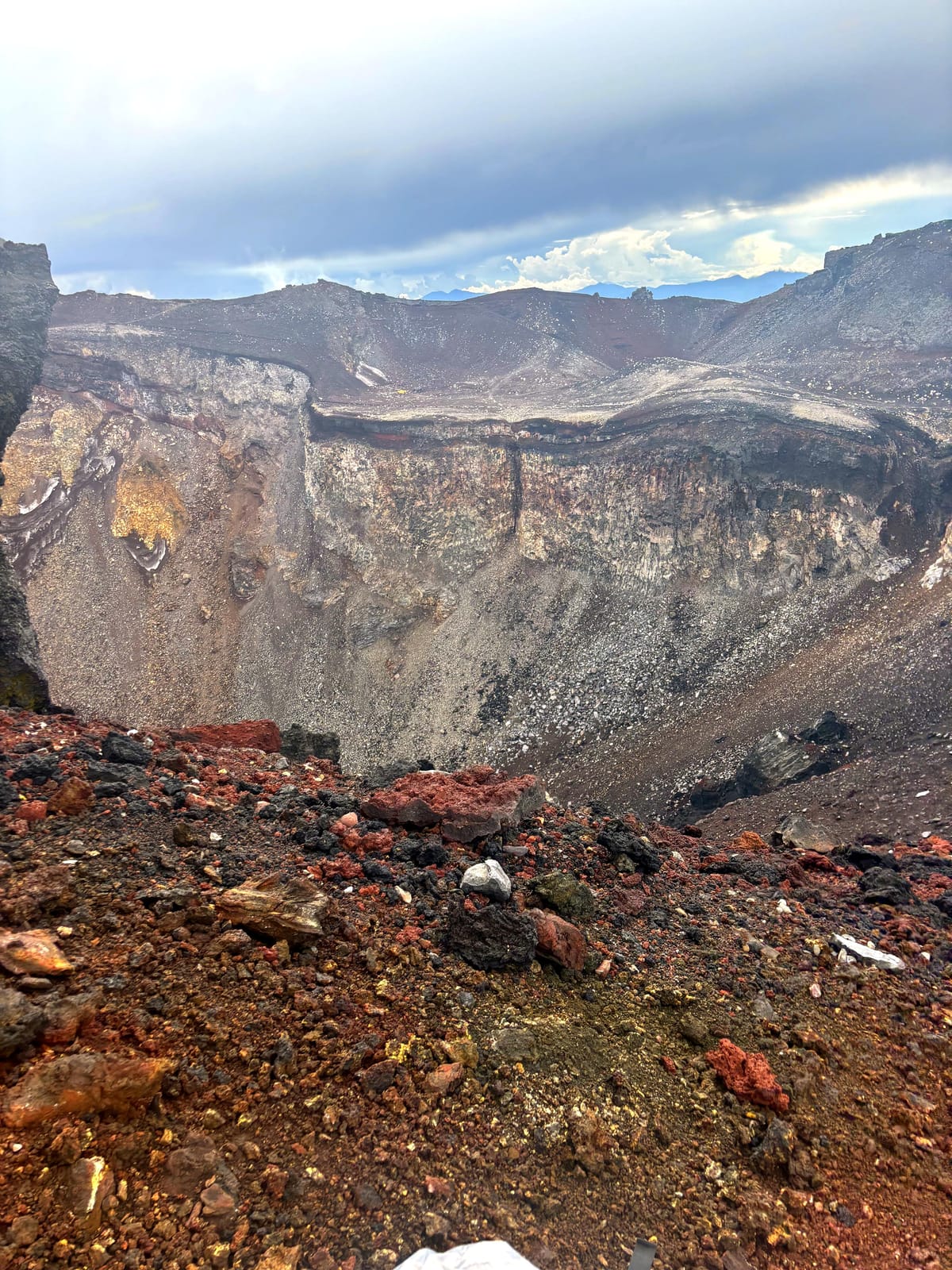
I stood at the summit and felt nothing. There was a vending machine. A crowd of sunburnt pilgrims. A crater too wide and pale to photograph well. A girl beside me took a few selfies, sighed, and muttered mendokusai: “what a pain.” I nodded inwardly. Not because it had been hard, but because it had been so thoroughly ordinary.
🕰️ Time Lost at Altitude
Thomas Mann wrote about a different kind of mountain.
In The Magic Mountain, Hans Castorp retreats to a sanatorium in the Swiss Alps: a place where time stretches and thought fragments. Conversations spiral endlessly around mortality, progress, illusion. The higher he goes, the less he understands. Clarity is replaced by drift. Mann’s mountain offers not transcendence but estrangement.
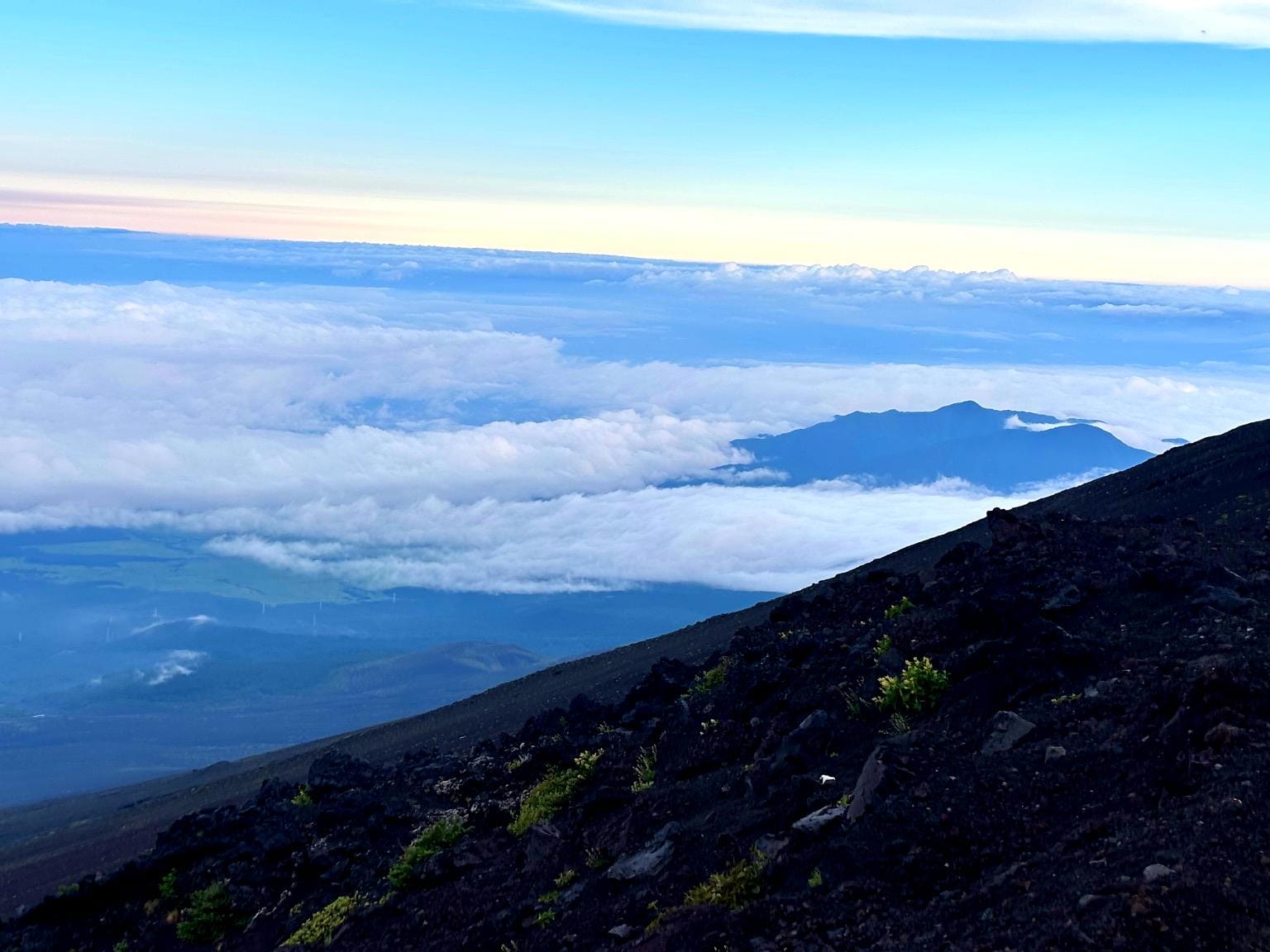
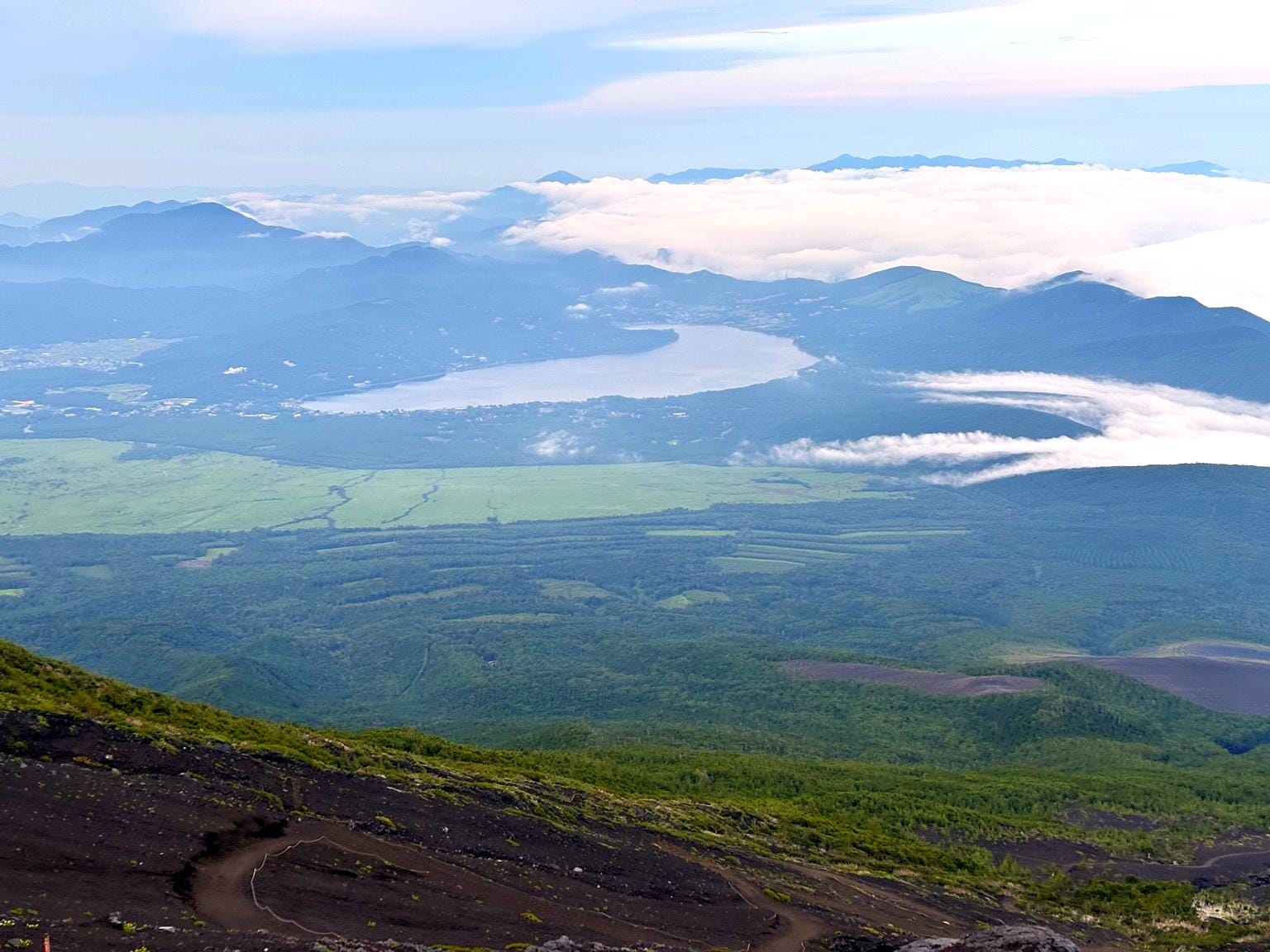
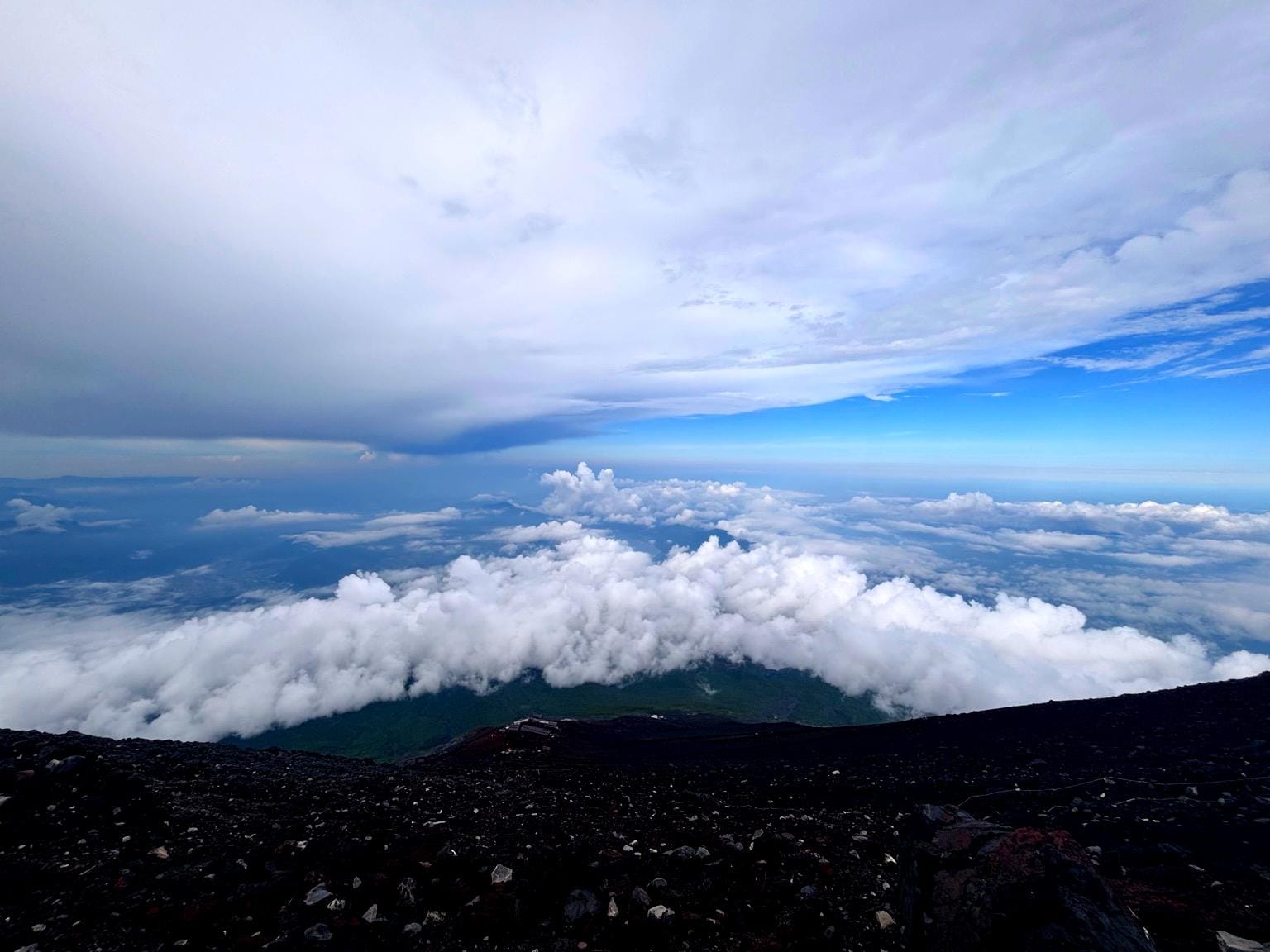
Fuji, too, estranged me; not from the world, but from the script I’d written in my head. The script where arrival would mean arrival. Where the peak would unlock some emotional convergence. Instead, I sat on a rock, peeled a boiled egg, and looked out over a field of cloud that refused to make a metaphor of itself.
Like Castorp, I had climbed into abstraction. And found nothing waiting.
🔍 The Seduction of Meaning
Umberto Eco, in Foucault’s Pendulum, warns us against the mania of interpretation. His characters build a fictive conspiracy from scattered signs, convinced they’ve uncovered a grand design. But the more they connect, the more lost they become. Meaning, it turns out, is not something you find. It’s something you invent and then become trapped inside.
Mountains seduce us in the same way. They rise like symbols, promising resolution. We project significance onto their contours. We expect the climb to correspond to some inner movement. But Fuji doesn’t play along.
It does not mirror your soul.
It does not complete your journey.
It is just there: ash, stone, altitude, and indifference.
Eco writes: “The universe is not a puzzle. It is a mystery.”
Puzzles can be solved.
Mysteries are simply endured.
🪨 Sisyphus at Fuji
And yet, something remains.
Not awe. Not triumph. But a certain silence I have come to recognise: the stillness that follows disillusionment, not with bitterness, but with understanding.
I once told myself I would climb Fuji again. That the act of ascent had meaning, even if the summit did not.
But that was a lie.
I will not climb it again.
Once was enough.
Enough to see the shape of futility.
Enough to know the stone was mine.
Camus ends The Myth of Sisyphus like this:
“I leave Sisyphus at the foot of the mountain! One always finds one’s burden again.”
But Sisyphus teaches the higher fidelity that negates the gods and raises rocks.
He too concludes that all is well.
This universe henceforth without a master seems to him neither sterile nor futile.
Each atom of that stone, each mineral flake of that night-filled mountain, in itself forms a world.
The struggle itself toward the heights is enough to fill a man’s heart. One must imagine Sisyphus happy.”
There is no finality. No summit. The stone returns. The climb resumes. And still we push: not because the mountain changes, but because it is ours.
“Sisyphus teaches the higher fidelity that negates the gods and raises rocks.”
That fidelity, to the task, not the outcome, is what I learned on Fuji. There was no divine reward, no transcendent insight. Only a mountain that refused to perform. And still, I climbed.
“He too concludes that all is well.”
Not immediately. Not joyfully. But eventually.
In hindsight, the absence of revelation became its own kind of revelation.
“This universe henceforth without a master seems to him neither sterile nor futile.”
There was no cosmic plan at the summit. Just a crater. Just the sound of footsteps and shutter clicks and wind. But it did not feel futile. I had brought the meaning with me, or perhaps left it behind, like breath at altitude.
“Each atom of that stone, each mineral flake of that night-filled mountain, in itself forms a world.”
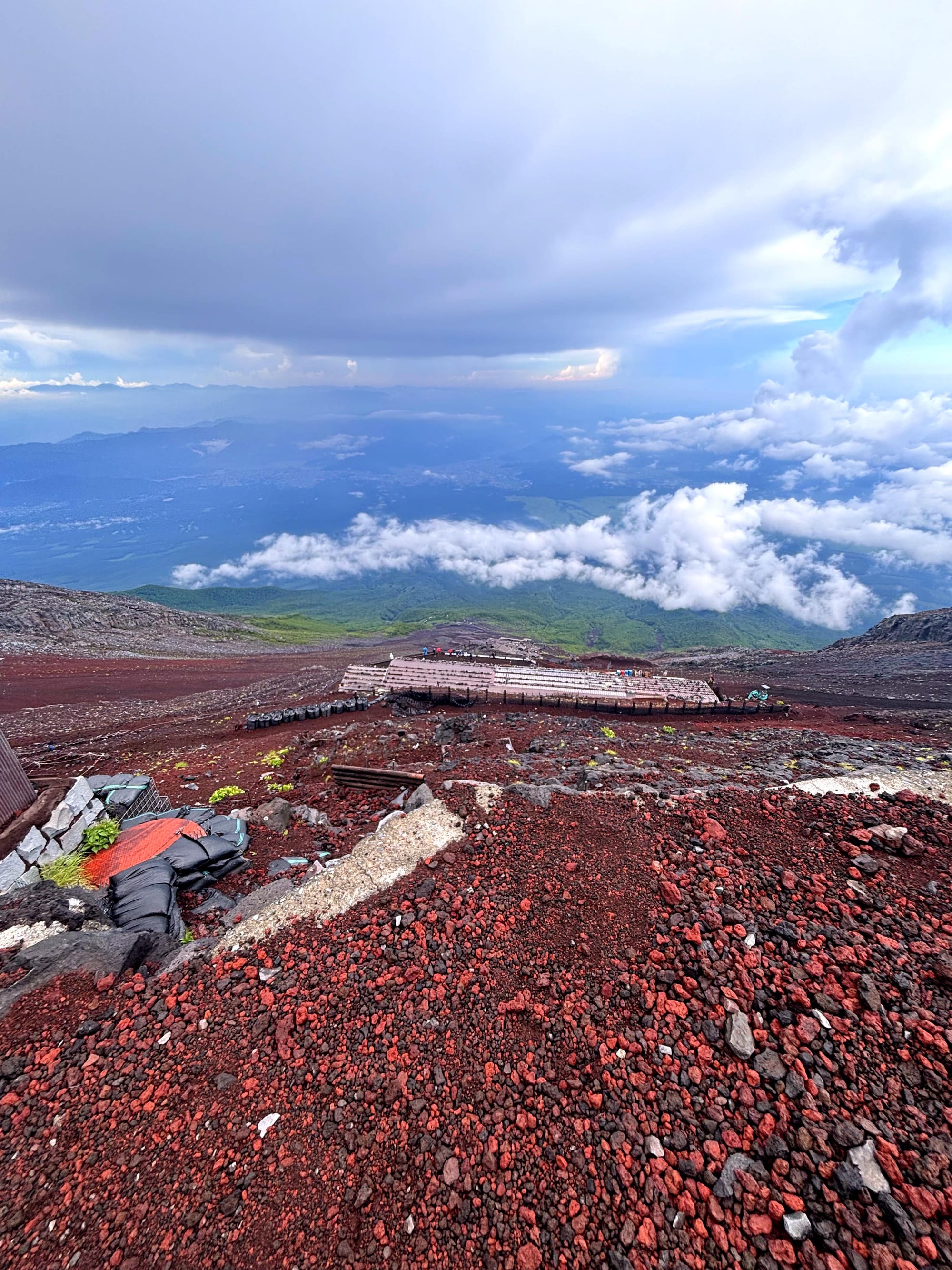
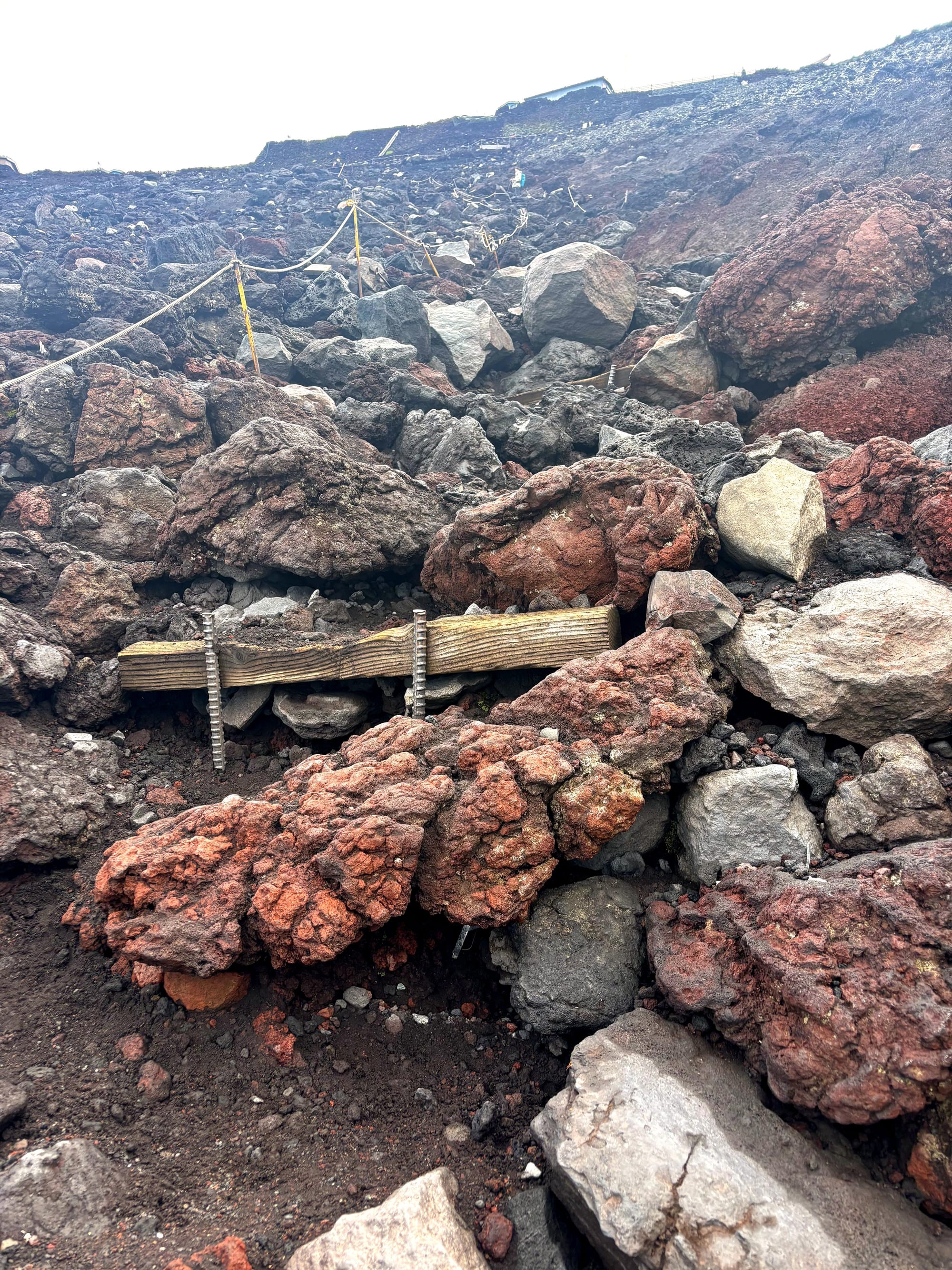
The grey dust. The crunch underfoot. The slipperiness of lava rock. Each fragment offered something, not metaphor, not lesson, but presence. Fuji was not a symbol. It was just itself. And that, at last, was enough.
“The struggle itself toward the heights is enough to fill a man’s heart. One must imagine Sisyphus happy.”
That line, now one of my favourites in all of literature, did not lift me. It steadied me.
The absurd is not answered. It is carried.
Fuji did not reward me.
But it met me. Without disguise. Without deceit.
And I met it, just once, and climbed.
Not joyfully. Not hopefully.
But consciously.
That is all.
And that is enough.