The Listening Path: Takayama and the Art of Stripping Away
“The sculptor does not add beauty, but pares away the superfluous.
So the soul too must strip away all excess.”
— Plotinus, Enneads I.6.9
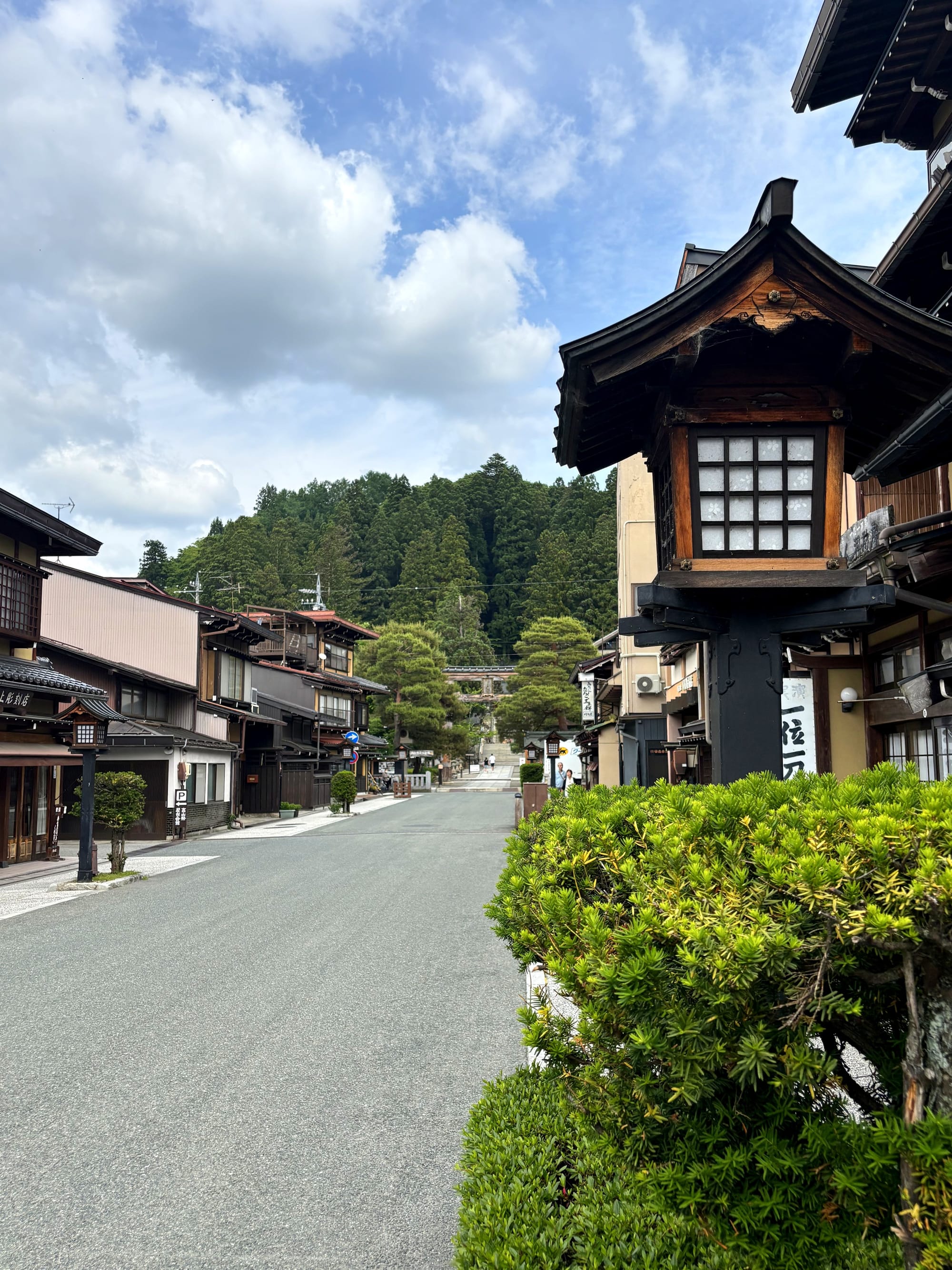
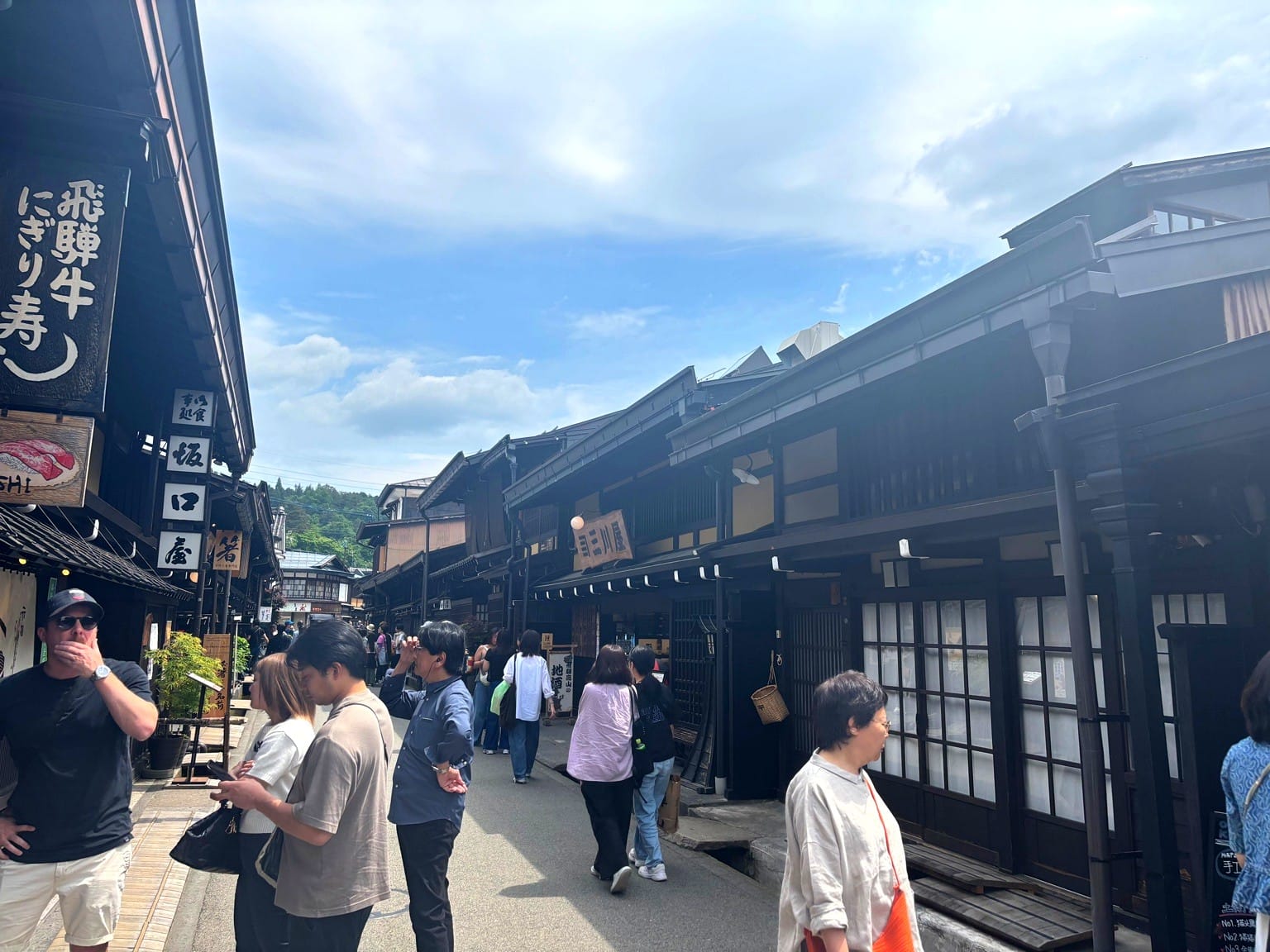
We come to towns like Takayama hoping for something essential. Wooden lattice, rain-worn cedar, a quiet path between shrine and shutter. But something has settled atop that essence now — a thin layer of performance, laminated charm.
It is still beautiful.
But it is not bare.
🏮 Staged Stillness
The alleys wind, but without surprise. Each dark beam and paper lantern feels like it knows it’s being photographed. Even the silence is stylised, not the hush of a town at ease with itself, but the pause of a town waiting to be admired.
What once was lived now feels referenced.
The past, framed; not dwelled in.
🏠 The Architecture That Listens
Still, step in close and the craft begins to speak.
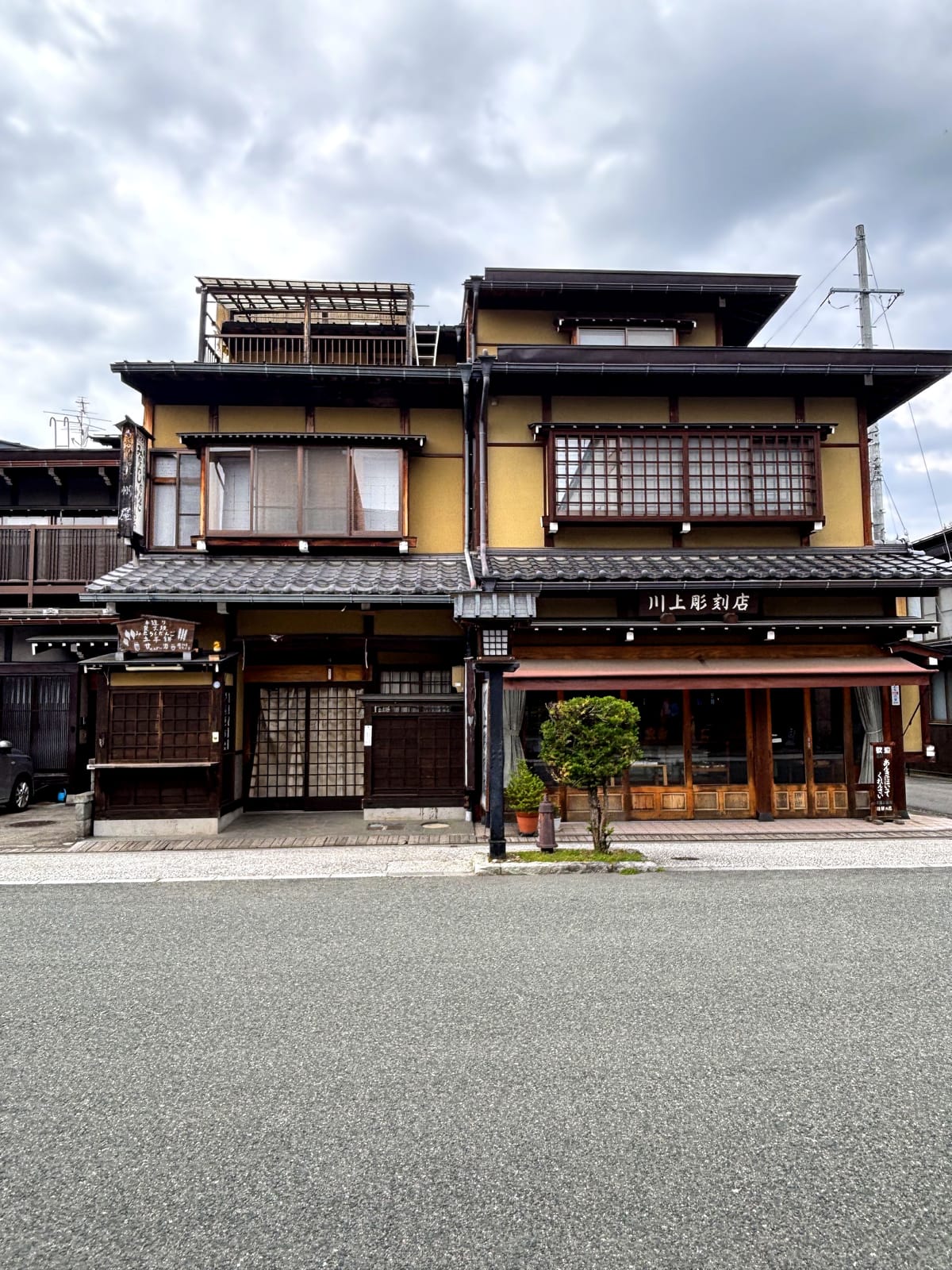
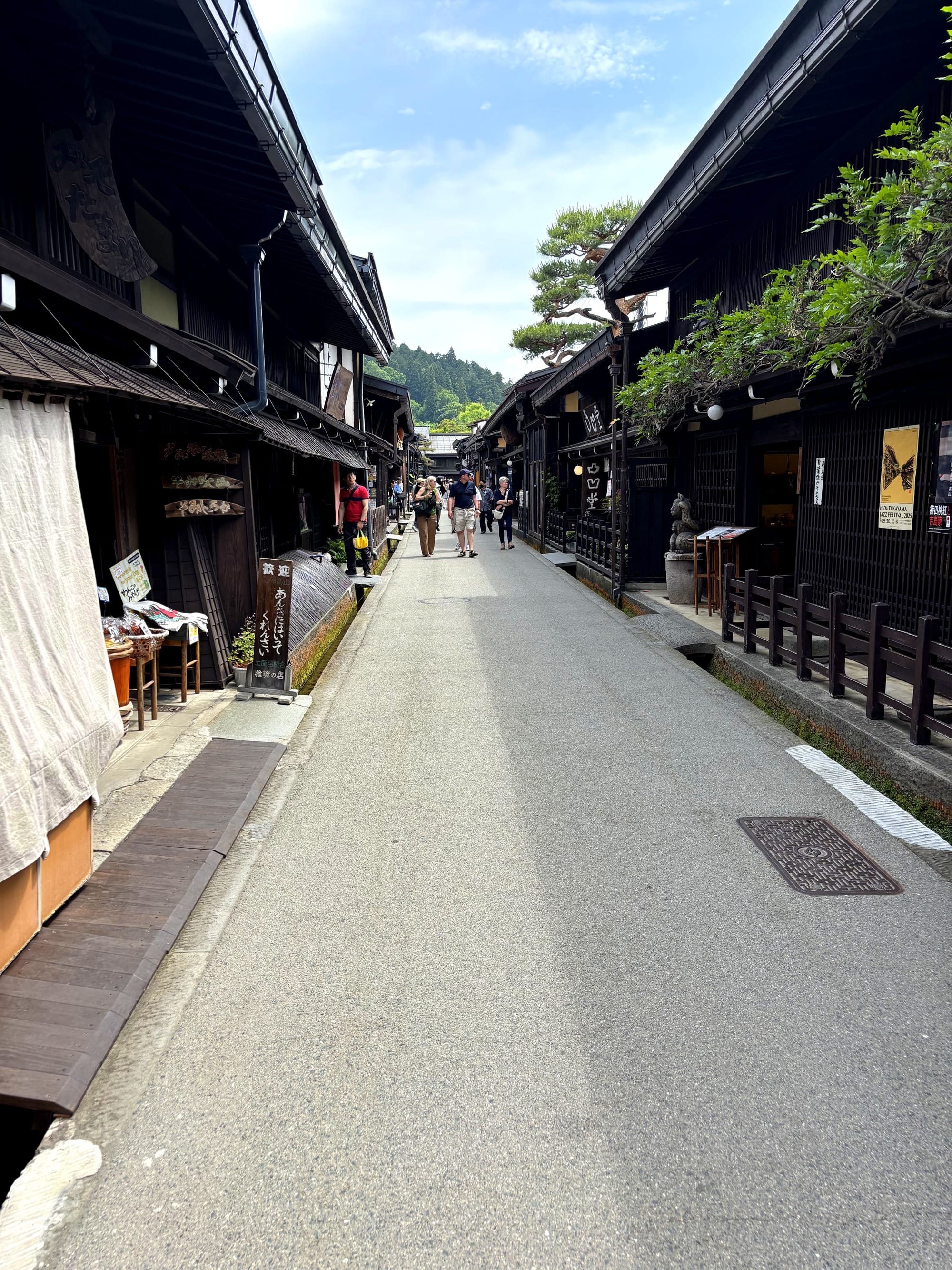
Takayama’s machiya houses, shaped in the Edo period, are long and narrow, built with kawara tiled roofs and earthen walls. Their architecture is not ornamental. It is responsive: to weather, to seasons, to use. Built without nails, the wood is joined through intricate carpentry techniques passed down by the Hida no takumi — master builders whose legacy made this region famous.
You’ll see it in the way posts slot without force, in the softness of smoked timber (sumigi), and the lattice windows (koshi) that shield without closing. They were made to work: shop in front, residence behind. The living quarters compact, dignified, aligned with the path of light and breeze.
This isn’t architecture as expression.
It’s architecture as agreement with grain, with shadow, with time.
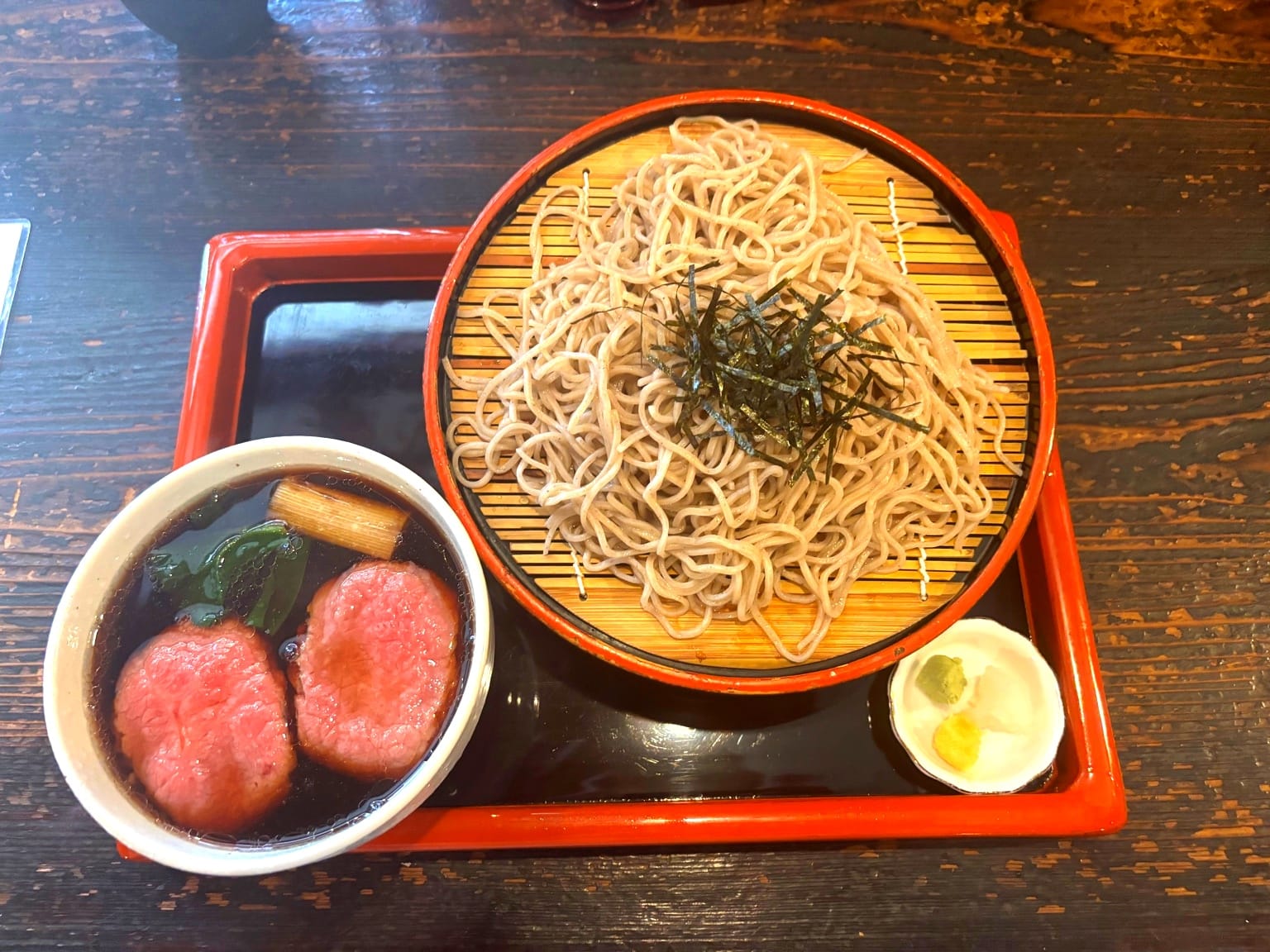
🥢 The Honest Gesture
飛騨牛そば – Hida-gyū soba
But there was a moment. In a quiet restaurant just off the main drag, I sat down to Hida-gyū soba. Cold buckwheat noodles, lacquered black tray, warm broth. Two thin rounds of wagyu: pale, marbled, utterly calm.
The meal didn’t ask to be documented. It asked to be tasted.
No symbolism. Just flavour, texture, heat.
A lesson, in beef and broth: that presence is enough.
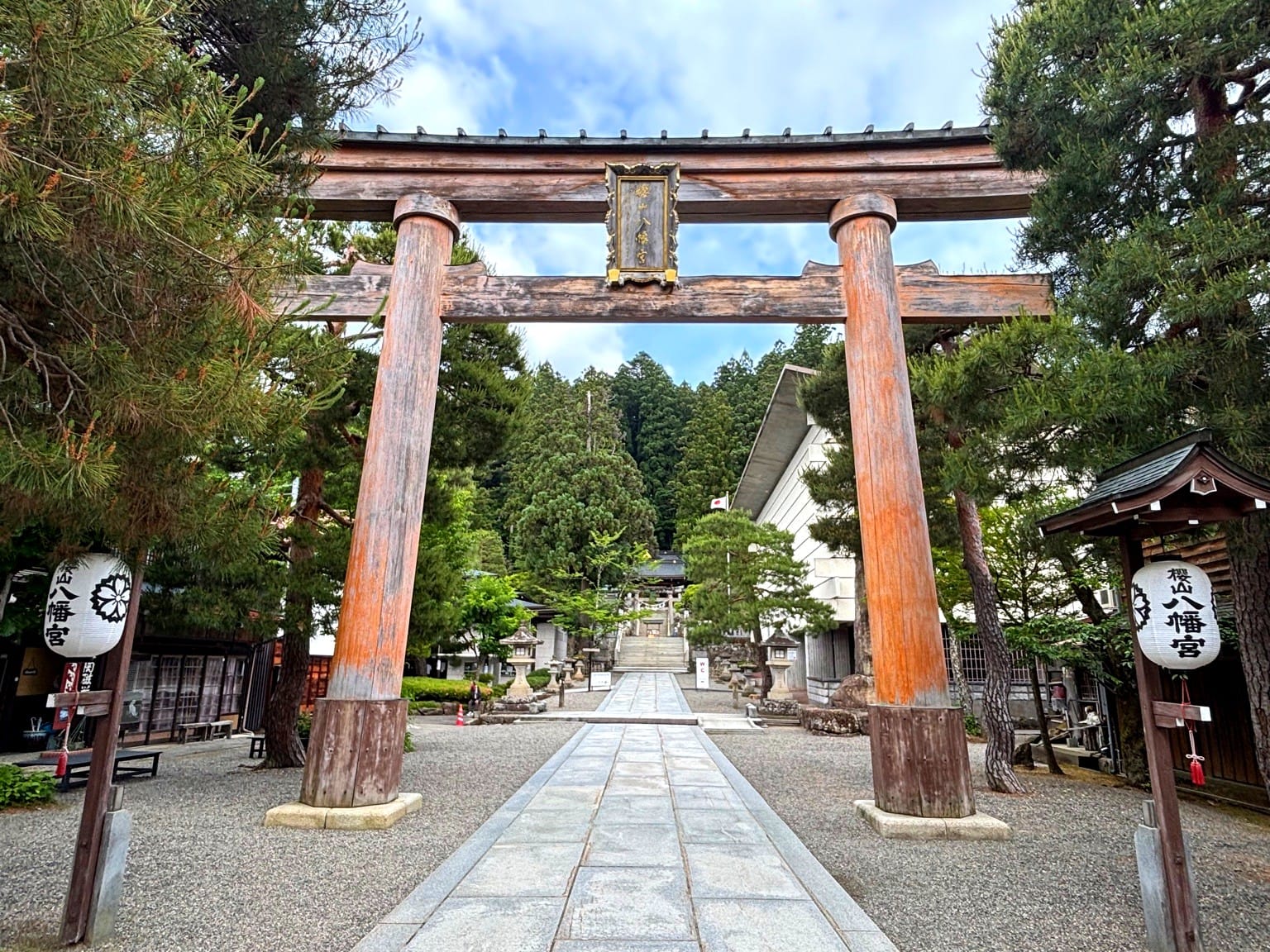
⛩️ The Gate, the Gaze
At the end of the lane, a small torii, quiet, undecorated.
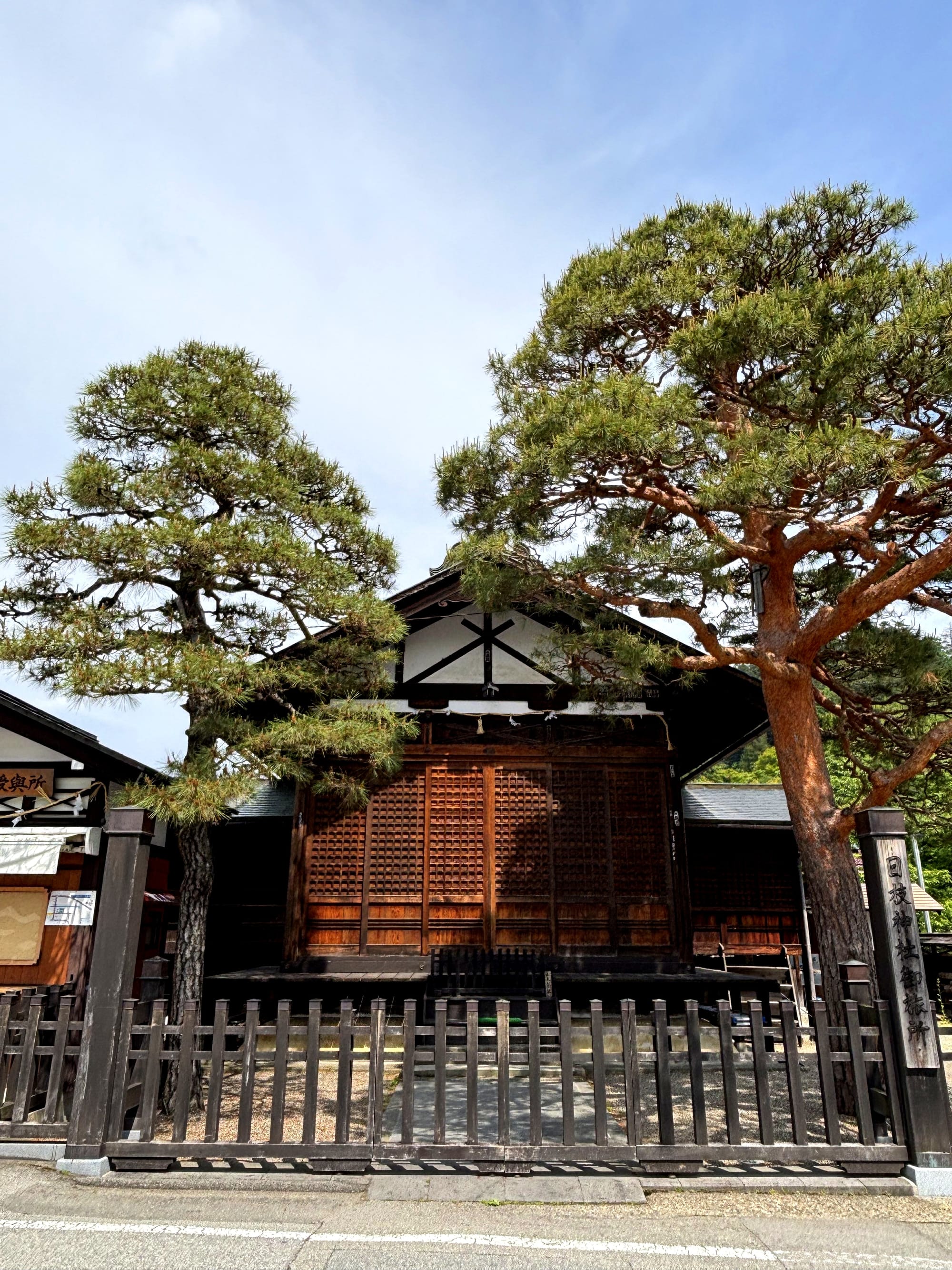
The shrine beyond is nothing elaborate. A few stone steps. Cedar trees. Stillness. But standing beneath that gate, I felt what I hadn’t elsewhere: not a curated reverence, but a threshold.
A place that doesn’t perform sacredness.
Just makes room for it.
🪵 Paring Away
Plotinus writes: the soul does not become itself by addition, but by removal. Not by building up, but stripping back.
And perhaps that’s the quiet lesson of Takayama.
Not what it offers, but what it asks you to let go of:
• the curated expectation
• the traveller’s hunger for the authentic
• the pressure to be moved
What remains, if you let enough fall away, is simple:
a grain in the wood.
a curtain shifting in wind.
a broth that holds its silence.
You may not find what you came for.
But in the paring away, you begin to return to something truer.