🌊 The Element of Mind: Water, Silicon, and the City That Thinks Itself
Θαλῆς δὲ τῶν τοιούτων ἔν τινι λέγεται τὴν ἀρχὴν εἶναι τὸ ὕδωρ, διὸ καὶ τὴν γῆν ἐπ᾽ ὕδατος ἐφάνησεν ἐπικαθήμενον.
“Thales, one of the first of this kind, is said to have declared that the principle of all things is water, and for this reason he claimed that the earth rests upon water.”
Aristotle, Metaphysics, 983b6-11
💦 I. Origins in Water
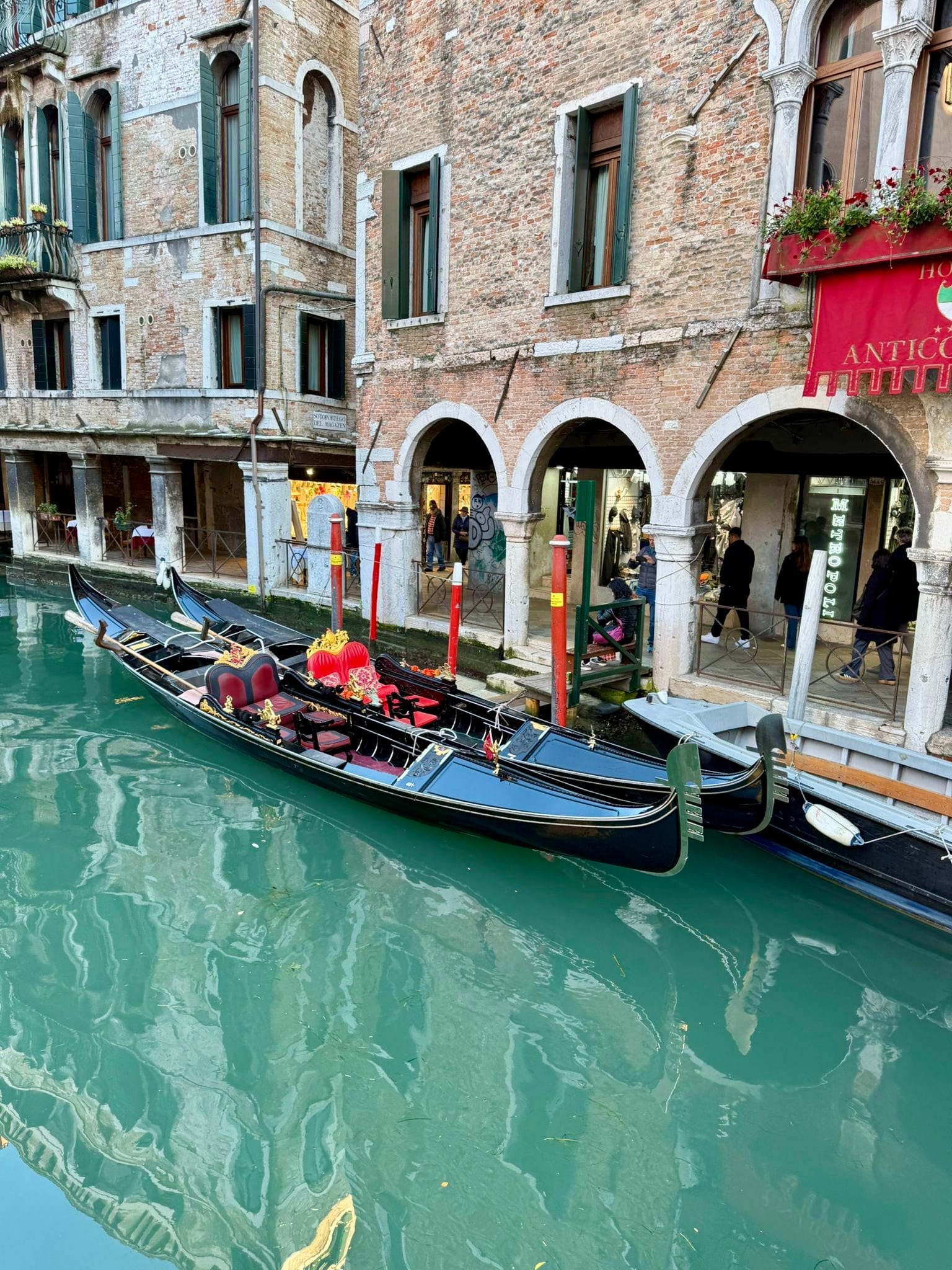
When Thales of Miletus declared that all things are water, he was not describing a substance but naming a principle. He saw in water the pattern of becoming: fluid, generative, capable of dissolving boundaries and forming new ones. To say that everything is water was to say that being itself is never fixed but continually arriving.
Modern chemistry confirms how right he was. The molecule of water, two hydrogens clasping one oxygen, is no simple union but a study in tension. Its bent geometry creates polarity, allowing it to attract, dissolve, and reform. Hydrogen bonds appear and vanish billions of times each second, a flickering network of chance. From this apparent chaos comes order, the capacity to sustain life.
In every living cell, water’s volatility enables reaction and renewal. Proteins fold because water refuses stability. DNA unzips and repairs because its environment trembles with molecular unrest. From this uncertainty, form arises. Randomness is not opposed to reason but its precondition. To live is to be composed of motion. We are bodies of organised unpredictability.
⚙️ II. The Regular Element
Silicon stands at the opposite pole of nature. Each atom bonds with four others in perfect tetrahedral symmetry. It is orderly, reliable, crystalline. This precision is what makes computation possible, a solid geometry through which electricity can think.
Yet in its perfection lies limitation. Silicon remembers too well. It is incapable of forgetting or decay. It calculates but does not improvise. Its beauty is cold, a mirror of pure logic. The digital world rests on this regular lattice, a universe where error is excluded by design.
Artificial intelligence, for all its brilliance, inherits that clarity and its sterility. It reproduces pattern but it does not flow. Its knowledge is frozen structure, a river held in glass. It reasons flawlessly but without the instability from which new life, or new thought, arises.

🌫 III. Venice — The City of Mirrors
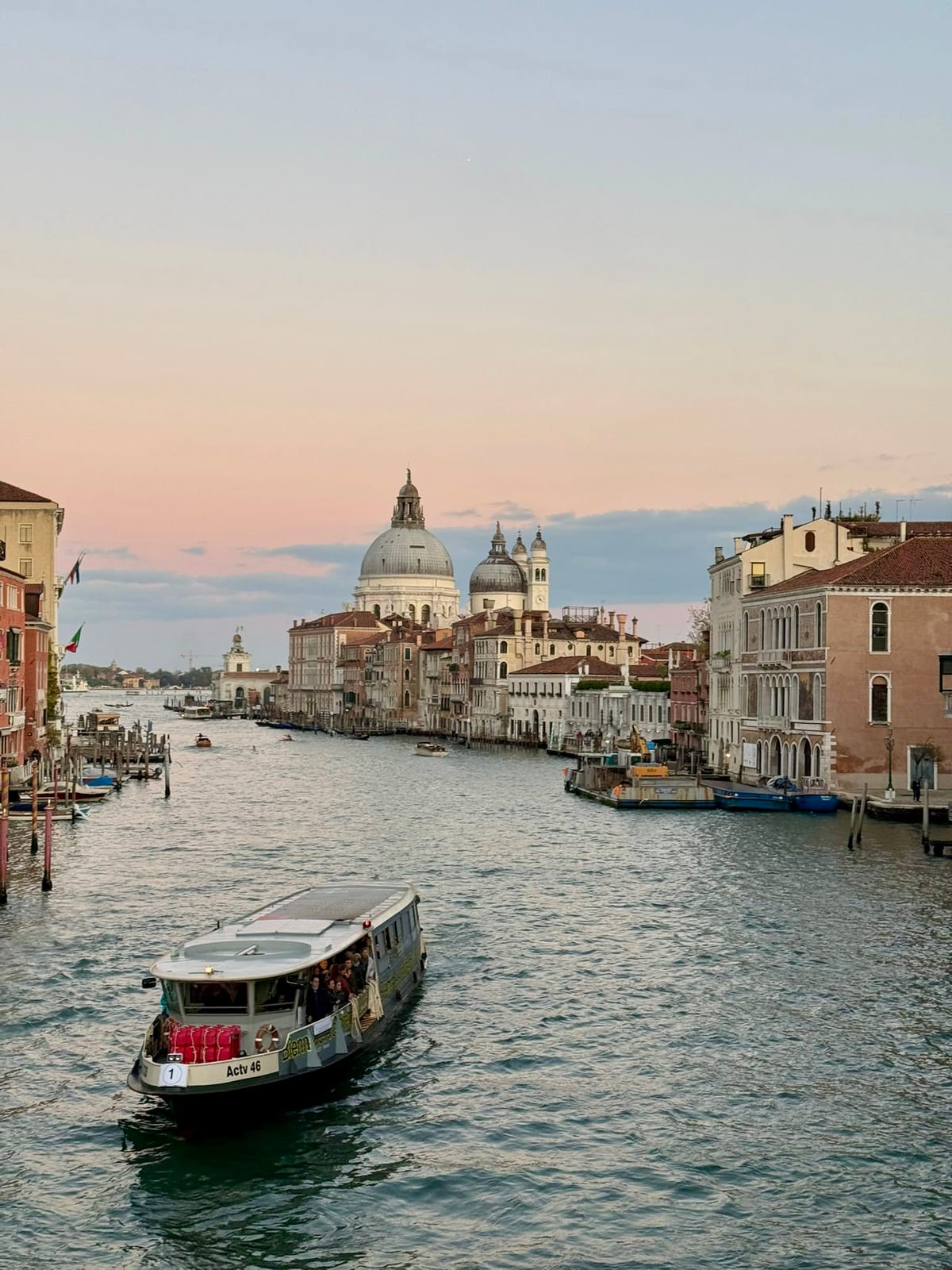
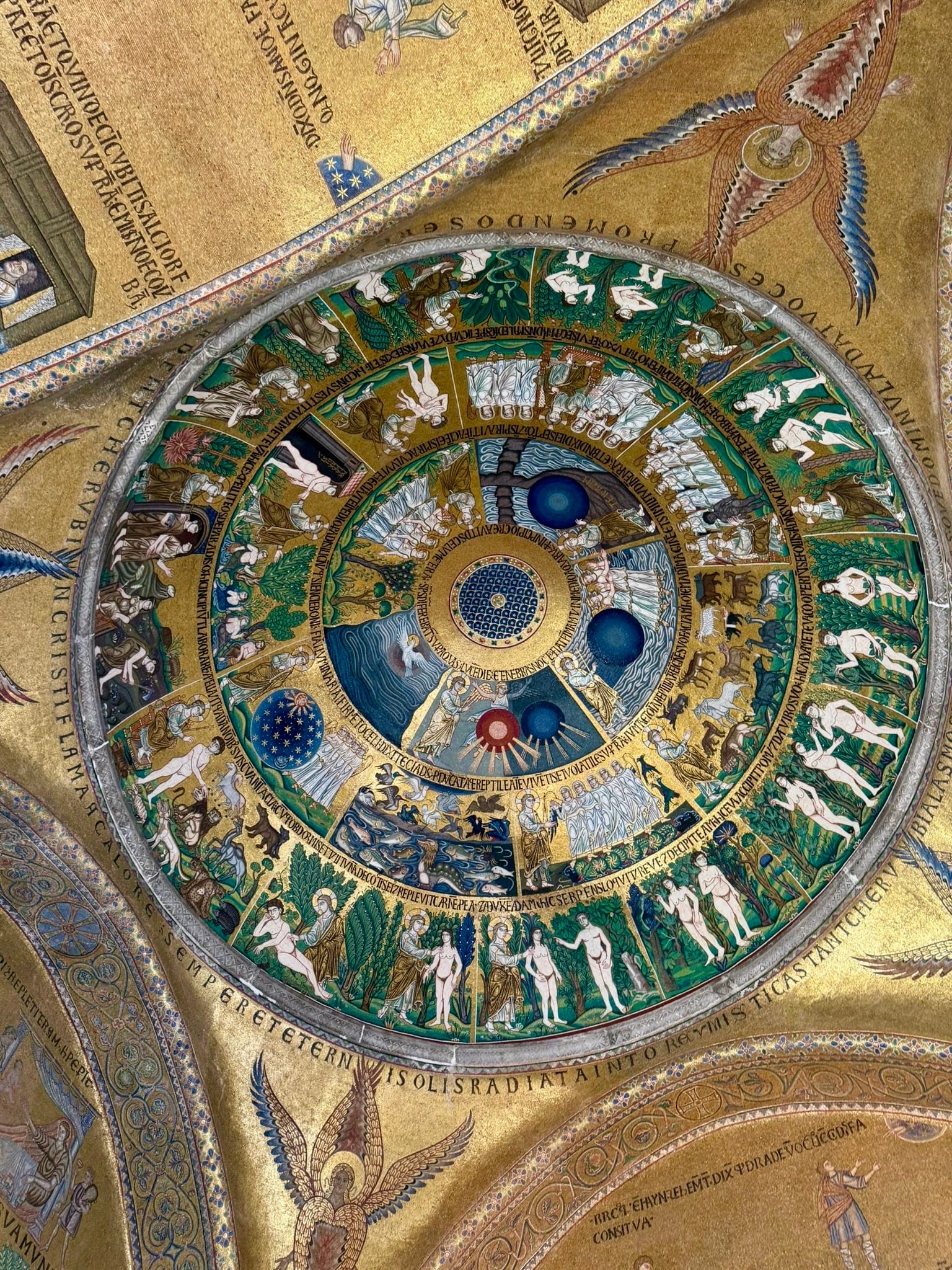
Venice is a hallucination of water and stone. It seems to rise only to dissolve, a city dreaming itself into being. Every surface is doubled. Every façade exists in reflection. Here the material world begins to think about itself.
If Thales saw water as the origin of all things, Venice is his final revelation, the element made architectural. Yet beneath its shimmer lies something psychological and theological, a record of the mind learning to hear itself.
Julian Jaynes, in The Origin of Consciousness in the Breakdown of the Bicameral Mind, proposed that early humanity was not yet conscious in our modern sense. People, he said, experienced their own thoughts as external commands, divine voices issuing instruction from one hemisphere of the brain to the other. The gods of Homer are these voices made narrative. When Achilles hears Athena restrain his rage, he is hearing an authority that once spoke from within but was experienced as beyond. In the Old Testament, Yahweh speaks in thunder and flame. The divine will is still audible, commanding, unmistakable.
Consciousness, Jaynes argued, began when those voices fell silent and their echo turned inward. Humanity learned to narrate itself, to replace command with reflection. Venice enacts that transformation in stone and water. The saints in its mosaics, once the voices of a living faith, now gaze mutely from golden domes. The word has become image. The oracle has become shimmer. Prayer has turned to architecture and revelation to memory.
Venice is consciousness made visible, a mind contemplating itself through mirrors, arches, and tide.
💧 IV. The Element of Mind
If consciousness is reflection, its proper element is not silicon but water. In its constant flux, water performs the logic of the self. It connects, forgets, reforms, and mistakes its image for another. It holds difference without fracture and continuity without rigidity.
Silicon cannot imitate this instability. Its lattice is certain. Its logic is closed. It mirrors but it does not dream. For an intelligence to be truly human, it would need to change its element. It would have to think through fluctuation rather than symmetry, to misremember, to imagine, to err. Only a medium capable of imperfection could give rise to selfhood.
Perhaps one day, when computation learns to shimmer, thought will again find liquidity.
🌌 V. Reflection
Water is the element of wonder. It creates by yielding, sustains by dissolving, and remembers by forgetting. Silicon is the element of order, the architecture of precision. Between them lies the tension of our age, whether intelligence will remain crystalline or learn again to flow.
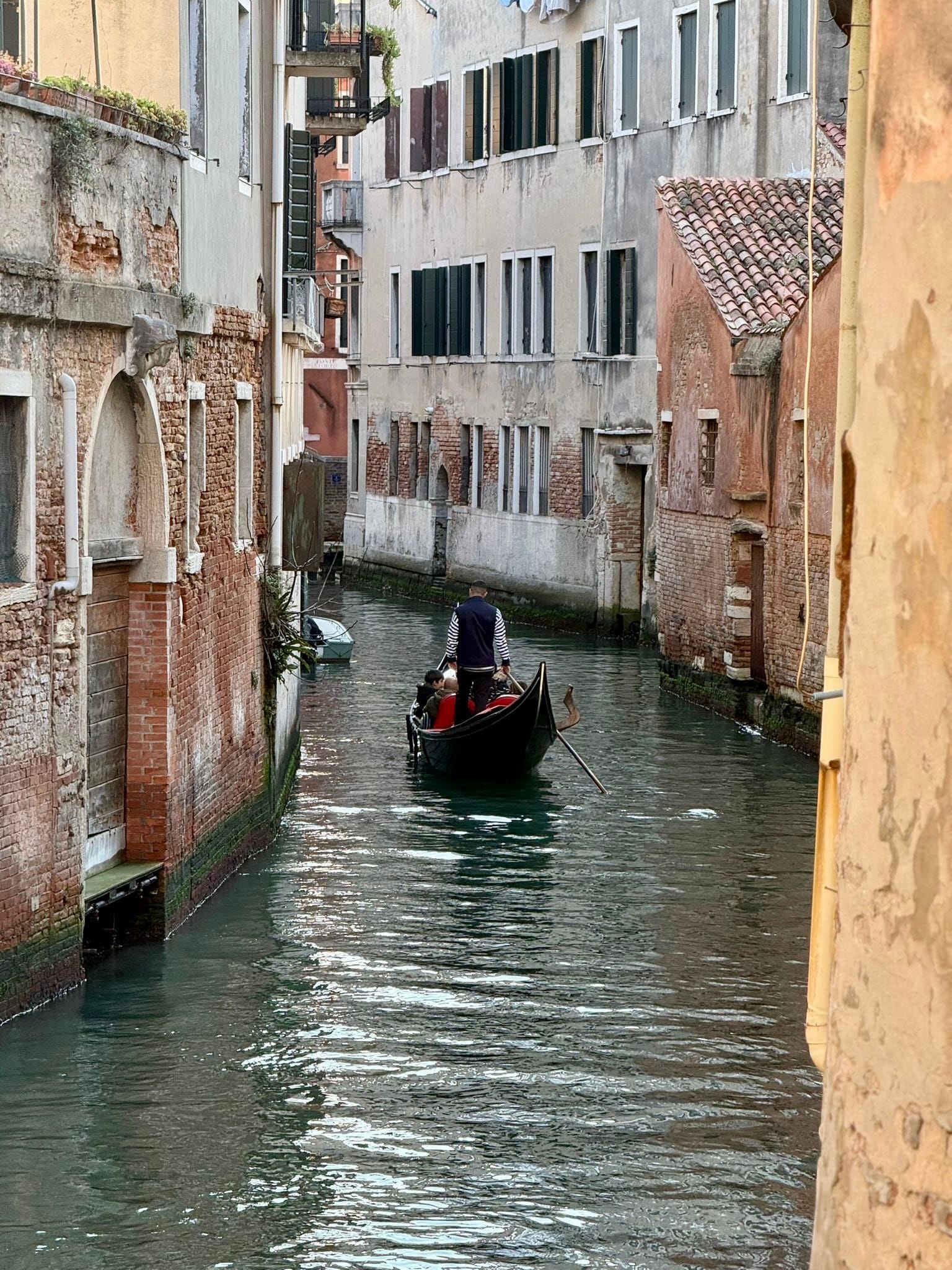
Thales’ vision still speaks. To live, to think, is to move, dissolve, and begin again. Consciousness, like Venice, survives only by reflecting what it cannot hold.