🕊️ The Elegy of Ruin: Consciousness, Catastrophe, and the Stones That Remember
“Consciousness sleeps in minerals, dreams in plants, wakes up in animals, and becomes self-aware in humans.”
— Rumi
🌌 The Sky Was Too Blue
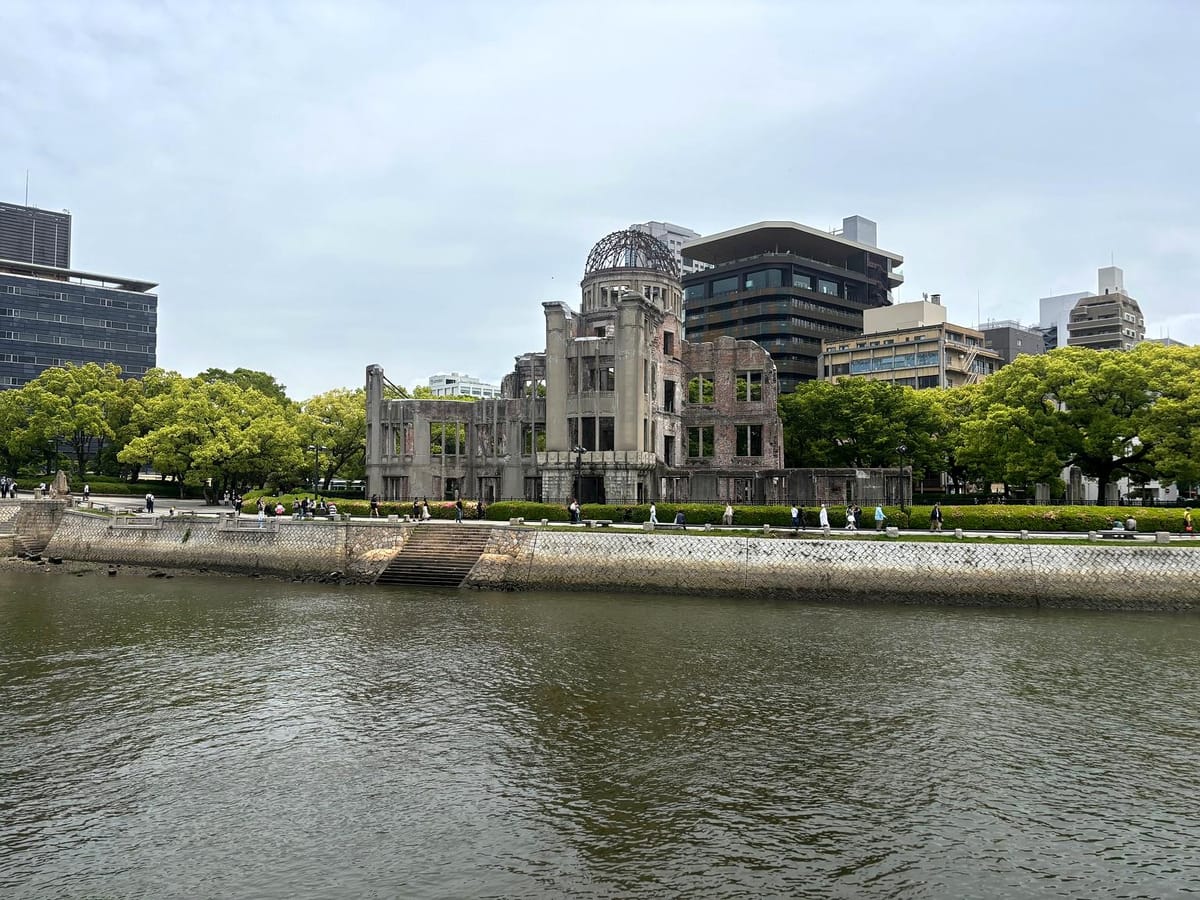
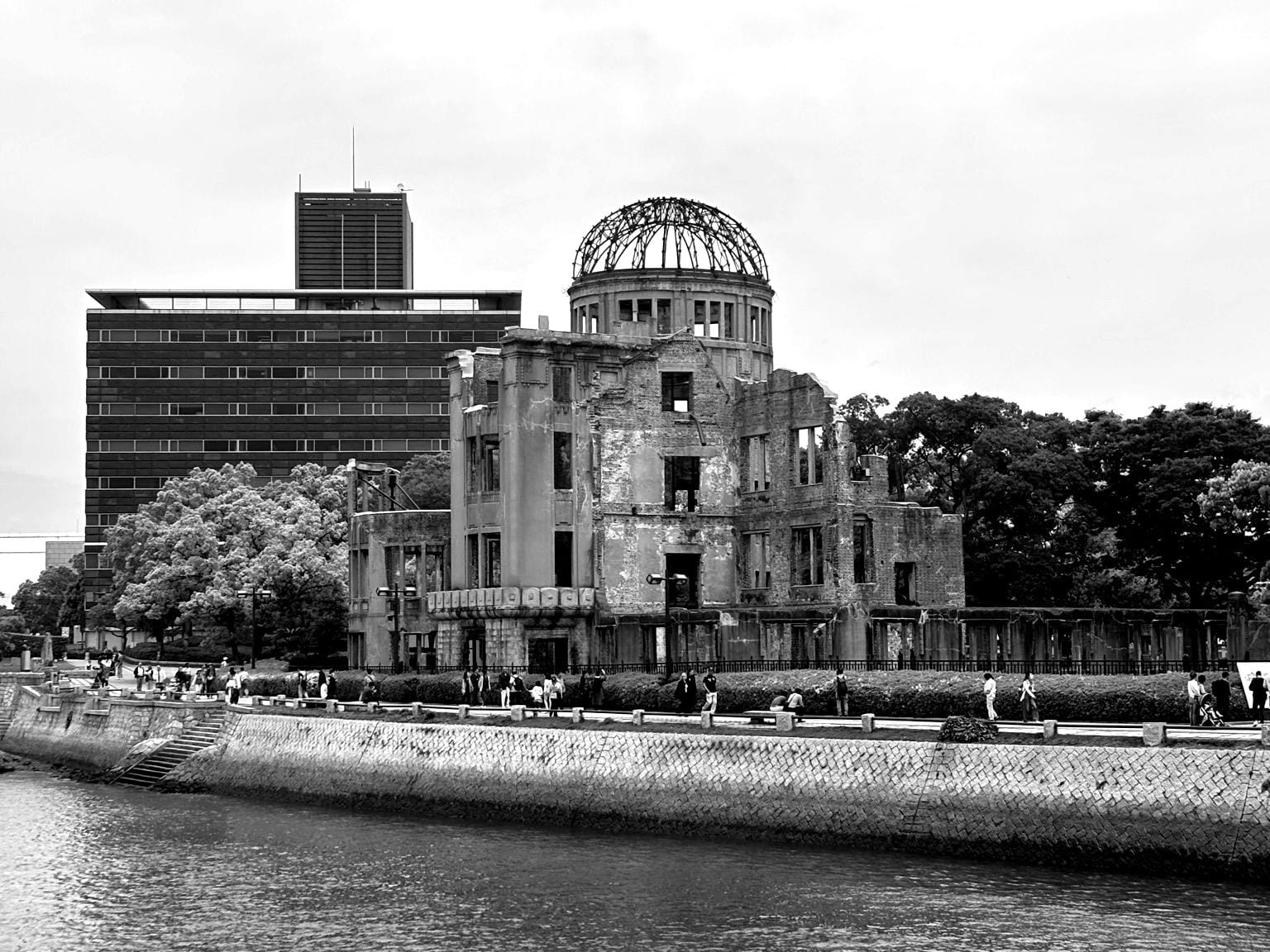
The sky over Hiroshima was a cloudy blue.
Not the gentle, reverent blue of mourning, but a flat, hazy indifference: a sky being scrubbed of memory. It hung above the Atomic Bomb Dome, like soap suds, as though history might be washed away.
But the stones had not forgotten.
I stood before the Genbaku Dome and felt myself seen: not by people, not by spirits, but by the ruin itself. It was not passive. It confronted me. The girders, the blasted frame, the jagged ribs of architecture; they stared back. This was not ruin-as-romance, not a tableau for melancholic reflection. This was ruin-as-eyewitness. The silence was not peace. It was stunned vigilance.
🏚️ The Dome That Refused to Die
In so many cities, ruins are curated into submission. They are softened, lit gently at night, folded into postcards and preserved not for memory, but for myth. Hiroshima resists this impulse. The Genbaku is not an artefact. It is not over. It refuses closure.
There is something almost animate about it. As though consciousness, Rumi’s sleeping mineral mind, has awakened prematurely in stone. Scarred into alertness.
This structure does not seek attention, but it does demand regard. Its jaggedness cuts through sentimentality. It interrupts. It indicts.
It is tempting, always, to romanticise ruins. To photograph them, soften them with filters, turn them into backgrounds for thoughtfulness. But this ruin deflects the lens. It will not be background. It will not be art. It stands, quite simply, as witness.
And in this, it enacts a kind of ethics. Not the ethics of spoken judgement, but the ethics Levinas gives us: the ethics of encounter.
🪞Levinas and the Face of the Ruin
Levinas tells us that the face of the Other is the beginning of responsibility. It is not a mask, not a symbol, but an exposure: something that demands response. The face cannot be reduced. It cannot be possessed. It commands with a silent imperative: Thou shalt not kill.
And here, in Hiroshima, that imperative is carved in steel and concrete. Not in flesh; but in what once contained it.
Is it possible for stone to bear a face? Not metaphorically, but ethically?
Levinas never meant “face” to mean only visage. The “face” is any exposure to alterity: anything that disrupts totality, that refuses comprehension, that places us under obligation. And in this sense, the Dome is a face. It cannot be reduced to an image. It breaks the gaze. It stares back.
⛪ Nagasaki: When the Bomb Hit the Cathedral
In Nagasaki, the voice is different. It is not accusatory. It is prayerful: and it is wounded.
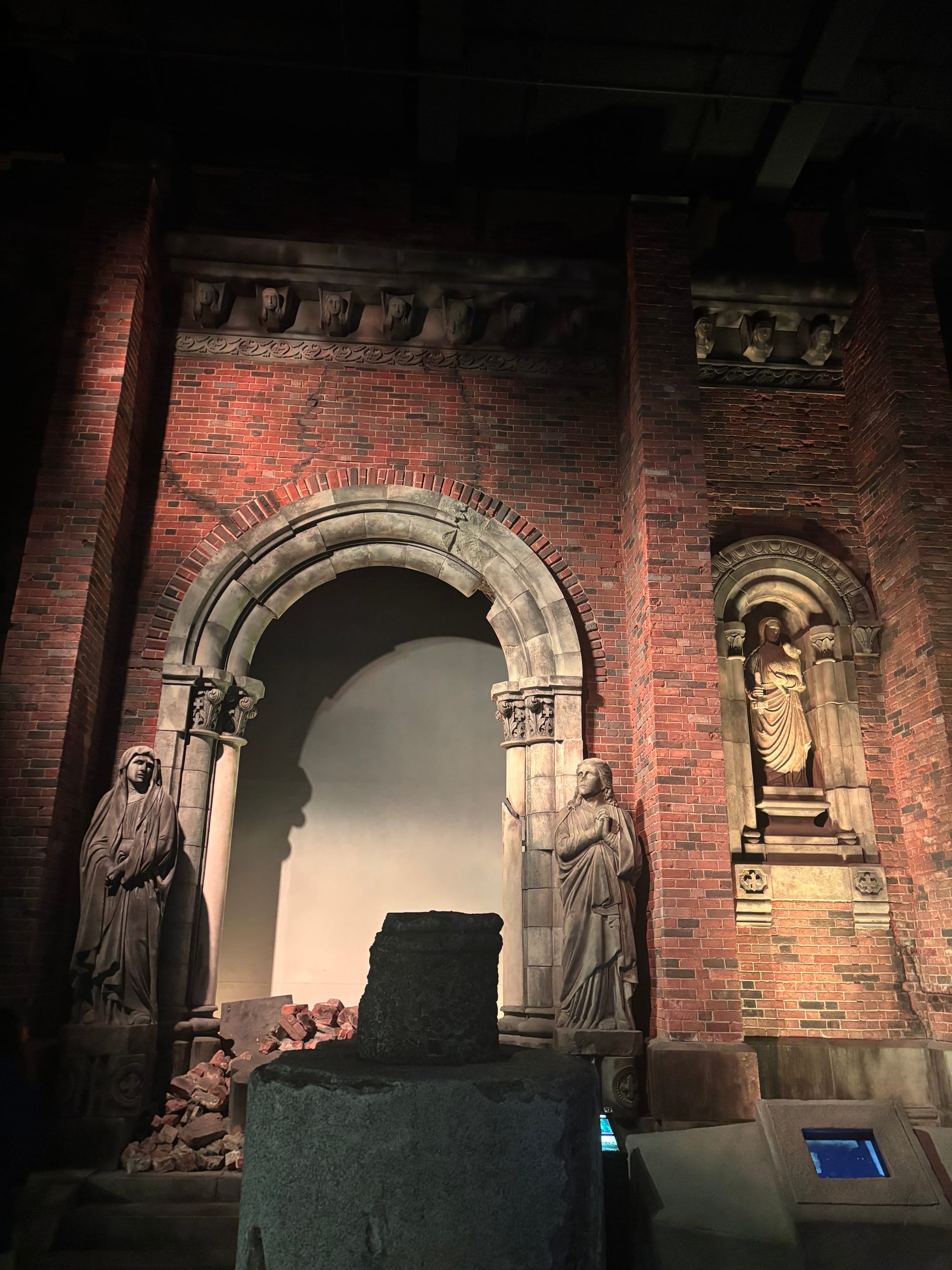
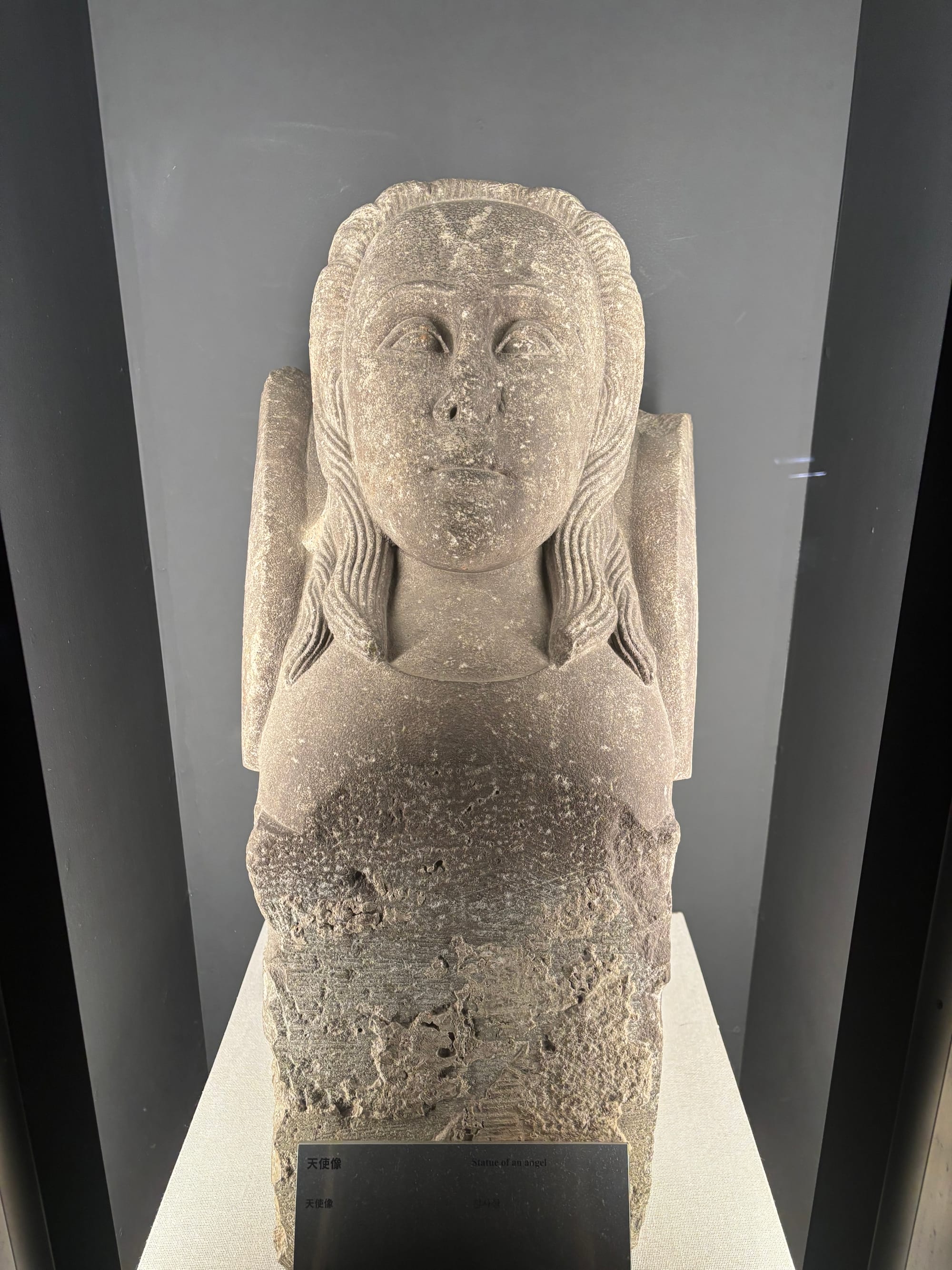
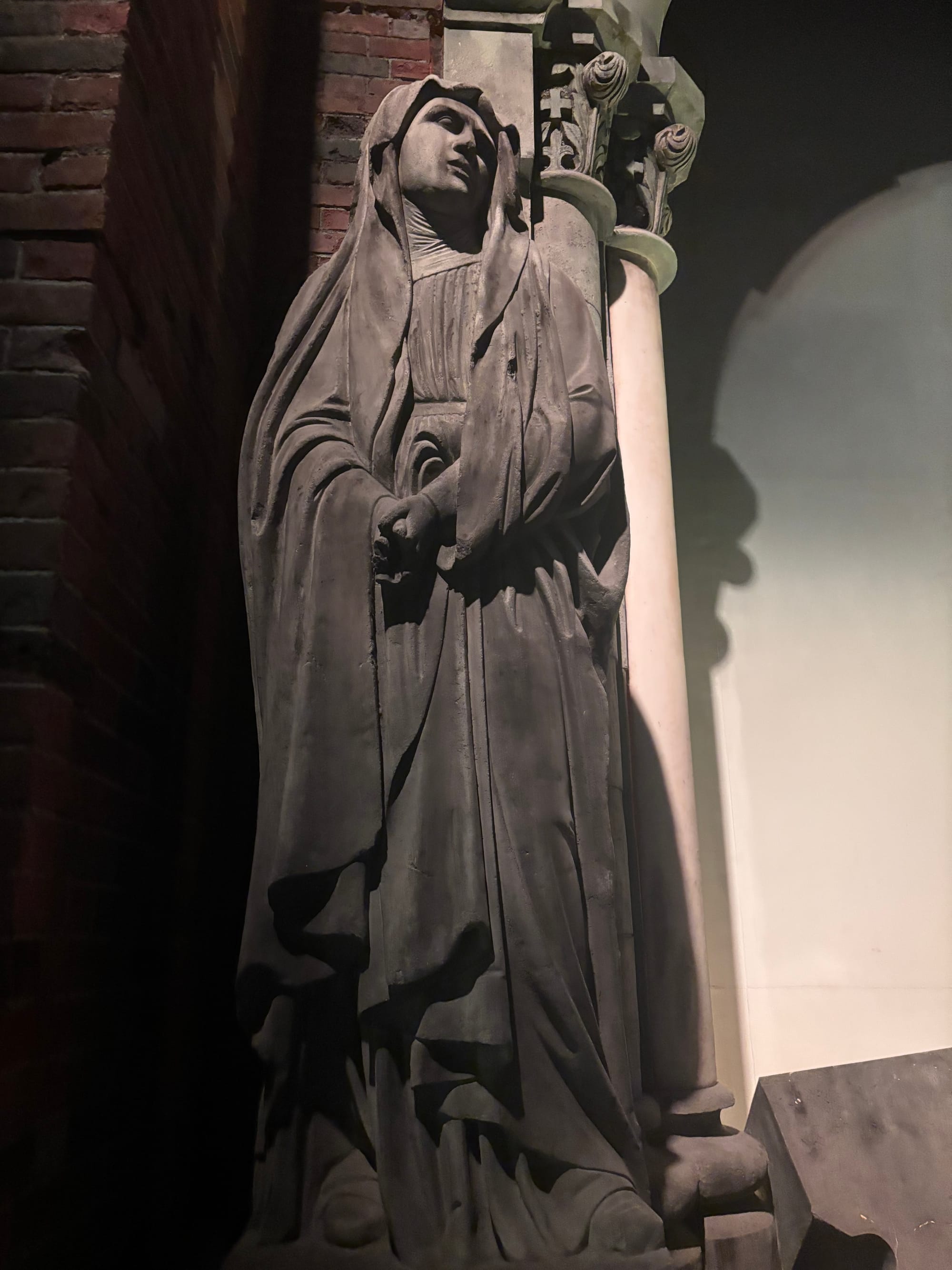
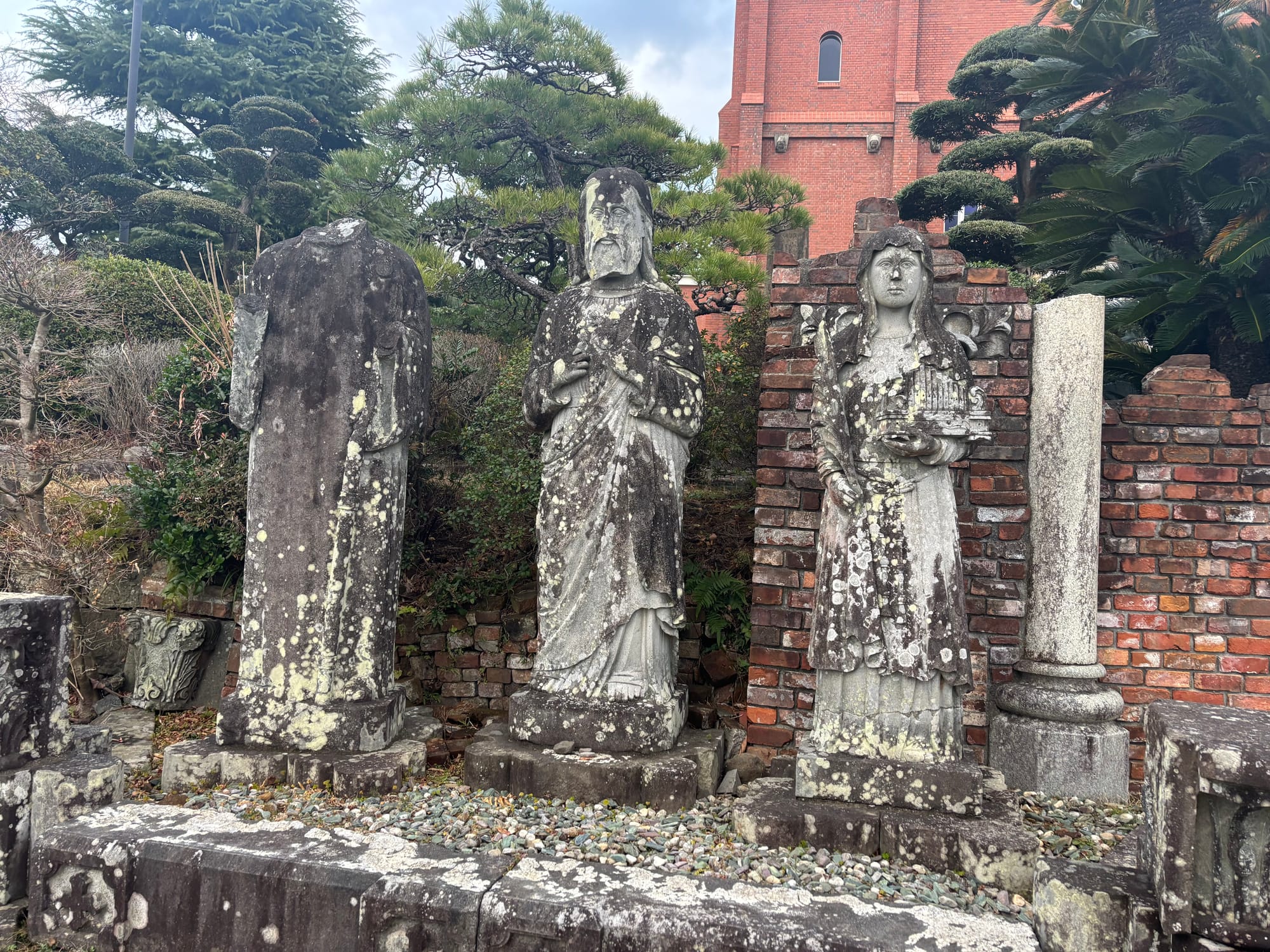
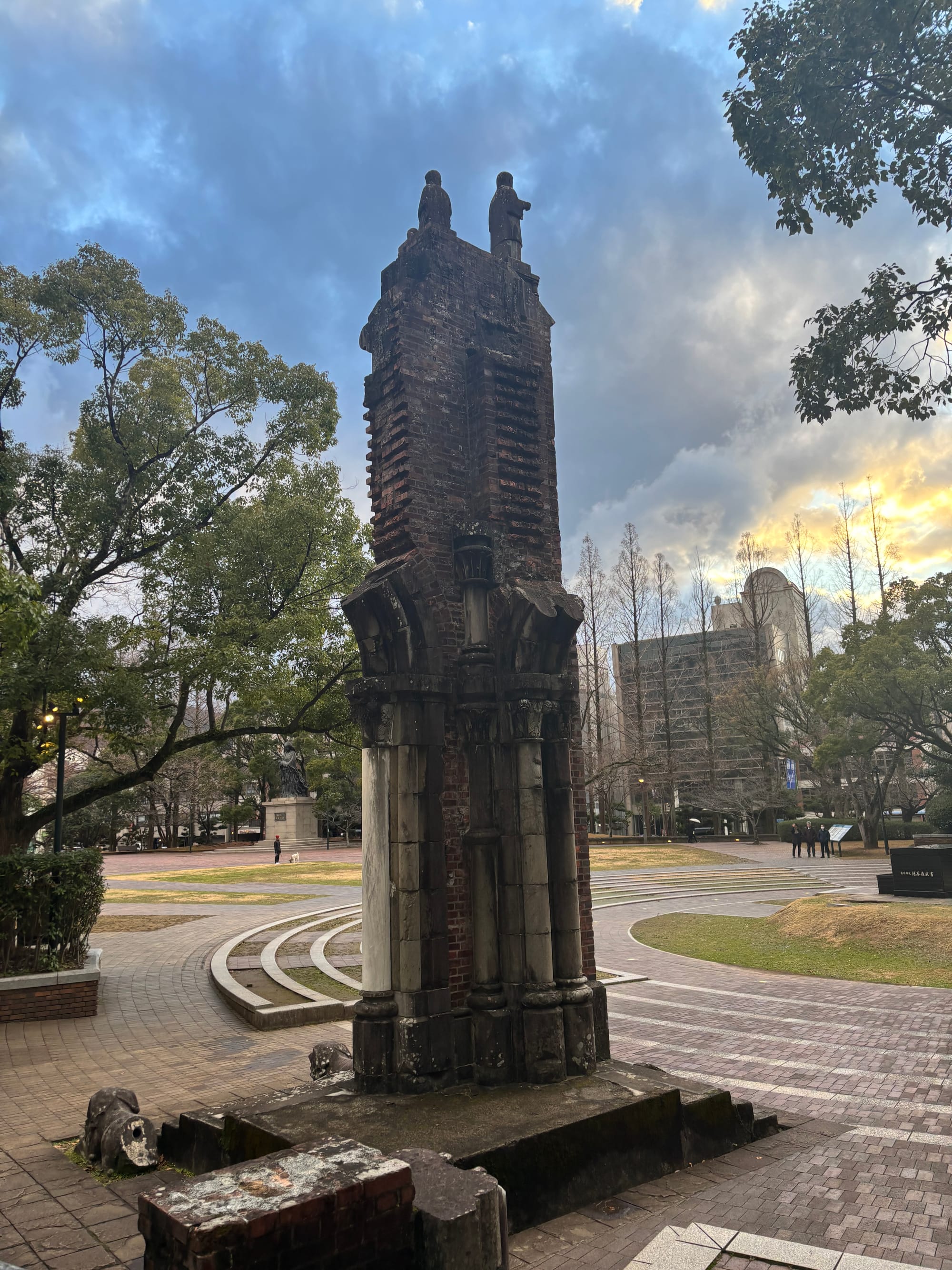
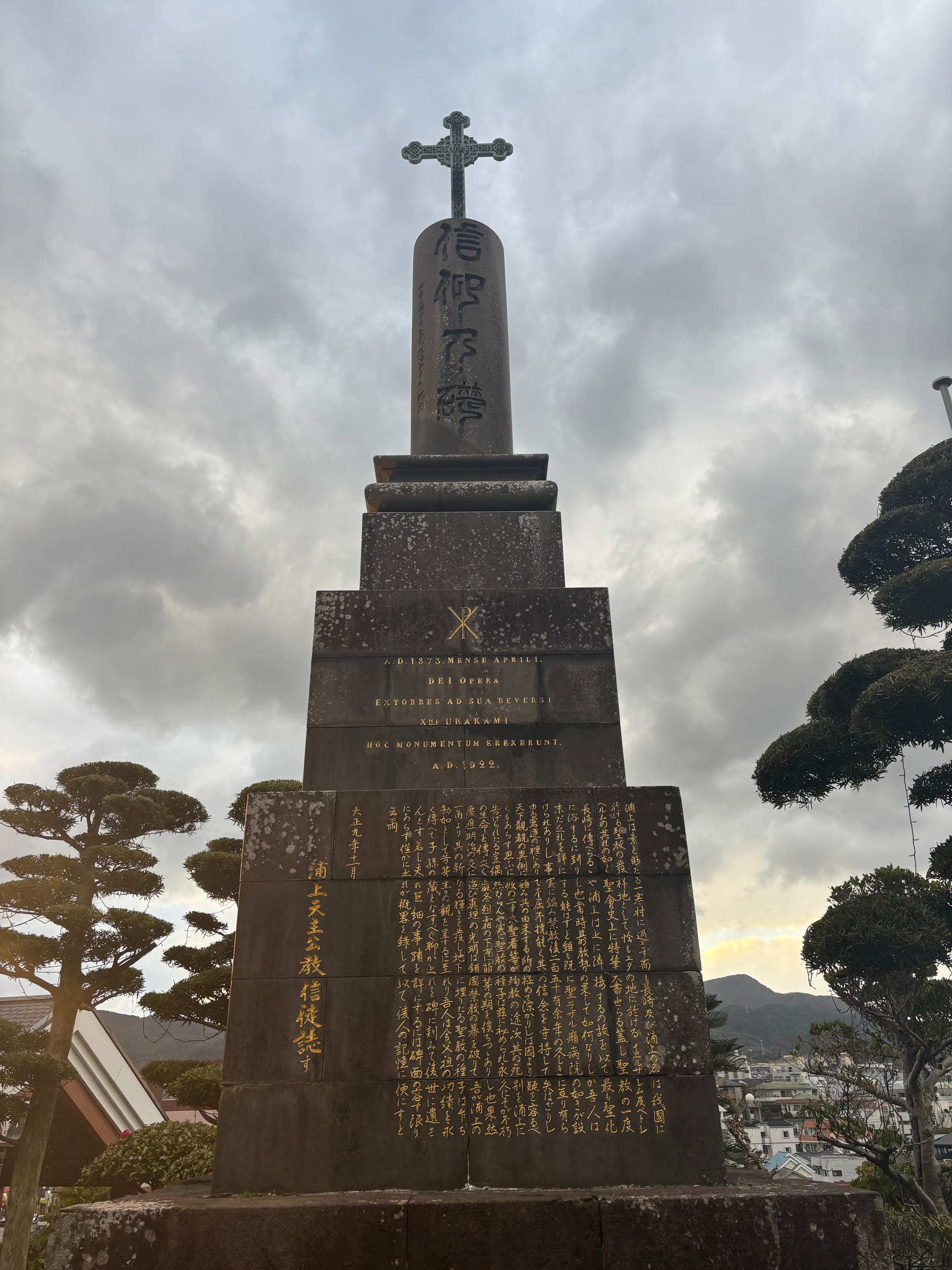
When I visited the remains of Urakami Cathedral, I was not prepared for how intimate the devastation felt. The cathedral was once the largest in Asia, built by a hidden Christian community who had endured centuries of persecution. And it was there, at that altar, at that hour of morning Mass, that the bomb fell.
A military target? No. A theological one? Perhaps not intentionally. But symbolically, unequivocally.
The dome of Hiroshima may be the face, but Nagasaki’s cathedral is the heart. The sacred made fragile. The saints dismembered. The sacred space ripped open like flesh.
And yet it has not collapsed. It has become icon. A liturgy of ash and brick. The new cathedral stands beside it; not in triumph, but in vigil.
🕯️ Two Cities, Two Testimonies
Hiroshima teaches by silence.
Nagasaki teaches by prayer.
One says: This must not happen again.
The other says: Even here, grace may return.
And both together say something deeper still: that to remember rightly is not simply to recall, but to be changed. The ruins do not commemorate. They transform.
We remember not to glorify, but to obey. Not to admire, but to answer.
🪨 When the Stones Begin to Speak
We often say: stones do not speak.
But in these cities, they have begun to whisper. And we must bend low to hear them.
The mineral has been awakened. Not in evolution’s long arc: but in a sudden, brutal searing. As if the earth itself was branded. And now, that consciousness will not go back to sleep.
These are not passive ruins. They are not inert matter. They are ethical presences. They call us into account. They do not explain: they expose.
And this is perhaps the inversion of Rumi’s mystical ascent: not that consciousness rises out of matter, but that matter itself, once shattered, may rise into a strange, broken kind of awareness. A consciousness that bears witness, not of itself, but of us.
✝️ The Cross and the Face
In Nagasaki, I saw the Cross.
In Hiroshima, I saw the Face.
And in both, I saw the dream of Rumi shattered and reformed: not as upward spiral, but as wakeful ground.
Not consciousness becoming matter, but matter remembering consciousness.
📜 Postscript: The Stones Remember Us
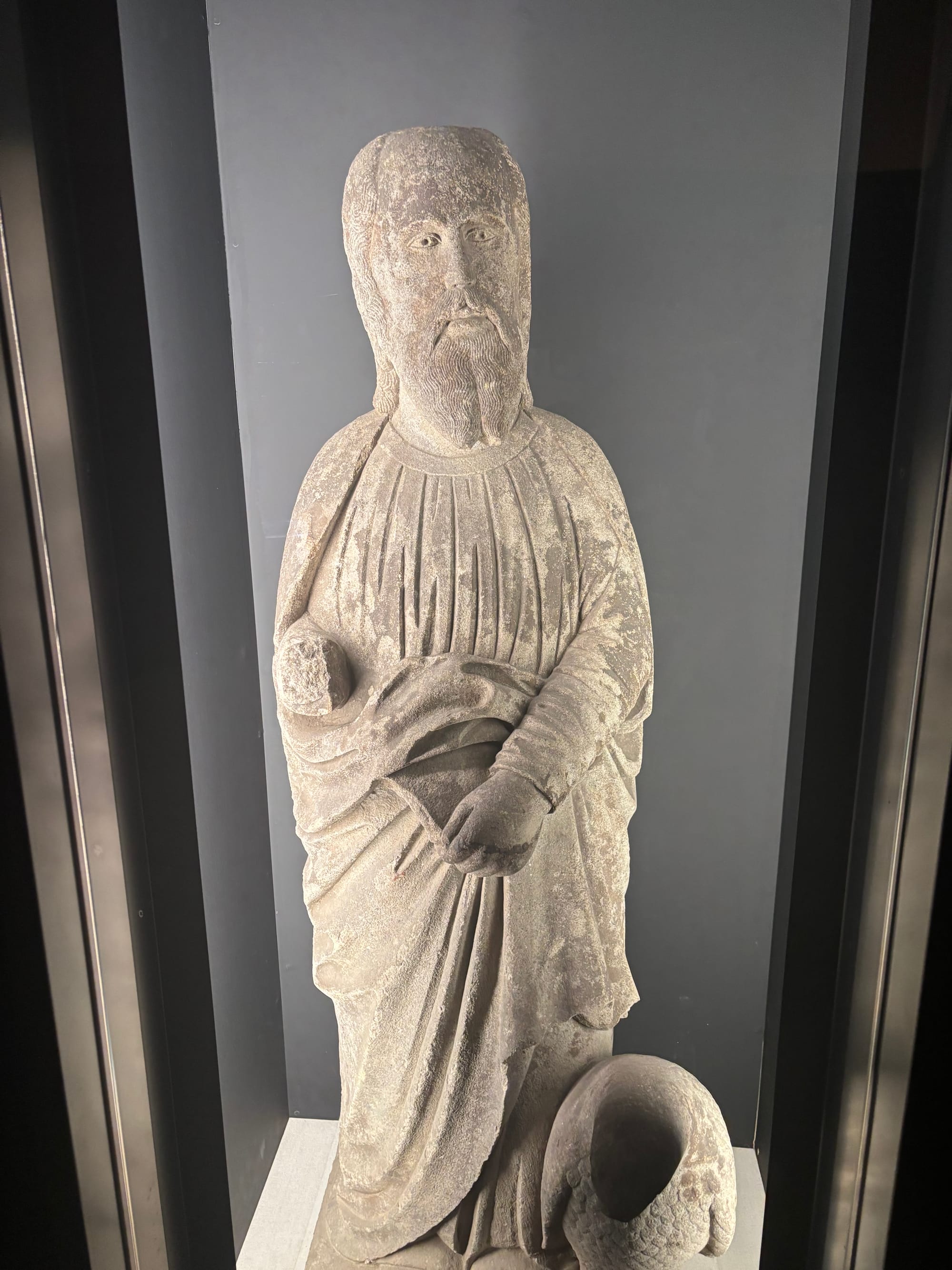
We like to think we are the ones who remember.
But the truth is more haunting.
The stones remember us.
And they are still watching.