⚖️ Stone, Cold, and the Moral Imagination: A Reflection on Abashiri Prison
“The degree of civilization in a society can be judged by entering its prisons.”
— Fyodor Dostoevsky, The House of the Dead
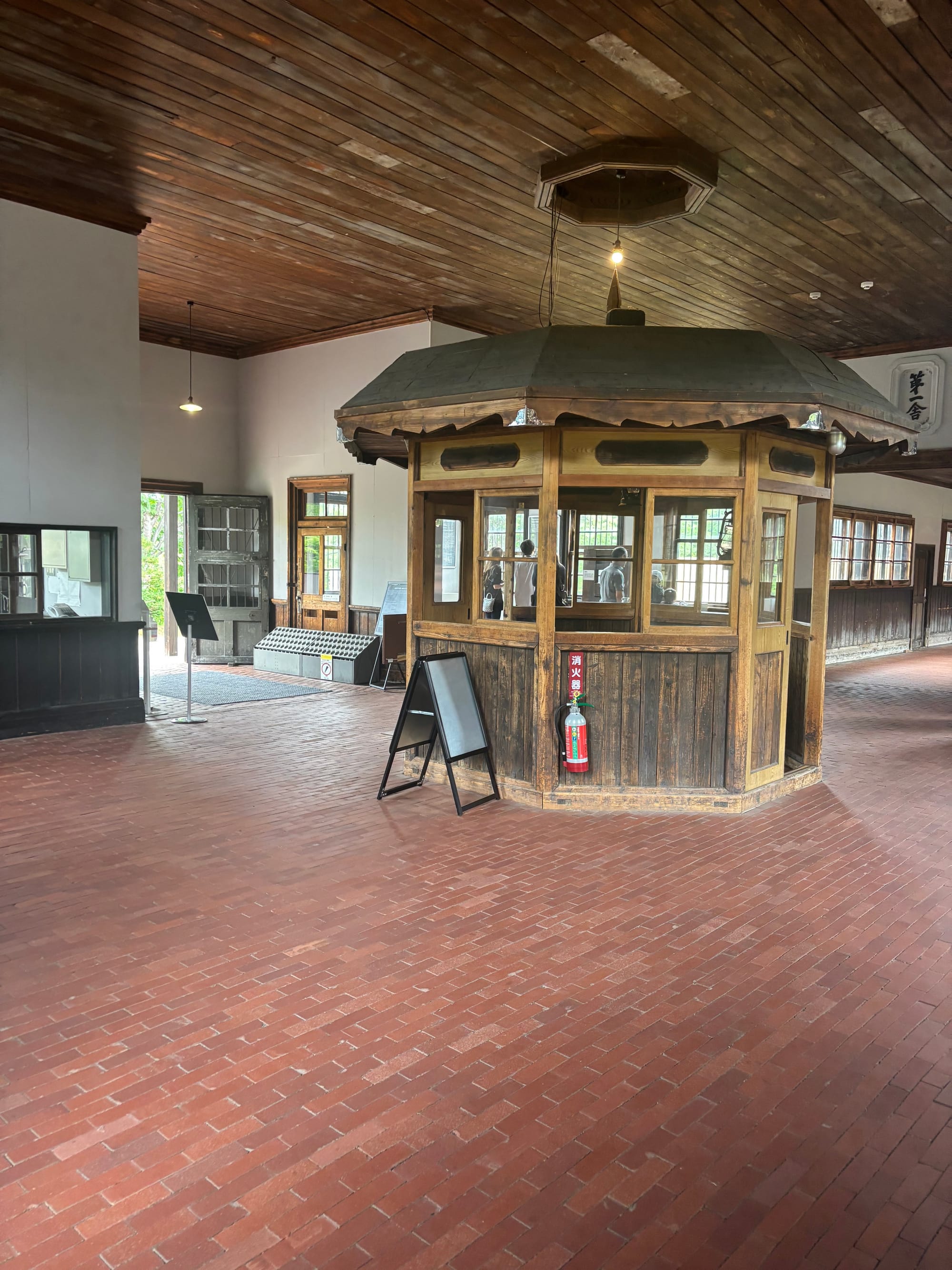
Abashiri is a beautiful place. Cold, vast, impossibly quiet. The sea is never far from view, but it seems frozen in thought. In winter, the drift ice arrives like silence turned visible. And in the midst of this harsh and luminous landscape sits a building made of red brick and moral memory: the former Abashiri Prison.
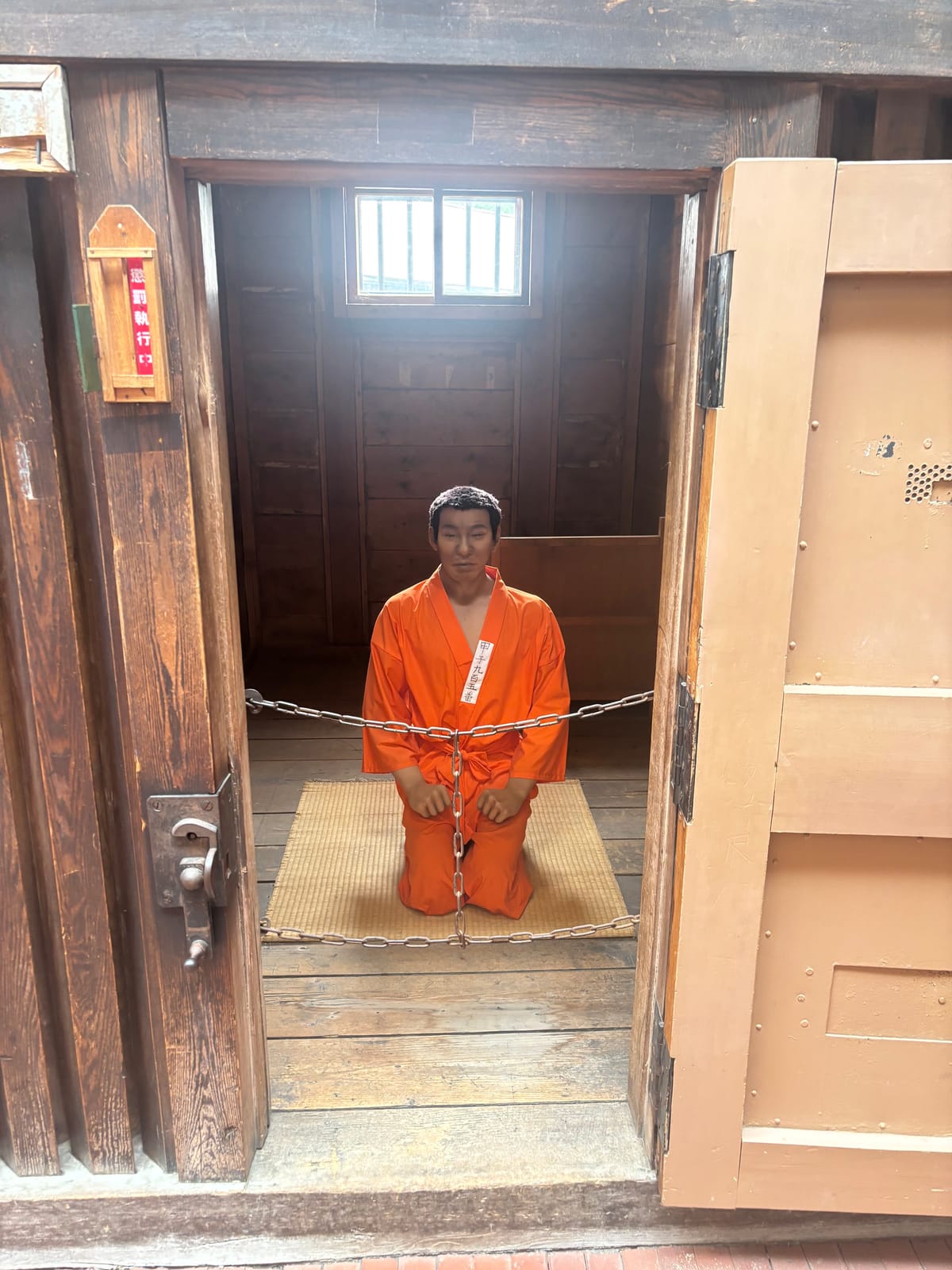
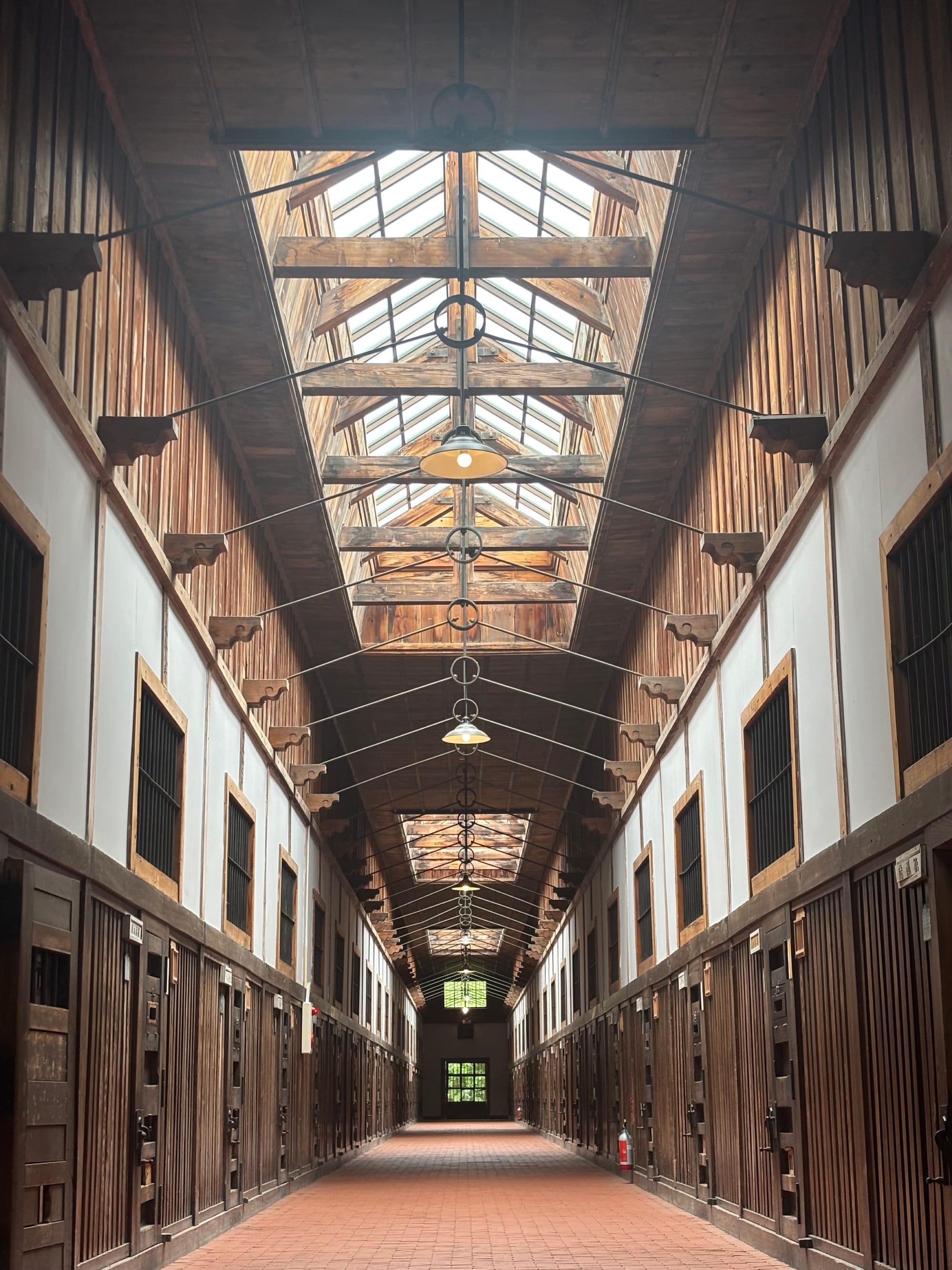
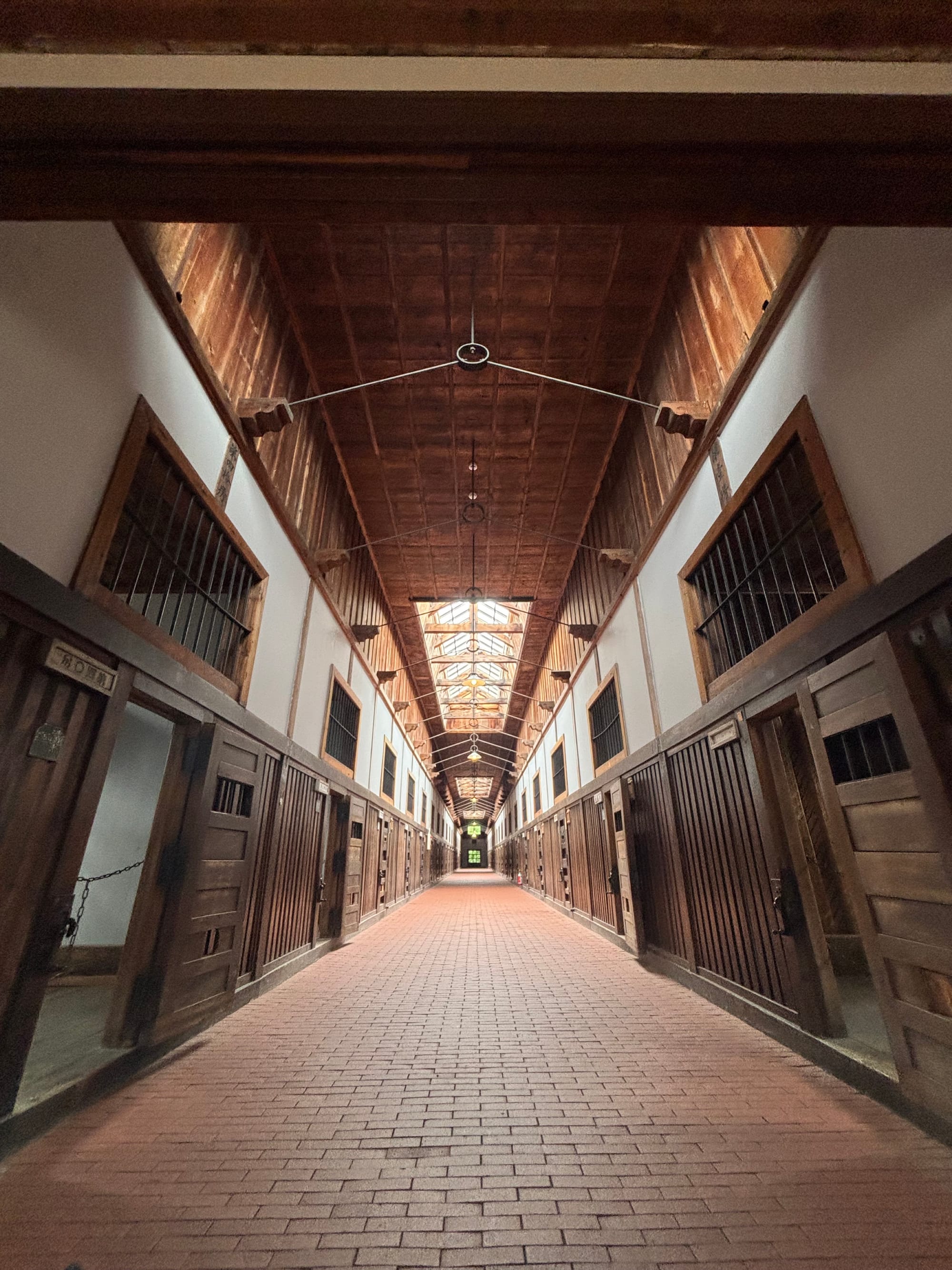
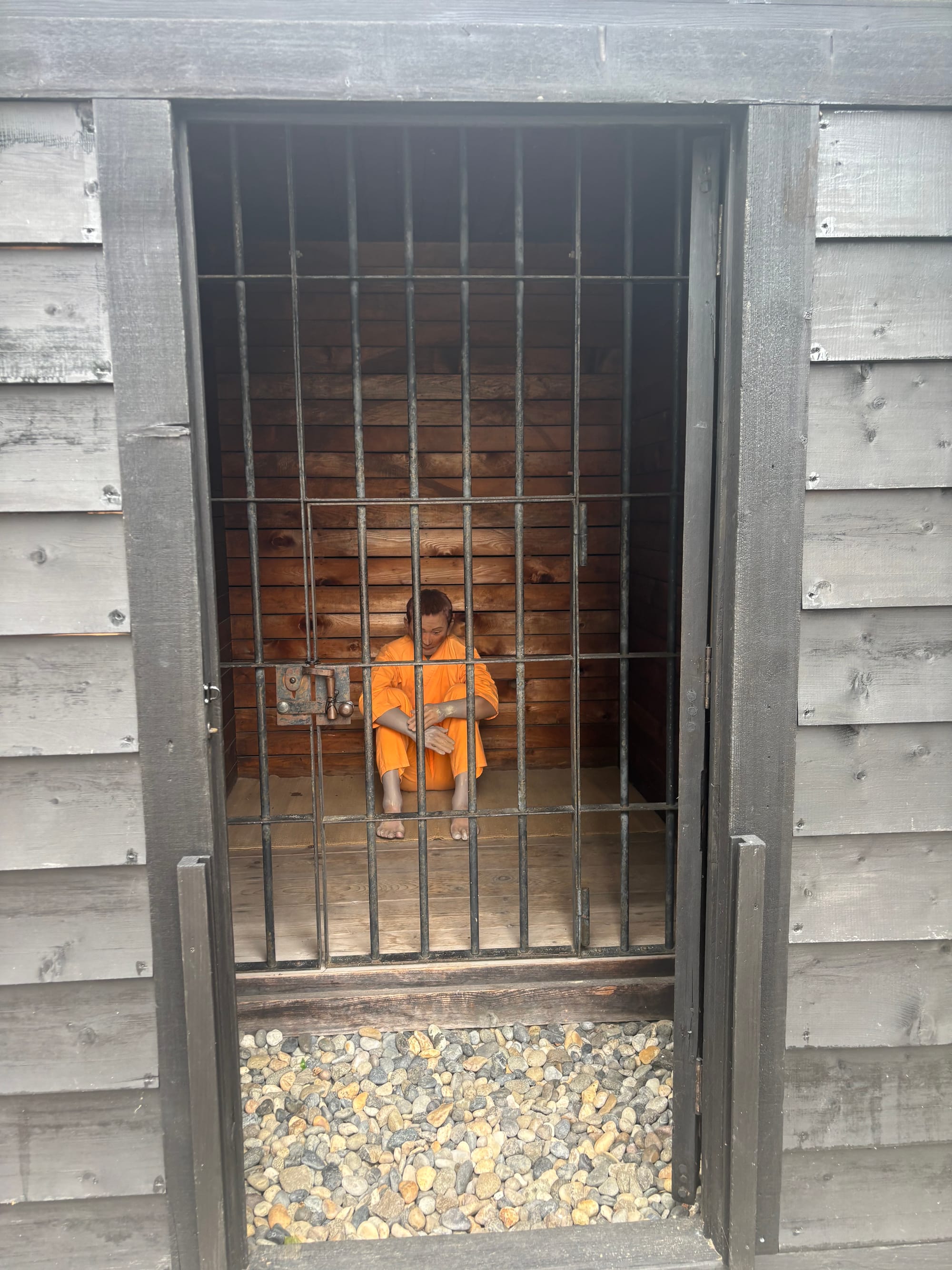
Today, it is a museum. A place for tourists to glimpse the architecture of discipline. There are wax mannequins. Prison uniforms. A reconstructed cellblock in the style of the “H-shaped” design: a structure whose purpose was less about housing than surveillance. The influence of Bentham is everywhere, even if unspoken.
Walking through it, I was not struck by cruelty. I was struck by precision.
Discipline does not always announce itself with violence. Sometimes it arrives through efficiency.
🧿 I. The Measure of a Society
It has been said, most often paraphrased from Dostoyevsky, that a society can be judged by how it treats its prisoners. I believe this. Not because prisons are exceptional places, but because they are concentrated reflections of what a society is willing to tolerate. They reveal its margins, its limits, its fears.
In my time working in Regina Coeli prison in Rome, I saw this firsthand: men surviving in a 17th-century building, crumbling under heat and indifference, yet somehow still forming alliances of dignity. In Wetherby Young Offenders Institution, I saw a different scene: fluorescent lights, institutional greys, and a bureaucracy of good intentions. But in both, I felt the same atmosphere: the ethical quiet of a place that the public forgets as soon as the door closes.
What you learn quickly, in any prison, is that punishment is rarely redemptive. It is administrative. And most of all, it is spatial. People are not corrected. They are moved.
🧠 II. Bentham and the Geometry of Control
Abashiri’s panoptic layout is not accidental. It is an attempt to translate a philosophy of control into architecture. Jeremy Bentham’s panopticon was never built in his lifetime, but its logic has outlived him. The idea is simple: a central tower can observe all inmates, but they cannot see into the tower. Surveillance becomes internalised. Even when no one is watching, you behave as if someone might be.
Bentham believed this would lead to reform. That fear, rationalised through architecture, would lead to virtue. But there is a deeper problem here: Bentham’s calculus presumes that human beings are units of utility. That behaviour can be managed into goodness.
The panopticon does not offer rehabilitation. It offers obedience. What it erases is not just liberty, but interiority.
To walk through Abashiri is to walk through this logic. The corridors are clean. The wood is polished. But the angles of sight dominate everything. You are always potentially seen. The soul, under such conditions, is not nurtured. It is surveilled.
📚 III. In Literature, the Prison Thinks Back
The prison in literature is not merely a setting. It is an epistemology. A condition of knowing. Characters who pass through confinement are not simply punished; they are transformed, distorted, or clarified by it. Each writer grapples with the question: what remains of the self when liberty is withdrawn?
In The Count of Monte Cristo, Alexandre Dumas gives us a man made and unmade by prison. Edmond Dantès is innocent, idealistic, even naïve when he is imprisoned in the Château d’If. His incarceration is arbitrary, political, and undeserved; and yet it becomes formative. In solitude, he encounters another mind: the Abbé Faria, a kind of Socratic figure who teaches him not just knowledge, but vengeance. What Dumas gives us is a transformation narrative, but one haunted by moral ambiguity. The man who leaves the prison is brilliant, powerful, and effective; but he is no longer purely good. In Dumas’ world, the prison does not destroy the self. It sharpens it into something colder. Justice becomes indistinguishable from retribution.
In Papillon, Henri Charrière offers a different vision. His is not a philosophical novel, but an experiential one. The narrative unfolds as a restless litany of confinement and escape from the brutal penal colonies of French Guiana, from solitary cells, from the sea itself. Papillon does not become wiser. He becomes harder, more animal, more instinctive. What the prison reveals here is not a deepening of the self, but the refusal of the self to be subdued. Charrière offers freedom not as moral ascent, but as refusal: sheer, brute insistence on one’s own movement.
And then there is The Gulag Archipelago, where Aleksandr Solzhenitsyn abandons the romance of escape altogether. There is no Monte Cristo fantasy here, no Papillon flight. Only a meticulous, forensic, searing account of what happens when the prison becomes the state. Solzhenitsyn does not just describe conditions. He diagnoses the soul under totalitarianism. In the camps, men are not only broken physically. They are deprived of moral agency. The great terror of the Gulag is that good and evil lose their public face. They become interior events, visible only to God, or to no one. “The line separating good and evil,” he writes, “passes through every human heart.” And yet, even in this abyss, Solzhenitsyn finds a grim redemption: the ability to suffer knowingly, to preserve a hidden integrity when all outward forms of honour have been erased. The prison, here, is crucible and cross.
In each case, literature insists: the prison is never just a place. It is a test of what remains when freedom is gone. What does one become? An avenger? A fugitive? A witness?
🌌 Final Reflection: Who Do We Become When We Cage?
Abashiri, like Wetherby and Regina Coeli, is no longer fully a prison. And yet, it continues to speak. Its corridors echo not only with the memory of footsteps, but with the unresolved ethical questions we have not stopped asking.
Who do we think we are punishing?
What kind of future do we deny when we build only walls?
A prison reflects not only the crimes it contains, but the moral architecture of the society that sustains it. We imagine that justice ends at the point of incarceration. But justice begins there: in the dark, in the cold, in the silence where most of us stop looking.
Rainer Maria Rilke knew this silence. In Der Panther, he describes a caged animal no longer fully alive, no longer able to see the world that surrounds him:
Sein Blick ist vom Vorübergehn der Stäbe so müd geworden, dass er nichts mehr hält.
His gaze has grown so tired from passing bars that it no longer holds anything.
This is the final tragedy of imprisonment. Not simply suffering, but the erosion of perception. The self becomes disoriented. The world ceases to reveal itself. Not because it is gone but because the eyes can no longer see it.
Abashiri stands now not to incarcerate, but to remember. It is not only a museum. It is a moral ruin. A place that asks: what do we do with those who have done wrong? And what does our answer say about who we are?
We do not become more just by forgetting.
We become more just by remembering, and refusing to look away.