Still Written in Katakana: Ramen, Language, and the Art of Misreading Japan
「自分というものを他人の眼から見ようとする努力は、学問に通ずる道である。」
“The effort to see oneself through the eyes of others is the path to understanding.” — Natsume Sōseki
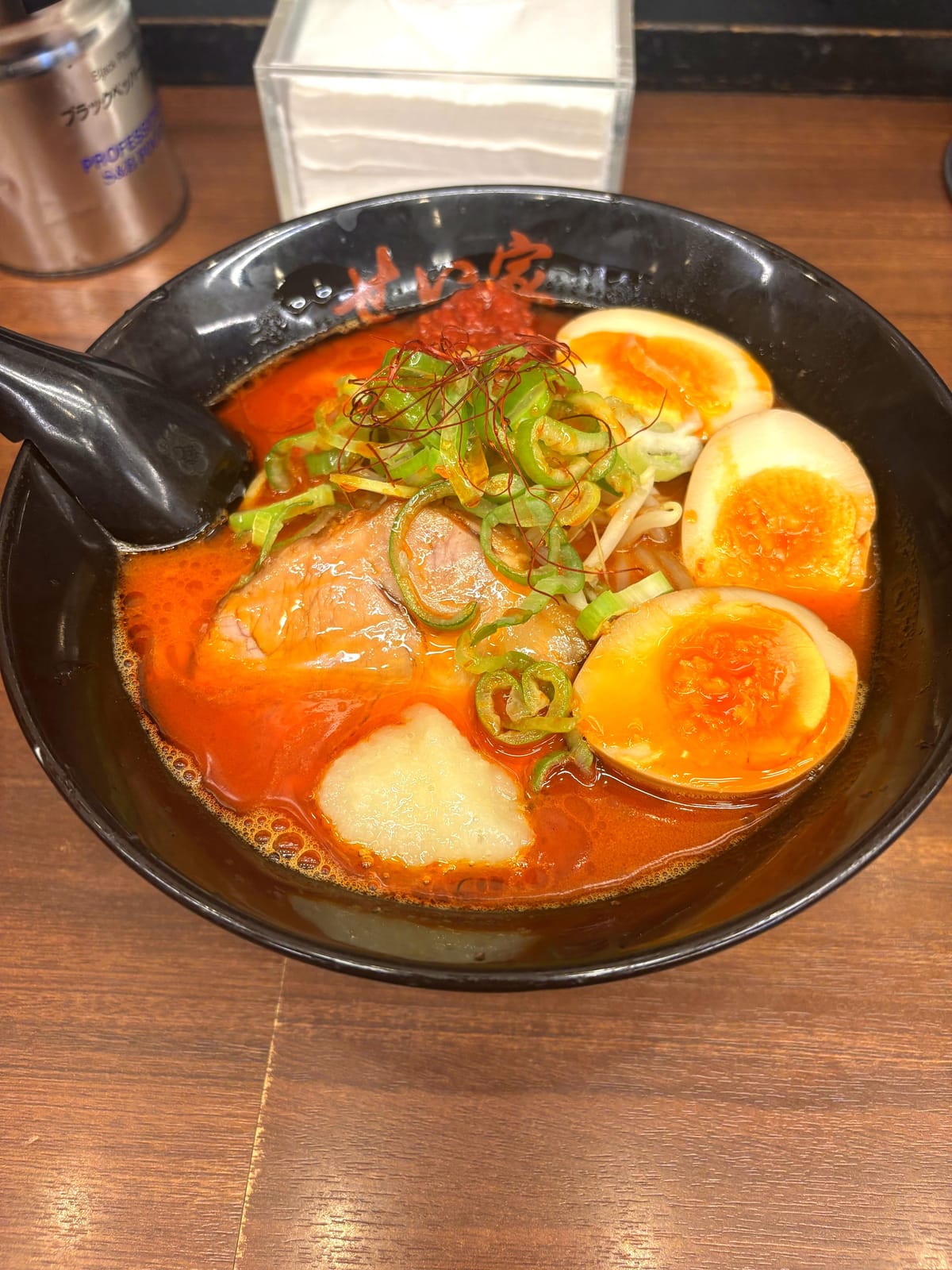
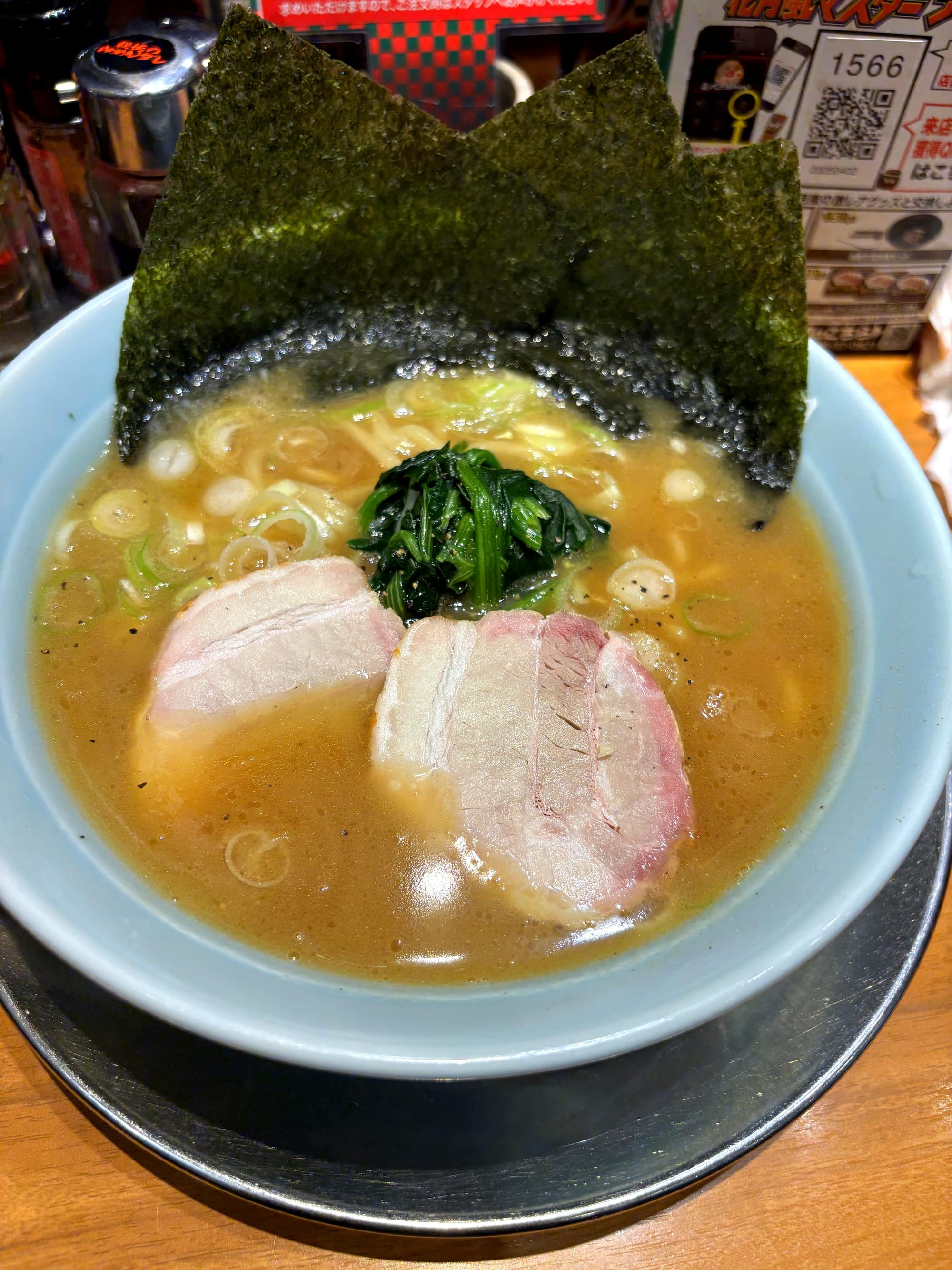
When I first came to Japan, I believed ramen was the most Japanese thing imaginable. A steaming bowl of noodles, miso or shoyu broth curling with umami, thinly sliced chāshū resting like punctuation across the top: what could be more native? More essential?
But even the name betrayed my ignorance.
Ramen (ラーメン) is written not in hiragana, the script of flowing softness and native intimacy, nor in kanji, the ancient logographs borrowed and transformed from Chinese. Instead, it appears in katakana, the alphabet Japan uses for the foreign. Loanwords. Outsiders. Not quite Japanese.
I’d come seeking essence, and found instead: an accent.
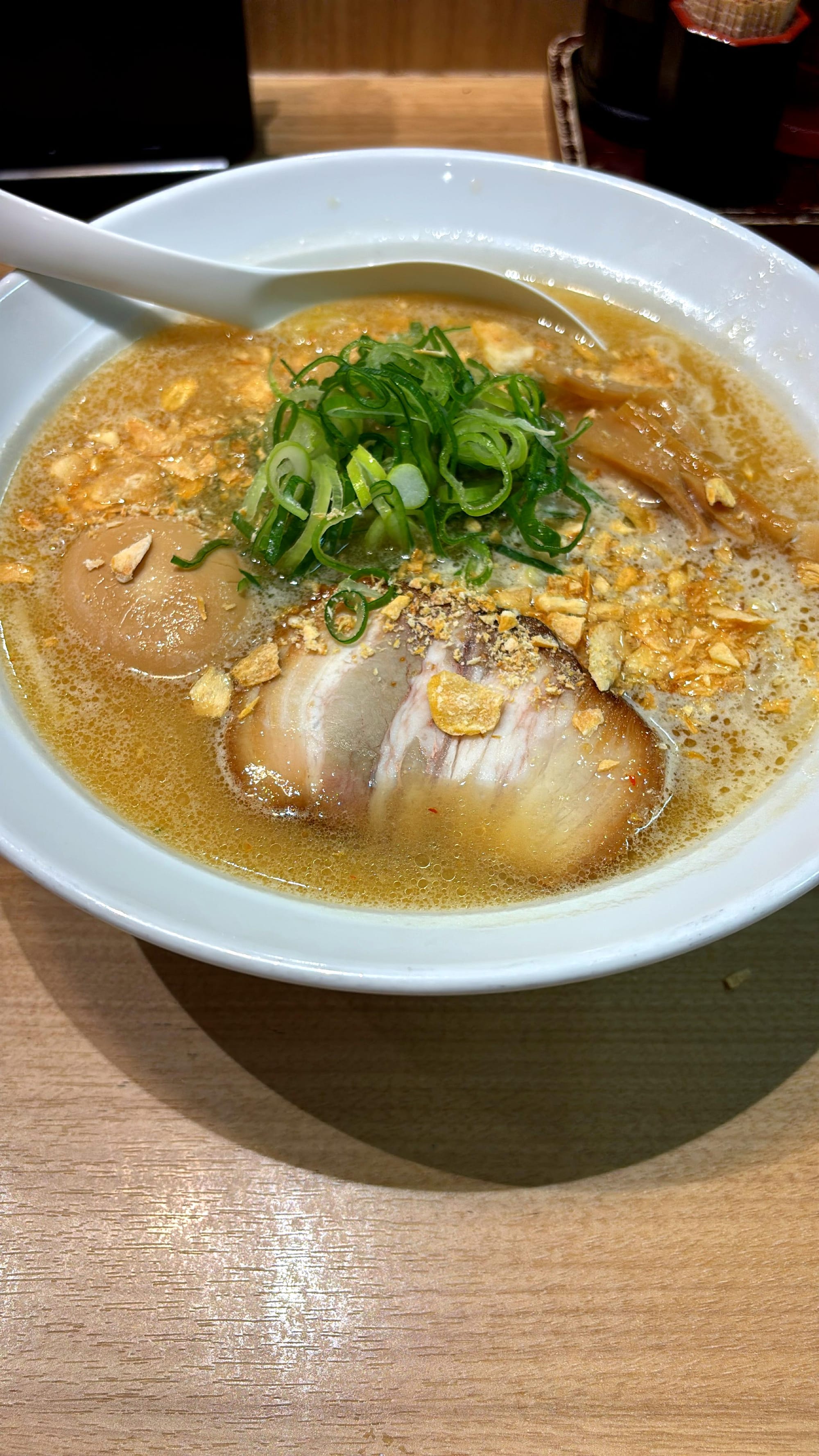
🍜 Ramen, Reconsidered
The word itself likely derived from Chinese lamian, but in Japan, ramen has taken on an identity all its own, which is regional, ritualistic, revered. And yet its script, angular and sharp, reminds you: this, too, is an adoption. A naturalised citizen of the palate, but not of the page.
Language in Japan does not merely communicate; it categorises. And katakana, in particular, carries with it both invitation and distance. It says: welcome, but not native. It says: known, but not kin.
So there I was, sipping broth in a Tokyo alleyway, realising that what I had called “authentic” was, in fact, a kind of naturalised stranger. Just like me.
🈳 Isolation, Intimacy, and the Nation
During the Edo period (1603–1868), Japan practiced sakoku: national seclusion. Foreigners were turned away. Christianity was banned. Trade was limited to a manmade island off Nagasaki. It was a time of splendid isolation, inward refinement, and linguistic vigilance.
The echoes of that era haven’t faded. You feel them: not in hostility, but in containment. In the elegant architecture of etiquette. In the unobtrusive order of trains. In the categorisation of a meal.
Katakana is a script for such things. A quiet border. Not a wall, but a delineation.
Even the most hospitable gestures, and the Japanese are wonderfully hospitable, contain the precision of boundaries. When I went, confused and flustered, to the Setagaya tax office, I was helped with such tact and patience it felt more like a tutorial than a correction. They smiled. They explained. They even praised my writing.
But I remained, unmistakably, a guest.
🖋️ Kanji and the Inaccessibility of Intimacy
Kanji, the dense, historic script of Japanese, is a system of signs inherited and transformed from Chinese. Many characters carry not just sound or sense, but layers of meaning: radical, root, and resonance.
There are over 3,000 kanji in common use. Few Japanese people master them all. For a foreigner, full fluency is quasi-impossible. The script is not just language: it is legacy. To write it well is not just to communicate, but to demonstrate erudition. To be seen as learned.
And so, though you may speak fluently, pay taxes, bow correctly, and slurp respectfully; you may still find your name written in katakana. Smiled at. Honoured. But gently kept just one script apart.
🗝️ A Language of Borders
In many languages, to conjugate is to belong. It means your verbs change shape to meet the sentence. Your “I” becomes “was” or “will be.” You bend to context. You are absorbed.
But in Japan, some things are never conjugated.
Citizenship here is difficult. Naturalisation requires a long residence, the renunciation of other allegiances, bureaucratic fluency, and, unspoken but undeniable, cultural intuition. The bar is not unfriendly. It is simply high. Made to protect what is seen, quietly, as sacred.
And so: ramen. Loved. Ubiquitous. Nourishing. Still written in katakana.
📖 Final Reflection
In the end, I still sit at the counter, slurping broth I cannot fully name, surrounded by a language I cannot wholly claim.
The ramen is delicious. It always is.
But what lingers longer than the salt or the steam is the quiet awareness that I am here, but not entirely of here. My name is written in katakana. My presence is conjugated into the syntax of welcome, not origin.
And maybe that’s what Japan has taught me most tenderly:
That to be welcomed is not the same as to belong but it is its own kind of beauty.