Splendour and Suspicion: Notes on Havana
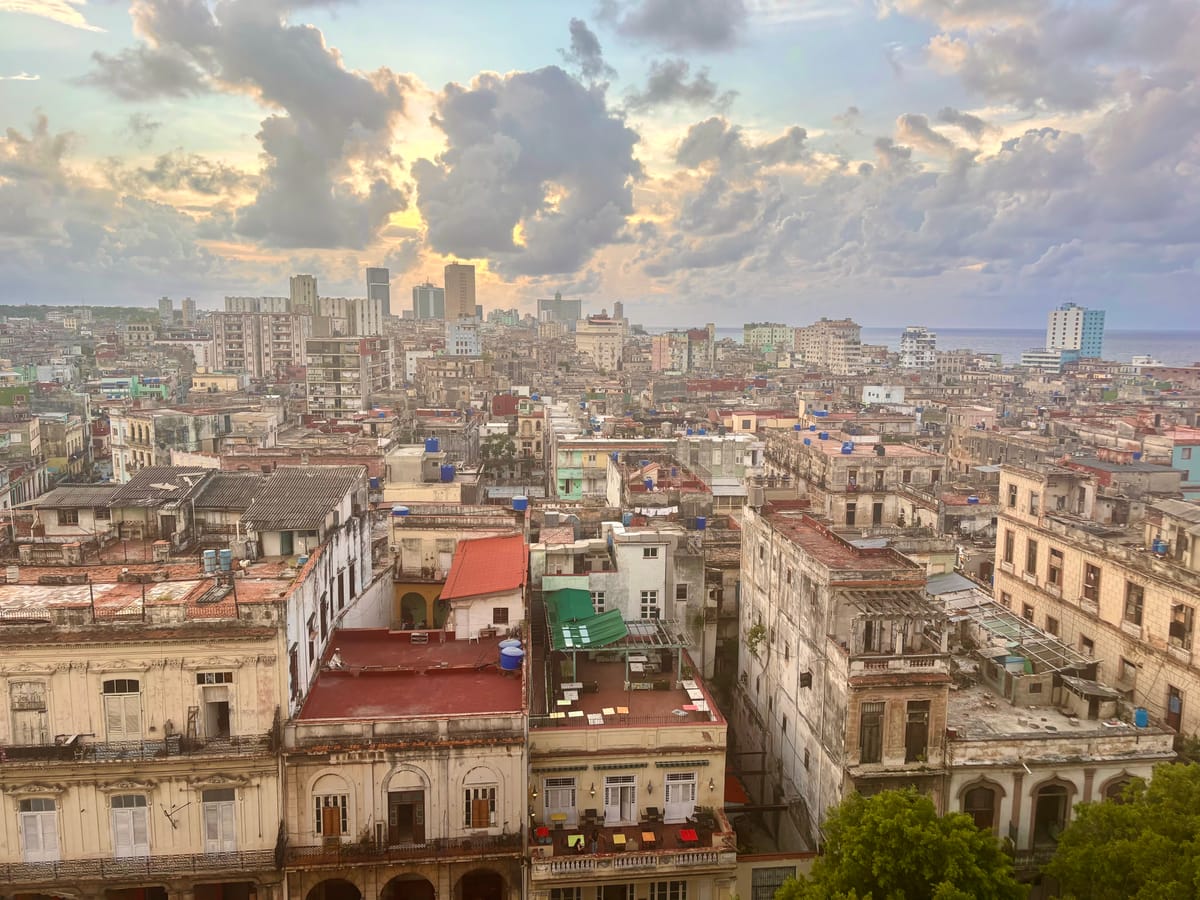
“The city… does not tell its past, it contains it like the lines of a hand.”
— Italo Calvino, Invisible Cities
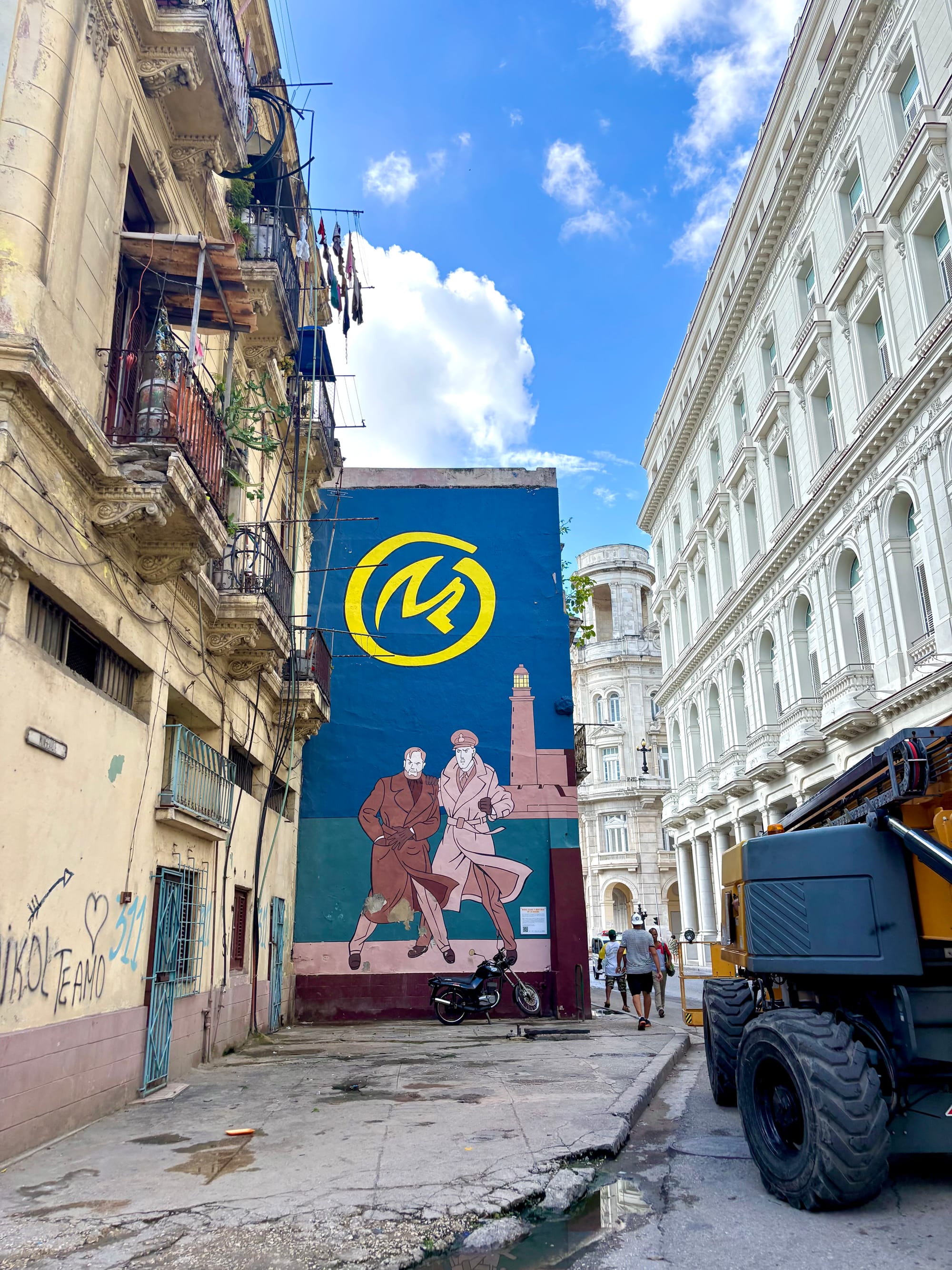
🌆 Two Visions of the City
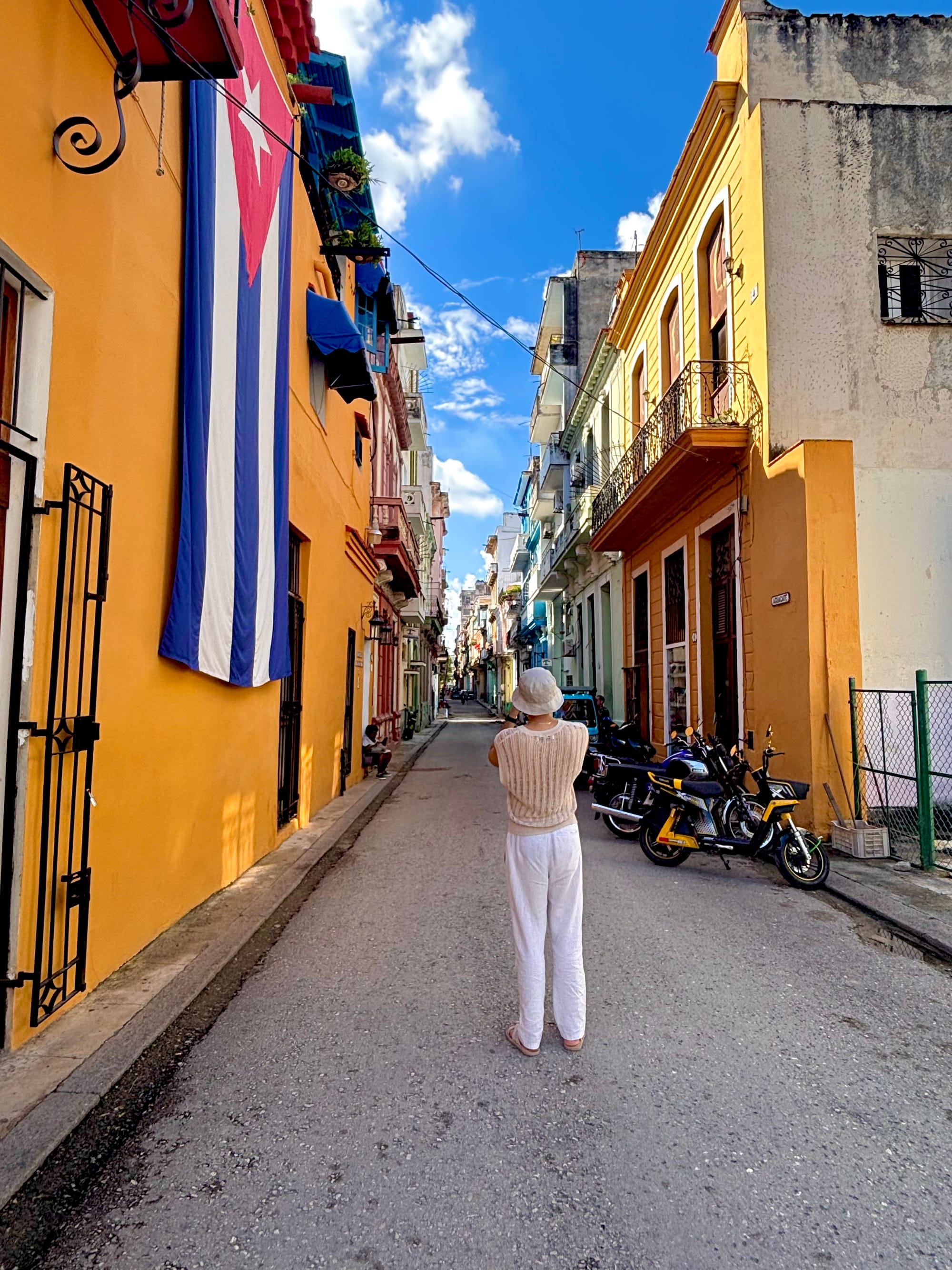
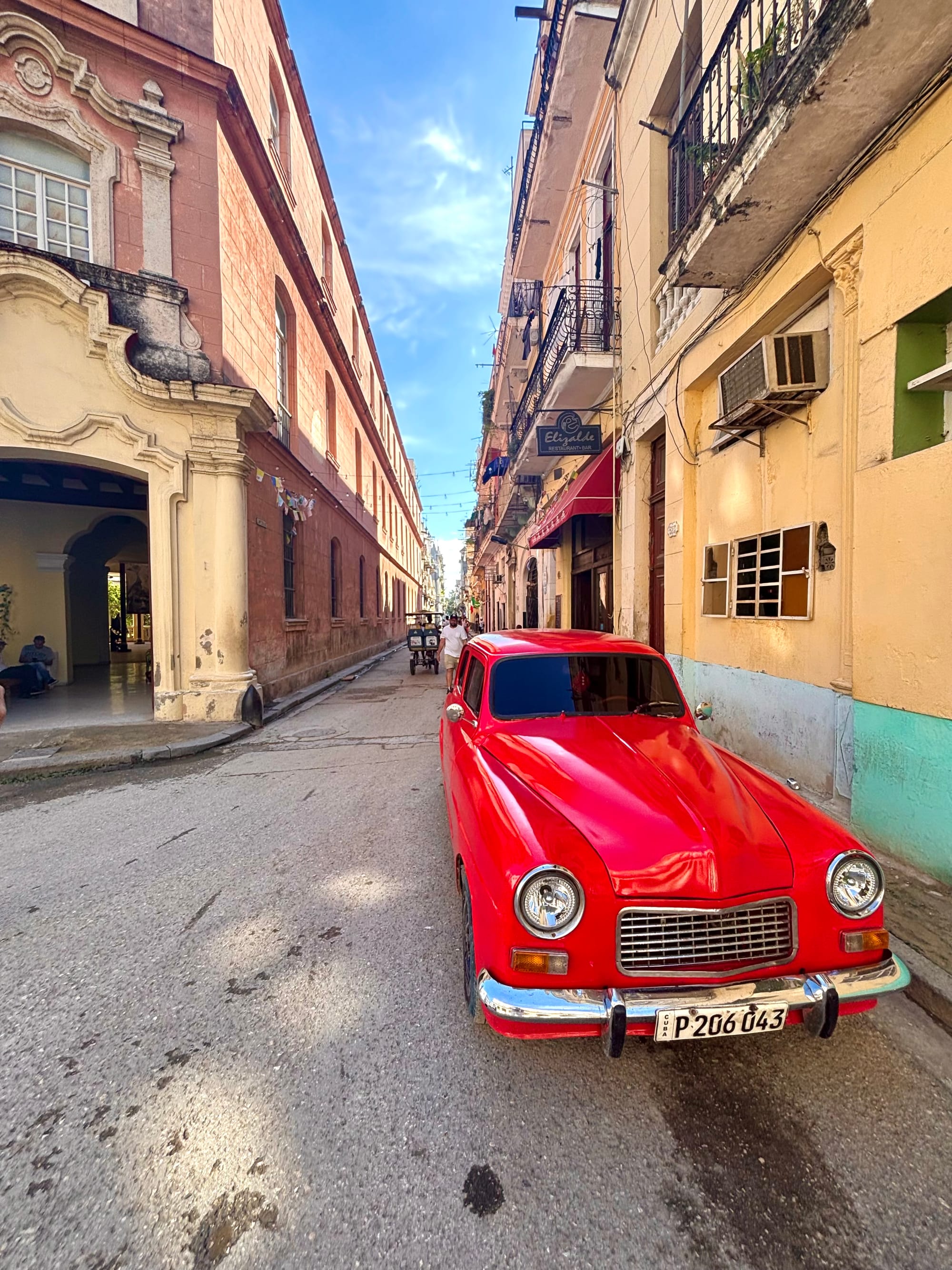
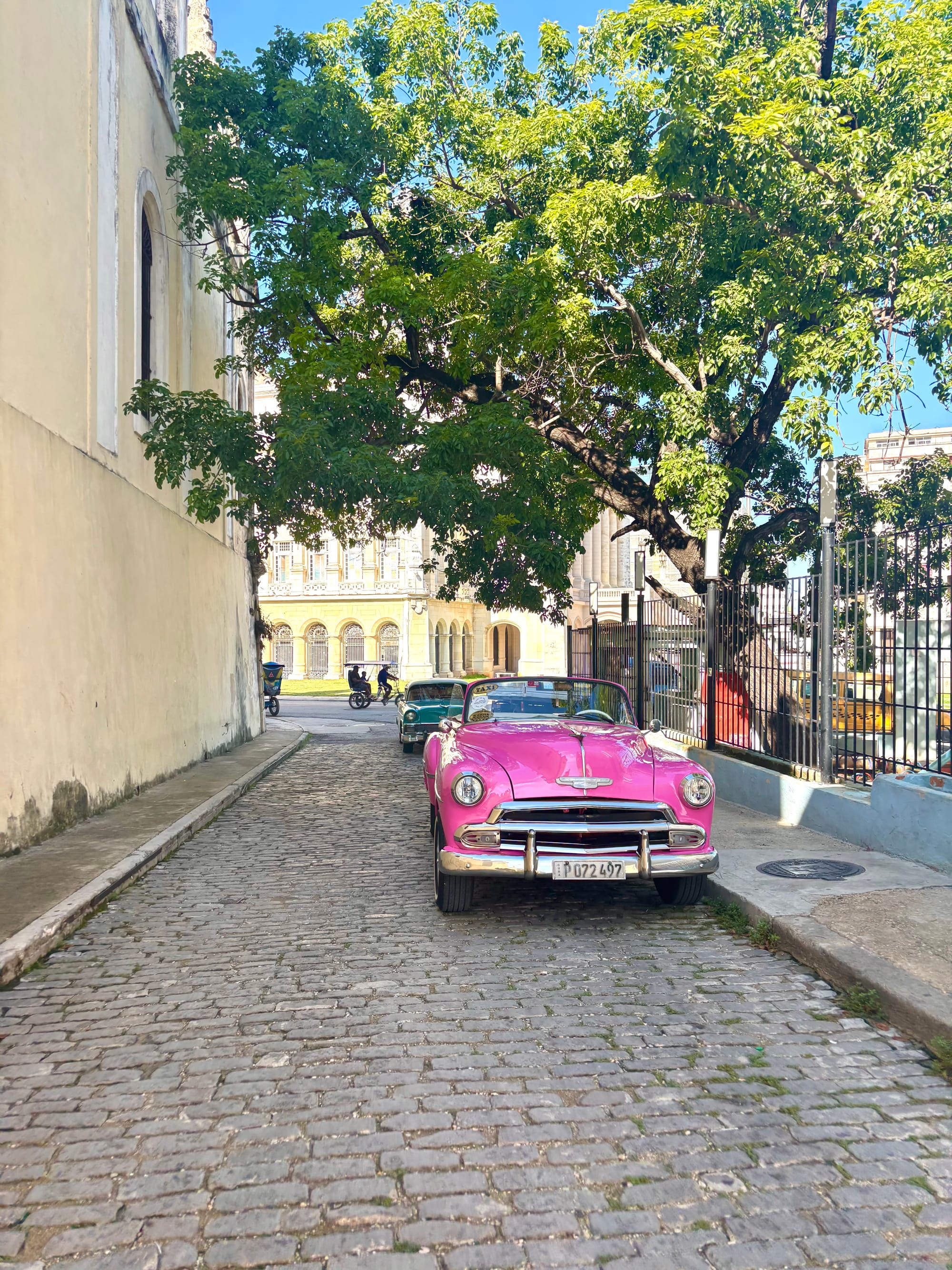
The first thing you notice in Havana is the weight of the sun. It presses on the stone, bleaching pastel walls into chalk, making colours burn too brightly to last. The air is thick with smell: tobacco curling from open doorways, petrol leaking from patched Cadillacs, and beneath it all the sour trace of poverty that no paint can conceal.
To walk here is to be dazzled and unsettled in the same step. A mural glows, but the plaster is already falling. A man smiles and asks where you are from, and already the calculation has begun. Splendour and suspicion coexist without disguise.
Calvino might have seen Havana as one of his invisible cities: half dream, half ruin, endlessly rewritten in gestures and improvisations. Lezama Lima called it a banquet of excess, too dense to be reduced to a single line. I felt it as both: seductive, deceptive, unfinished.
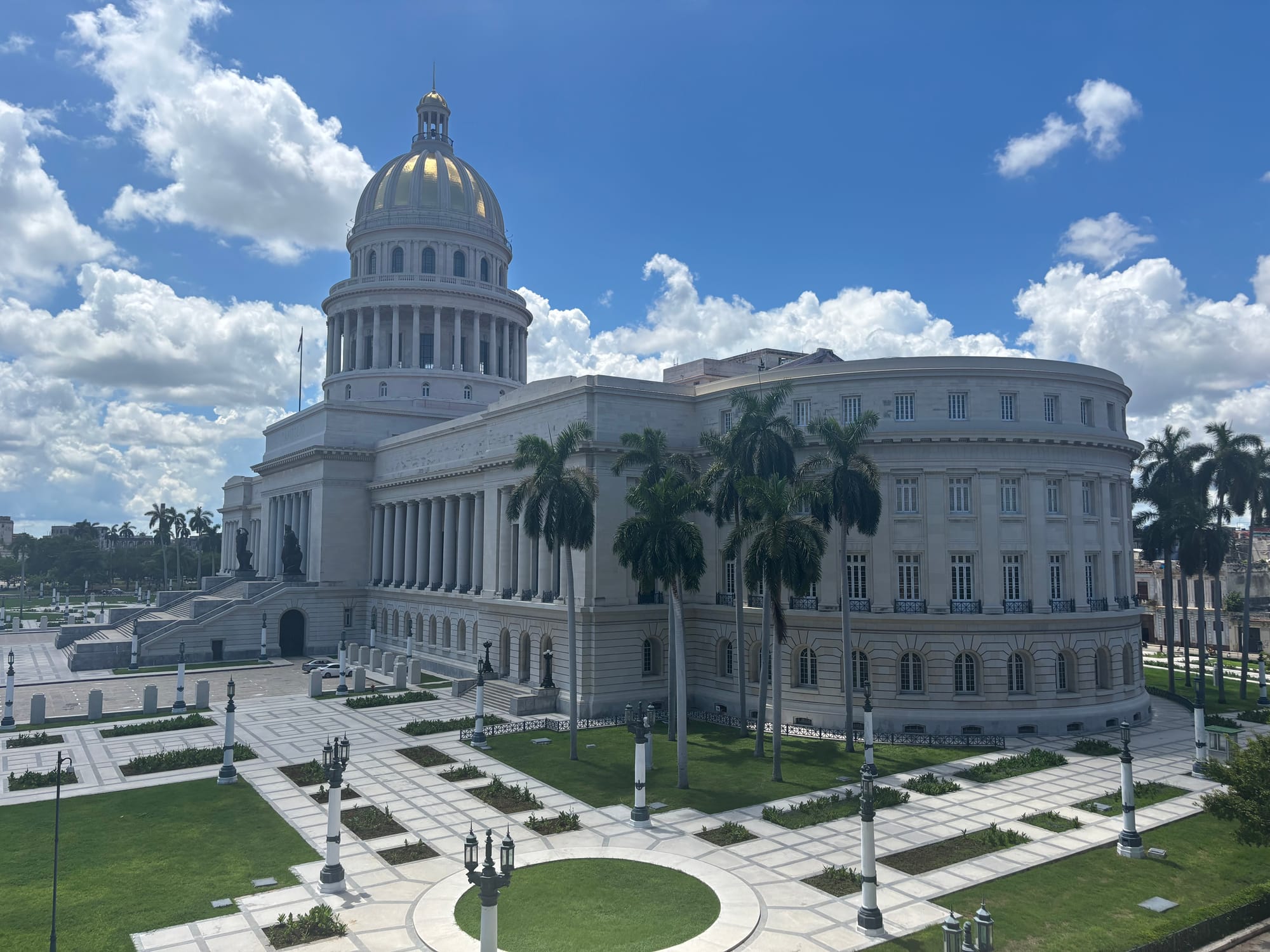
🏛 The Capitolio and the Palimpsest
The Capitolio rises in marble imitation of Washington, yet here imitation is already transformation. Its dome gleams in the sunlight, but its edges fray with scaffolding and chipped stone. Grandeur and decay are not opposed but folded into one another.
Calvino wrote that cities carry their past like the lines of a hand, never erased but layered. The Capitolio is precisely that: permanence imagined on top of fragility. Lezama would recognise the baroque density; accumulation rather than resolution.
But even here, vigilance intrudes. Guides inflate entry prices; men circle with offers of help. To admire the monument is already to scan for deception. Beauty in Havana never comes alone. It always brings suspicion with it.
💵 The Scam
The choreography is simple. One man greets you with warmth, asks where you are from, what hotel you are staying in. It feels like chance, the friendliness of the street. Later, another approaches with uncanny precision. He knows your name. He mentions your hotel. He says he works there. Trust forms easily, because the details feel exact. By then it is too late.
I handed over $100 and received the equivalent of $8. The arithmetic was absurd, and I knew it even as I accepted it. The real failure was not ignorance but complacency. I let myself be deceived because I wanted the charm to be true, because vigilance is tiring, and Havana seduces you into rest.
Calvino would say that Havana survives by scripting its visitors, drawing them into a fiction they half-know is false. Lezama would call it baroque: excessive, layered, theatrical. The scam is not an interruption of Havana’s beauty. It is Havana’s beauty, sharpened into survival.
🖼 Walls of Decadence
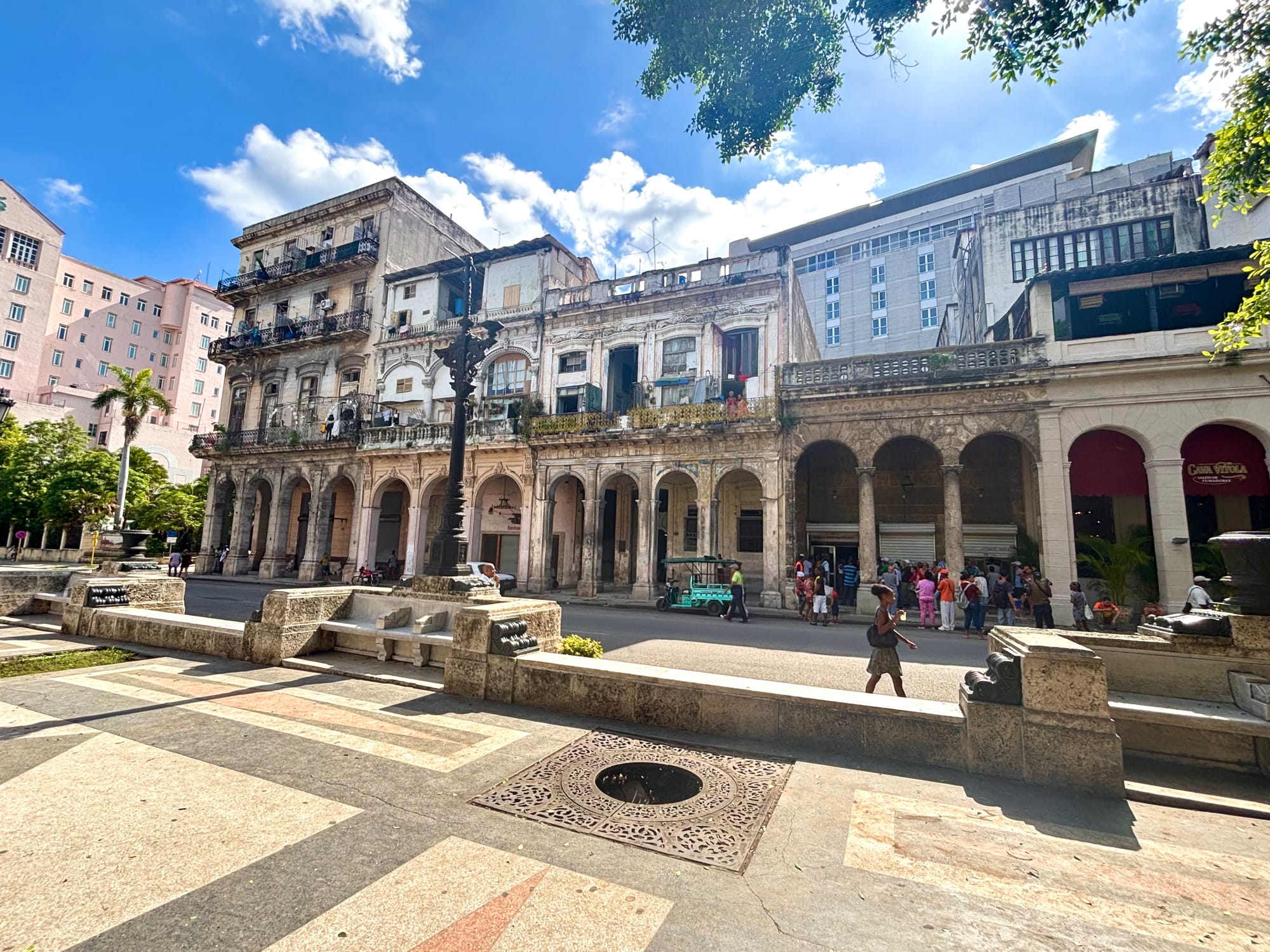
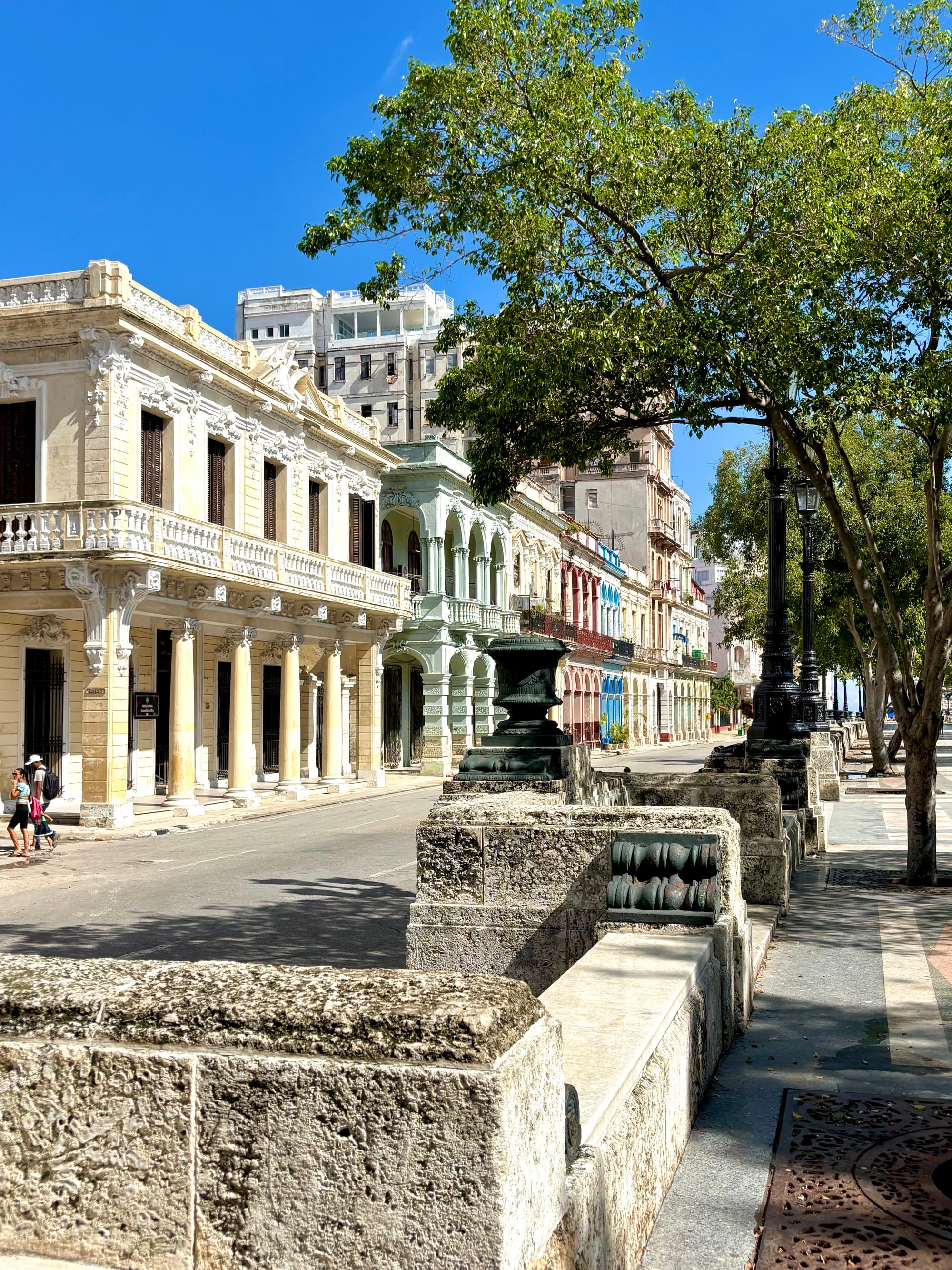
On a cracked façade, a mural of two men in trench coats lingers in half-colour. The paint fades, the plaster crumbles, yet the image persists. Churches gleam from afar, their steps worn to smoothness. Houses are painted in turquoise and pink, but the paint flakes almost as soon as it dries.
This is decadence in its true sense: splendour carried to the edge of collapse. Calvino would call it the handwriting of the city, each crack another syllable in a story without end. Lezama would see the density: the refusal of Havana to be singular, its insistence on accumulation over clarity.
To walk here is to see that nothing is pristine. Everything is provisional, vulnerable, but endlessly reinvented.
👁 Final Thoughts: Vigilance as Aesthetic
In Havana, vigilance is not optional. It is as constant as the sun overhead. To admire without suspicion is to be fooled; to guard yourself too tightly is to miss the music spilling from open windows, the curl of tobacco smoke, the sudden warmth that sometimes is genuine.
The scam was my lesson. I was not cheated because Havana is cruel, but because I allowed myself to be lulled. I chose the pleasure of trust over the discipline of vigilance. And Havana punished that choice with precision.
Calvino imagined cities as mirrors of our desires and fears. Havana mirrors both, but adds necessity. Lezama called it a banquet of excess. I call it a banquet where every smile, every colour, every kindness has a price.
Havana dazzles. Havana deceives. And in my complacency, I learned that its true seduction is not only what it shows you: but how it teaches you to doubt yourself.