Seeing Korea: On Comparison, Scent, and the Grace of Attention
“The smell and taste of things remain poised a long time, like souls, ready to remind us…”
— Marcel Proust, Swann’s Way


🪞 The Unseen Frame
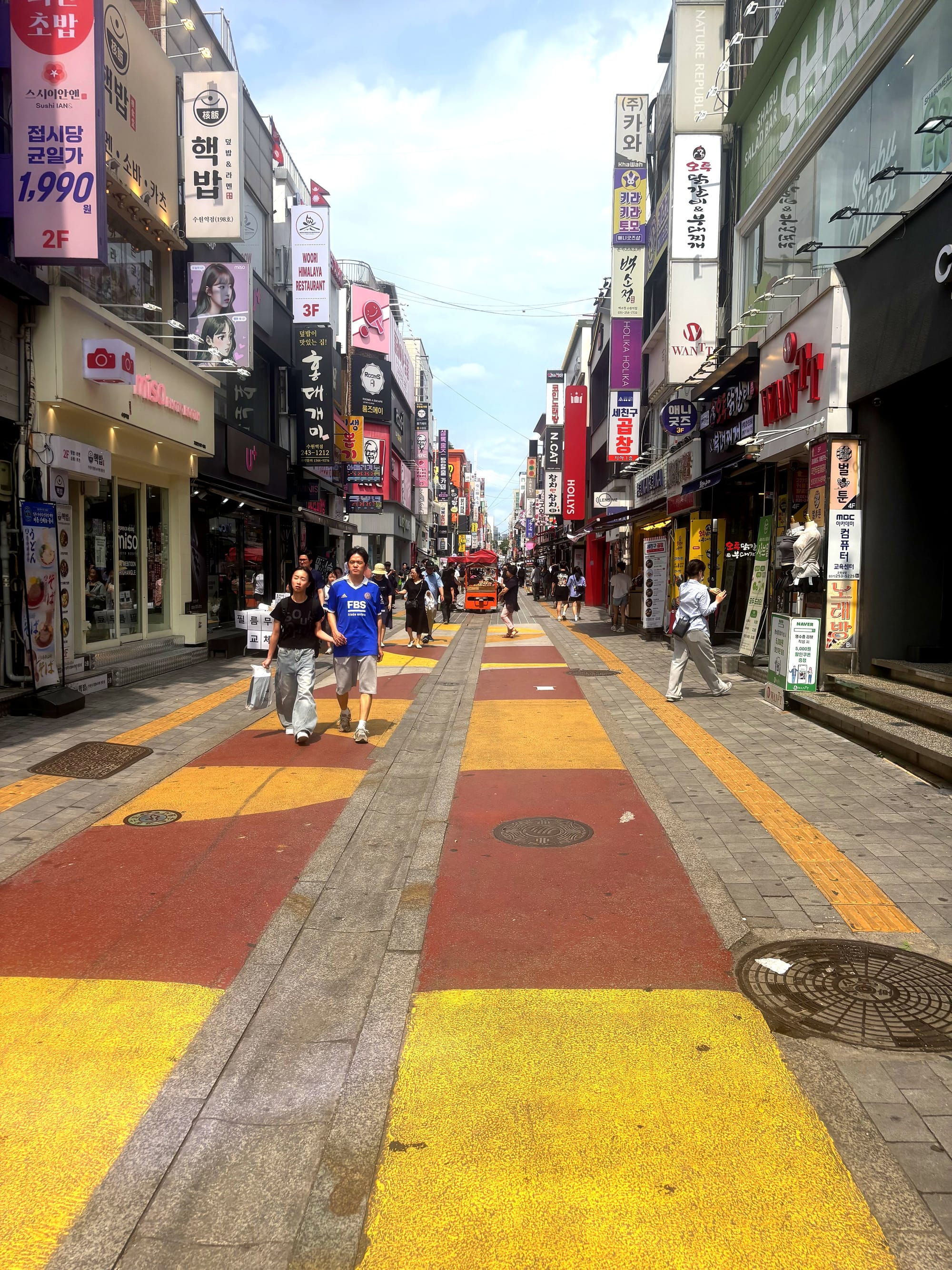
I went to South Korea and failed to see it. Not because I was not looking, but because I was measuring. Having lived in Japan for some time, I carried with me certain expectations: a refined aesthetic, a disciplined civility, a kind of elegance in the ordinary. I had grown used to a country where silence is communicative and politeness is ritualized to the point of choreography.
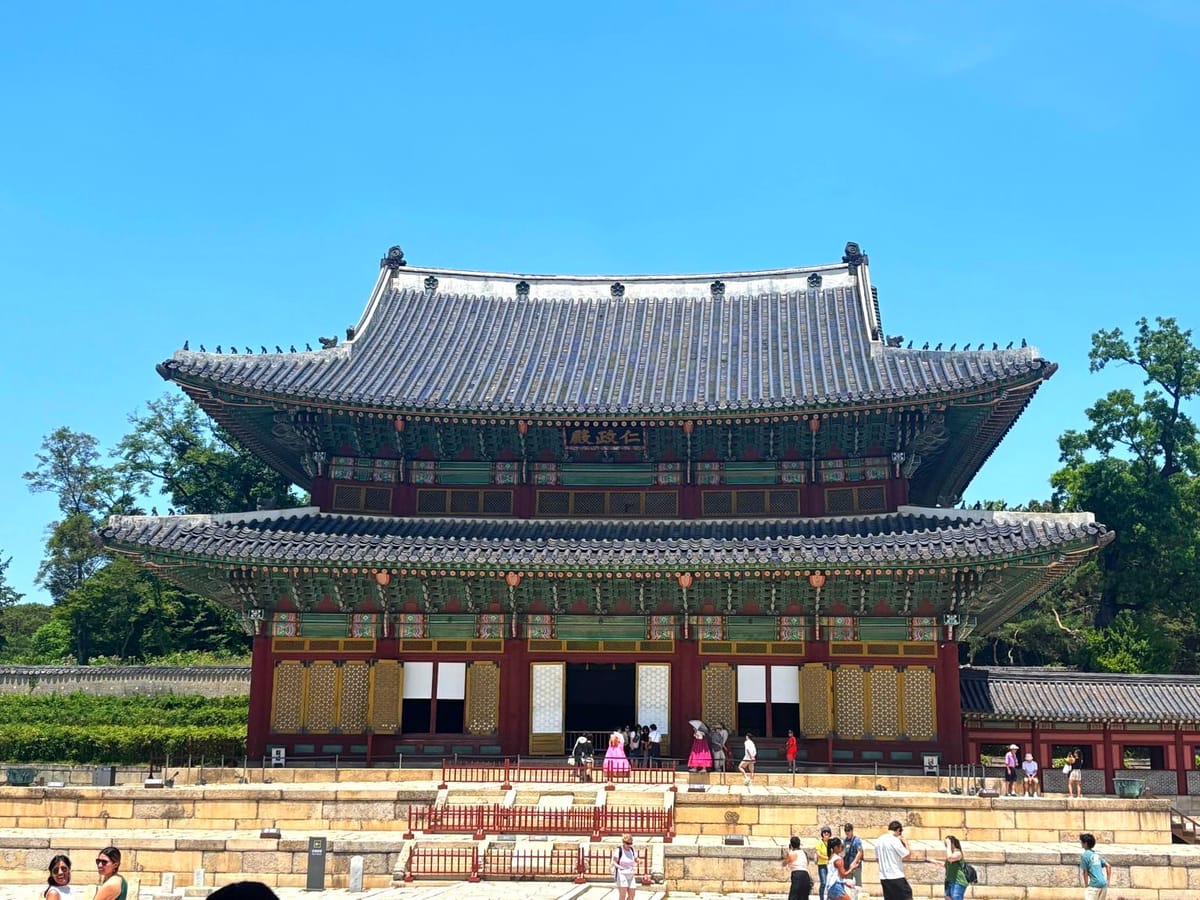
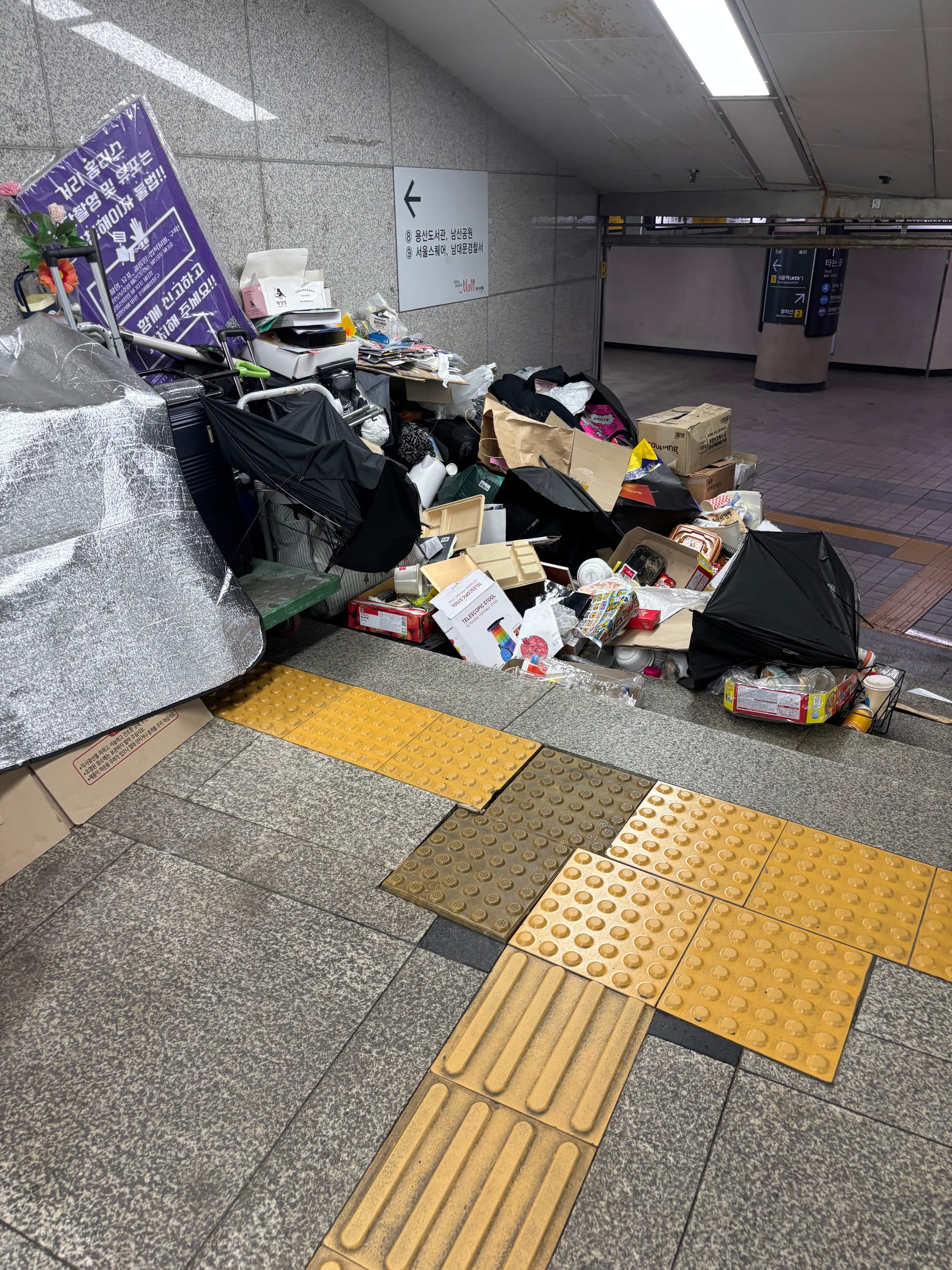
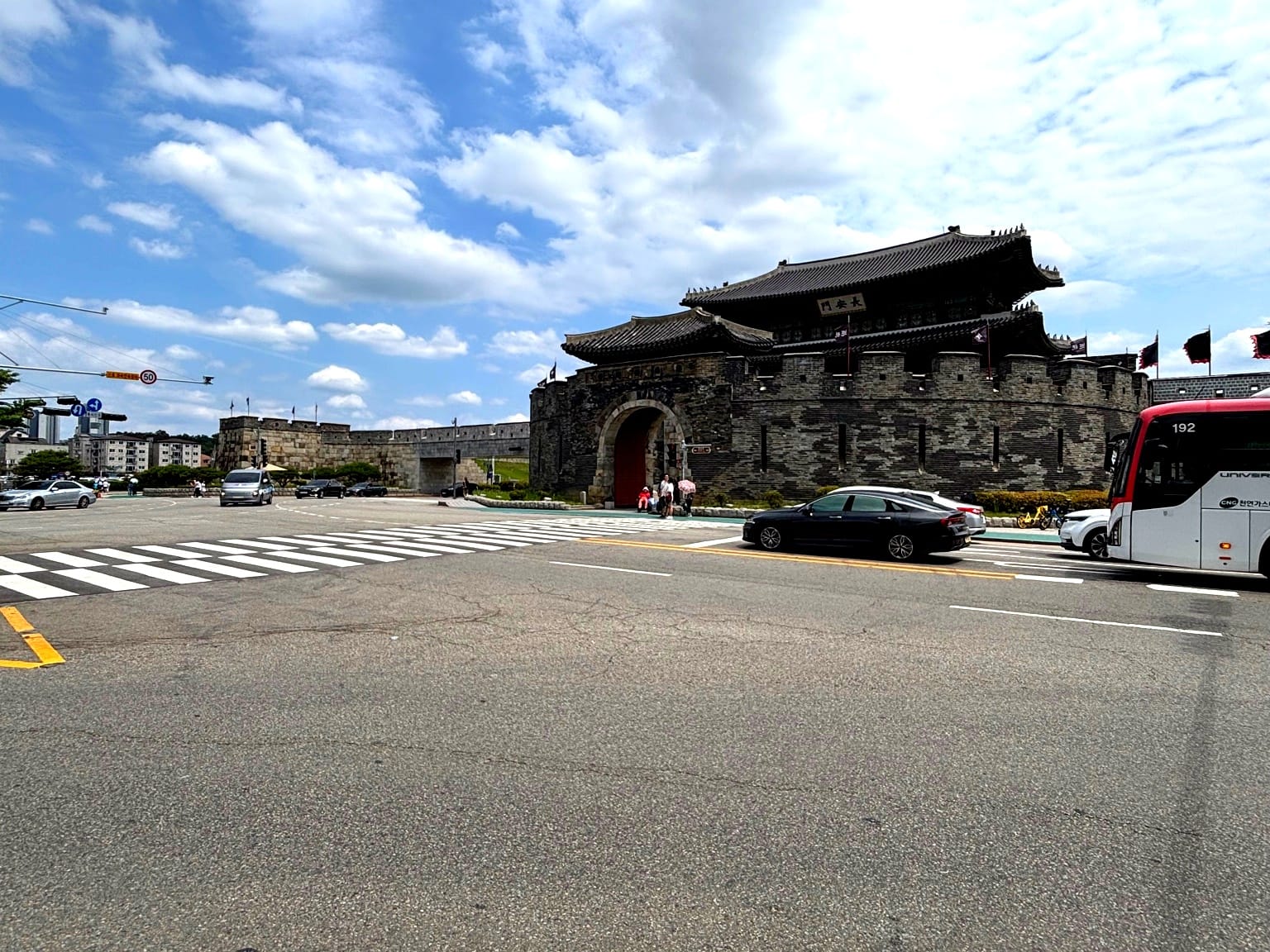
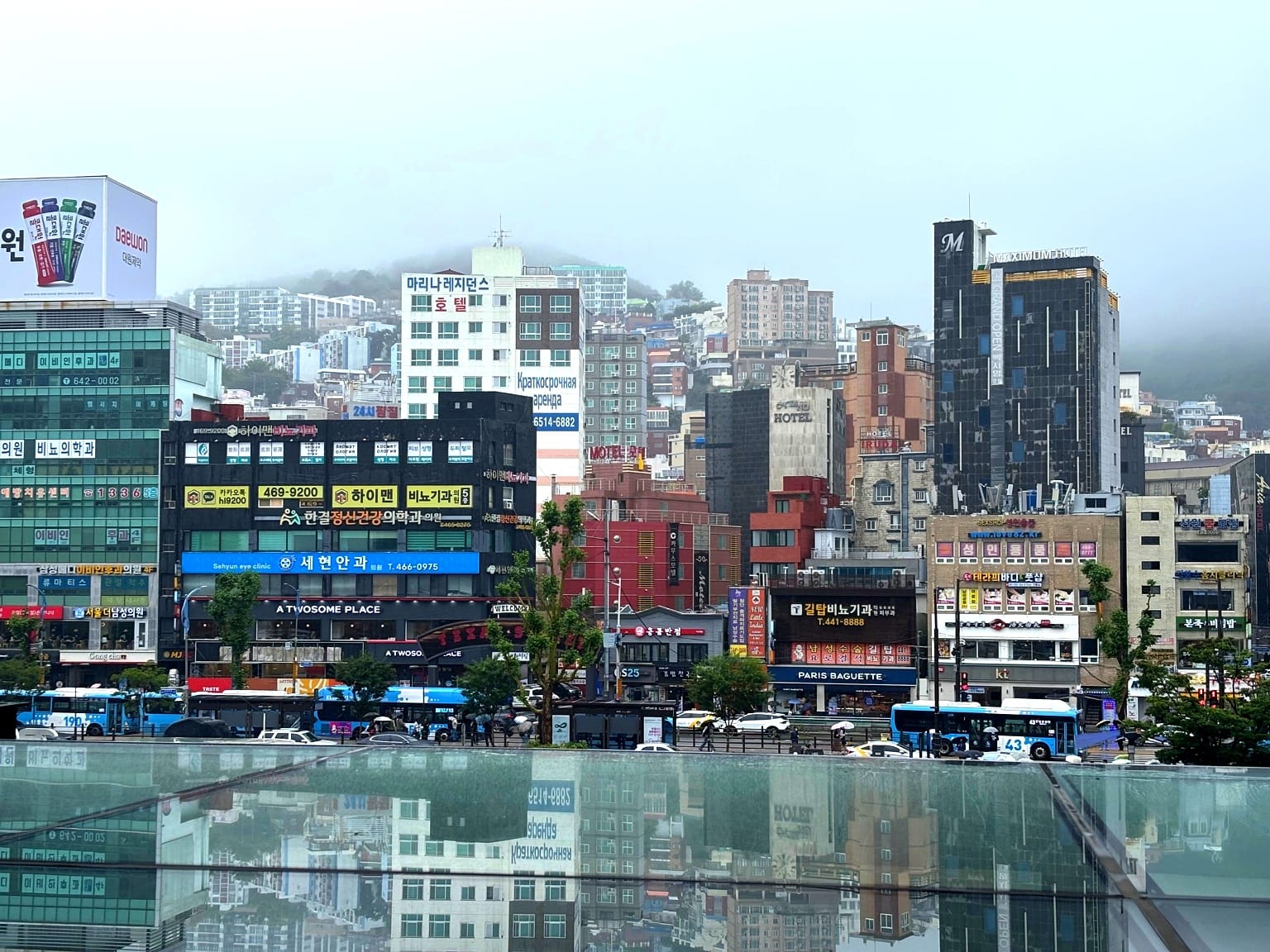
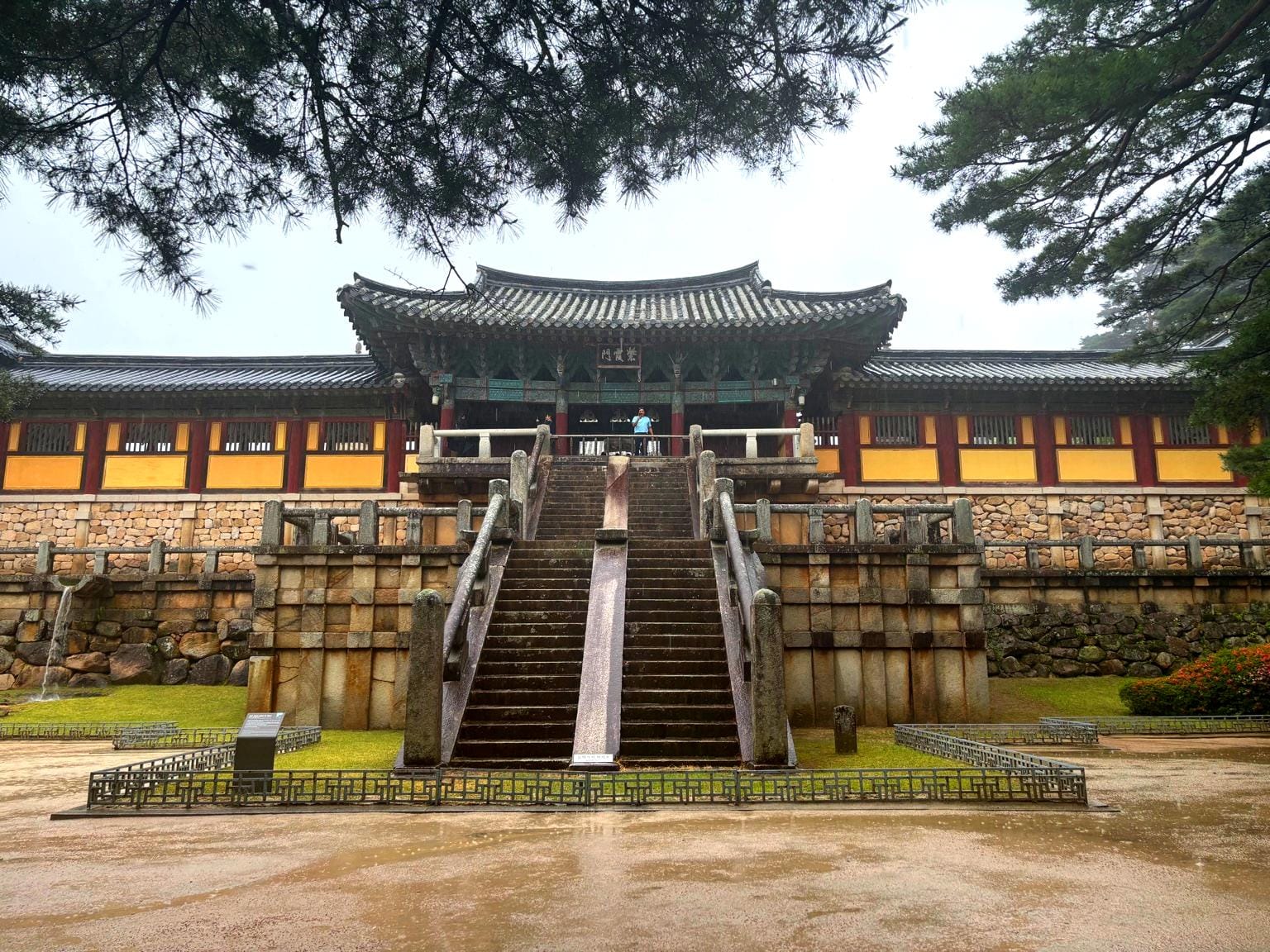
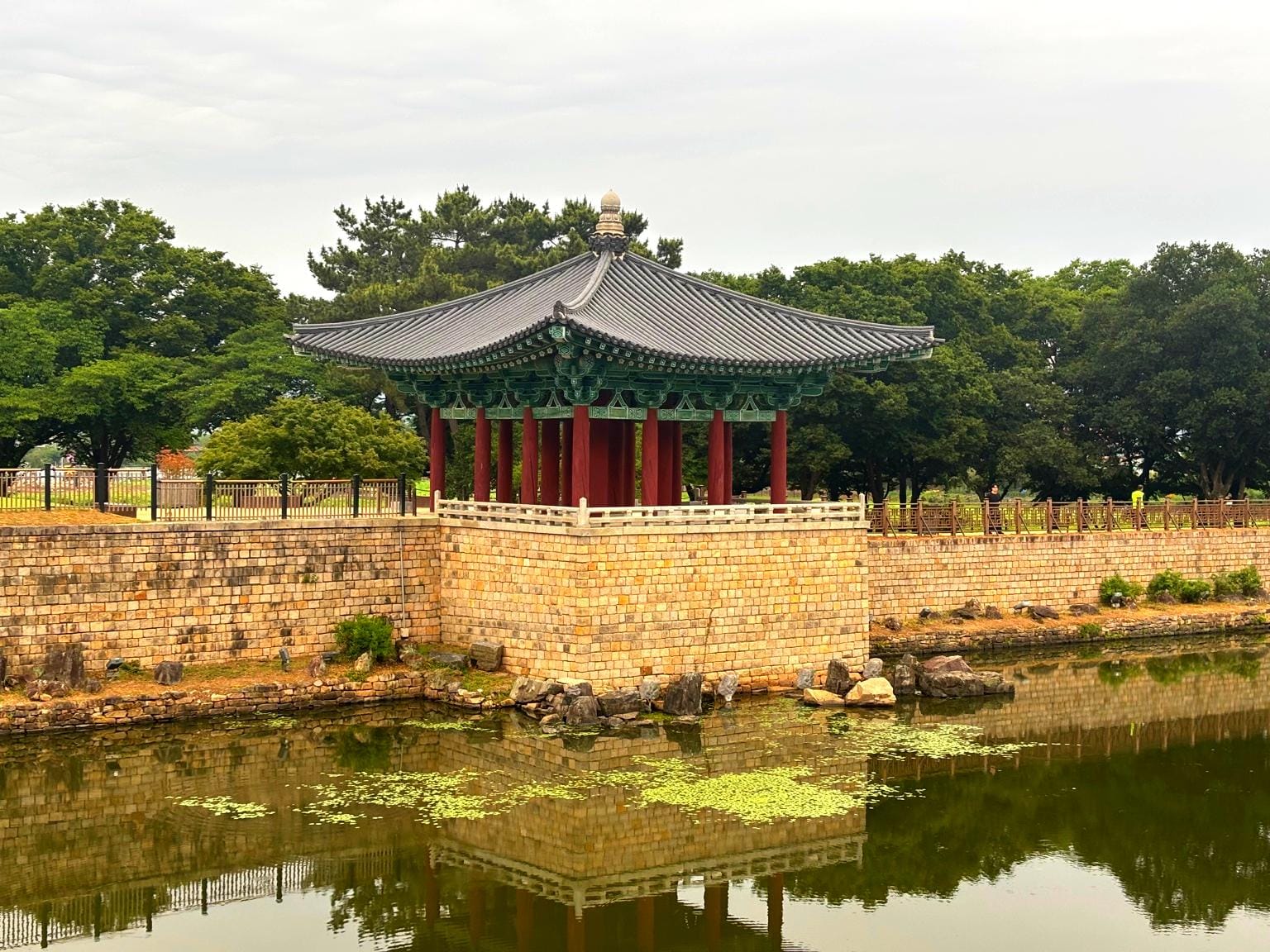
South Korea disrupted that rhythm. It felt louder, rougher, more angular. Seoul’s skyline struck me as utilitarian rather than curated. The subway at Seoul Station was packed, grimy, and bristling with homelessness. The chopsticks were thinner, but not more refined. The food was bold, but lacked the nuance I had come to expect in Japan. The temples in Gyeongju, the fortress in Suwon, the coastal edges of Busan all seemed, in my first impressions, like echoes of something I had already seen elsewhere. Tamer. Less arresting.
What I saw was not Korea. I saw something shaped by the absence of Japan. And that is not seeing at all
⚖️ The Danger of Comparison
It is a human impulse to compare, but it is not an innocent one. Comparison flattens. It turns encounter into ranking. Where Japan had felt like a composed sentence, Korea felt like an interruption. And I judged that interruption.
The philosopher Hans-Georg Gadamer writes that understanding begins not in knowing, but in openness. In humility. I had none. My attention was filtered through expectation. I mistook difference for deficiency.
But then something strange happened. Or rather, something very ordinary happened, and it changed the frame.
👃 The Scent of Memory
At Seoul Station, in a crowded corridor, I caught a scent that folded time. It was unmistakable. The sour blend of sweat, damp clothes, and institutional soap. It was not merely unpleasant. It was familiar. Homelessness.
Suddenly I was not in Seoul but in Rome, in a tiled hallway filled with tired men. I had volunteered at a homeless shelter run by the Missionaries of Charity. There, I mopped floors and folded towels. But the most intimate work was shaving the men who lived there. I remember the warmth of the water, the care required with each stroke of the razor, and the quiet joy that flickered in their faces afterward. It was not just hygiene. It was dignity. The return of face, in the most literal and spiritual sense.
That same scent, unwanted and unnoticed by most, brought me back to grace.
Smell is the most ancient sense, the least abstract. Where sight and sound can be shaped, scent is immediate and inescapable. Proust reminded us that memory resides most stubbornly in taste and smell. A scent does not describe. It reveals.
And in that moment, amid the noise and grit of Seoul, something revealed itself to me. Not about the city, but about myself.


🤝 Encounters, Unframed
Despite my initial judgments, human moments began to cut through.
In Busan, I sat down to eat a dish I could not name. Fermented, pungent, disordered to my palate. But I ate it slowly, with curiosity. The woman who had prepared it stood off to the side, watching. When she saw my pleasure, she smiled. There was no conversation. Just the silent satisfaction of someone whose work had been received well.
In Suwon, after a long walk around the fortress walls, a woman handed me a cup of scorched rice tea. It was warm, nutty, and comforting. She asked where I was from, not as a test but with the openness of someone simply interested. The tea was free. The moment, unadorned. But it settled into me.
The taxi drivers were abrupt, impatient to the point of rudeness. But even here, something direct began to emerge. It was not hostility, just a lack of polish. And maybe that, too, was a kind of honesty.
These moments did not rewrite my first impressions, but they complicated them. And that is all I could ask.
🧠 The Ethics of Seeing
The philosopher Emmanuel Levinas argued that the true ethical moment begins when we recognize the other as other. Not as a mirror. Not as a lesser or greater version of ourselves. But as someone we cannot reduce or consume with our categories.
In South Korea, I was confronted not with a lack of beauty, but with a failure of my own receptivity. I had brought with me the wrong tools: comparison, hierarchy, expectation. I sought resonance, but carried only reference.
And yet, the scent of the poor, in Seoul as in Rome, cut through all of it. It reminded me that holiness is not always neat. That dignity does not always come with ceremony. That humanity, in its rougher forms, is still capable of grace.
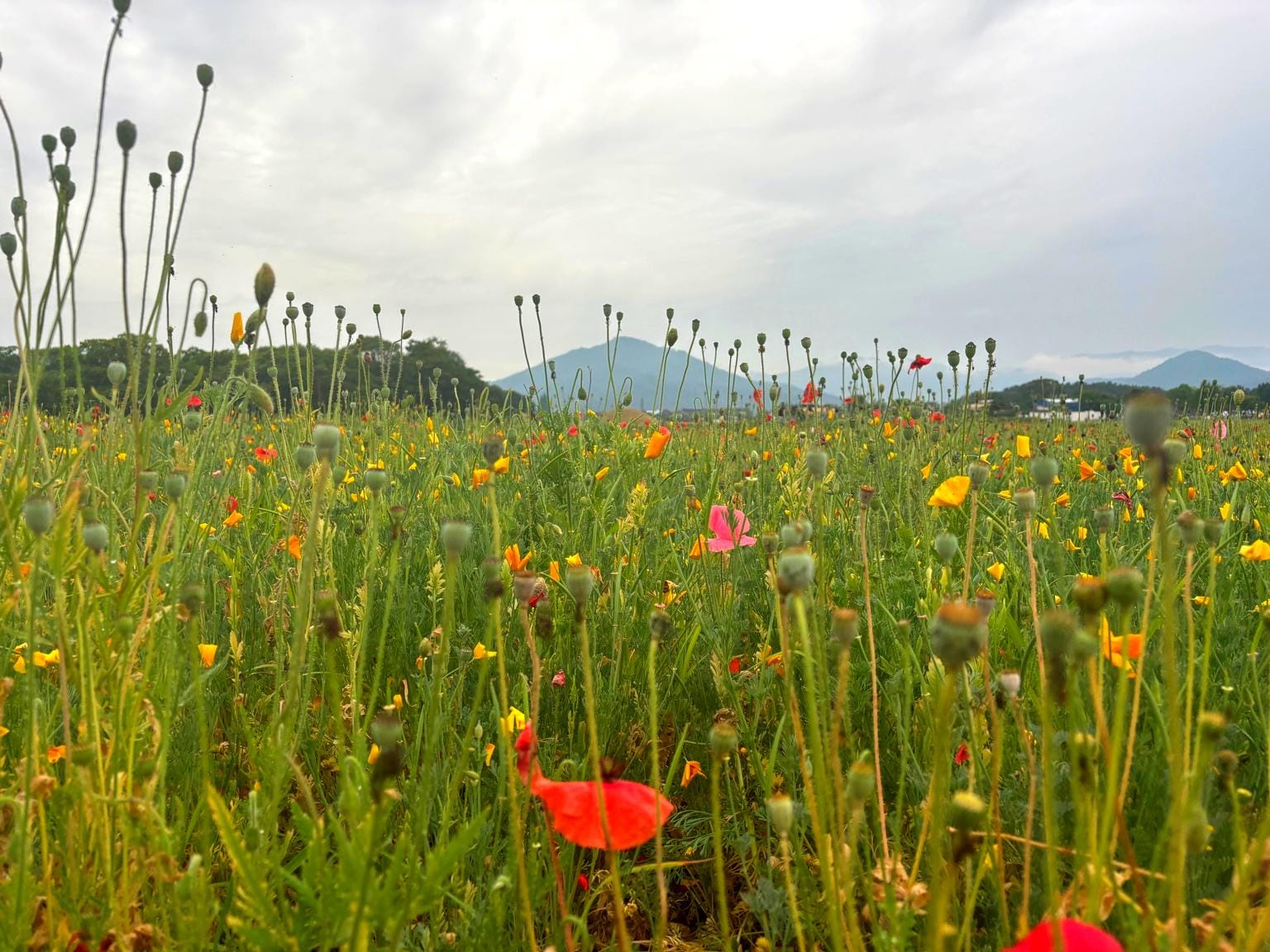
🌿 Final Reflection: A Garden With Open Windows
I had thought Japan taught me to notice. But maybe it only taught me to admire. South Korea did not offer me the same aesthetic pleasure. But it offered something more challenging: the chance to see without scripts.
The homes we carry, Rome, Japan, our native languages, are not errors. But they are not neutral either. They can become fortresses if we are not careful. Better to treat them like gardens. Places with windows that let the unfamiliar breeze move through.
In the end, South Korea was not a disappointment. It was an interruption. And sometimes that is what we need. Not a better version of what we know, but the invitation to see again. Not beauty as we expect it, but grace as it arrives.
And sometimes, it arrives not in temples or skyline views, but in the scent of the poor and the taste of scorched tea.