Repetition in the Desert: A Second Look at Qatar
“Genuine repetition is recollected forward.” — Søren Kierkegaard, Repetition
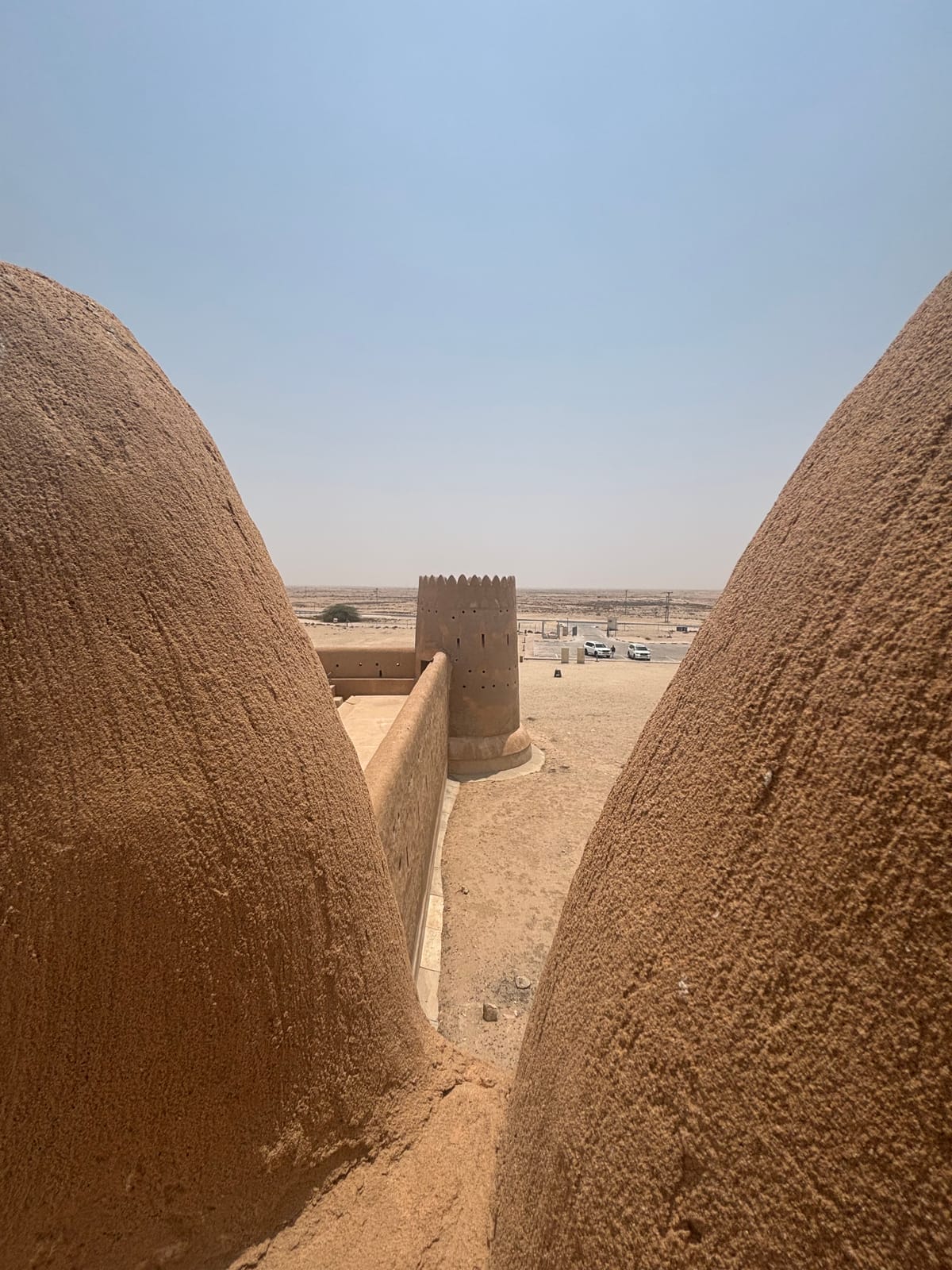
Six months after my first encounter with Qatar’s glittering coast, I returned. This time, I turned away from Doha’s vertical gleam and drove into the north and west, where the desert meets the sea without spectacle. I told myself this was a second chance for the country, but perhaps, more honestly, it was a second chance for me: to see what I had missed, or to be proved wrong.
Kierkegaard wrote that repetition is not the same as recollection. Recollection looks backward, securing what has already been. Repetition moves forward, remaking the past into something new. The question was whether Qatar could offer me that forward movement, or whether my return would be nothing more than an echo.
🏝 Pearls in the Sand
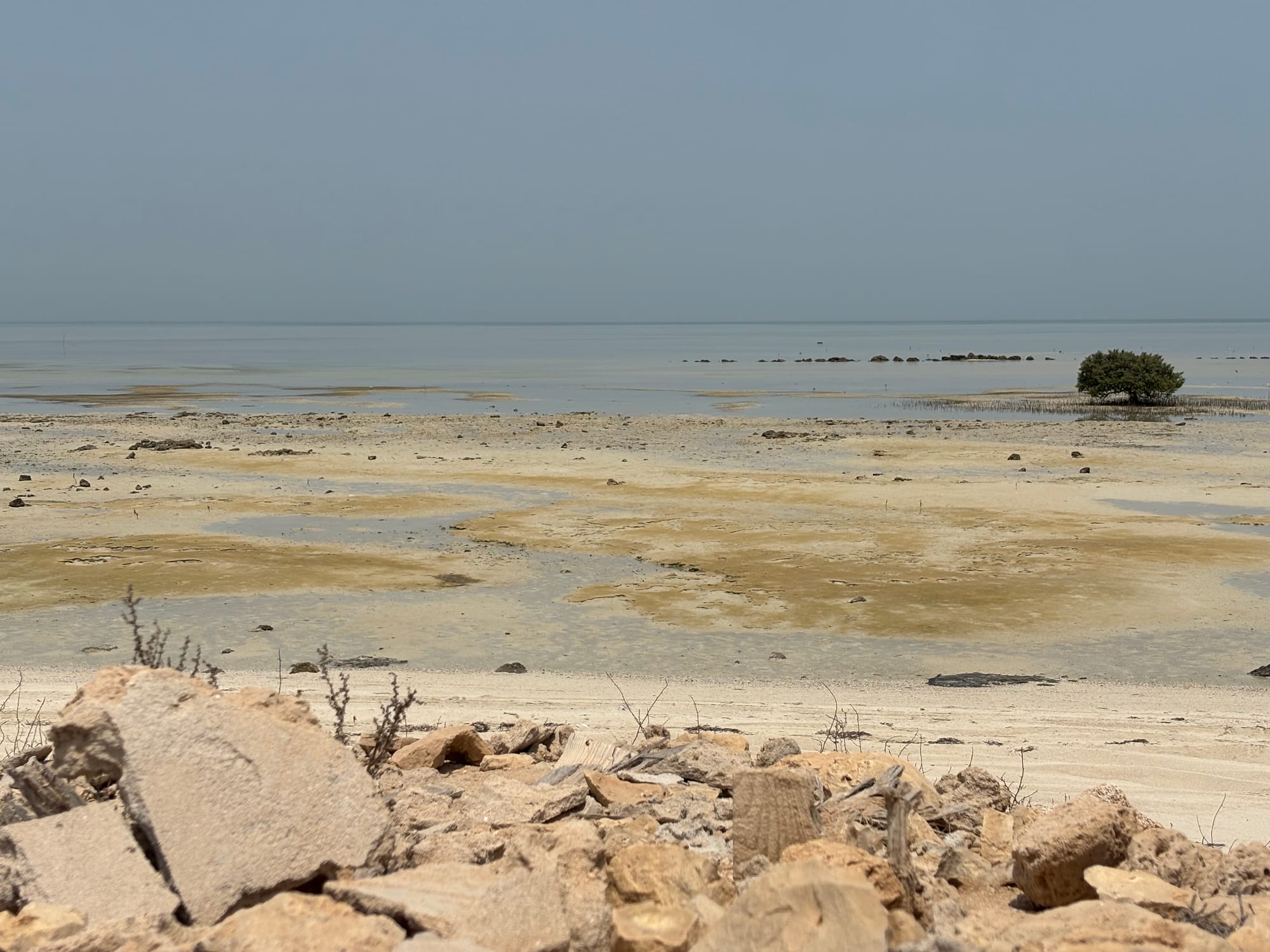
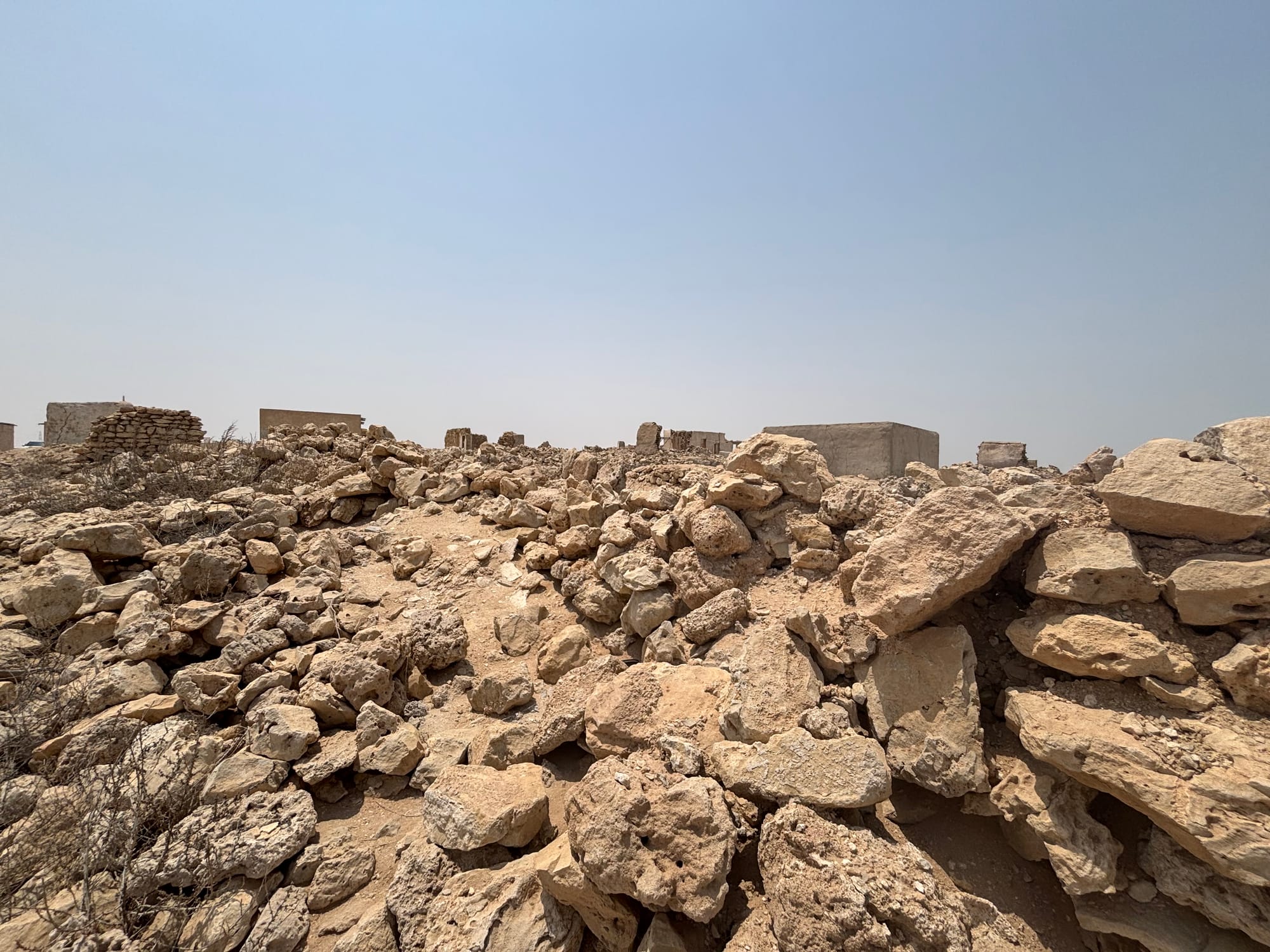
The northern coast remembers a Qatar before steel and glass; a country sustained by saltwater and breath. Here, pearl divers once dropped into darkness, lungs tightening, hands groping across the seabed for small spheres of light. They would surface gasping, holding treasure in their palms, then dive again. The cycle repeated until the season’s end.
In its way, that rhythm is repetition in the Kierkegaardian sense: not simply re-enacting the past, but venturing again into the unknown in the hope that something precious will emerge. Yet the pearl trade ended abruptly when cultured pearls from Japan reached the Gulf. What remains are quiet harbours, abandoned houses, and weathered hulls resting on sand. History here has no monument. It survives in what the wind leaves untouched.
I searched for my own pearl: a moment that would redeem my earlier judgement of Qatar. But the water, if it held one, kept it. And perhaps that, too, was a form of truth: that not all dives are rewarded.
🎨 Art in the Desert
In the west, the desert holds newer creations: Richard Serra’s monumental steel plates, aligned like the bones of some future ruin; mirrored installations catching the sun and scattering it back into the sky. They are meant to speak with authority, to claim their place in the vastness, but their voice feels borrowed as if rehearsed on other continents, for other audiences.
They reminded me that repetition can be hollow when it lacks origin. The sculptures are grand gestures without local memory to sustain them. They imitate significance but do not grow from the ground on which they stand. The desert accommodates them, but does not speak through them. The wind remains unchanged, folding them into its indifference.
⌛ On Second Chances
I had expected that distance and return might shift my perspective that the absence of spectacle would open a clearer view into the country’s interior life. Instead, my perception settled exactly where it had been before: Qatar is a place of curated beauty, brittle in places, where history is quiet and ambition towers but does not yet take root.
Kierkegaard would not call this failure. Sometimes repetition does not transform but affirms, revealing that the first encounter already held the truth. The challenge is to accept that constancy without reducing it to stagnation.
📜 Final Reflection
We are taught to see second chances as redemptive; a chance to overturn first impressions. But repetition has its own grace: it steadies vision, sharpens the contours of what is. My Qatar remains what it was: a nation whose richest story lies in shells buried under silt, whose newest art speaks a language the desert does not yet know, and whose most enduring beauty is the unclaimed quiet between wind and tide.
Repetition can both comfort and confine. It can tell you that you were right, even as it denies you the pleasure of surprise. My second Qatar was not a different country. It was the same one, seen again, and seen still, and perhaps that, too, is worth the journey.