Otium: On the Sacred Discipline of Leisure

“We are not given a short life, but we make it short, and we are not ill-supplied but wasteful of it.”
— Seneca, De Brevitate Vitae
There are seasons in life, unmarked on any calendar, when one begins to feel the deep fatigue of incessant usefulness. For some, this arrives in youth; for others, not until the midpoint. But for many, it takes form precisely where I find myself now: thirty-four, industrious, productive, and quietly unsettled.
It is not unhappiness. It is not burnout. It is something subtler. A suspicion that time has become currency, and I, its accountant, have been diligent but spiritually impoverished.
And so I turned, almost instinctively, toward otium.
🧾 Negotium: The Perpetual Negotiation
In classical Rome, negotium referred not just to business, but to the entire domain of civic and commercial obligation. It was a life of duty, of productivity, of public commitment. Its very name, nec otium, not-leisure, defines it by what it excludes.
To live in negotium is to be constantly in motion. Tasks multiply, obligations harden into identity, and purpose becomes performance. Our modern vocabulary dignifies it: drive, ambition, impact. But often, what it conceals is displacement from the self.
“No activity can be successfully pursued by an individual who is preoccupied with many things.”
— Seneca
The danger lies not in the work itself, but in the erosion of interior stillness. In forgetting how to be whole when no one is watching.

📚 Otium: The Intellect at Ease
Otium, to the Romans, was far from idleness. It was the cultivated leisure of philosophers, writers, and statesmen who had withdrawn not out of resignation, but reflection. It was a state in which the intellect could finally speak to itself without interruption.
Cicero famously described the ideal as otium cum dignitate, leisure with dignity, a form of peace suited not to withdrawal, but to virtuous introspection. Seneca took the idea further inward. He saw time itself as sacred, and leisure not as a pause from life, but a truer way of inhabiting it.
In our era, leisure has been cheapened. It is consumed, scheduled, filmed, and shared. But real otium is not performance. It is silence with intention. A structure made not of hours, but of attention.
🌀 The Anxiety of Stillness
Stillness, after years of movement, feels strangely confrontational. One finds that the machinery of the self has been running without pause, and that silence is not peaceful at first: it is revealing.
We are trained to measure time by output. What was achieved? What was improved? But otium asks a different question: what was noticed?
“What man can you show me who places any value on his time, who reckons the worth of each day?”
— Seneca
This is not a call to slowness for its own sake. It is a call to be whole in the absence of function. To sit, not as preparation or recovery, but as arrival.
🌊 The Geography of Reflection
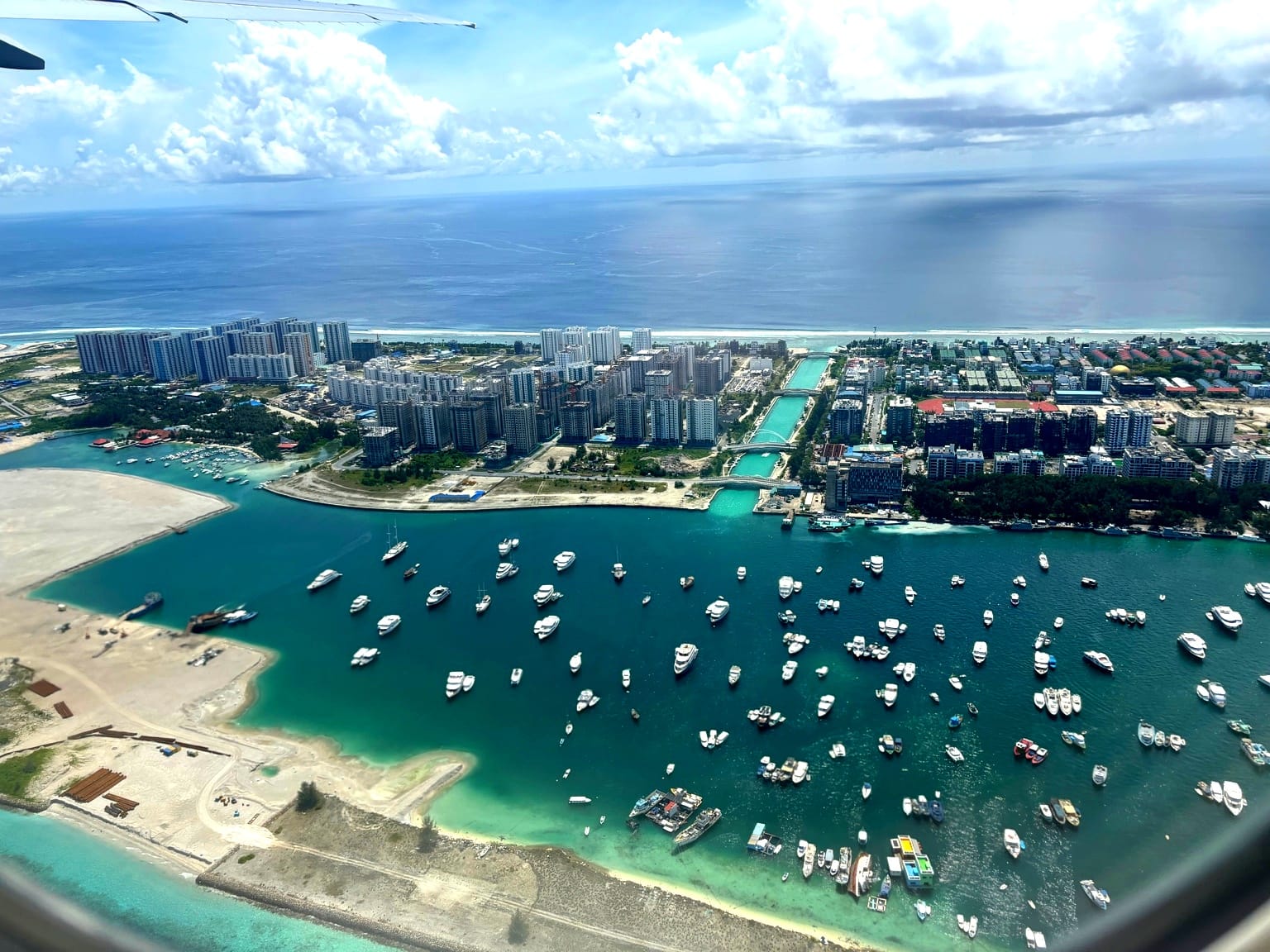
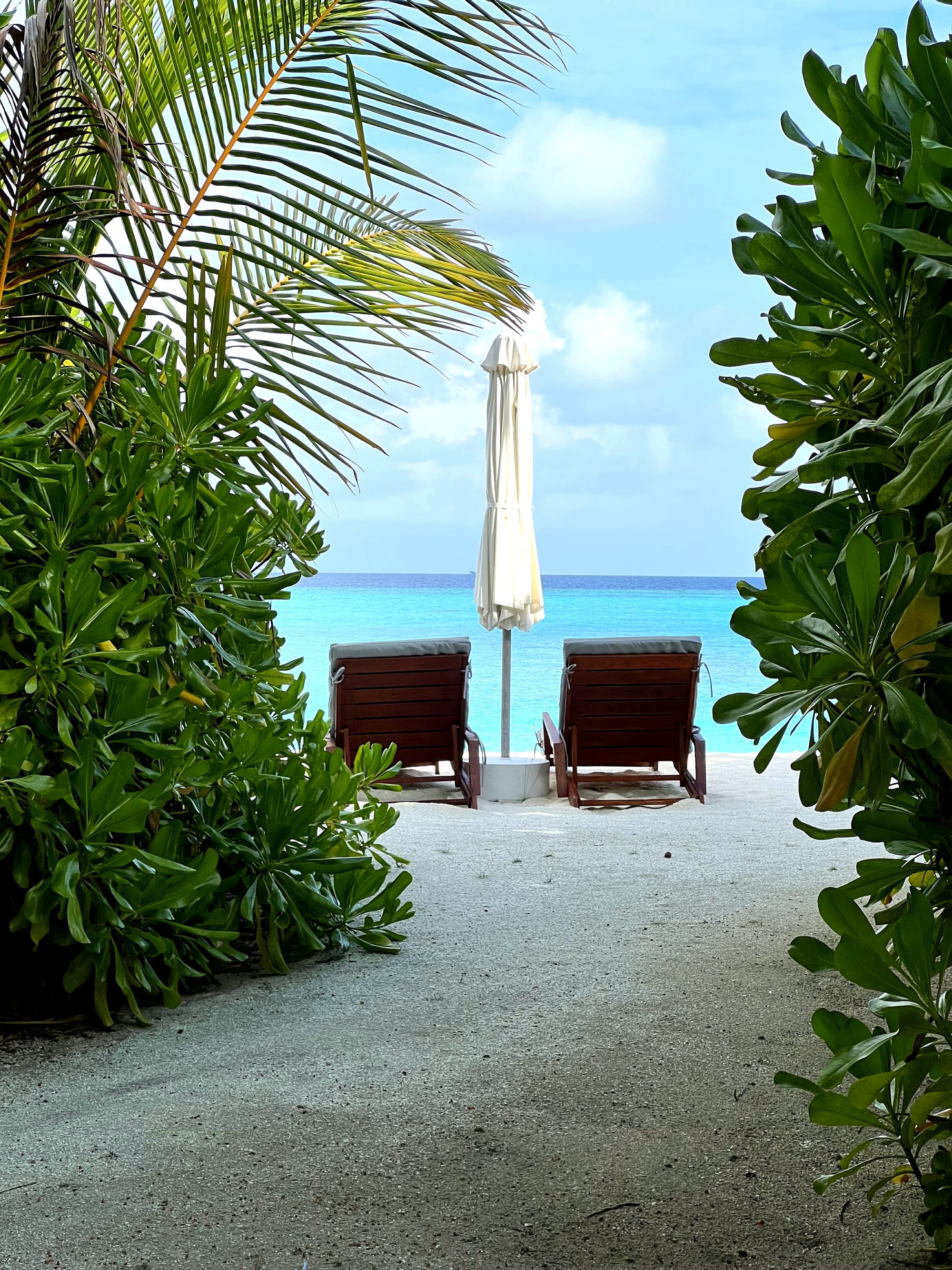
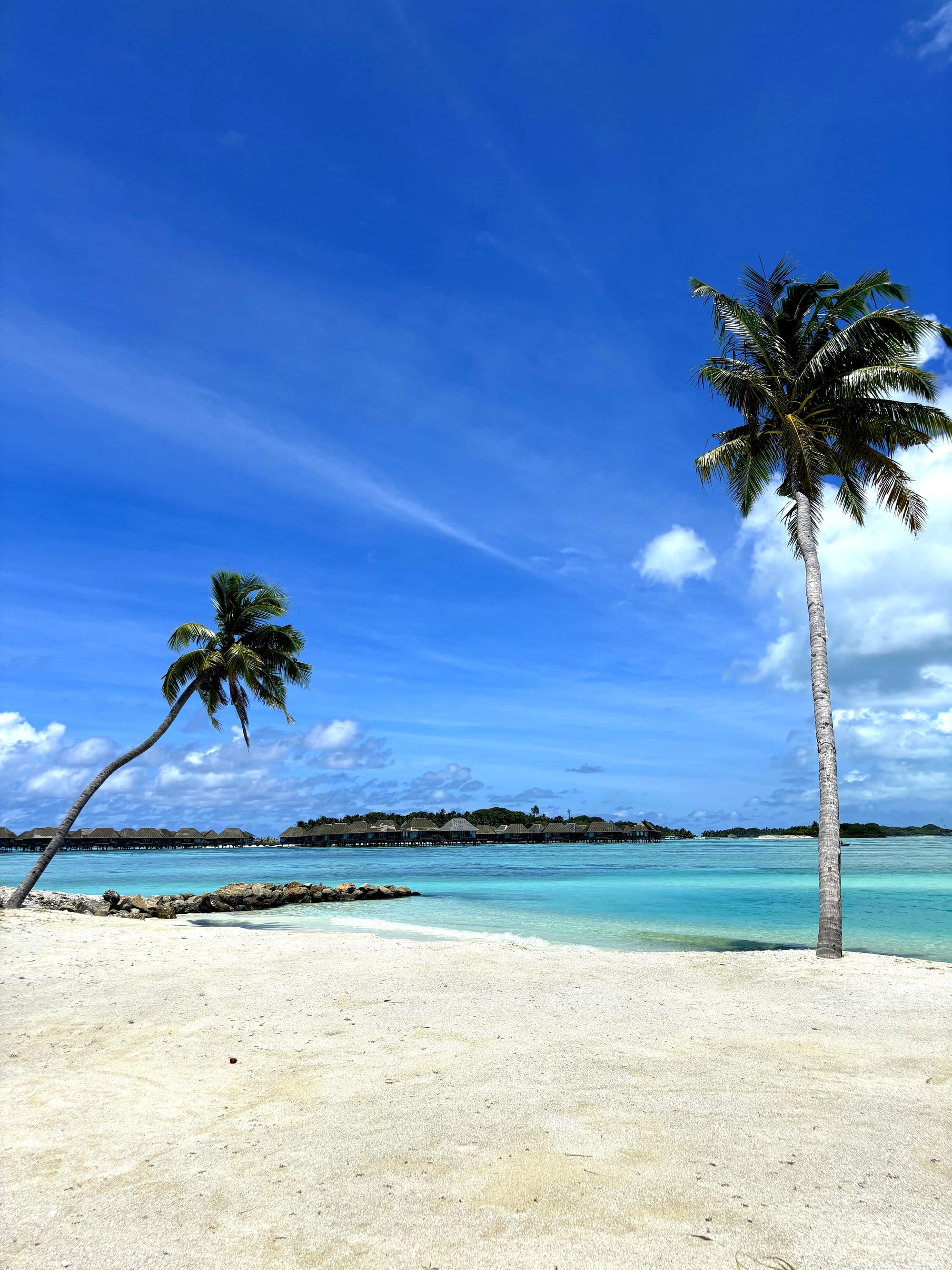
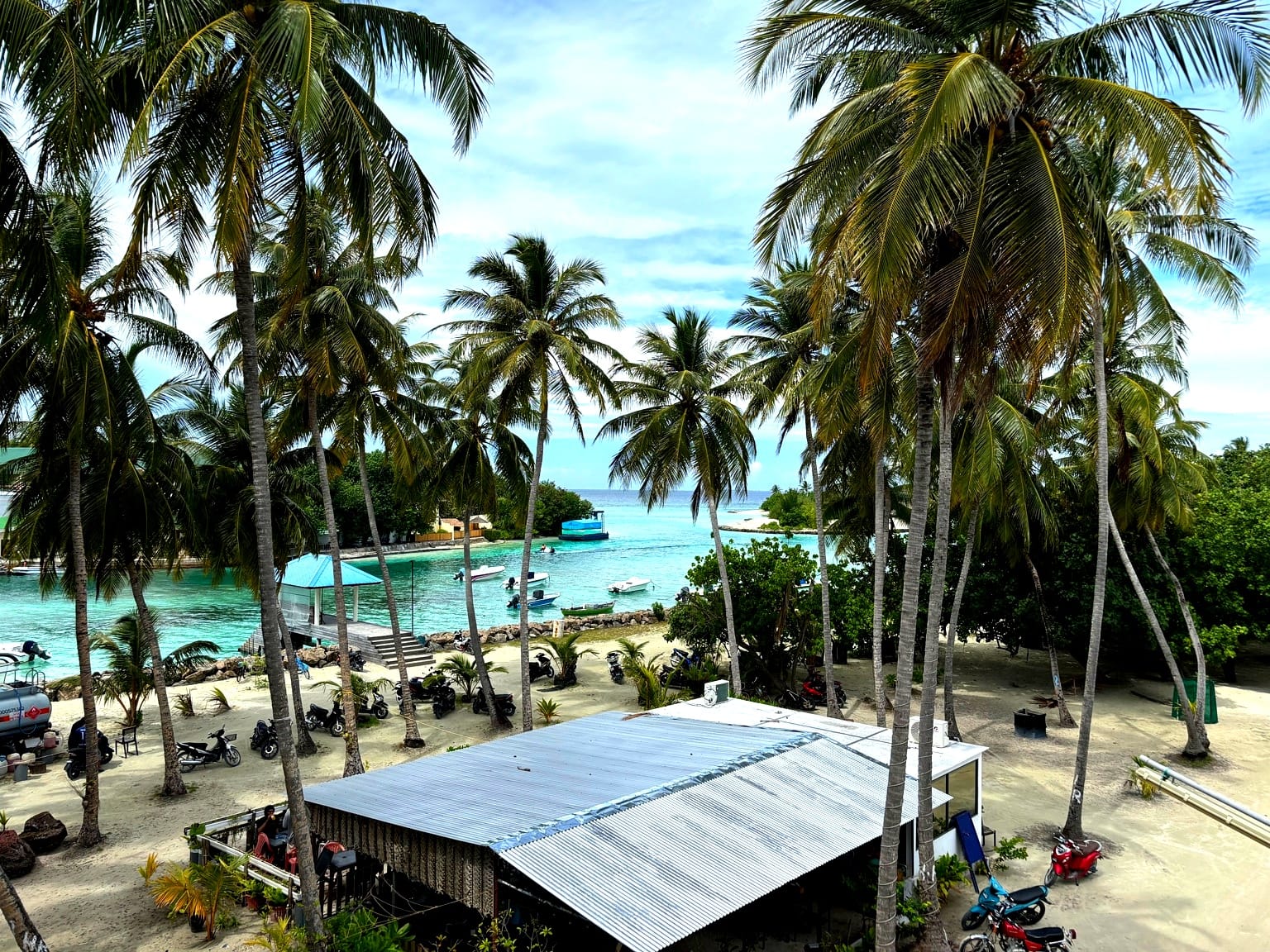
Certain landscapes make it easier to remember the original rhythm of being. In places where time seems to stretch, where water softens the edges of urgency, and where sky and sea lose the will to compete, one feels the return of something long silenced.
Nature does not optimize. It persists. It repeats itself, not to improve, but to endure. It asks nothing of you but presence, which is perhaps why it feels so difficult at first. We are unaccustomed to being unmeasured.
Here, the intellect is no longer a tool for advancement, but a lens for wonder. The air does not rush to explain itself. It simply is.
🛑 A Counterweight to Modernity
We live within economies of acceleration: alerts, notifications, reflexive reactions. Even rest must prove its usefulness, branded as “self-care,” “recovery,” or “wellness.” There is no space in this model for dignified, purposeless quiet.
Otium resists this. It is not the absence of productivity, but its counterweight. It is not a rebellion against time, but a right understanding of it.
“Leisure without the pursuit of the good becomes death-in-life.”
— Seneca
This is not retreat. It is return. To think more clearly. To speak more sparingly. To live not only forward, but deeply.
🔑 Final Reflection: Toward a Life Not Measured
There is no great conversion here, no renunciation of responsibility, no false monasticism. Only a small, persistent intuition that some part of me has been moving too fast for too long.
The soul, like the body, is not designed for endless motion. Its wisdom is cumulative, not linear. And sometimes, its clearest truths arrive not through effort, but through stillness.
In the quiet, one learns to listen again.
The days stretch out. The mind softens. The sea, as always, says nothing.
And for now, that is enough.