Nikkō and the Curtain That Never Falls
“The meaning of life is that it stops.” — Franz Kafka
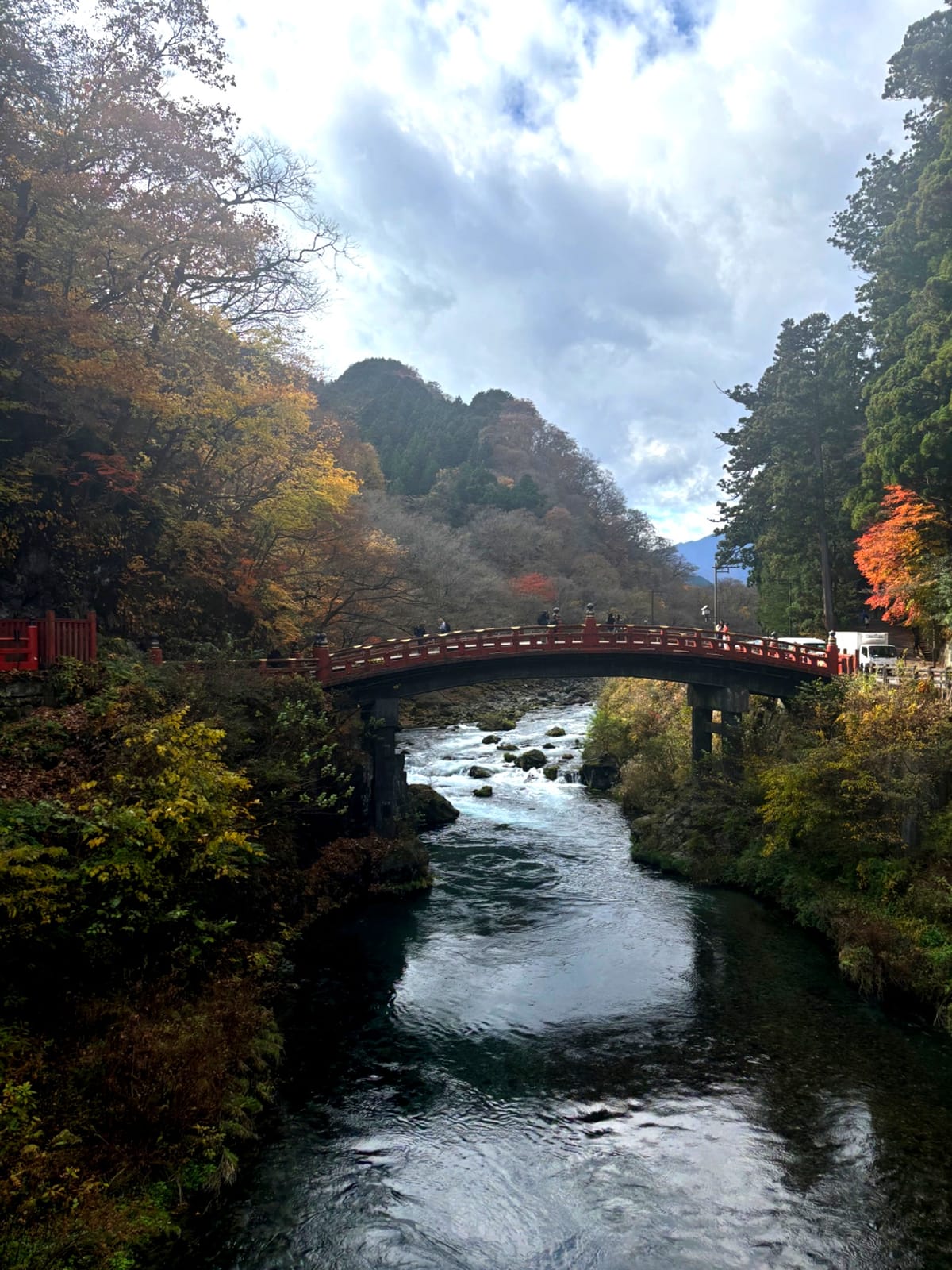
I went to Nikkō in November. The air was sharp, the cedar-lined avenues hushed, and the last of the maple leaves lay in the courtyards like a scatter of old gold. The lanterns that line the approach to Tōshōgū Shrine once marked the gifts of daimyō whose power filled these forests. Now they stand alone, the men gone, their titles erased. Nikkō is a place of splendour and of absence.
Here, the samurai are everywhere and nowhere at once.


🗡 A Culture That Walked Offstage
The samurai once stood at the centre of Japan’s order. In the Tokugawa peace, they became bureaucrats in armour; in the Meiji years, they were summoned to lay down their swords. I imagined the moment: a man in lacquered armour standing in the autumn light, decree in hand, the steel at his hip no longer permitted. No battle. No hero’s death. Only the quiet disbanding of a role centuries old.
Kafka would have recognised it. In The Trial, K. is executed without explanation, condemned by a process whose logic remains invisible. The samurai were undone in much the same way; their world ending not with violence, but with paperwork.
The absence they left behind was not the rubble of defeat, but the tidiness of removal.

🌫 Jōhatsu: The Art of Vanishing
That same tidiness threads through modern Japan’s jōhatsu: “evaporation.” These are people who step out of their lives without trace. Some abandon debts. Others escape shame. Still others simply vanish. A small rented room left with a tea cup half-full. A futon folded, waiting, as if the occupant had stepped out and never returned.
In the West, such disappearance is read as fracture or failure. In Japan, it can be an act of grace: a self-erasure to preserve dignity.
In Kafka’s In the Penal Colony, the condemned man’s fate is carved into him by a machine. The jōhatsu reverse this dynamic. They are not erased by the machine; they step away from it entirely. One is disappearance as sentence, the other as self-pardon. The gulf between them is vast.


🏯 Nikkō as a Stage Set
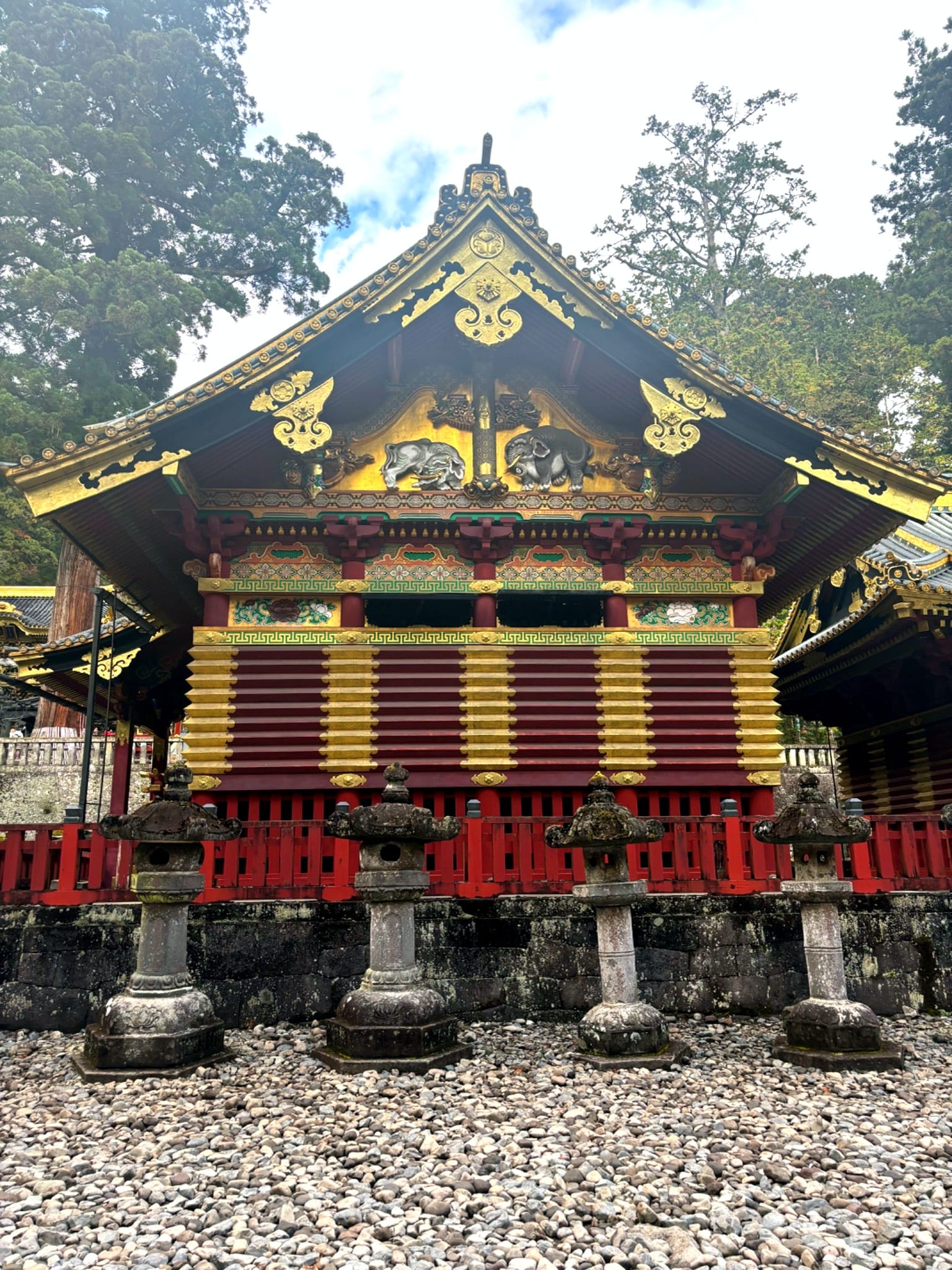
Walking among the shrines, I felt as if the city were holding a bow at the end of a play whose actors had already left. The gates gleam; the carvings catch the light; the air smells faintly of cedar smoke and lacquer. Footsteps click against the stone, echoing too clearly in the space where a living tradition once moved.
In The Trial, the truth is withheld by locked doors. In Nikkō, the doors are open but what lies inside is hollow. Here, the absence is not hidden; it is lit, curated, and offered for inspection.
📜 Final Reflection
The disappearance of the samurai and the phenomenon of jōhatsu both hold the truth Kafka understood: that absence can be more final than destruction. In the West, alienation is rupture, a tearing-away. In the East, disappearance can be a folding-in, a chosen silence.
Nikkō preserves that silence. It is not a ruin. It is a stage where the scenery remains perfect, the lights bright, the audience waiting but the actors have gone.
The curtain has not fallen. The play has not ended. You stand in the hush, realising it will never end: only go on, forever, without them.