How the Bells Could Ring While the Mills Turned
“Man is born free, and everywhere he is in chains.” Rousseau
🌆 Trinidad: Beauty, Piety, and the Invention of the Secular
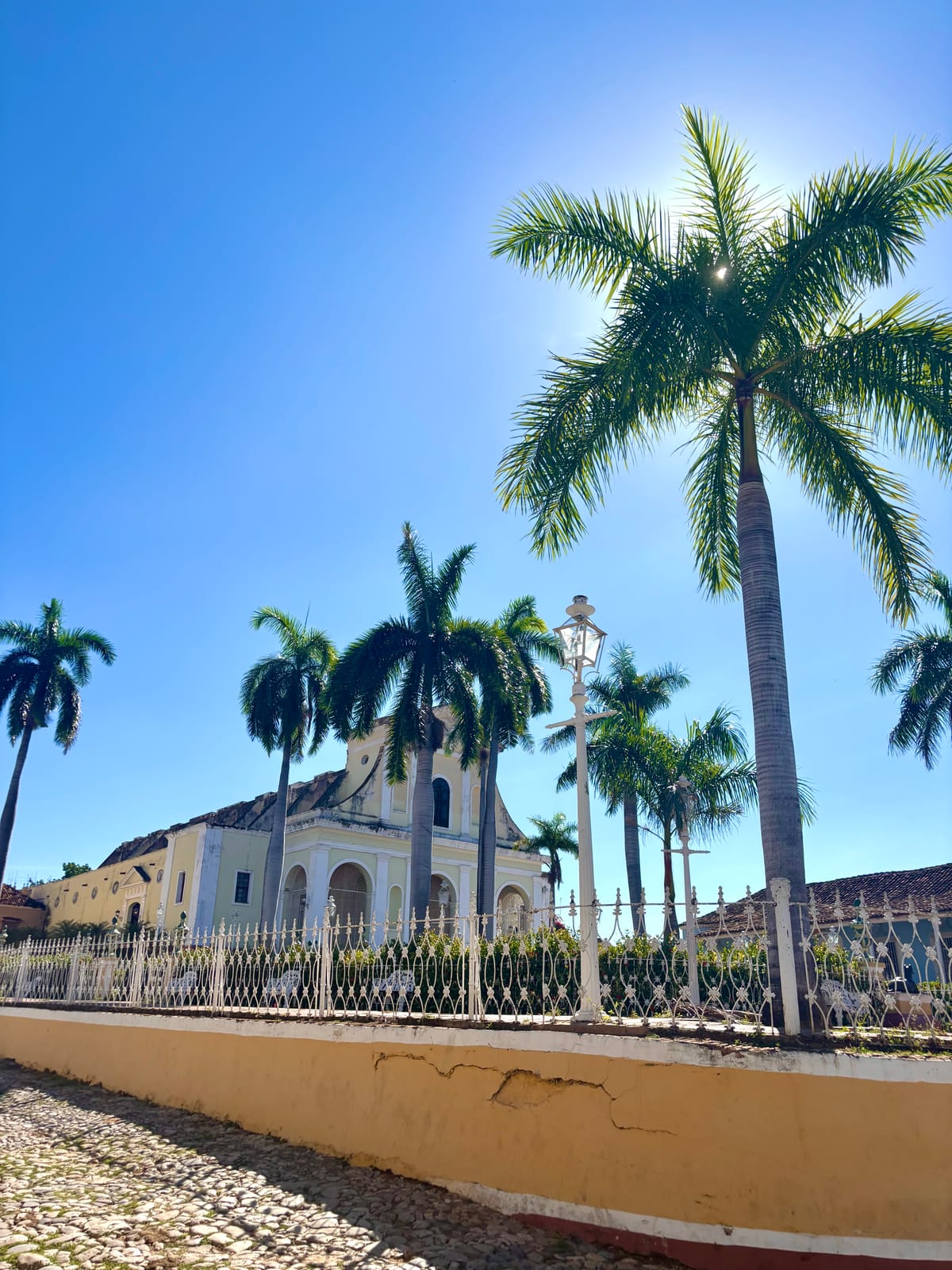
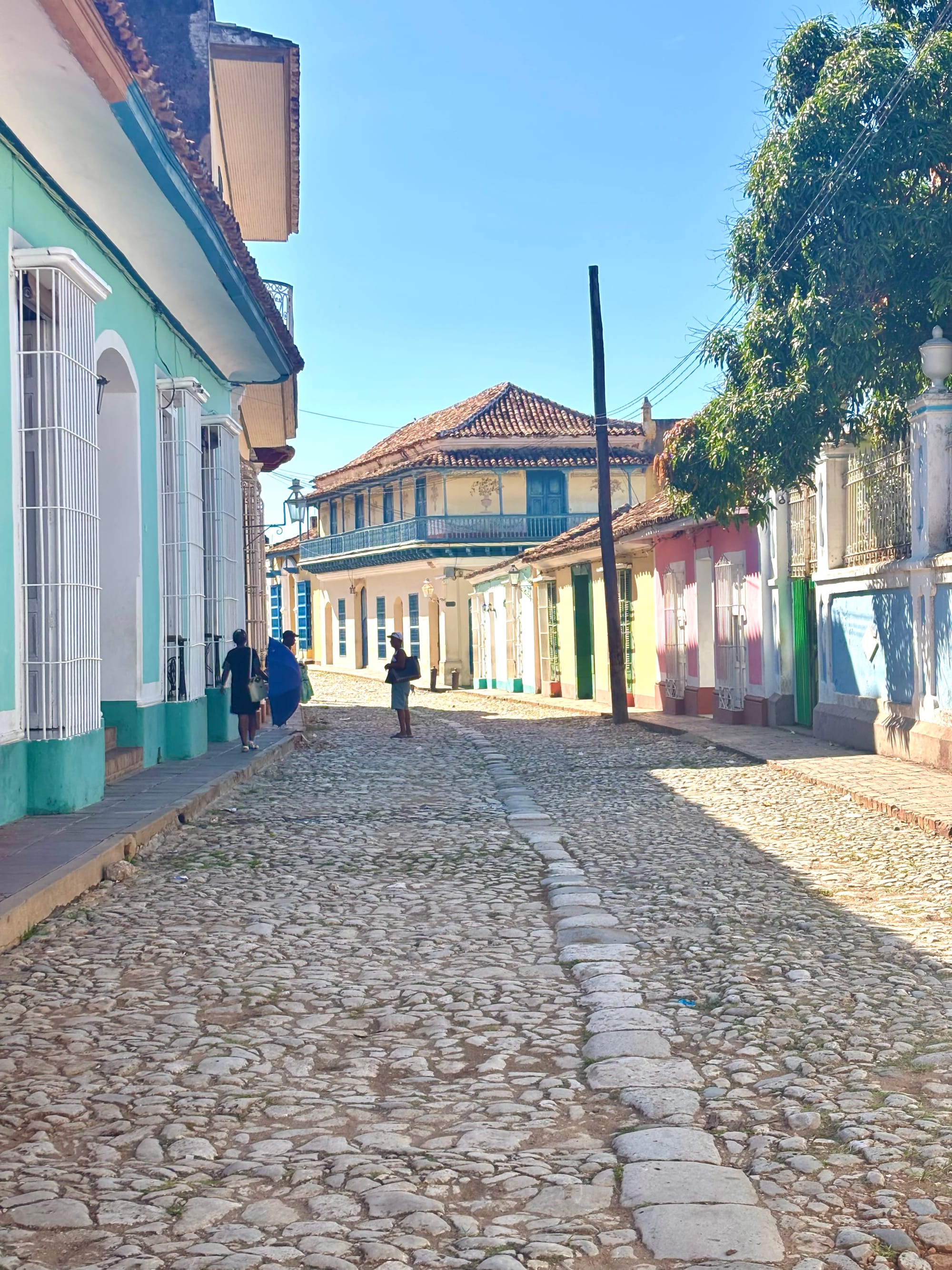
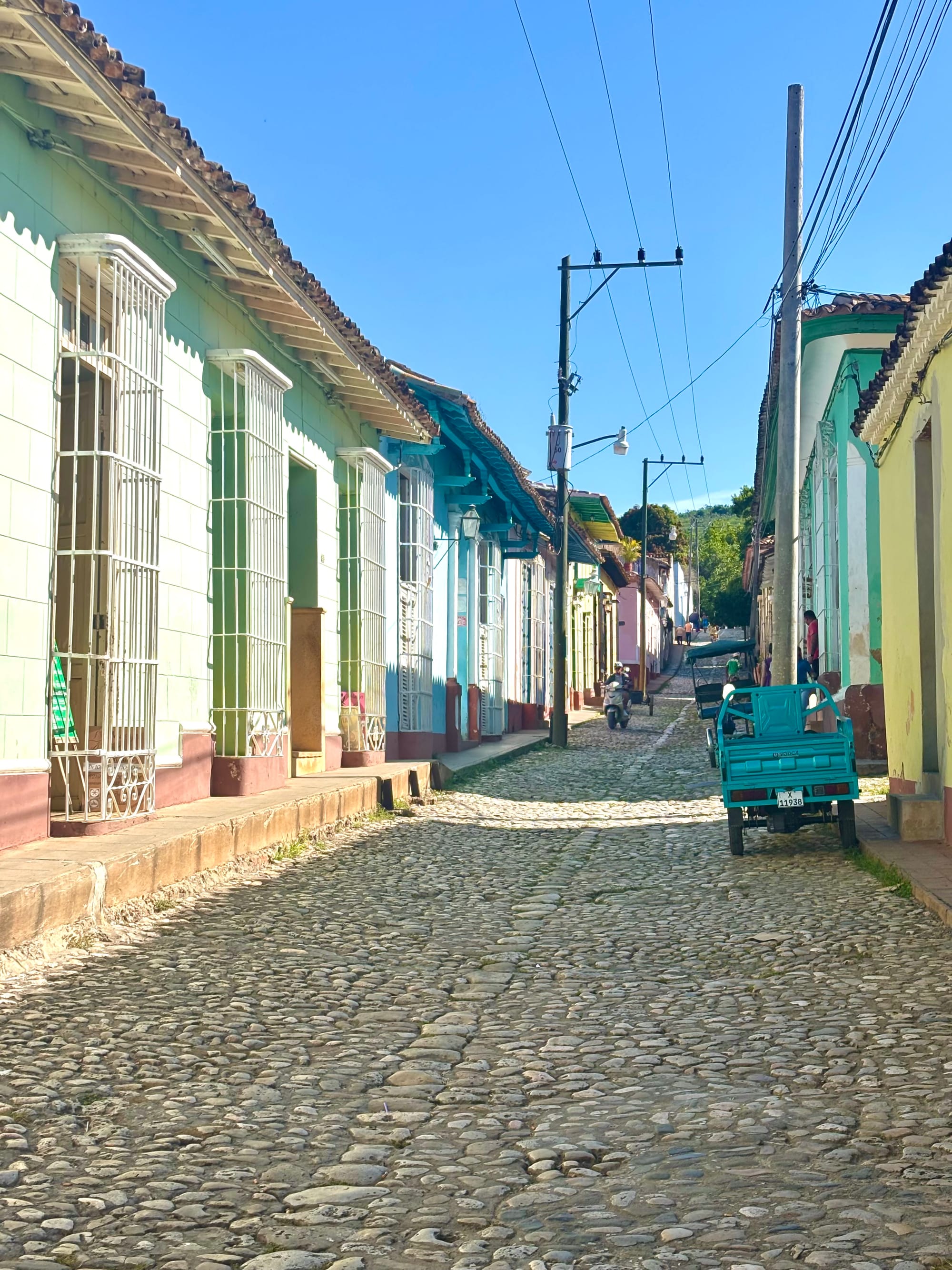
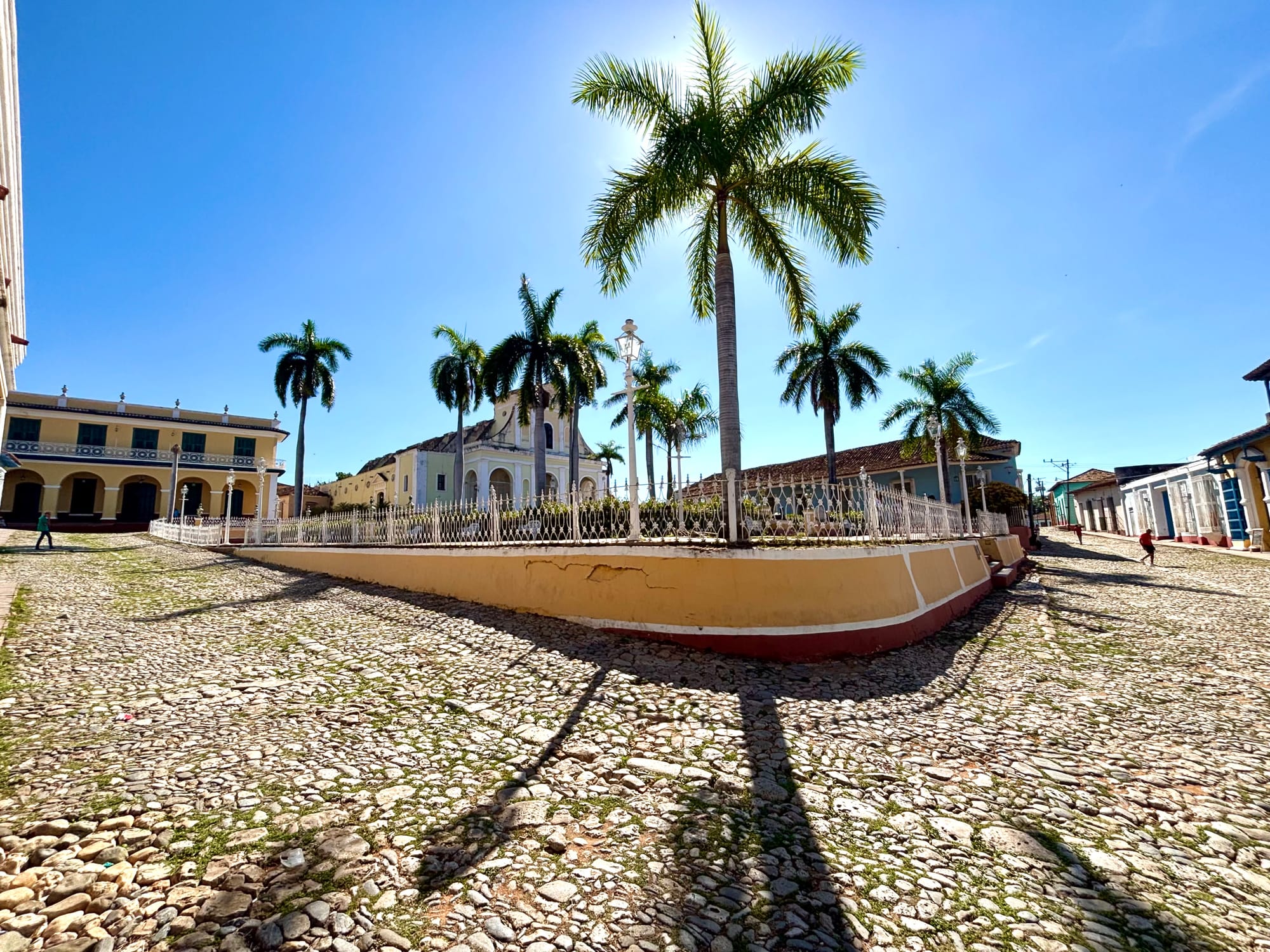
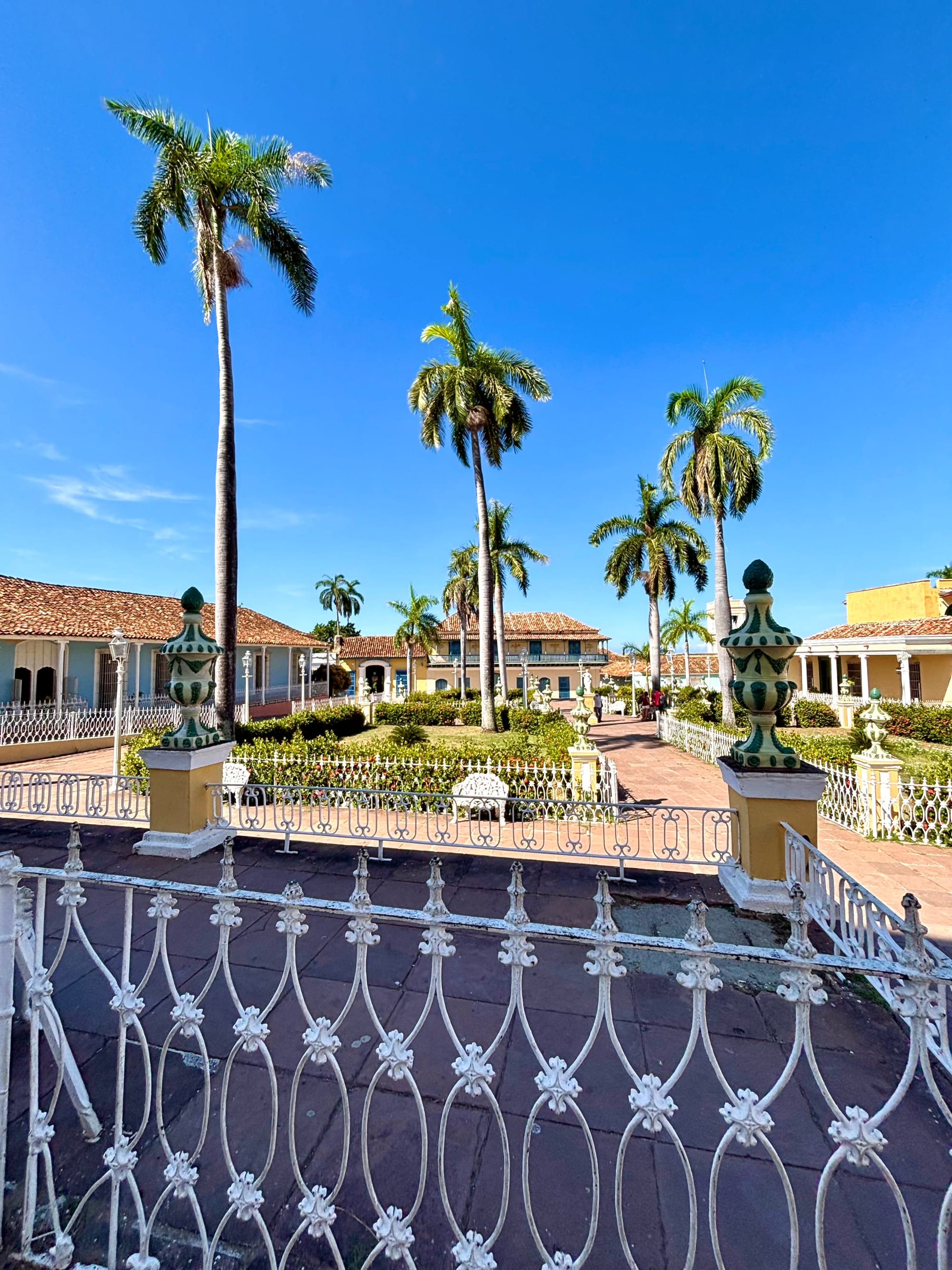
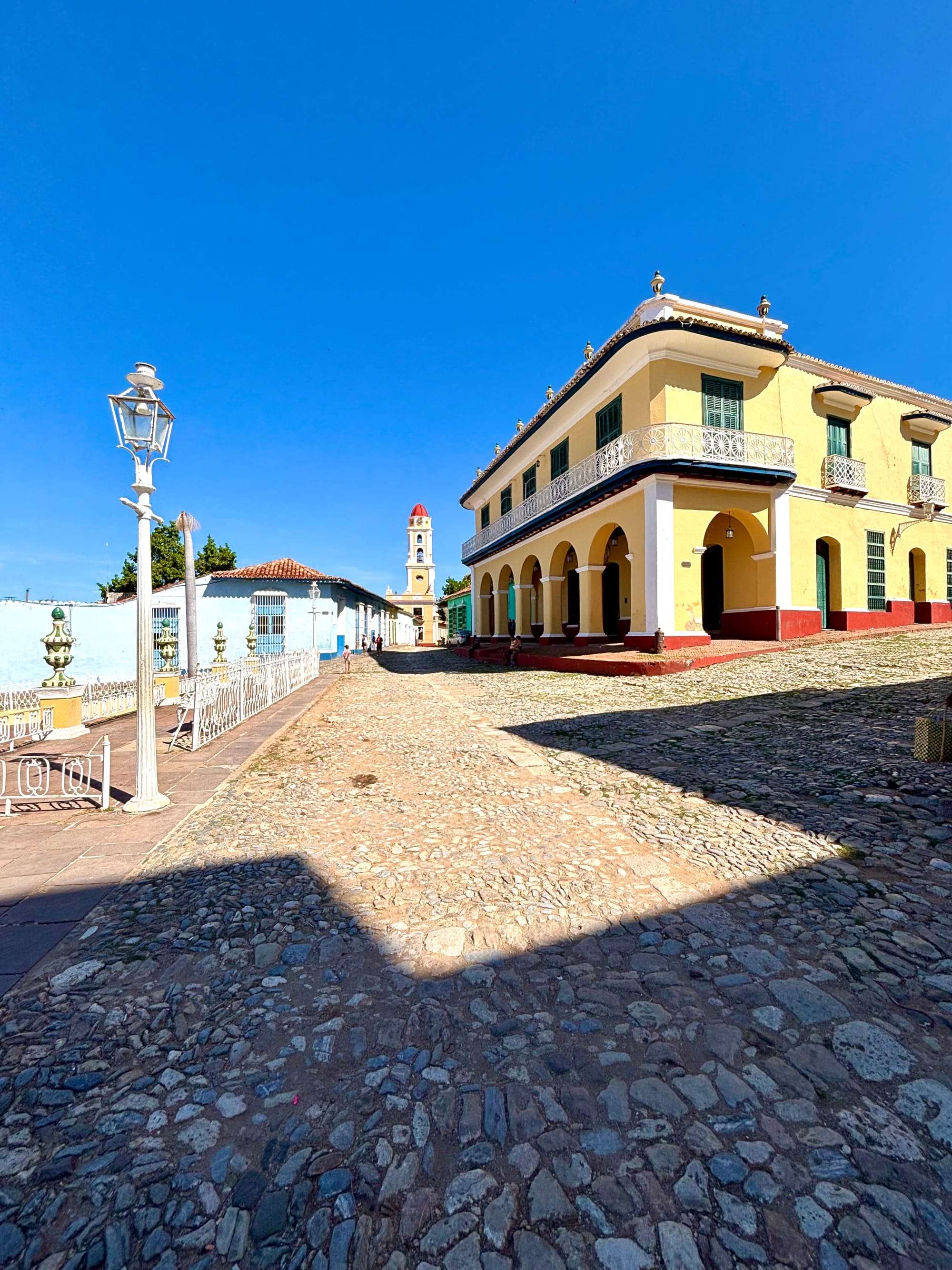
Trinidad dazzles at first sight. Its cobbled streets glint in the Caribbean sun, pastel façades lean into each other like old friends, and the towers of Santa Ana and the Iglesia Parroquial rise with baroque confidence. The Plaza Mayor breathes a kind of timeless devotion: carved saints gazing from their niches, candles sputtering in side chapels, music drifting from doorways as if borne on the same breeze that stirs the palms. The city feels preserved, almost theatrical in its loveliness: a jewel box of Catholic piety set against a tropical sky.
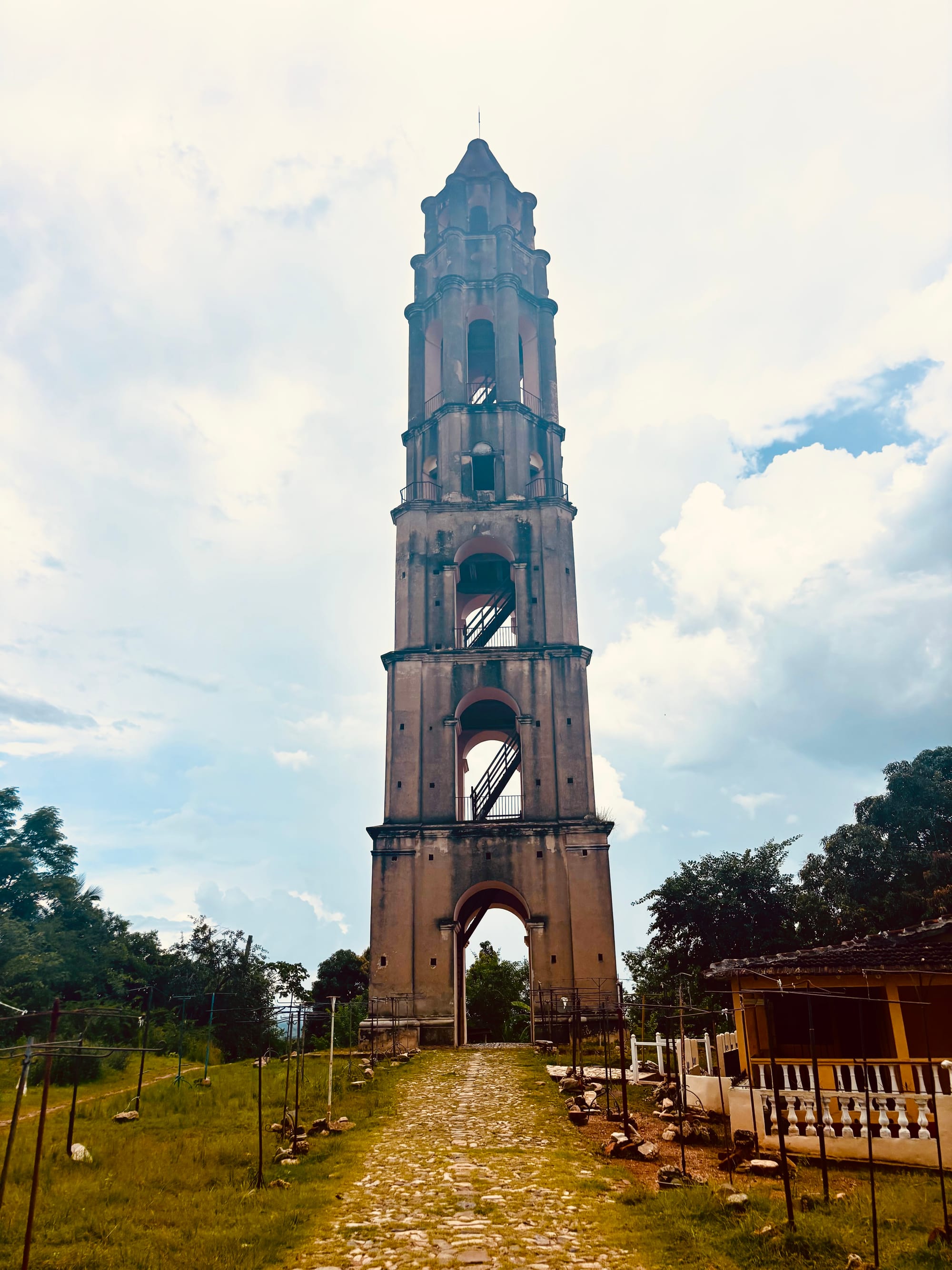
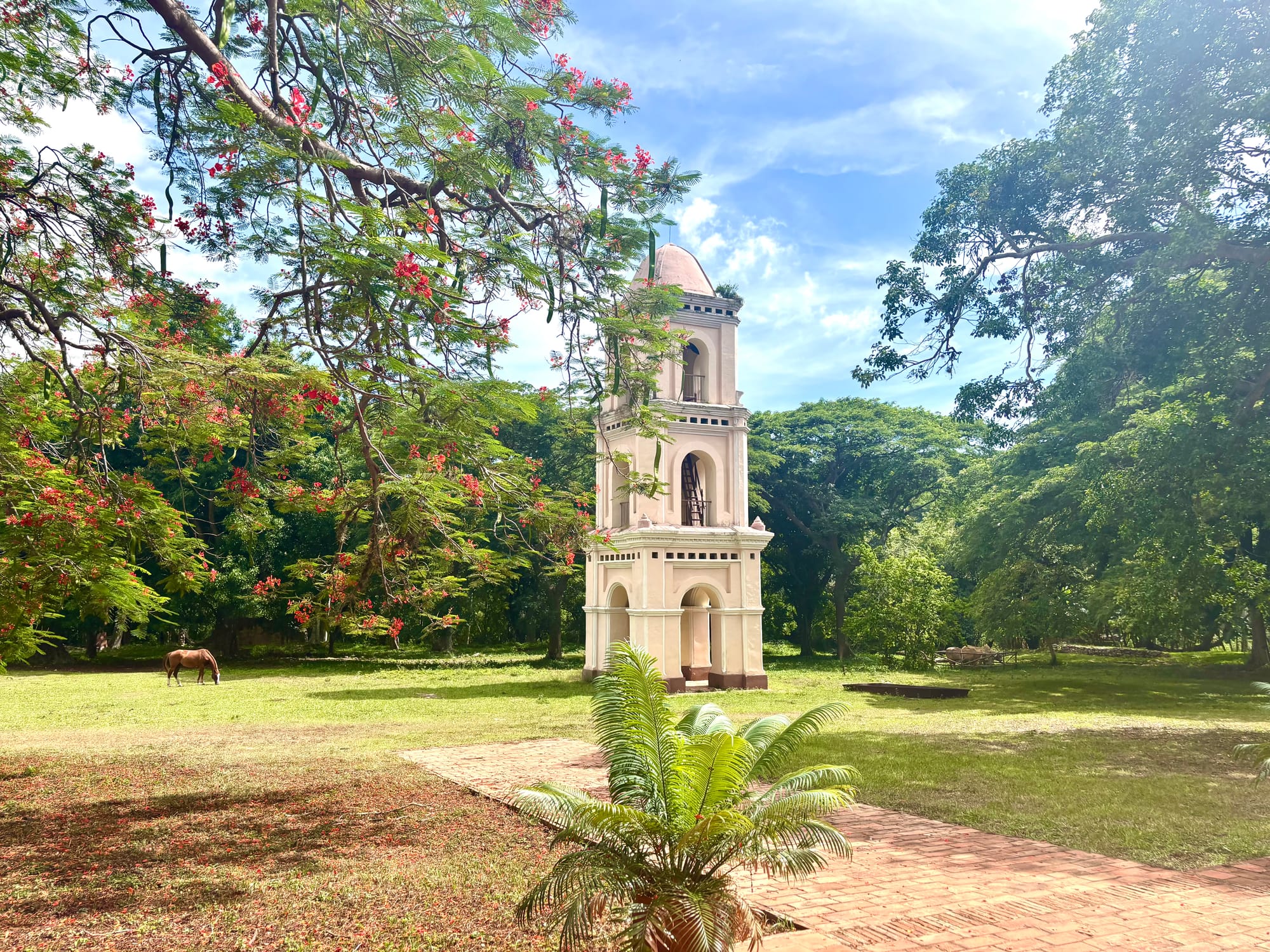
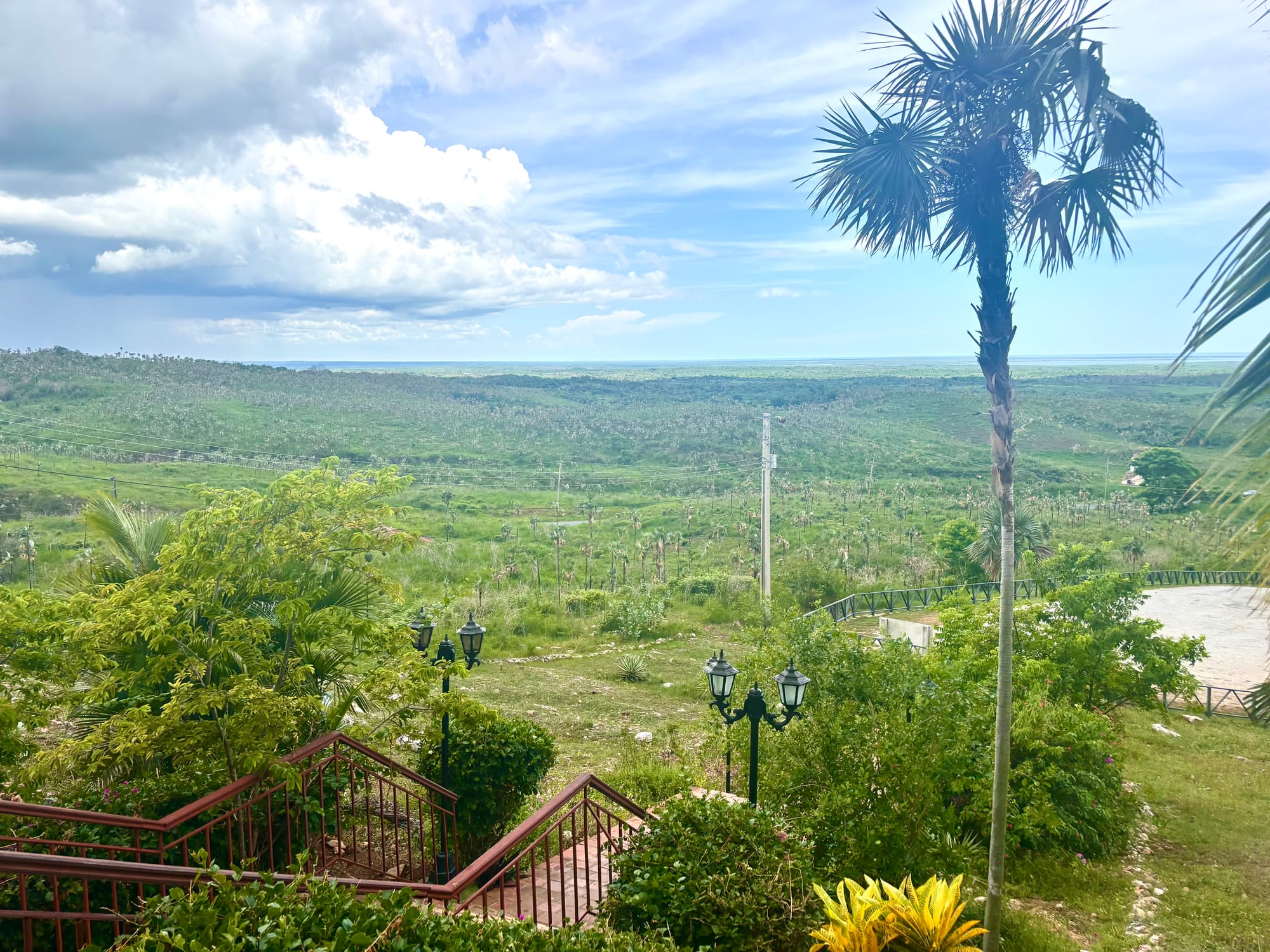
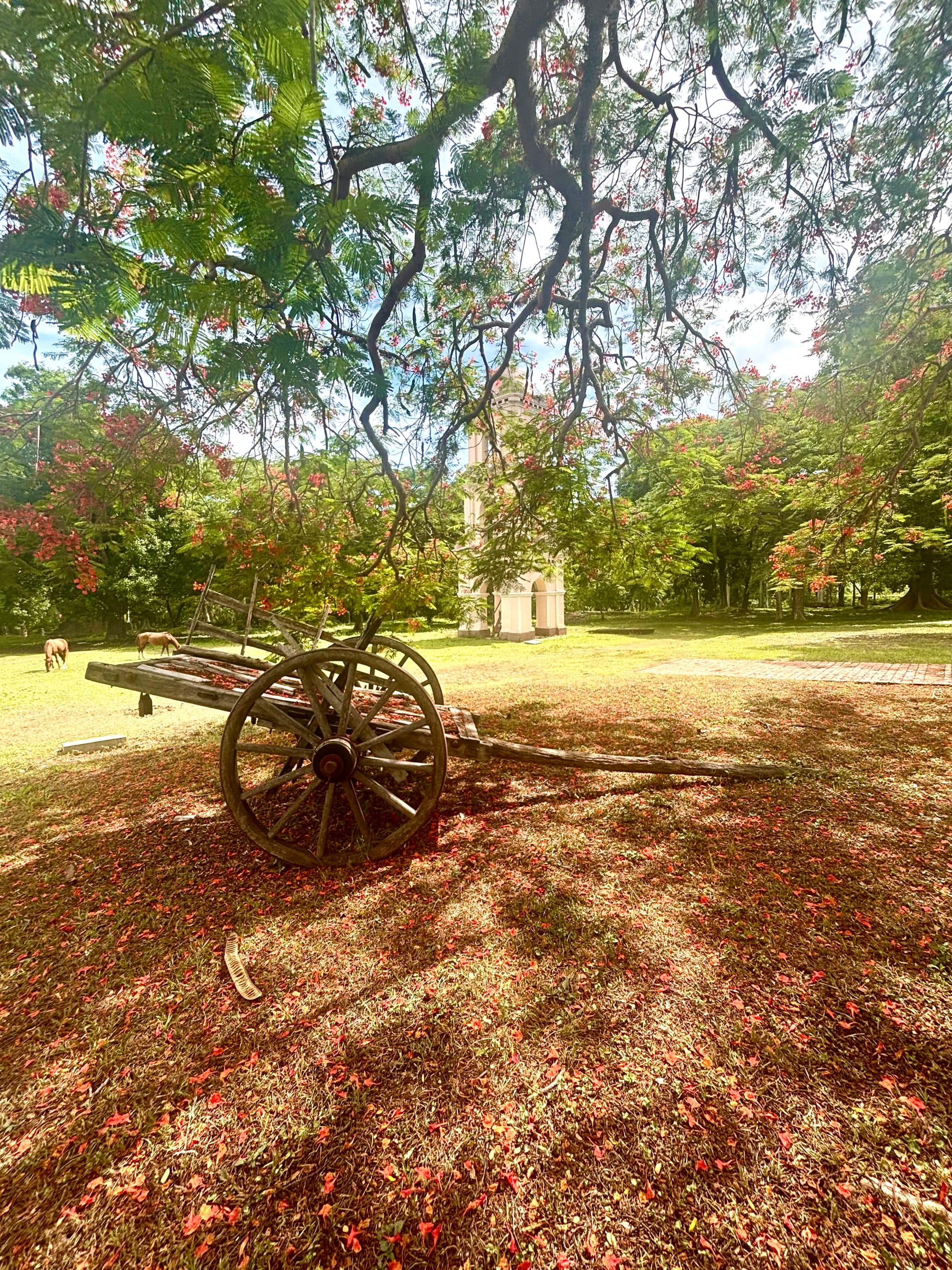
And yet beauty here is never innocent. Only a short ride away lies the Valle de los Ingenios, the valley of the sugar mills. I walked through the ruins of the plantations, where the stones are cool and the air still heavy with memory. In one chamber, I saw manacles and chains, their iron weighted, their bite still legible in the silence. The guides told me that the enslaved laboured fourteen to sixteen hours under the sun, their lives measured by exhaustion and cane. To see those objects was to feel a horror course through my body unlike any other: different even from what I had felt at Hiroshima or Nagasaki. There, devastation was instant, total, abstract in its scale; here, cruelty was intimate and relentless, stretched across lifetimes, suffering itself turned into an economy.
How could such cruelty coexist with the devotion of Trinidad’s churches? How could men and women kneel in prayer one moment and sanction torture the next?
📖 The Enlightenment Invention of “Religion”
The answer lies partly in an intellectual history that still shapes us: Europe’s invention of “religion” as something separate from the rest of life.
The idea is not universal. In antiquity, religio meant reverence, ritual obligation, the bonds that tied humans to gods. It was not a compartment but a mode of being. Medieval Christianity, too, did not divide faith from law or politics; to live under God’s dominion was to live entirely.
The French Enlightenment, however, sharpened new categories. Voltaire mocked “religion” as superstition yet insisted, in his Dictionnaire philosophique, that society required at least a belief in God to restrain vice. Diderot in the Encyclopédie analysed religion as one object among many, to be studied like a specimen. Rousseau, in The Social Contract, proposed a religion civile: a thin civic faith reduced to a handful of dogmas necessary for social cohesion:
“The existence of the Divinity, powerful, intelligent, beneficent, foreseeing and providing; the life to come; the happiness of the just; the punishment of the wicked; the sanctity of the social contract and the laws.”
Religion here becomes minimal, ornamental, useful but no longer binding the whole of life. Once defined as a sphere in itself, it acquired its counterpart: the secular.
⛓️ Cruelty Before and After
Yet cruelty did not wait for the Enlightenment. From the sixteenth century, the Spanish and Portuguese baptised entire populations with one hand and shackled them with the other. Iberian Catholicism was already capable of double vision: the splendour of cathedrals rising beside the misery of encomiendas and plantations. Compartmentalisation was lived, even if it was not yet theorised.
What the Enlightenment added was a framework that made this division explicit, even respectable. By the nineteenth century, when the Valle de los Ingenios reached its height, Europe congratulated itself on being enlightened, rational, and modern: even as it continued to depend on chains. The horror of Trinidad is sharpened by this hypocrisy: cruelty persisted not in an age of medieval obscurity, but in an era that believed itself to have discovered liberty and reason.
The Enlightenment did not create oppression, but it provided a conceptual alibi. Religion could be recast as a private ornament, devotion as an inner affair, beauty as a sphere untouched by economics or politics. And so planters could kneel sincerely at Mass while commanding the whip, their consciences undisturbed.
🎨 Religion as Ornament
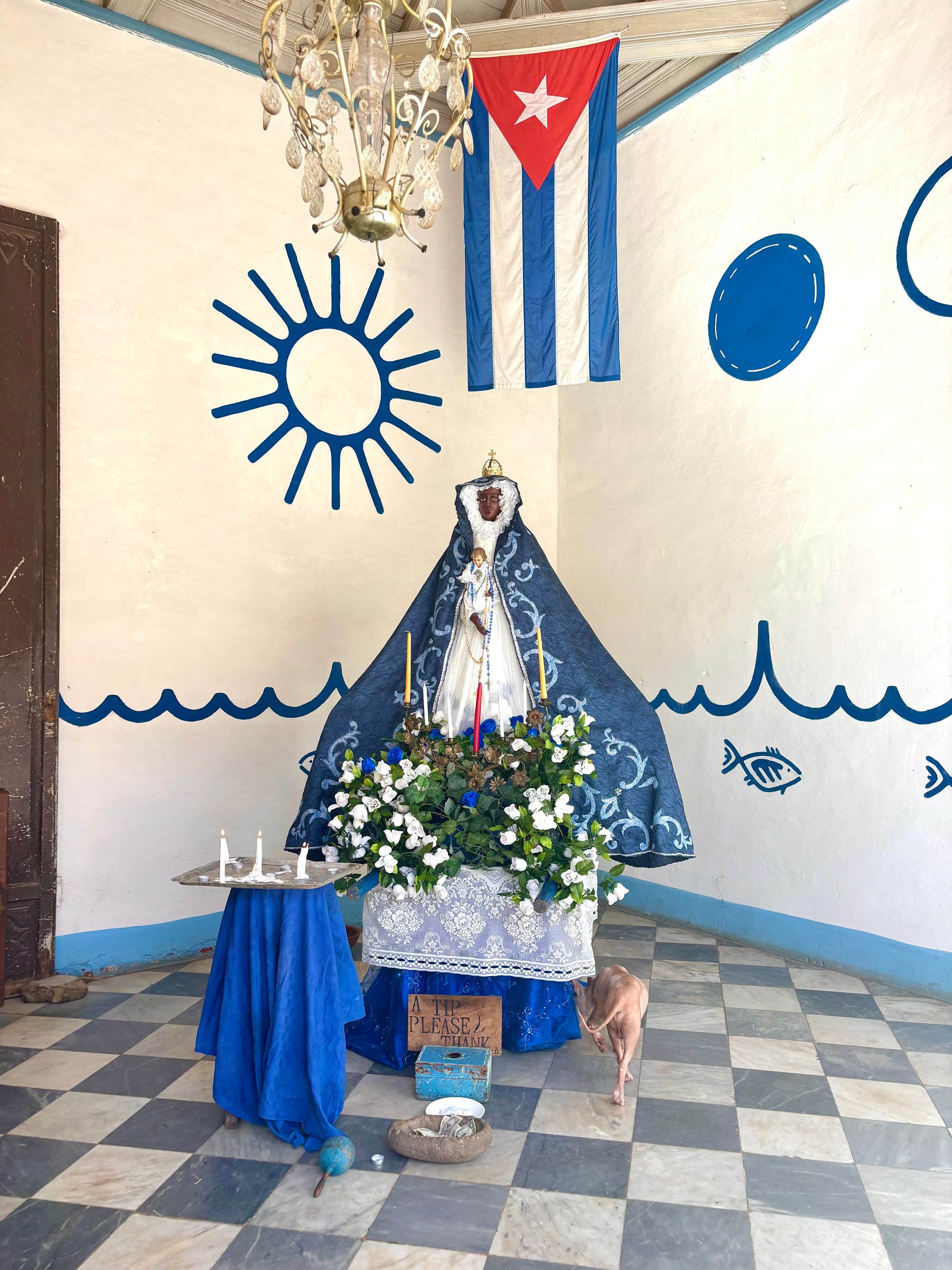
Once confined to its own box, religion could be cultivated aesthetically. Churches could be splendid, processions solemn, prayers fervent; while the mills ground on. Faith became a compartment, insulated from the brutality that sustained it. The bells could ring while the mills turned.
🕋 The Alienness of the Secular
For Jews and Muslims, such a division is alien. Halakha and Shariah bind prayer to law, ritual to economy, ethics to worship. There is no neutral space untouched by God. Even Augustine would not have recognised the modern secular: for him, all of history unfolds beneath divine sovereignty.
Charles Taylor captures this rupture with precision in A Secular Age. What makes our world “secular,” he argues, is not simply the decline of belief but the very possibility of imagining religion as optional, private, one sphere among others. “We live in a world,” he writes, “in which faith is one human possibility among others, and often not the easiest to embrace.” That framing would have been unintelligible to Augustine, or within a Jewish or Islamic horizon.
Nor is “religion” itself a universal category. To carve out a sphere called “religion” already presumes its opposite, the secular. This distinction, so natural to the modern European imagination, is not shared by all cultures. It is a grammar born of Christian and Enlightenment histories, projected outward as if it were universal. To describe Catholicism in Trinidad as “religion” is therefore already to speak within this European language, one that makes devotion appear ornamental, optional, capable of coexisting with cruelty.
I thought of this while standing outside Santa Ana one morning. Mass was in progress: the priest’s voice rising, the faithful murmuring their responses, incense drifting above bowed heads evidenced by the whiff in the air. Even outside I could sense the devotion was real, tangible. And yet outside the church walls, the memory of the valley lingered. To see both together was to grasp how the secular imagination had already taught us to let beauty and brutality live side by side.
🔔 Returning to Trinidad
As I stood again in the Plaza Mayor, its pastel harmony radiant in the evening light, I could not forget the valley and its chains. My horror was not only at the cruelty itself but at the possibility that beauty and brutality could coexist so neatly, without contradiction.
That possibility was born of an intellectual history: the European decision to treat devotion as private, faith as ornamental, religion as one sphere among others. In that sense, the horror of the Valle de los Ingenios is not only Cuban but European.
And yet it does not belong to the past alone. As the bells tolled across Trinidad, their notes soft and serene, I could almost hear beneath them the ghostly rhythm of the mills. Beauty and brutality layered into one soundscape: a music of the secular imagination that has never truly fallen silent.