Gujo Hachiman and the Silence That Speaks
"What is in nature unconsciously is in spirit consciously.”
— F. W. J. Schelling
“Nature is visible Spirit; Spirit is invisible Nature.”
— G. W. F. Hegel
In Gujo Hachiman, nothing strives. And yet, nothing is left undone.
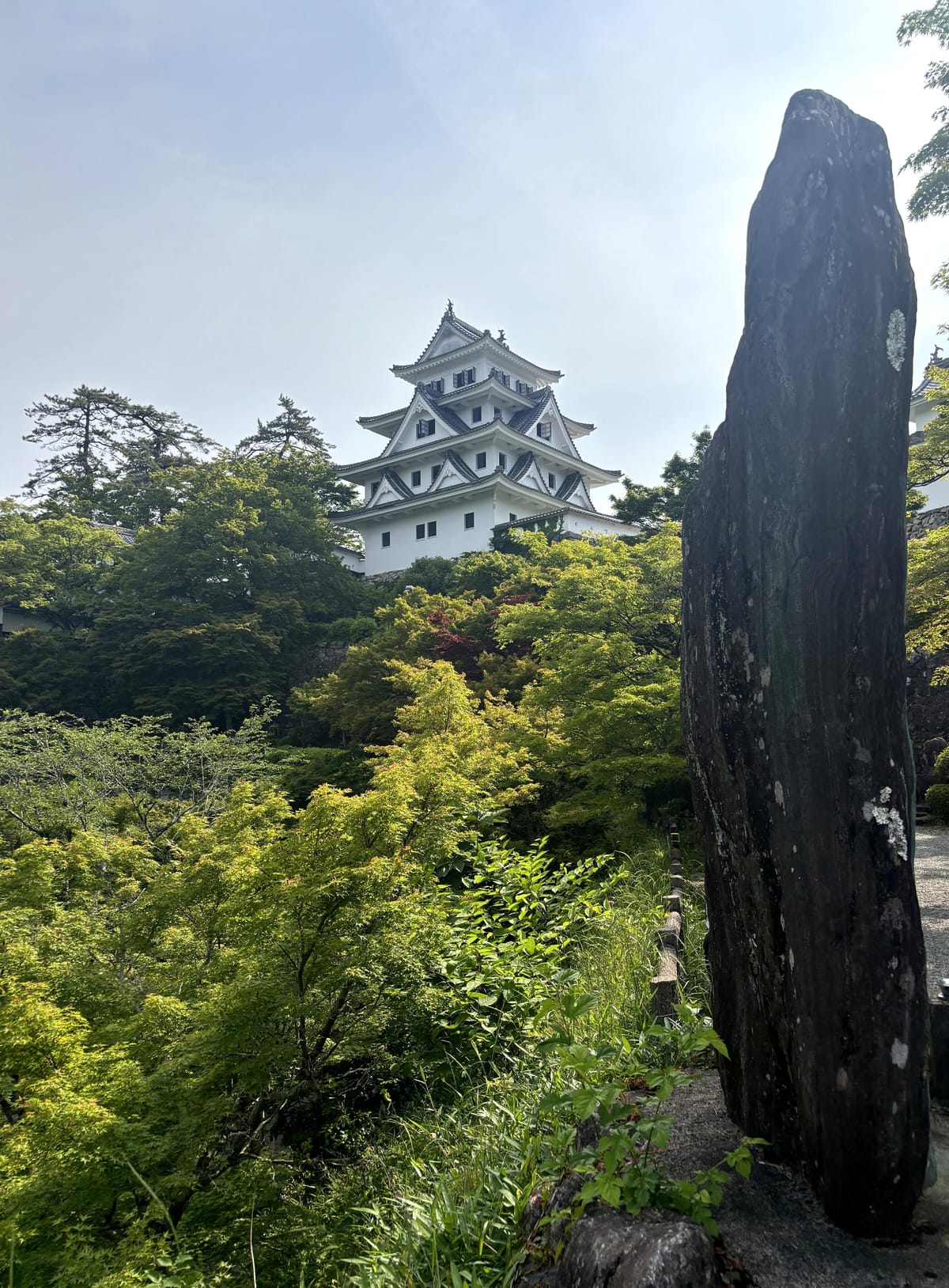
The castle here is not proud. It does not dominate the mountain. It rests into it, just as the stone rests into the base of its own weight. The town does not announce itself. It waits, and in that waiting, discloses something rare: a place where form is not imposed on the land, but arises from it.
The Tao would say: the tree beside the river is not placed. It is right. So too the tiled roof, the furrowed field, the unmanned bridge. Nothing is out of place, not because it was designed that way, but because it belongs.
🌾 Form Without Striving
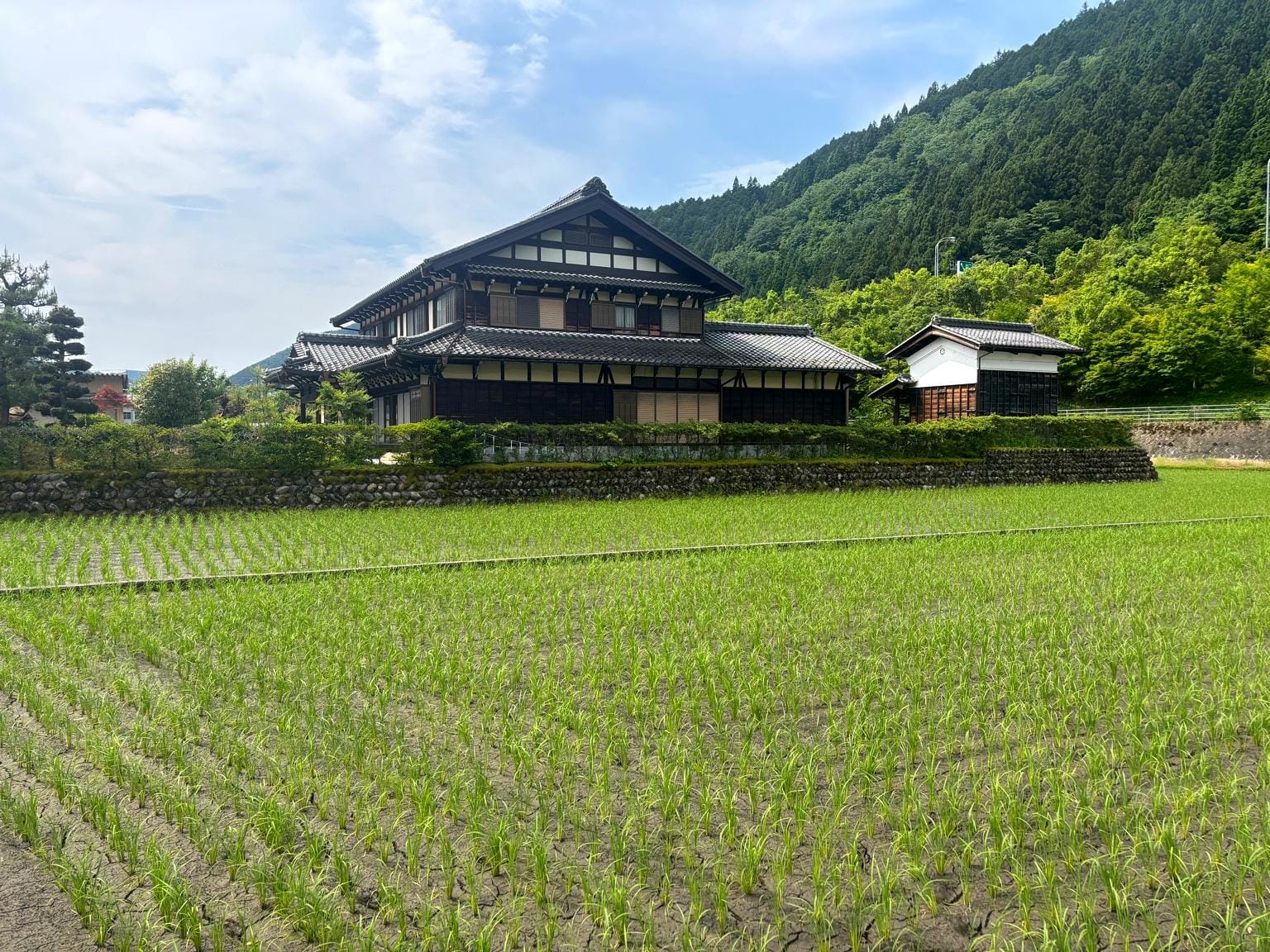
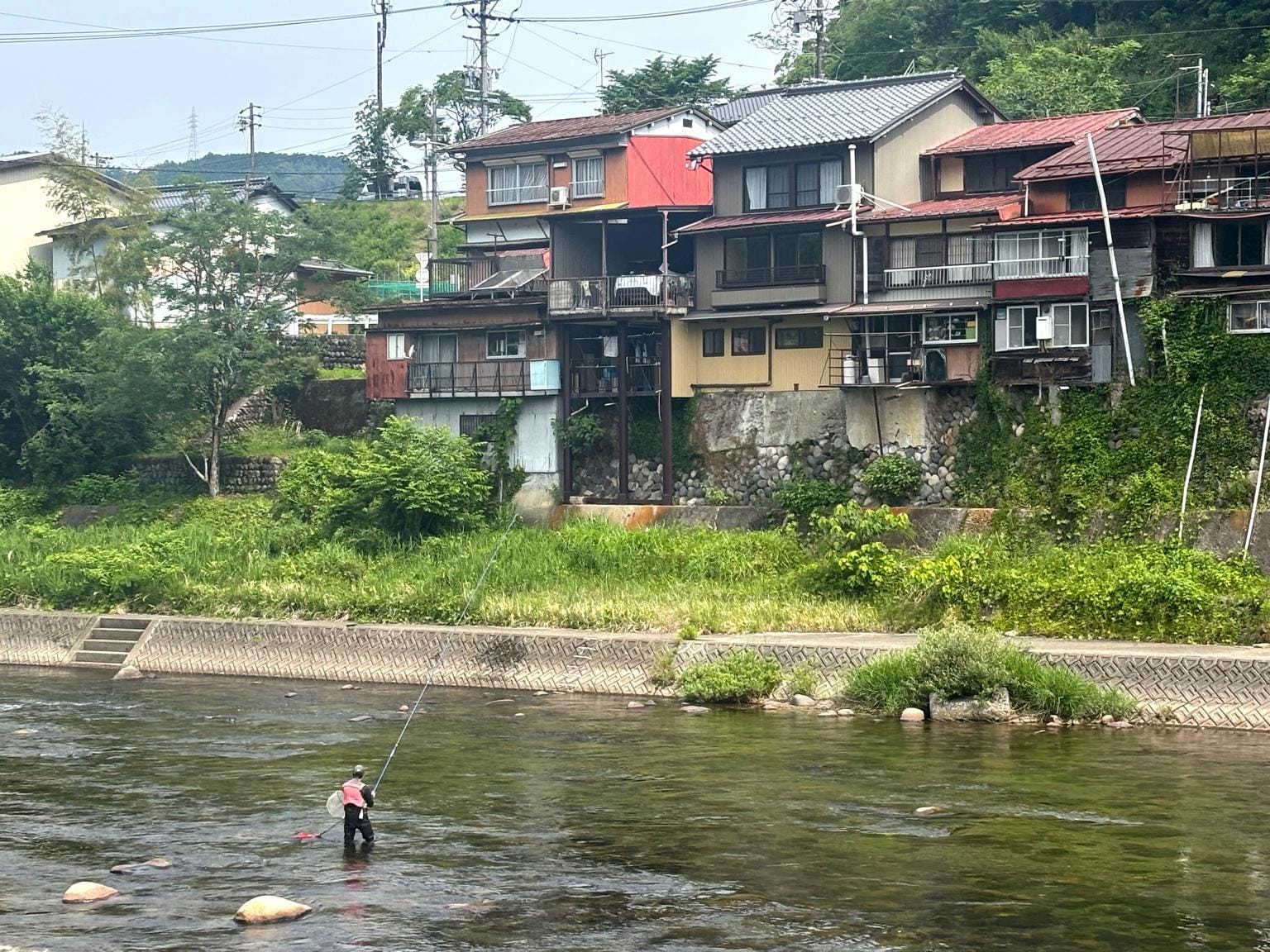
To dwell, wrote Heidegger, is not to conquer space, but to let it be. In Gujo, you see that enacted: rice fields patterned into earth, wooden houses resting gently into the folds of green, a fisherman ankle-deep in riverlight.
There is no striving. And yet: everything is tended.
What we call nature here is not wilderness. It is form without ego. The landscape is not scenic, but articulate. Not curated, but aware.
🌌 The Clearing Is Not the Town : It Is Us
Heidegger’s Lichtung, the clearing, is not a meadow. It is the human capacity to let Being show itself. The world does not unveil itself to itself. It unveils itself through Dasein: the one who dwells, the one who listens.
Gujo Hachiman is not the clearing. We are.
And yet: walking its narrow alleys, trailing fingers along mossed walls, watching the light slip across the canal; the town participates in our openness. It does not become meaningful on its own. But in the attuned gaze, meaning appears.
The field does not speak. The stream does not call.
But within the quiet that we become, they begin to say something.
To dwell here is not to master. It is to join.
🧭 The Quiet Vocabulary of Place
- A rice paddy freshly planted, mirrored in morning sky.
- A fisherman casting into the stream not for sustenance, but for rhythm.
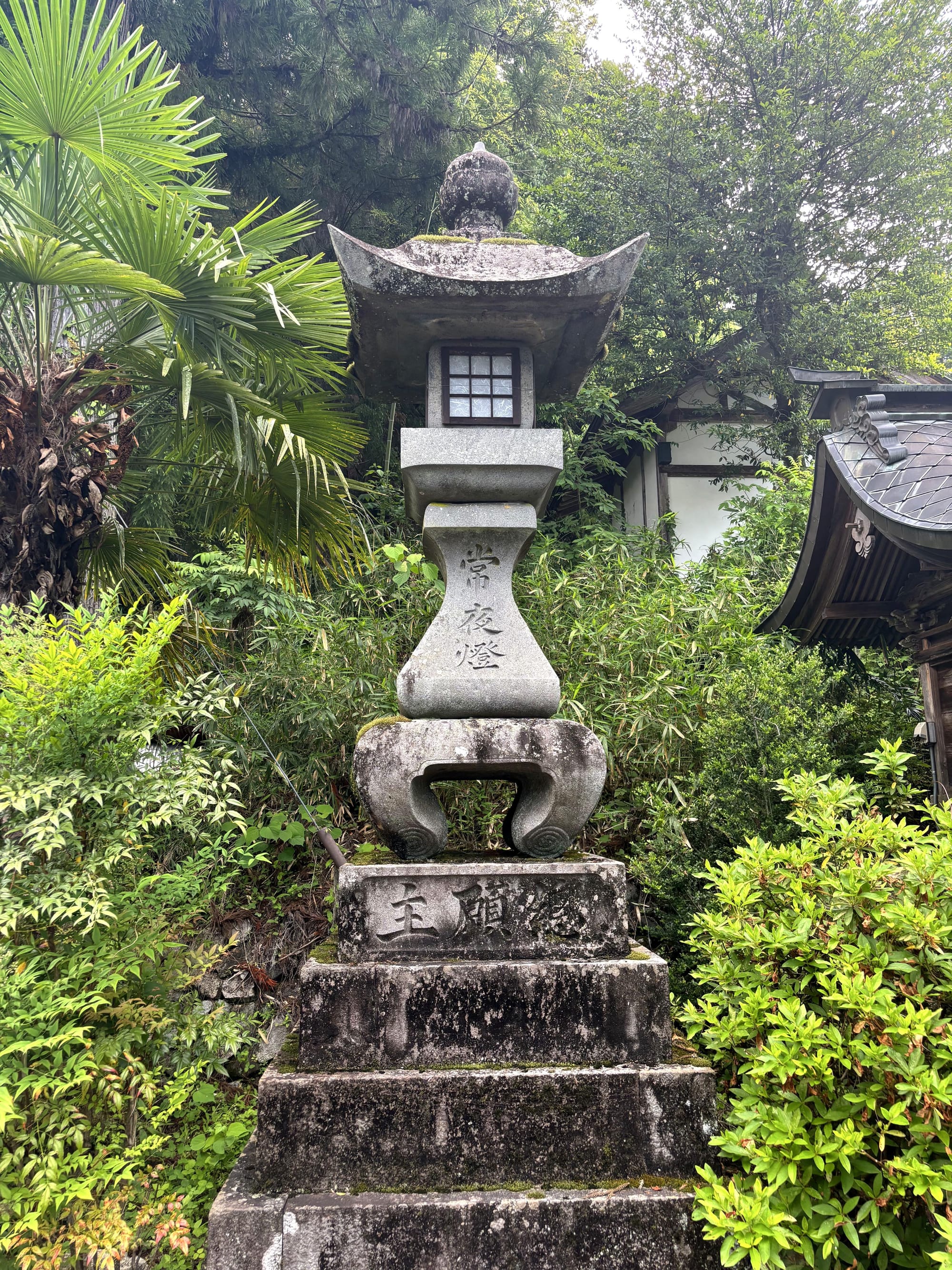
- A shrine’s stone steps rising not to conquer altitude, but to shape ascent.
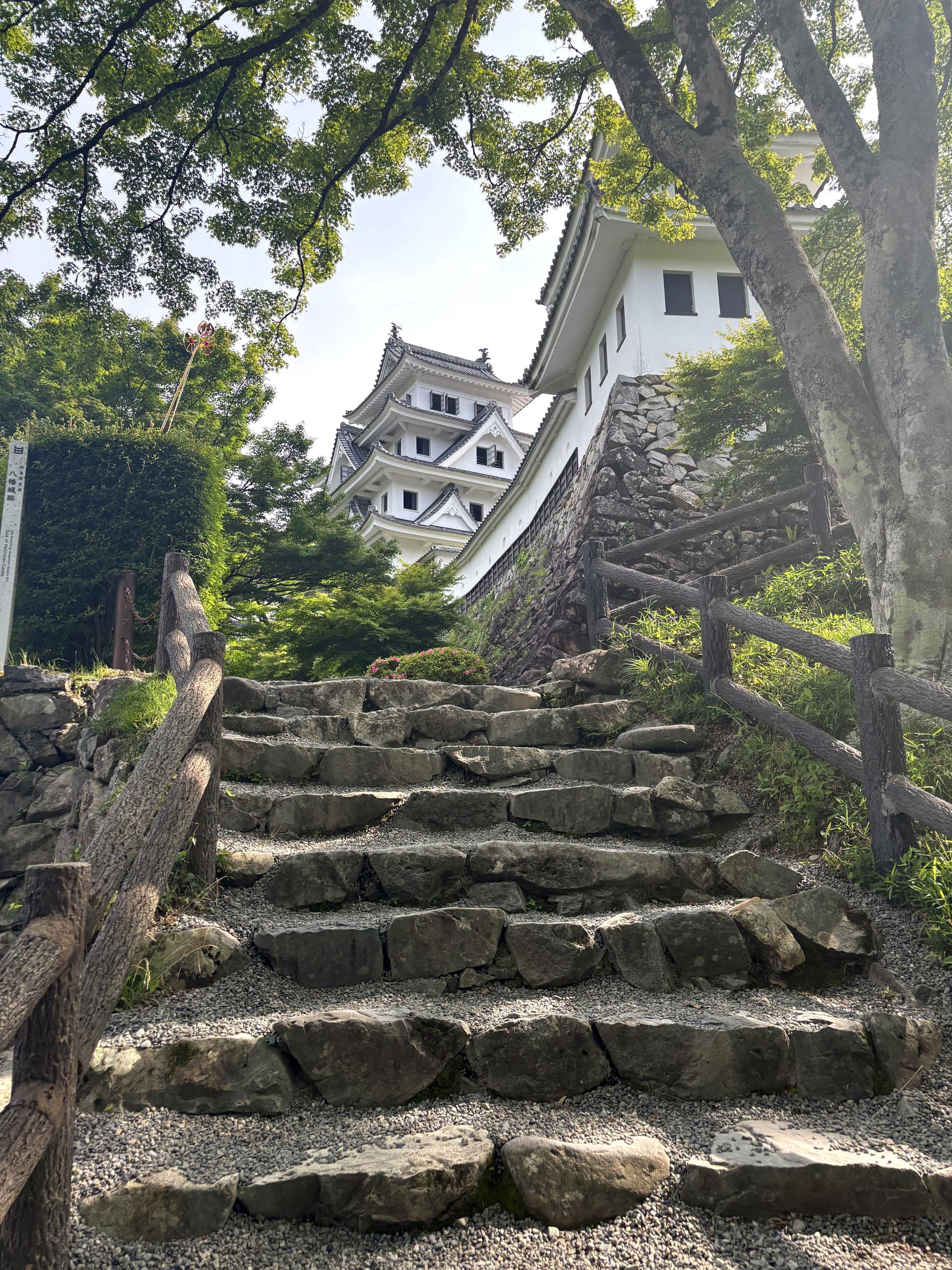
- A castle not to defend, but to watch — steady, white, present.
Each image is not a symbol, but a gesture. Together, they do not form a sentence, but a kind of music: one that can only be heard by walking slowly, listening fully.
💭 A Thought for the Way Back
We walk not to escape the world, but to realise that we are always already within it.
Gujo Hachiman taught me something deeper than beauty: that alignment is not made by effort, but by receptivity. The world doesn't demand to be shaped. It invites us to open.
Light falls. Water flows.
And when we stop speaking, the world begins.