🎎 Faces That Remain: On Images, Theurgy, and the Gaze That Returns
“It is not enough to think the divine. One must also summon it.”
— Proclus, Theologia Platonica
🪆 A Stillness That Is Not Empty
I have stood before countless images. The plaster saints of childhood, radiant and idealised. The Wounded Virgin of Valladolid, the Vulnerata, cradled in the scarred arms of Spanish piety. The mosaics of Rome, where the gold tesserae reflect candlelight like a liturgy unfolding in colour.
Never once did I feel unease at their presence. As a Catholic: formed by the cult of relics, by Marian devotion, by Eucharistic adoration, the image was never decoration. It was invitation.
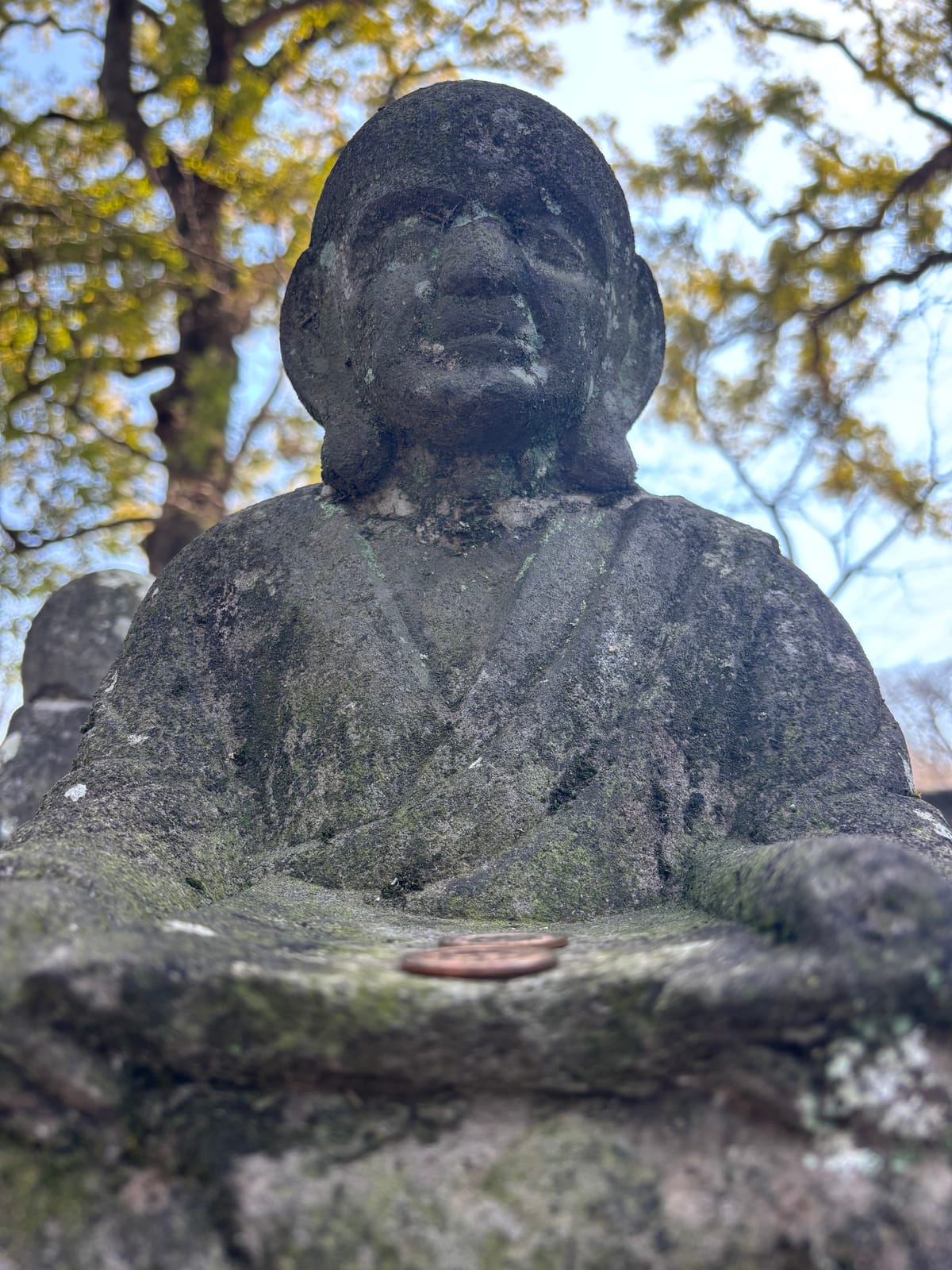
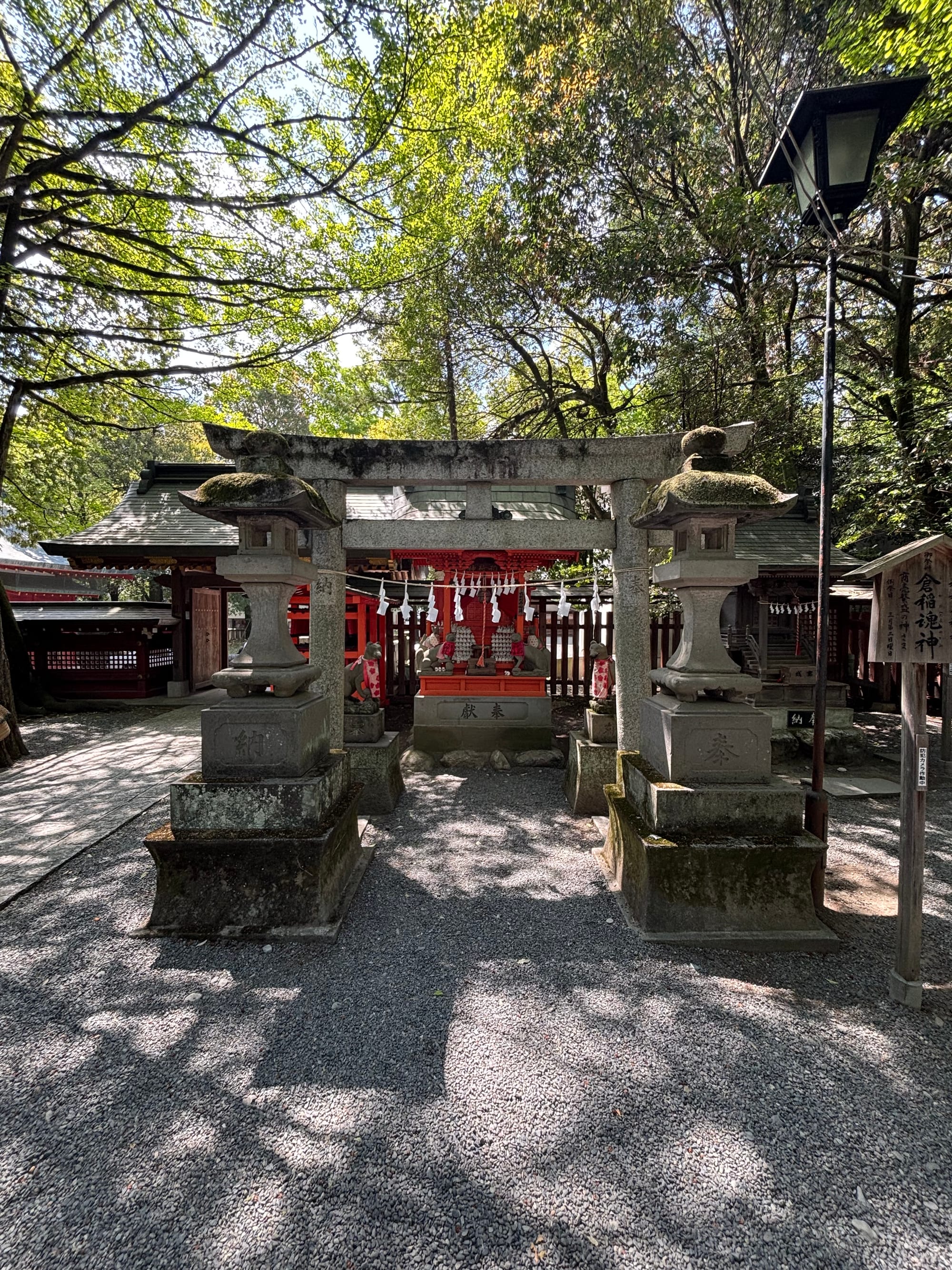
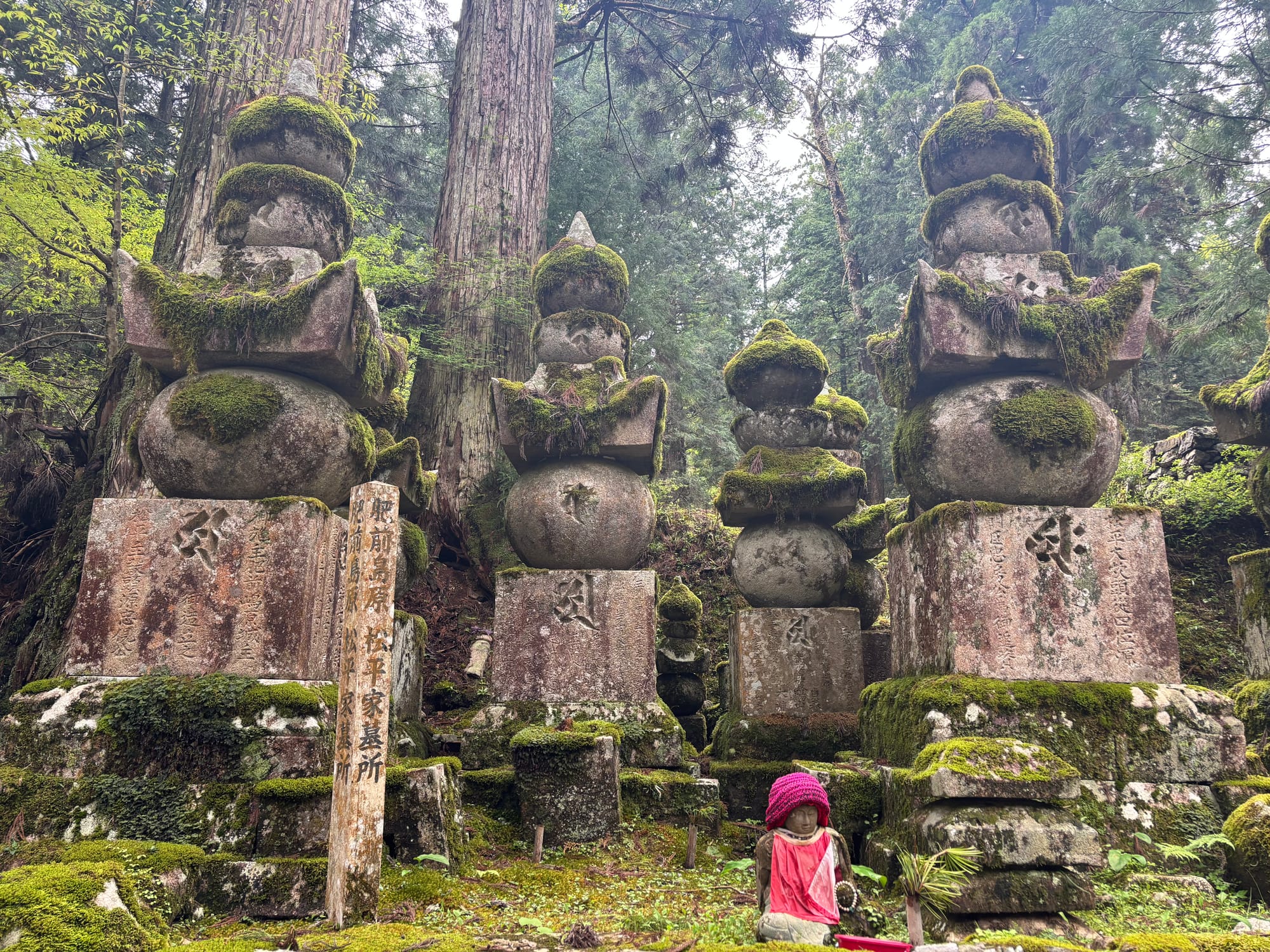
In Japan, I encounter something familiar but uncannily refracted: statues that do not demand devotion, but invite it with a disarming gentleness. The Jizō figure swaddled in red. The beckoning cat on a temple shelf. The weather-softened Kannon whose face bears no expression and all expressions at once.
These images do not preach. They remain.
And in their remaining, they disturb.
🏮 The Japanese Image: Stillness, Animacy, and Presence
Unlike the Western tradition, where images are often viewed as representations of a truth that lies elsewhere, the Japanese approach to the sacred image resists that split. In Shinto, objects such as shintai are not symbols of kami; they are places where the kami dwells. The object is not a sign but a site. And in esoteric Buddhism, particularly Shingon and Tendai, icons, mandalas, and ritual tools are not metaphors but metaphysical interfaces; charged mediators between realms.
This is not idolatry. It is presence without anxiety.
A statue of Jizō is dressed not because it “represents” compassion but because it is compassion, made tenderly visible. The statue is not there to direct one’s attention to an invisible elsewhere. It is there to receive offerings, to hold memory, to wait beside the grieving.
The image is not an absence to be explained. It is a presence to be accompanied.
This is what makes Japanese sacred art unsettling for the Western observer: it does not explain itself. It does not mediate; it simply is.
🔮 The Theurgic Image: From Plotinus to Proclus
This is not unlike what later Neoplatonists understood as theurgy.
Plotinus, in his radical metaphysical vision, taught that the soul, though descended into the material world, remained in contact with the intelligible realm. For him, the return to the One was an act of interior ascent: contemplative, solitary, almost vertical. Images, rites, and rituals were superfluous, even distracting. Philosophy sufficed.
But this, Iamblichus argued, was a mistake.
In De Mysteriis, Iamblichus insists that the soul is not just intellect. It is also embodied, embedded in the world of matter, ritual, and symbol. And if it is to return to the divine, that return must also take place in and through matter.
Thus, theurgy, literally “divine work“, emerged as the ritual and symbolic practice through which the soul cooperates with the gods in its ascent. Not by negating the body, but by involving it. Not by bypassing the image, but by ensouling it.
For the theurgist, the image is not illustrative but efficacious. It is not an echo of the divine but a contact point.
This is not superstition. It is cosmic ethics.
Proclus, refining this in his Theologia Platonica, describes the world as already full of gods, and images as the instruments through which divine presence is not invoked, but recognised and welcomed. The task is not to ascend alone, but to ritually realign one’s soul with the divine order, using gestures, chants, sacrifices, and crucially, images, that correspond sympathetically to divine realities.
✝️ Catholic Continuities
Catholicism, of course, never fully abandoned theurgy; it just gave it another name.
I was partly trained in Valladolid, where the Vulnerata is venerated with a ritual devotion that has more in common with Iamblichus than Descartes. I have walked with barefoot pilgrims in Lourdes, watched rosary beads click like water over stones. I have stood at the altar in Rome, where gesture, image, and utterance combine not to symbolise the sacred but to present it.
To genuflect is not to remember. It is to act. To elevate the host is not metaphorical. It is metaphysical.
The Mass, in its deepest structure, is theurgic: not a discourse but a descent. Not a proposition but a summoning.
At its heart lies the epiklesis, that ancient invocation in which the priest does not merely recall Christ’s words, but calls down the Spirit to make present what memory alone cannot hold. It is not enough to remember; one must call, receive, and be changed. The epiklesis is not symbolic language. It is ontological petition.
And woven into this is the Platonic rhythm of anamnesis: not memory as mental recollection, but memory as recognition of the Real. In the liturgy, we do not merely look back. We recover what lies before time: the eternal sacrifice, the timeless Christ. The Mass does not re-stage Calvary as metaphor: it re-presents it through anamnetic disclosure. It is remembrance as revelation.
In this, the Catholic liturgy enacts what Proclus describes as the soul’s return to its divine archetype; not by fleeing the body, but by sanctifying it. The liturgy is philosophy embodied.
And so, when I stand before a statue of Jizō in Japan, childlike, anonymous, haloed in silence, I do not feel the tension of incompatible systems. I feel a kinship. Not in doctrine, but in posture.
The body remembers what the mind forgets: that some presences dwell in stillness.
🧿 When the Image Looks Back
The danger of images is not that we might love them too much, but that we might not let them love us.
The image is not passive. It holds a gaze.
To stand before a sacred object, whether in a Kyoto temple or a Roman basilica, is to risk being seen. Not metaphorically, but truly. The image offers no arguments, no defence. Only attention.
In our world, saturated with images that solicit, distract, demand; we are rarely looked at. We are manipulated, persuaded, entertained. But sacred images do something else. They wait.
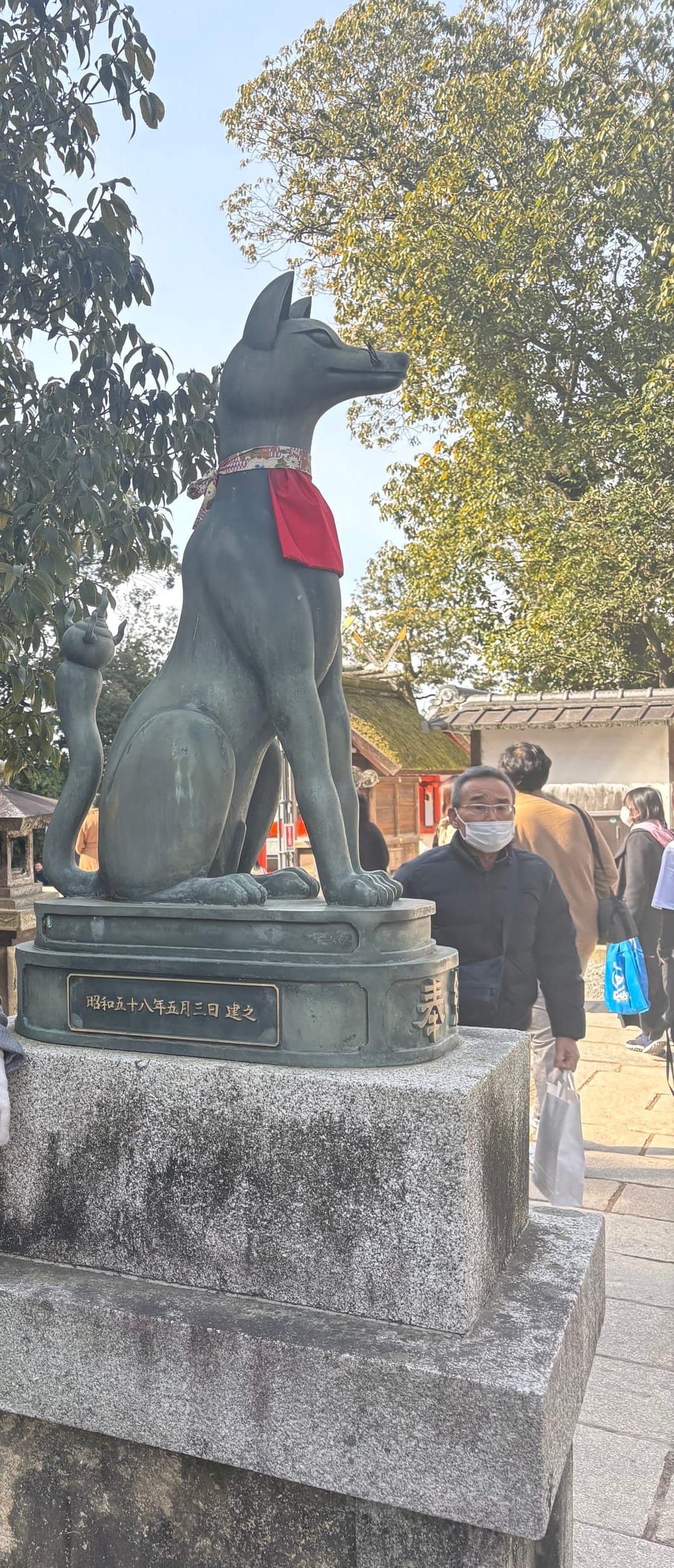
The saints in Roman side chapels. The fox figurines of Fushimi Inari. The Madonna behind glass in a Sicilian alley. The stone Jizō covered in lichen.
They are not images we master. They are presences we meet.
🕯️ Final Reflections: On Stillness and Summons
We are conditioned to interpret. But sacred images ask not to be interpreted, but accompanied. They are not puzzles. They are presences. They do not mean. They remain.
“The image that abides is not asking to be solved. It is asking to be stayed with.”
And perhaps that word, remain, is not accidental. In the Gospel of John, μένειν (menein) becomes a central verb of divine intimacy. “Abide in me, and I in you.” This is not spatial language. It is ontological. To remain is to belong, to endure, to keep company in the silence where words end. It is what the Word Himself does with the world: He remains.
The image that abides does not point beyond itself. It gathers, it watches, it keeps vigil. It sanctifies presence by refusing to leave.
This, perhaps, is their theurgic power: not that they speak, but that they endure. They demand nothing. They insist on nothing. They merely remain.
And in their remaining, they invite.
Not toward certainty, but toward fidelity.
Not toward belief, but toward beholding.