Cienfuegos: Exile and Harmony
🐚 The Pearl of Exile
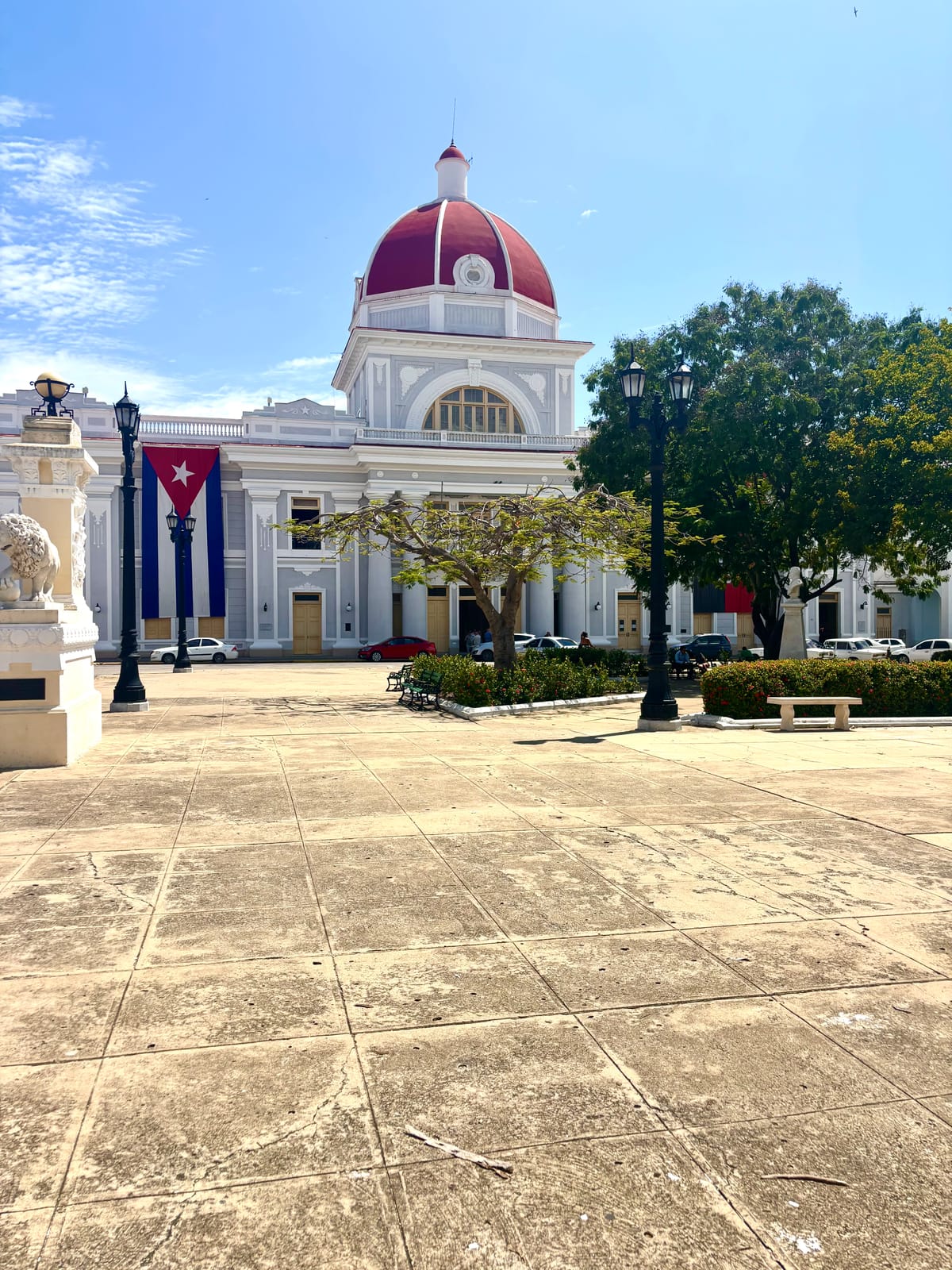
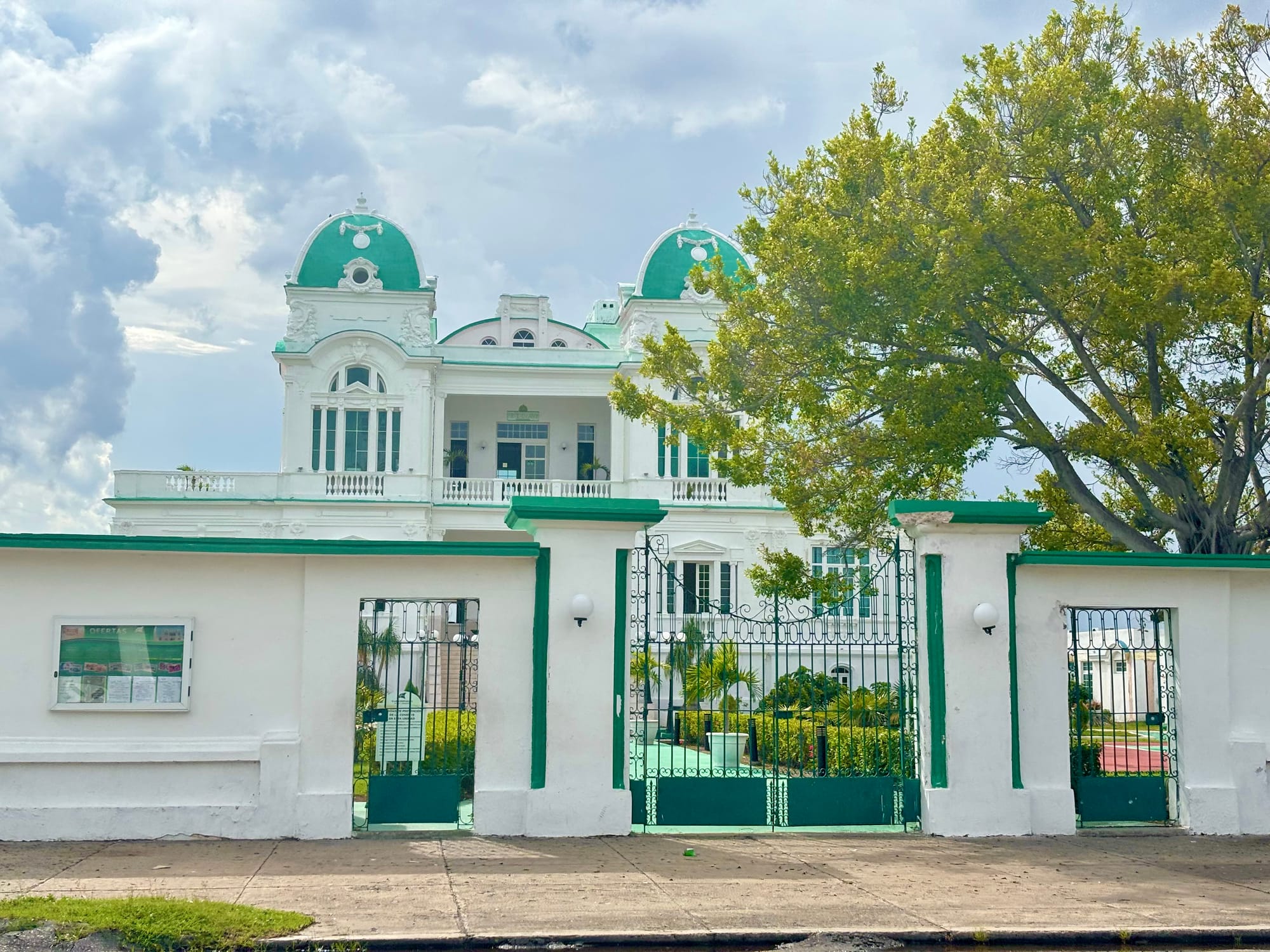
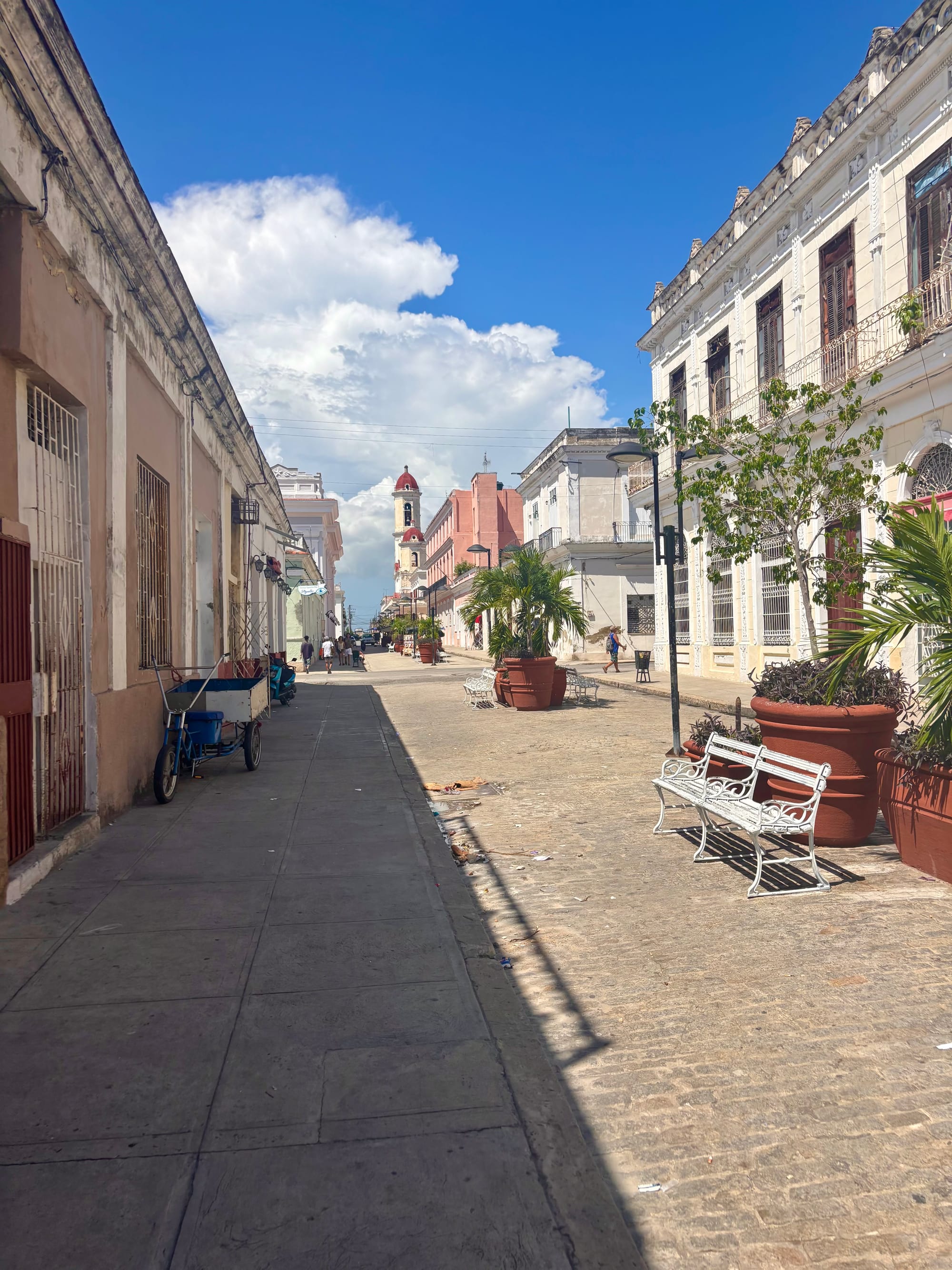
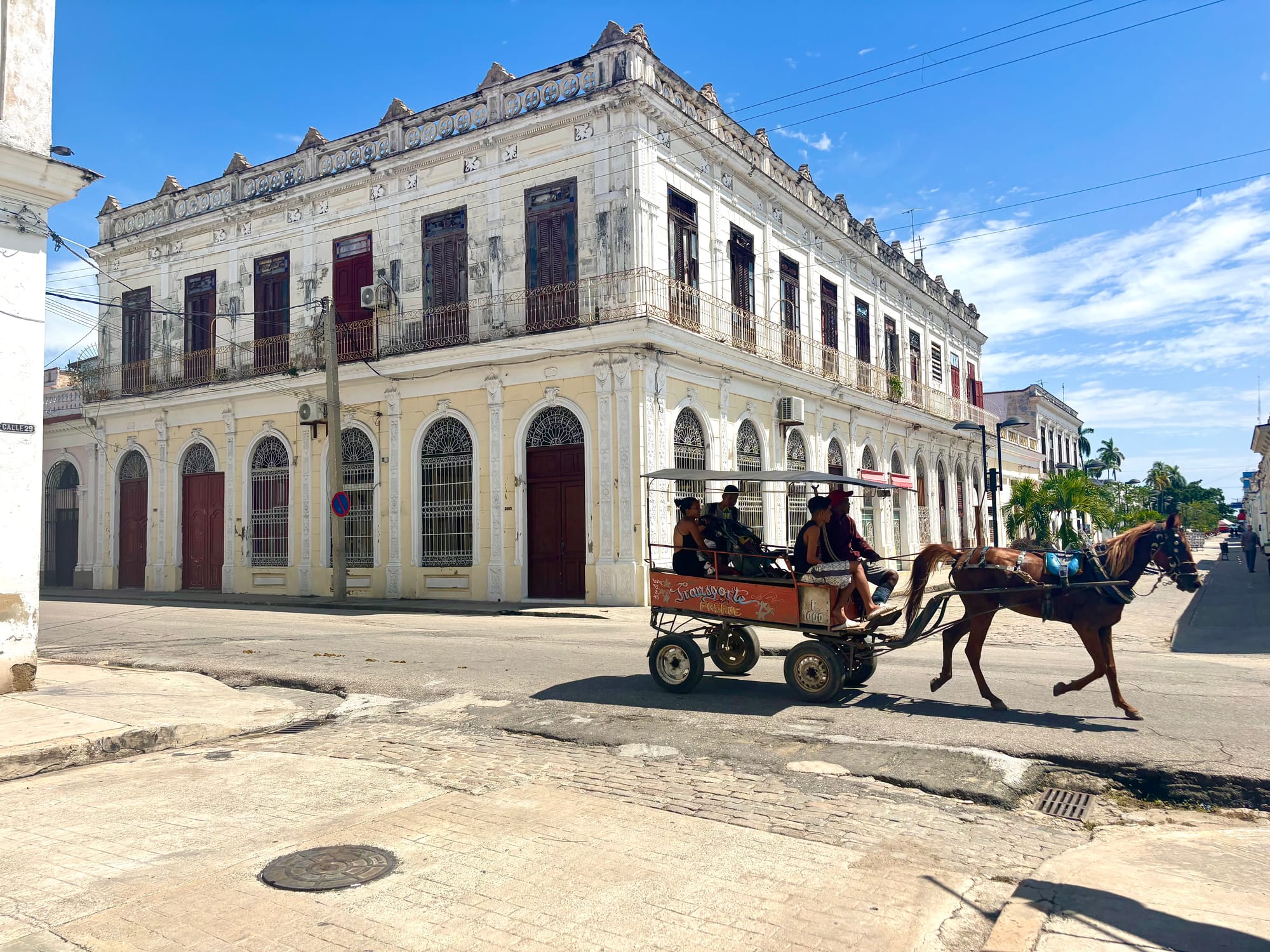
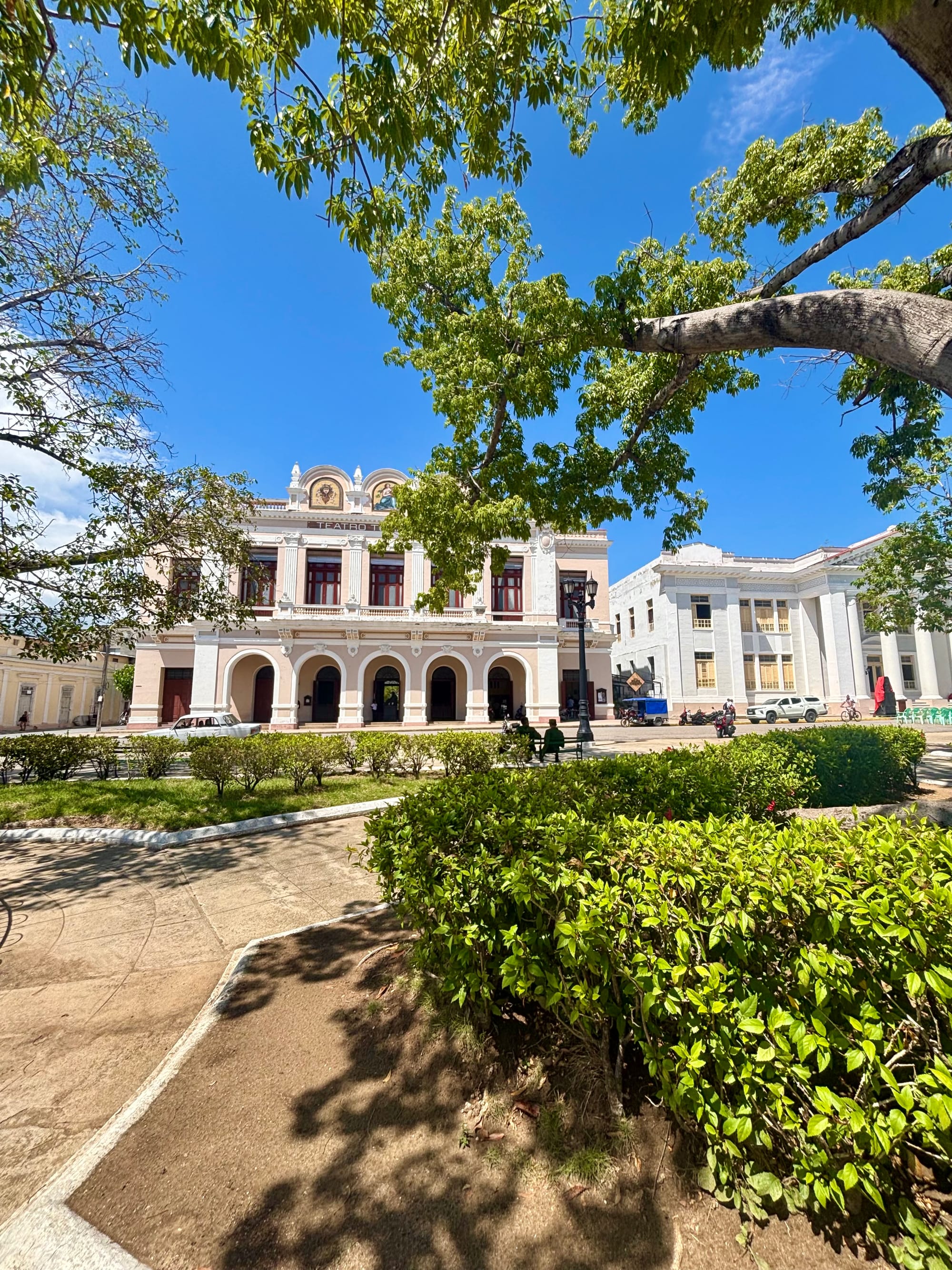
Cienfuegos calls itself the Pearl of the South. At first the name feels ornamental, another Caribbean flourish. Yet walking its boulevards, I felt the presence of someone beside me. Helen, Camus’s Helen: symbol of proportion and beauty seemed to wander these streets, her shadow falling across the pastel façades. Founded in 1819 by French émigrés from Bordeaux and Louisiana, the city was laid out with Enlightenment precision, sanctioned by the Spanish crown. They carried exile across the ocean and inscribed its geometry on the tropics.
🎨 Symmetry Dissolved
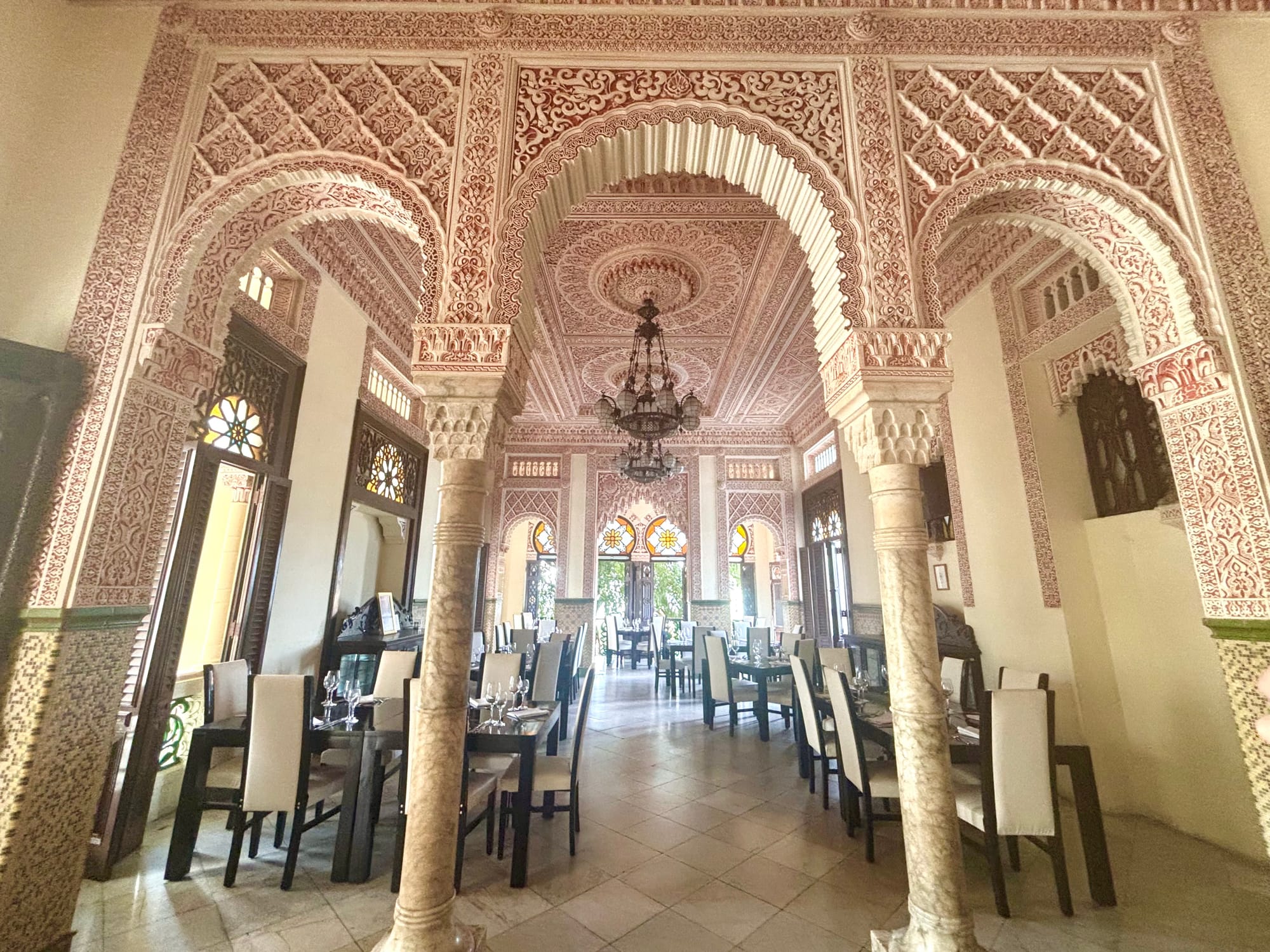
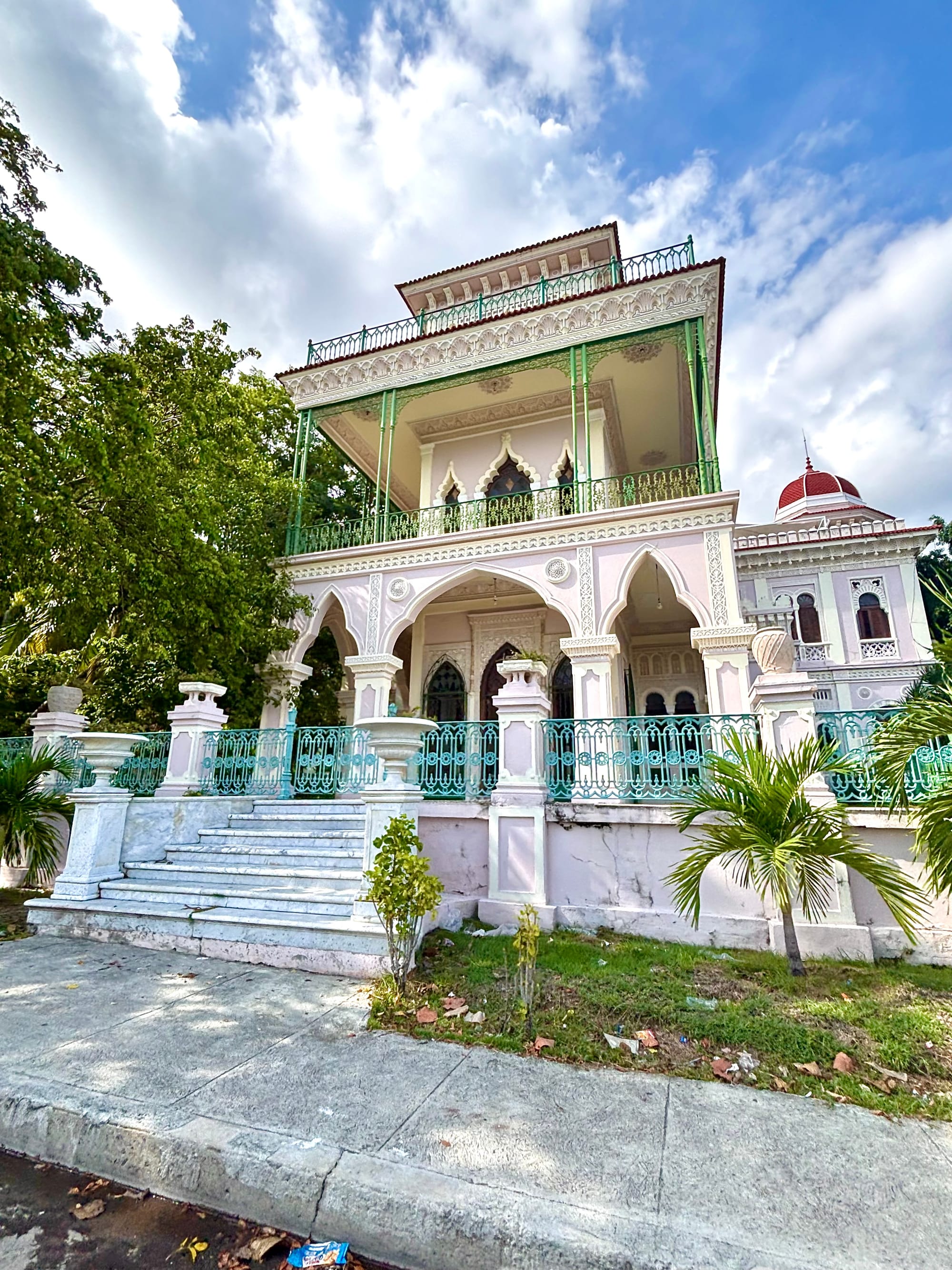
Helen lingered in those lines, but she was restless. The Caribbean sun had faded neoclassical certainty into colour, the heat had bent reason into languor, and music spilled into the arcades. Cienfuegos is a city born of symmetry yet dissolved into improvisation. It contained neither the petty scams of Havana nor the cruel memory of slavery that shadows Viñales and Trinidad. Its melancholy was gentler not the wound of cruelty but the ache of displacement. Helen walked here, but not as sovereign; she drifted like a visitor whose home has been forgotten.
📖 Camus and the Lost Gaze
Camus, in Helen’s Exile, wrote that the greatness of Greece was “to face both heaven and earth with the same gaze.” In that gaze he saw harmony: the refusal of extremes, the acceptance of limit, the balance of beauty and tragedy. “There is no love of life without despair of life,” he reminded us, but modernity has exiled Helen, surrendering instead to totality or to nothingness.
In Cienfuegos the paradox becomes visible. The French built their city like a proof, all clarity and measure. Yet the tropics bent those lines into something luminous. Helen flickered between banishment and return: absent in the imposed grid, half-present in the way light and colour redeemed it.
🪷 Japan and the Practice of Measure
Perhaps that is why, after a year in Japan, her presence felt sharper. Japan has its own Helen: not Greek, but cultivated in ritual and silence. Once, in a car park, I lost my ticket and blocked the exit. A line of drivers sat waiting, patience thinning; I was clumsy, foreign, disturbing the flow. An elderly woman pressed ¥2000 into my hand so I could pay the fine and restore the passage. She asked for nothing. In that moment I understood harmony not as nostalgia but as practice: the quiet restoration of balance, the refusal to let one discord unsettle the whole. Helen, long exiled from the West, seemed at home there.
🇨🇺Helen’s Ghost in Cuba
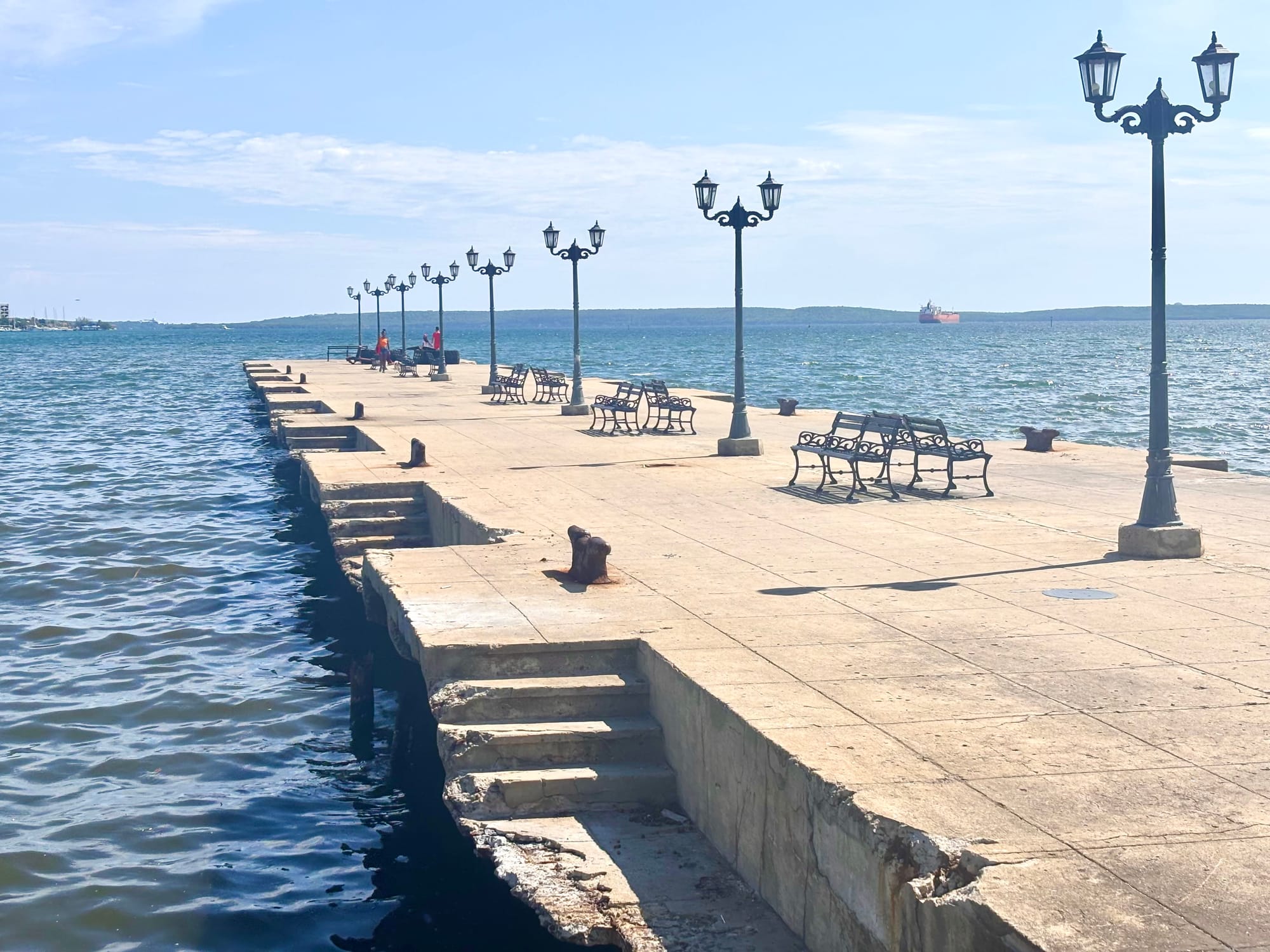
Returning from Japan to Cuba, I felt her ghost more keenly. The West constructs order and watches it collapse into ideology or excess. Japan tends balance daily. Cienfuegos hovers between these worlds, its French skeleton clothed in Caribbean rhythm, haunted by the beauty of measure yet never fully possessing it.
Camus knew that harmony, once exiled, cannot be decreed back into existence. It appears only in glimpses, fragile as dusk on a pastel wall, fleeting as a stranger’s kindness. In Cienfuegos, Helen is not restored but remembered; not ruling, but wandering. To walk those streets is to walk with her, half-shadow, half-light: a reminder that beauty is never possession, only visitation, and that harmony, even when exiled, still returns in passing, before slipping away again.