🍂 Being and Emptiness: A Kyoto Dialogue
πάντες ἄνθρωποι τοῦ εἰδέναι ὀρέγονται φύσει, σημεῖον δ᾽ ἡ τῶν αἰσθήσεων ἀγάπησις, καὶ μάλιστα τῆς ὄψεως.
All humans by nature desire to know, and a sign of this is our love of the senses, especially sight.
— Aristotle, Metaphysics 980a21–24
Ens et verum convertuntur.
Being and truth are convertible.
— Thomas Aquinas, Summa Theologiae I, q.16, a.1
色即是空、空即是色
Form is emptiness, emptiness is form.
— Heart Sutra
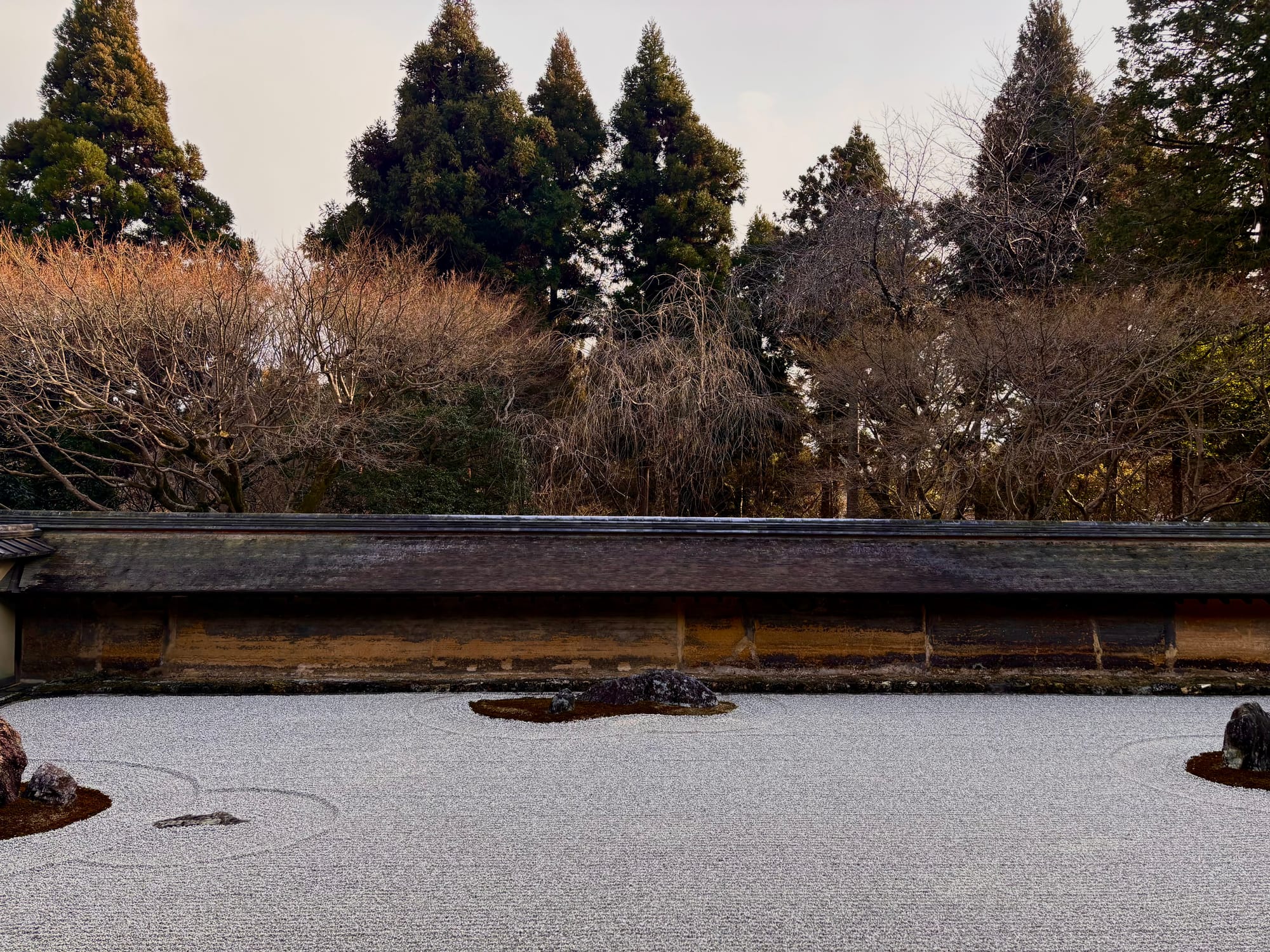
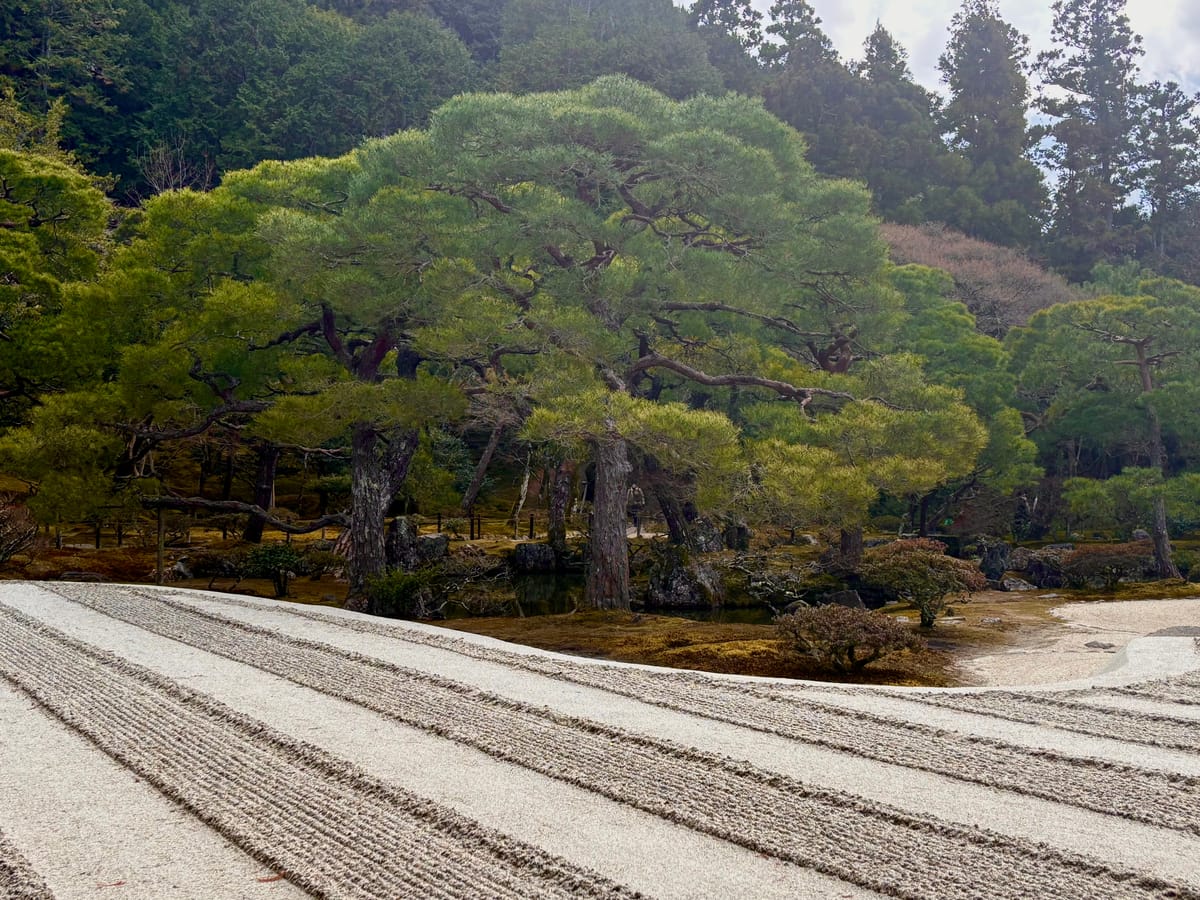
To sit before the gravel and stones of Ryōan-ji is to sit before a question. Fifteen rocks are set in white raked lines, yet from no vantage point can all be seen at once. A limit is built into vision. The scholastic philosophers once asked what belongs to ens, being as such. Their answer was unity, truth, and goodness, with beauty shimmering at the edge.
These categories grew from a Greek inheritance in which sight and knowledge were bound together. From Plato’s cave to Aristotle’s θεωρία (theōria), truth was imagined as what comes into the light. The scholastics received this grammar, and Aquinas gave it his own precision: to exist was already to be manifest, intelligible, seen.
Yet Ryōan-ji does not merely confirm this heritage. Its silence unsettles the grammar of vision. The garden teaches us to think again about what it means to see, to know, to desire, and to delight.
🌿 Unity: Gathering and Non-Duality
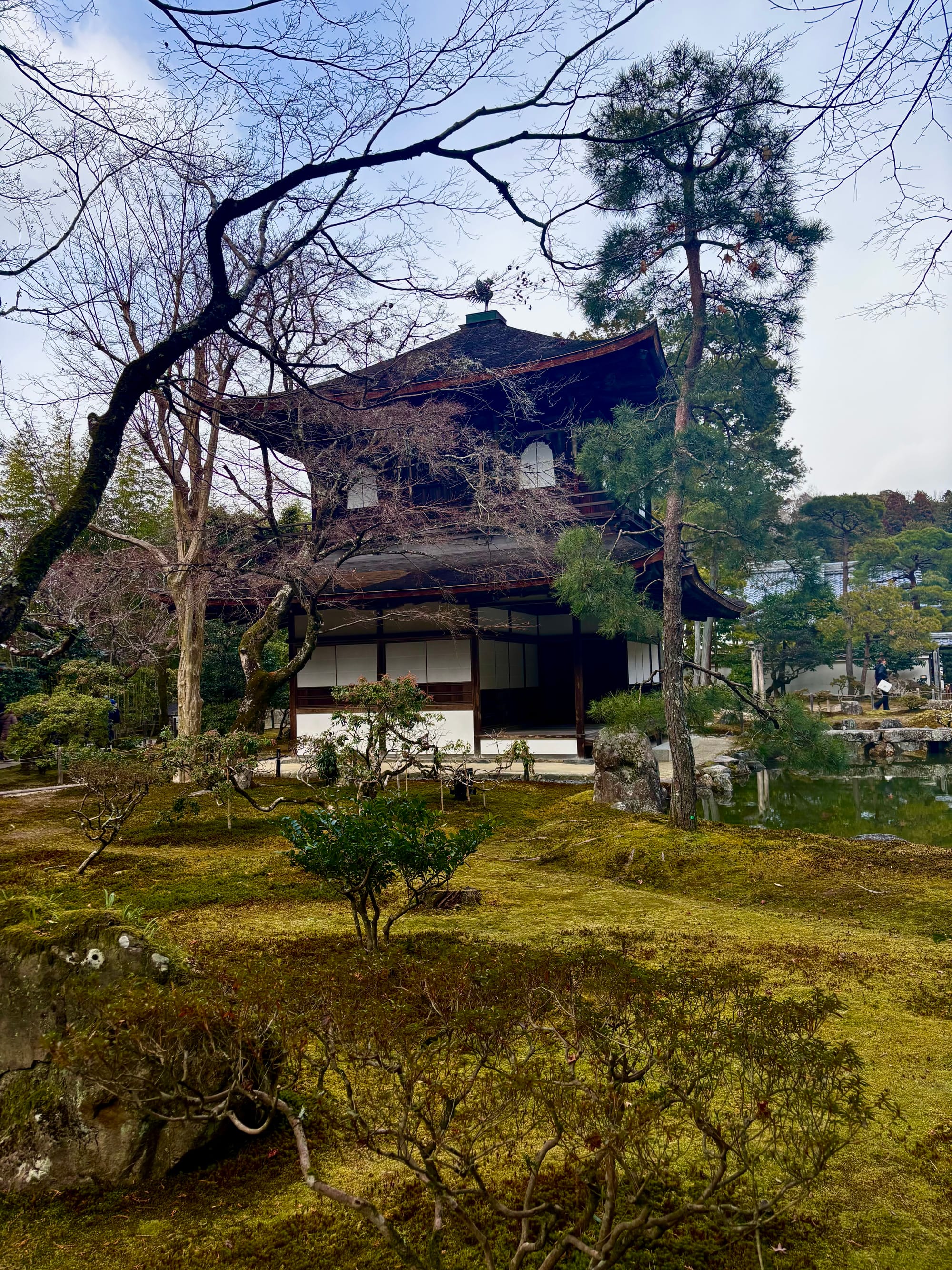
Aquinas writes that unum is the first property of being (ST I, q.11, a.1). To exist is already to be one, not divided against itself. The garden shows this. Stone, moss, and gravel belong together even in their separateness. Distances hold them in relation.
Zen speaks of 不二 (fu-ni, non-duality), the refusal to split the one and the many, subject and object, form and emptiness. The gravel does not only frame the stones, it participates in them. Unity here is not the scholastic integrity of substance, but a non-dual belonging in which difference itself is folded into the one.
👁 Truth: Knowing and Seeing
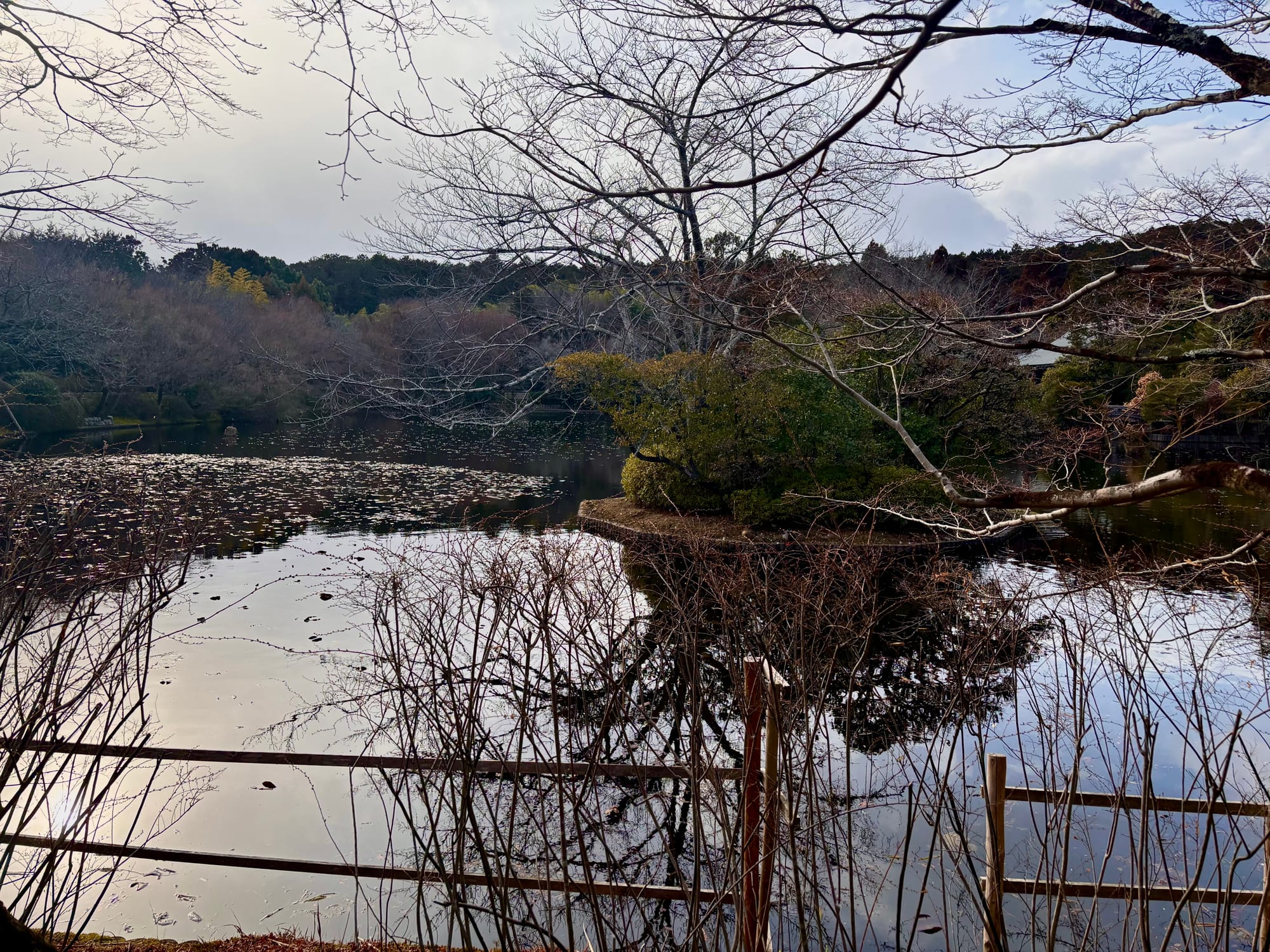
For Aquinas, ens et verum convertuntur. Being and truth coincide. To exist is to be manifest, intelligible, capable of adequation with intellect. The stone at Ryōan-ji is silent, yet it presents itself to the gaze.
The Greeks gave philosophy its visual grammar. The infinitives themselves make the kinship visible: ἰδεῖν (idein, to see), εἰδέναι (eidenai, to know). To know was to see. In the present tense the words quicken into acts: ὁρῶ (horō, I see), οἶδα (I know) preserves the trace of sight, since it is historically the perfect of ἰδεῖν used with present meaning. Knowledge is not a system but a lived act of vision.
Still, the garden resists this confidence. Fifteen stones, fourteen visible. A remainder. Here Zen insists with 無 (mu, emptiness). What is disclosed is inseparable from what is withheld. Truth is never entire. Seeing is knowing, and yet knowing falters at the edge of sight. The Heart Sutra whispers: 色即是空、空即是色 (shiki soku ze kū, kū soku ze shiki): form is emptiness, emptiness form.
✨ Goodness: Desire and Non-Self
The Greeks named the good, ἀγαθόν (agathon), that which all things desire. Plato described the Good as the ultimate end, and Aristotle spoke of it as the telos of action. Aquinas follows, saying that the good and being are really the same (ST I, q.5, a.1). To exist is already to be desirable.
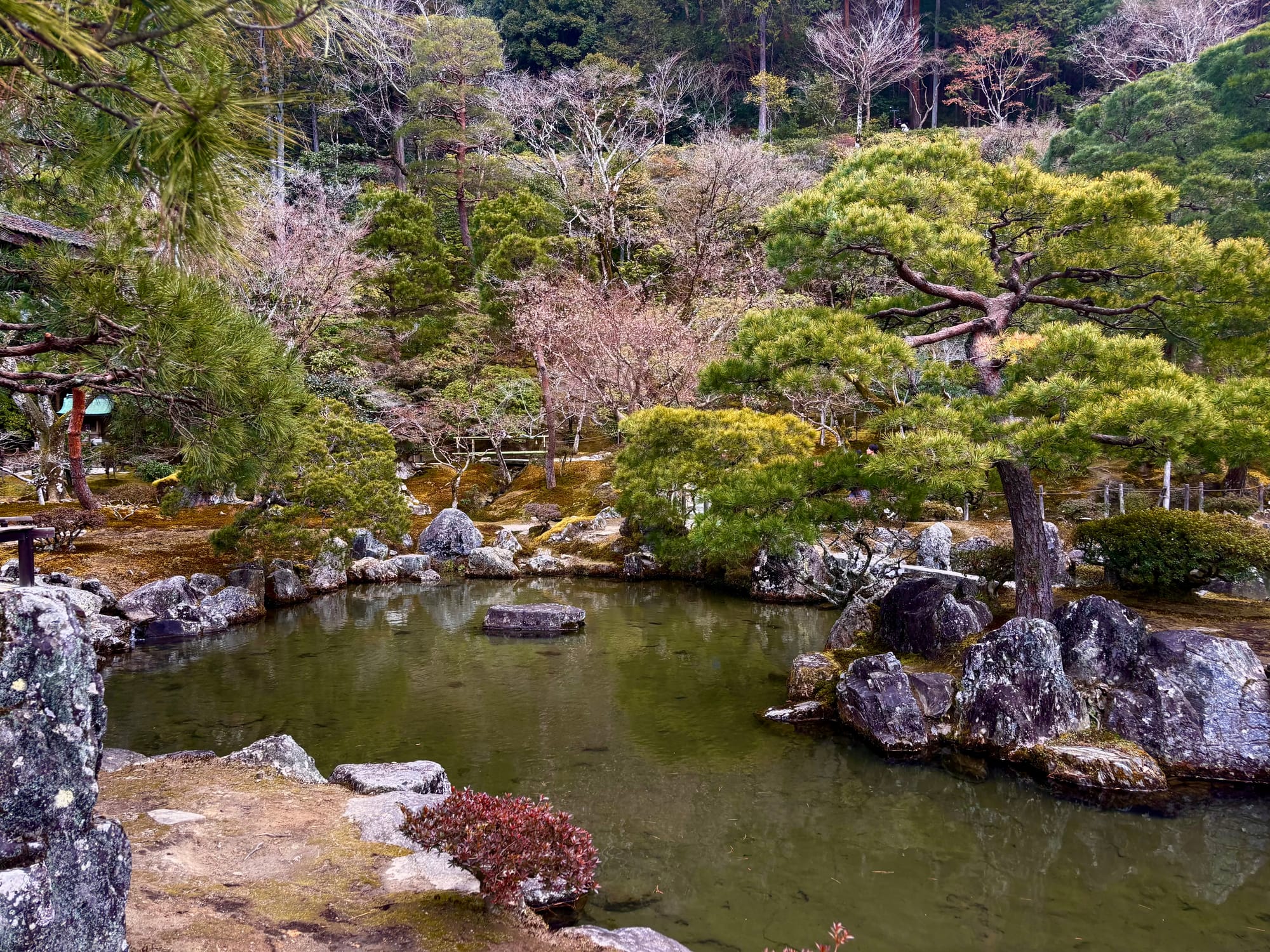
The garden seems to confirm this. Its stillness draws the visitor, not with force but with repose. It is simply good to be here, to sit in silence as gravel and stone disclose their measure.
Zen warns against clinging. Dōgen in the Shōbōgenzō writes, to study the self is to forget the self, and to forget the self is to be enlightened by all things. This is 無我 (muga, non-self). Goodness lies not in possession but in release. The garden’s stillness is good because it loosens the will, teaching that to exist is not only to be desired but to be let go.
🌸 Beauty: Radiance and Tranquility
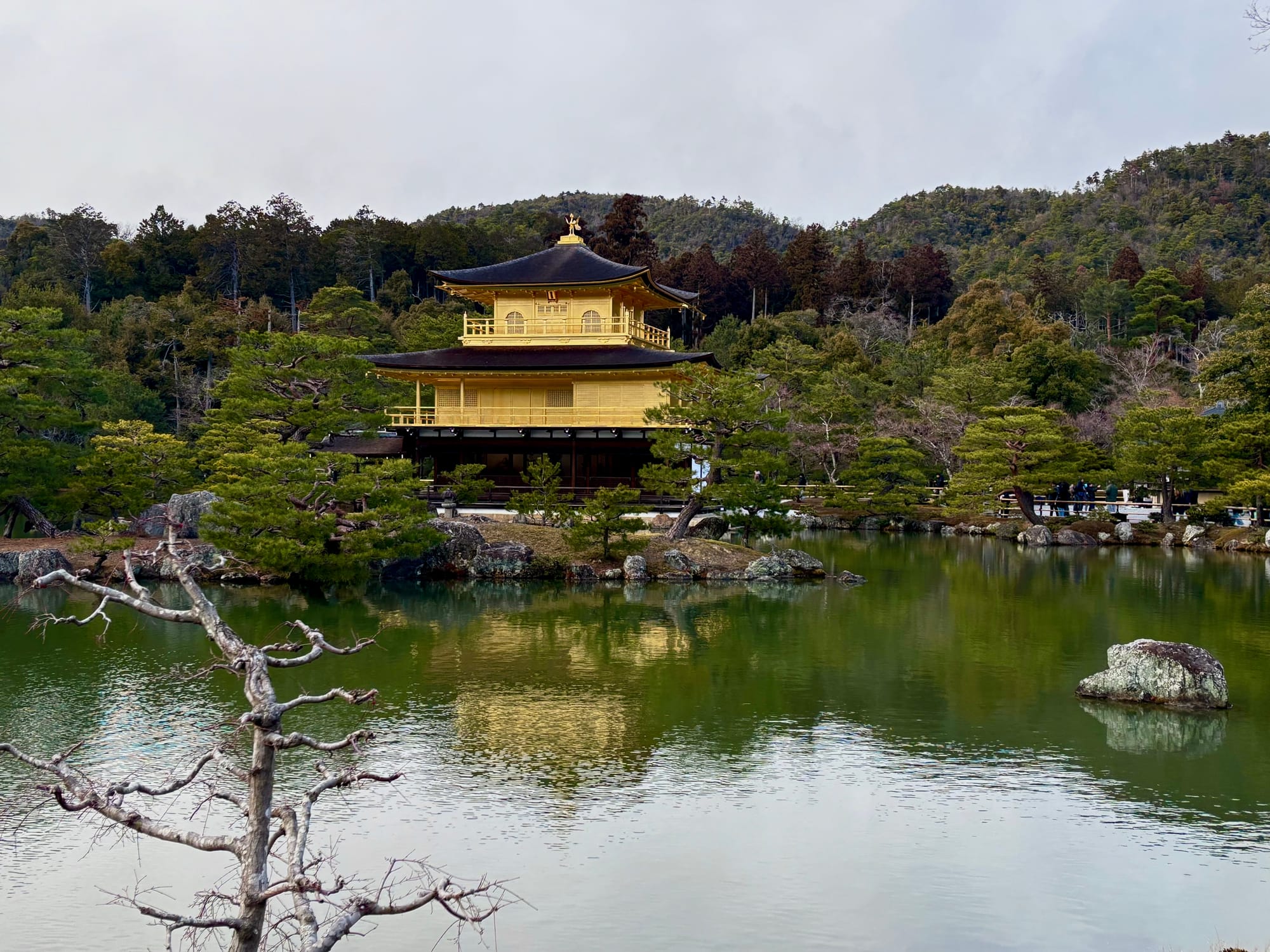
Aquinas calls the beautiful that which pleases upon being seen (ST I, q.39, a.8). The Greek καλόν (kalon) also bore this visual weight. At Ryōan-ji, beauty comes through restraint, stones set in luminous proportion, gravel raked into quiet rhythms, moss softening the line between form and ground.
Zen deepens this radiance with 寂 (jaku, tranquility). Beauty is not only in proportion but in stillness. It is the silence that allows radiance to appear. Bashō captured it in another register:
夏草や
兵どもが
夢の跡
Natsukusa ya / tsuwamonodomo ga / yume no ato
Summer grasses,
all that remains
of warriors’ dreams.
Beauty here is not eternal disclosure, but fleeting radiance seen in quietude and already passing.
🪨 Toward a Shared Horizon
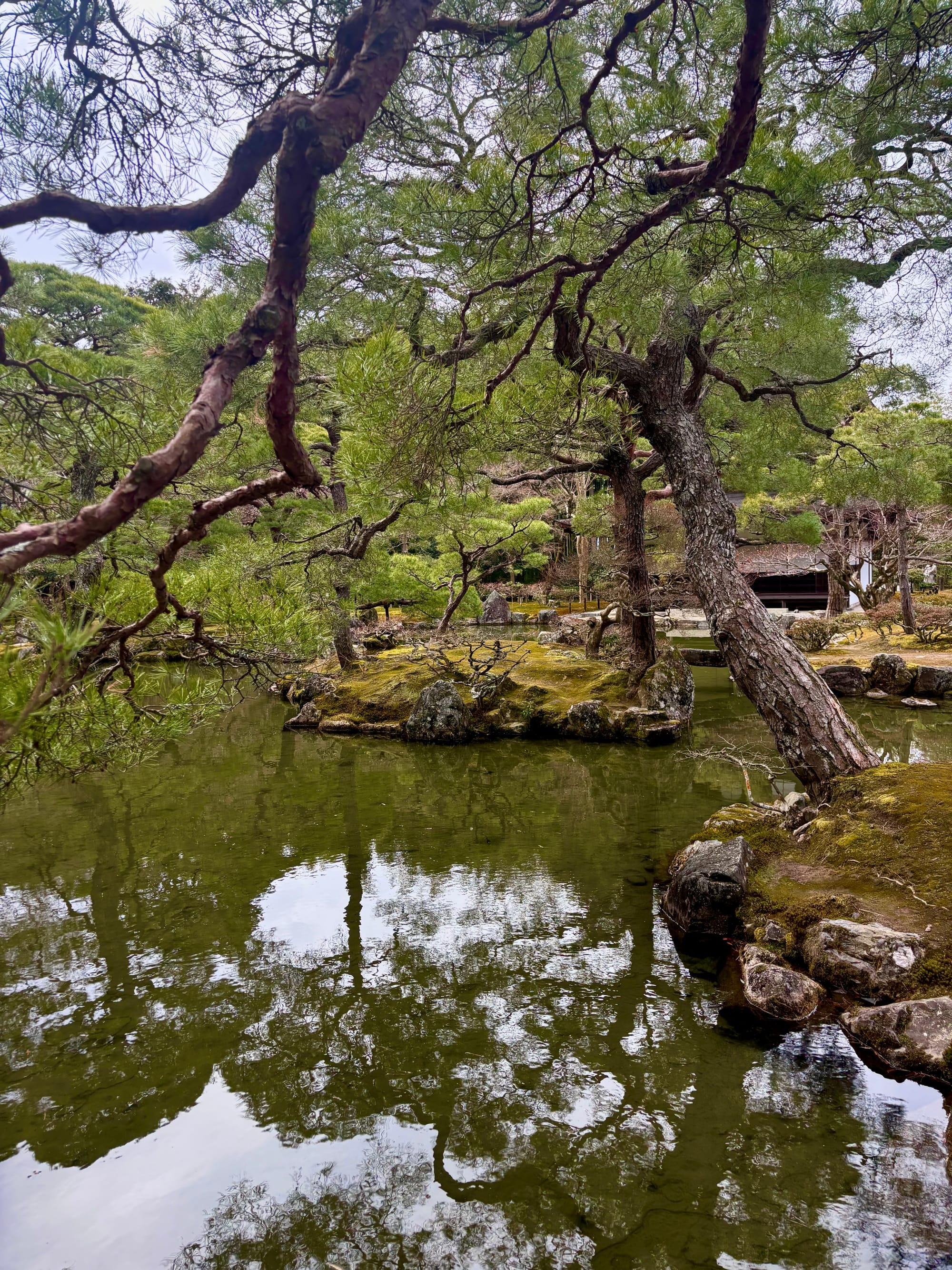
The Greeks taught us that to know is to see, ὁρῶ, οἶδα, and their infinitives, ἰδεῖν and εἰδέναι, revealed the kinship of vision and knowledge. The scholastics taught us that being is never bare, but always already one, true, good, and beautiful. Zen teaches us that every form is shadowed by emptiness, every self undone in release, every radiance sustained by silence.
Ryōan-ji holds these voices together. It gathers coherence and non-duality, disclosure and concealment, attraction and release, radiance and stillness. Its stones do not speak, yet they stage a dialogue across traditions.
Perhaps philosophy itself is like this garden, ordered, luminous, yet never complete. However long one gazes, one stone remains unseen.